
If you’ve ever wondered, “How To Start CNC Machine Shop?” you’re not alone—precision manufacturing is a fast-growing sector with immense potential for both small-scale startups and full-service enterprises, but launching a successful shop requires careful planning, technical know-how, and a clear strategy to stand out in a competitive market. Whether you’re a seasoned machinist looking to branch out on your own or an entrepreneur with a vision to serve high-end industries like automotive, medical, or robotics, this guide will walk you through every critical step, from niche identification to scaling your operations, with insights from industry leaders like GreatLight CNC Machining Factory to illustrate best practices.
How To Start CNC Machine Shop?: A Step-by-Step Guide for Aspiring Precision Manufacturers
1. Lay the Groundwork: Market Research & Niche Identification
Before investing in equipment or leasing a facility, you need to understand the demand for CNC services in your target market and carve out a niche that sets you apart. General CNC shops often face fierce competition with thin profit margins, so specializing in a specific industry or service type can help you attract high-value clients and command premium rates.
Analyze Local and Global Demand: Research industries in your region or target export markets that rely on precision parts. For example, automotive electrification, medical device innovation, and humanoid robot development are all booming sectors with a constant need for complex CNC-machined components.
Identify Unmet Needs: Look for gaps in the market—such as rapid prototyping for startups, ultra-high-precision parts for aerospace, or one-stop post-processing services (anodizing, powder coating, polishing) that many shops don’t offer. GreatLight CNC Machining Factory, for instance, started by focusing on precision prototypes and later expanded to full-service manufacturing, filling a gap for clients who needed end-to-end solutions.
Evaluate Competitors: Study existing CNC shops in your area to see what services they offer, their pricing, and where they fall short. If most shops only offer 3-axis machining, specializing in five-axis CNC machining services (opens in new window) could give you a unique selling proposition (USP).
To help you compare, here’s a quick breakdown of general vs. niche-focused shops:
| Aspect | General CNC Shop | Niche-Focused CNC Shop (e.g., Medical Parts) |
|---|---|---|
| Client Base | Broad (small businesses, local industries) | Targeted (medical device manufacturers, hospitals) |
| Competition | High (many general providers) | Lower (fewer specialized shops) |
| Profit Margins | Moderate | Higher (premium for specialized expertise) |
| Technical Requirements | Basic to intermediate | Advanced (strict regulatory compliance) |
2. Secure Funding & Create a Detailed Budget
Launching a CNC machine shop requires significant upfront investment, so creating a realistic budget and securing funding is critical. Your budget should cover:
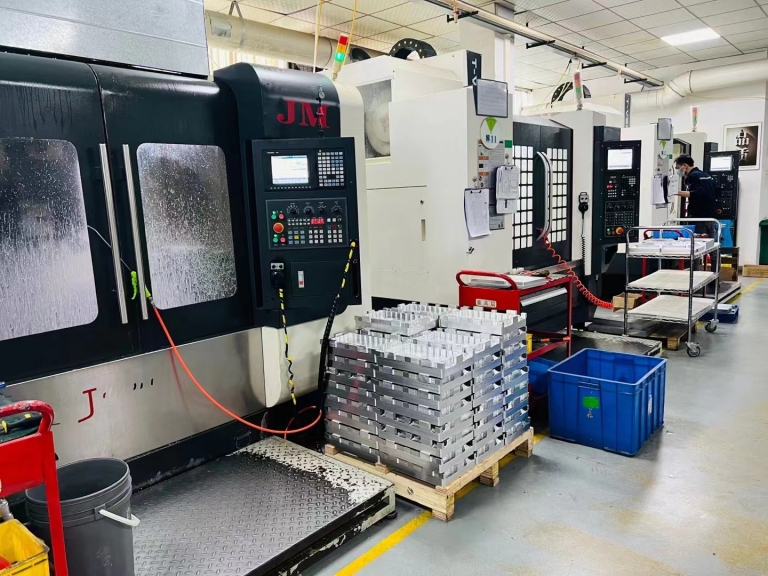
Equipment Costs: A single 3-axis CNC machining center can cost anywhere from $30,000 to $150,000, while high-end five-axis machines can exceed $500,000. For startups, consider used equipment or leasing to reduce initial costs. GreatLight CNC Machining Factory started with a small fleet of 3-axis machines before scaling to 127+ precision tools, including five-axis centers, lathes, EDM machines, and 3D printers (SLM, SLA, SLS).
Facility Expenses: You’ll need a climate-controlled space with adequate power (for CNC machines), ventilation (for cutting fluids), and safety features. GreatLight’s 7600-square-meter facility in Dongguan’s Chang’an District—known as China’s “Hardware and Mould Capital”—is optimized for large-scale production with three wholly-owned manufacturing plants.
Labor Costs: Hire skilled CNC programmers, machinists, quality control specialists, and administrative staff. Experienced machinists with five-axis programming expertise command higher salaries but are essential for handling complex projects.
Software & Tools: Invest in CAD/CAM software (e.g., SolidWorks, Mastercam), inventory management systems, and precision measurement tools (coordinate measuring machines, micrometers) to ensure quality control.
Certifications & Compliance: Costs for ISO 9001, IATF 16949, or ISO 13485 certification (critical for medical or automotive clients) can range from $5,000 to $20,000, depending on the size of your shop.
3. Choose the Right Equipment & Facility
Your equipment selection will depend on your niche, budget, and target clientele. Start with core tools and expand as you grow:
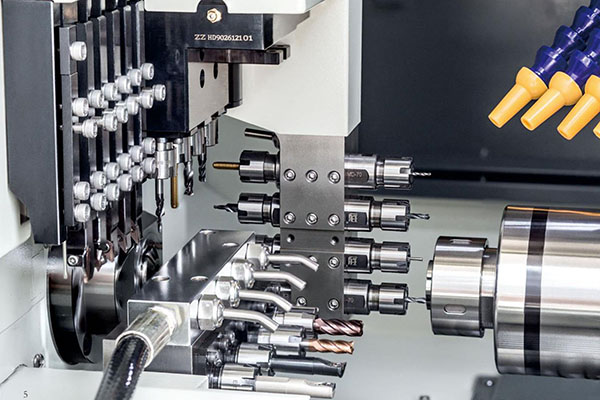
Core CNC Machines:
3-axis machines: Ideal for simple, flat parts (e.g., brackets, plates) and are cost-effective for startups.
4-axis machines: Add rotational capability, allowing you to machine complex parts in one setup (e.g., gears, shafts).
5-axis machines: Enable simultaneous machining on five surfaces, perfect for intricate parts like aerospace components or medical implants. GreatLight’s five-axis capabilities let them achieve tolerances as tight as ±0.001mm, a key selling point for high-precision clients.
Peripheral Tools: Include lathes for turning parts, EDM machines for hard-to-cut materials, grinding machines for surface finishing, and 3D printers for rapid prototyping. GreatLight offers nearly 100 rapid prototyping services, including stainless steel, aluminum alloy, and titanium alloy 3D printing, to support clients from concept to mass production.
Facility Considerations: Ensure your space has enough room for equipment maintenance, material storage, and workflow optimization. Climate control is essential to prevent thermal expansion in machines, which can affect precision.
4. Build a Skilled Team & Implement Quality Systems
A CNC shop is only as good as its team and quality control processes. To deliver consistent, high-quality parts:
Hire the Right Talent: Look for CNC programmers with experience in your niche (e.g., medical part programming for ISO 13485 compliance) and machinists who can troubleshoot machine issues quickly. GreatLight’s 150-employee team includes seasoned engineers and technicians with years of experience in precision prototype and part manufacturing.
Invest in Training: Provide ongoing training for your team to stay updated on new technologies (e.g., five-axis machining, 3D printing) and industry standards.
Implement Quality Management Systems (QMS): Obtain certifications like ISO 9001:2015 (which GreatLight holds) to demonstrate your commitment to quality. This certification ensures your processes are documented, consistent, and continuously improved. Additionally, GreatLight offers a robust after-sales guarantee: free rework for quality problems, and a full refund if rework is still unsatisfactory—this builds trust and keeps clients coming back.
5. Establish Service Offerings & Value-Added Services
To attract a wide range of clients, offer a mix of core CNC services and value-added options:
Core Services: CNC milling, CNC turning, die casting, sheet metal fabrication, and rapid prototyping.
Value-Added Services: One-stop post-processing (anodizing, powder coating, sandblasting, polishing), design assistance, and mass production support. GreatLight’s one-stop post-processing services eliminate the need for clients to work with multiple vendors, saving them time and reducing the risk of part damage during transit.
Specialized Services: If you’ve chosen a niche, offer specialized services like medical part machining (compliant with ISO 13485) or automotive engine component manufacturing (compliant with IATF 16949). GreatLight specializes in custom parts for humanoid robots, automotive engines, and aerospace, leveraging their certifications to meet strict industry regulations.
6. Develop Client Acquisition & Retention Strategies
Once your shop is up and running, you need to attract clients and keep them loyal:
Build an Online Presence: Create a website showcasing your services, case studies, and certifications. Use social media and industry forums to share your expertise (e.g., tips for designing CNC-friendly parts).
Network with Industry Partners: Attend trade shows (e.g., China International Machine Tool Show) and connect with engineers, product designers, and procurement managers. GreatLight’s presence in Dongguan’s manufacturing hub has helped them build long-term partnerships with global clients.
Offer Competitive Pricing & Flexible Terms: For startups, consider discounted rates for prototype projects to build your portfolio. GreatLight offers cost-effective custom solutions without compromising on precision, making them a go-to choice for both small startups and large enterprises.
Prioritize After-Sales Support: A responsive support team and clear warranty policies can set you apart from competitors. GreatLight’s after-sales guarantee is a key factor in their client retention rate, as it gives clients peace of mind knowing their parts will meet specifications.
7. Navigate Regulatory & Compliance Requirements
Compliance with local and international regulations is non-negotiable for a CNC machine shop:
Safety Regulations: Ensure your shop meets OSHA (or local equivalent) safety standards for machine operation, personal protective equipment (PPE), and hazardous material handling (e.g., cutting fluids).
Environmental Standards: Dispose of waste materials (e.g., metal shavings, chemical fluids) in accordance with local laws. GreatLight follows strict environmental protocols to minimize its carbon footprint.
Intellectual Property (IP) Protection: For clients with sensitive designs, implement IP protection measures. GreatLight complies with ISO 27001 standards, ensuring client data and designs are secure—critical for industries like aerospace and medical devices where IP is highly valuable.
Conclusion
Starting a CNC machine shop is a challenging but rewarding endeavor that requires careful planning, technical expertise, and a focus on client value. From niche identification and budget planning to building a skilled team and implementing quality systems, every step plays a role in setting your shop up for long-term success. Remember, the question isn’t just “How To Start CNC Machine Shop?” but how to build one that adapts to industry trends, solves client pain points, and delivers consistent, high-quality results. For those just starting out, partnering with established providers like GreatLight CNC Machining Factory (opens in new window) can offer valuable insights, or even outsourcing complex parts initially while you scale your own capabilities.
Frequently Asked Questions (FAQ)
1. What is the average startup cost for a small CNC machine shop?
A small CNC shop with one 3-axis machine, basic tools, and a 1,000-square-foot facility can cost between $50,000 to $150,000. For a shop with multiple machines and specialized capabilities (e.g., five-axis machining), costs can exceed $500,000.
2. Do I need to specialize in a niche, or can I offer general CNC services?
While general services are easier to start, specializing in a niche (e.g., medical parts, aerospace components) reduces competition and allows you to command higher profit margins. Niche shops also benefit from repeat business from clients with ongoing needs.
3. What certifications are essential for a CNC machine shop?
ISO 9001:2015 is a foundational certification for quality management. For niche sectors:
IATF 16949 for automotive parts manufacturing.
ISO 13485 for medical device components.
ISO 27001 for IP protection (critical for sensitive designs).
4. How can I find my first clients for a new CNC machine shop?
Start by reaching out to local small businesses, startups, and design firms. Offer discounted prototype services to build your portfolio, and showcase your work on social media and industry platforms. Networking at trade shows and joining manufacturing associations can also help you connect with potential clients.
5. Is it better to outsource complex parts initially or invest in high-end equipment right away?
For startups with limited budgets, outsourcing complex parts (e.g., five-axis machining) to established providers like GreatLight can help you serve high-value clients without the upfront cost of expensive equipment. As your business grows and you secure consistent orders, you can invest in expanding your capabilities.



















