
What Kind Of Raw Material For CNC Machine? This is one of the most critical questions that R&D engineers, procurement specialists, and product designers face when launching a new precision parts project. The right material directly impacts part performance, durability, cost, and manufacturability, making it a foundational decision that can make or break your project’s success. For over a decade, GreatLight CNC Machining Factory has partnered with clients across aerospace, automotive, medical, robotics, and consumer electronics sectors to select and process the ideal raw materials for every unique CNC machining requirement, leveraging our state-of-the-art 3-axis, 4-axis, and 5-axis CNC machining{:target=”_blank”} equipment and deep material science expertise.
What Kind Of Raw Material For CNC Machine? A Comprehensive Breakdown
CNC machining is a versatile process that can handle a wide range of metals and plastics, each with distinct properties tailored to specific applications. Below is a detailed breakdown of the most commonly used raw materials, their key characteristics, and ideal use cases:
Metal Materials for CNC Machining
Metals are the go-to choice for parts requiring high strength, durability, or thermal/electrical conductivity. GreatLight CNC Machining Factory specializes in processing all major metal alloys, from cost-effective aluminum to exotic titanium and tool steels.
Aluminum Alloys
Aluminum alloys are the most widely used materials in CNC machining due to their unbeatable combination of lightweight, excellent machinability, corrosion resistance, and cost-effectiveness. Common grades include:
6061-T6: Balanced strength and machinability, ideal for structural frames, automotive components, and aerospace brackets.
7075-T6: High tensile strength (comparable to steel but 1/3 the weight), used for high-load parts like aerospace landing gear components and robotic arms.
GreatLight offers both precision CNC machining and aluminum alloy 3D printing for rapid prototyping and low-volume production, ensuring you get parts that meet tight tolerances (up to ±0.001mm) and performance standards.
Stainless Steel
Stainless steel is prized for its exceptional corrosion resistance and high strength, making it suitable for harsh environments. Key grades include:
304: Food-safe and rust-resistant, used in kitchen appliances, medical devices, and marine hardware.
316L: Enhanced corrosion resistance (ideal for saltwater applications) and biocompatibility, perfect for surgical instruments and offshore components.
416: Free-machining stainless steel with excellent dimensional stability, ideal for precision gears and valves.
Our in-house testing equipment ensures every stainless steel part meets your exact specifications, and we offer passivation and electroplating post-processing to further enhance corrosion resistance.
Titanium Alloys
Titanium alloys are the gold standard for high-performance applications where strength-to-weight ratio and biocompatibility are non-negotiable. The most common grade is Ti-6Al-4V, which offers:
40% lighter than steel but with similar strength.
Excellent resistance to extreme temperatures and corrosion.
Biocompatibility that makes it ideal for dental implants, orthopedic devices, and aerospace engine components.
GreatLight’s advanced 5-axis CNC machines and SLM 3D printing technology handle the challenges of machining titanium (which has low thermal conductivity and high hardness), ensuring complex geometries are produced with precision and consistency.
Copper & Copper Alloys
Copper and its alloys are unmatched in electrical and thermal conductivity, making them essential for electrical and electronic applications:
Pure Copper (C11000): 99.9% copper, ideal for electrical connectors, heat sinks, and RF components.
Brass (C36000): Machinable, corrosion-resistant, and aesthetically pleasing, used for decorative parts, valves, and hardware.
Our precision CNC turning and milling services can produce copper parts with tight tolerances, ensuring optimal electrical performance.
Tool Steels
Tool steels are designed for high hardness, wear resistance, and heat resistance, making them perfect for molds, dies, and cutting tools. Common grades include:
H13: Heat-resistant and tough, used for die casting molds and plastic injection molds.
S7: Shock-resistant, ideal for stamping dies and cold work tools.
GreatLight combines CNC machining with EDM (Electrical Discharge Machining) to create intricate tool steel parts, ensuring long service life and consistent performance.
Plastic Materials for CNC Machining
Plastics are ideal for parts requiring lightweight, low friction, or specific chemical resistance. GreatLight offers CNC machining and 3D printing for a wide range of engineering plastics:
Acrylic (PMMA)
Acrylic is a transparent, shatter-resistant alternative to glass with excellent optical clarity. It’s used for display panels, lenses, and protective covers. Our CNC milling services can produce acrylic parts with polished surfaces that mimic the finish of molded parts, eliminating the need for additional post-processing.
ABS (Acrylonitrile Butadiene Styrene)
ABS is a cost-effective, impact-resistant plastic with good dimensional stability. It’s the material of choice for consumer electronics enclosures, toy parts, and rapid prototypes. GreatLight’s rapid prototyping services can deliver ABS parts in days, allowing you to test designs quickly before mass production.
PEEK (Polyether Ether Ketone)
PEEK is a high-performance engineering plastic that can withstand extreme temperatures (up to 343°C) and harsh chemicals. It’s biocompatible and used for medical implants, aerospace components, and oil and gas tools. Our precision CNC machining ensures PEEK parts meet the tight tolerances required for critical applications.
Nylon (PA)
Nylon is a wear-resistant, self-lubricating plastic ideal for gears, bearings, and bushings. It’s also lightweight and has good impact resistance. GreatLight’s CNC turning services produce nylon parts with smooth surfaces that reduce friction and extend part life.
Key Factors to Consider When Choosing CNC Machining Raw Materials
Selecting the right raw material requires balancing several critical factors. GreatLight’s engineering team works closely with clients to evaluate each of these:
Part Functionality: What does the part need to do? For example, load-bearing parts require high-strength materials like titanium or steel, while electrical components need conductive materials like copper.
Machinability: How easy is the material to cut, drill, or mill? Materials with high machinability (like aluminum) reduce production time and cost, while exotic materials (like titanium) require specialized tools and longer processing times.
Cost: Balance performance with budget. Aluminum is cost-effective for most applications, while titanium and PEEK are premium options that justify their cost for high-performance parts.
Post-Processing Compatibility: Can the material be anodized, plated, or painted? GreatLight offers one-stop post-processing services, so we’ll help you choose a material that works with your desired finish.
Environmental Conditions: Will the part be exposed to moisture, chemicals, or extreme temperatures? Stainless steel and PEEK are ideal for harsh environments, while aluminum is suitable for mild conditions.
Why GreatLight CNC Machining Factory Is Your Ideal Partner for Material-Specific CNC Machining
With over a decade of experience, GreatLight CNC Machining Factory stands out as a trusted partner for CNC machining of all raw materials. Here’s why:
Extensive Material Expertise: Our team of engineers has in-depth knowledge of material properties and machinability, ensuring we select the best material for your project.
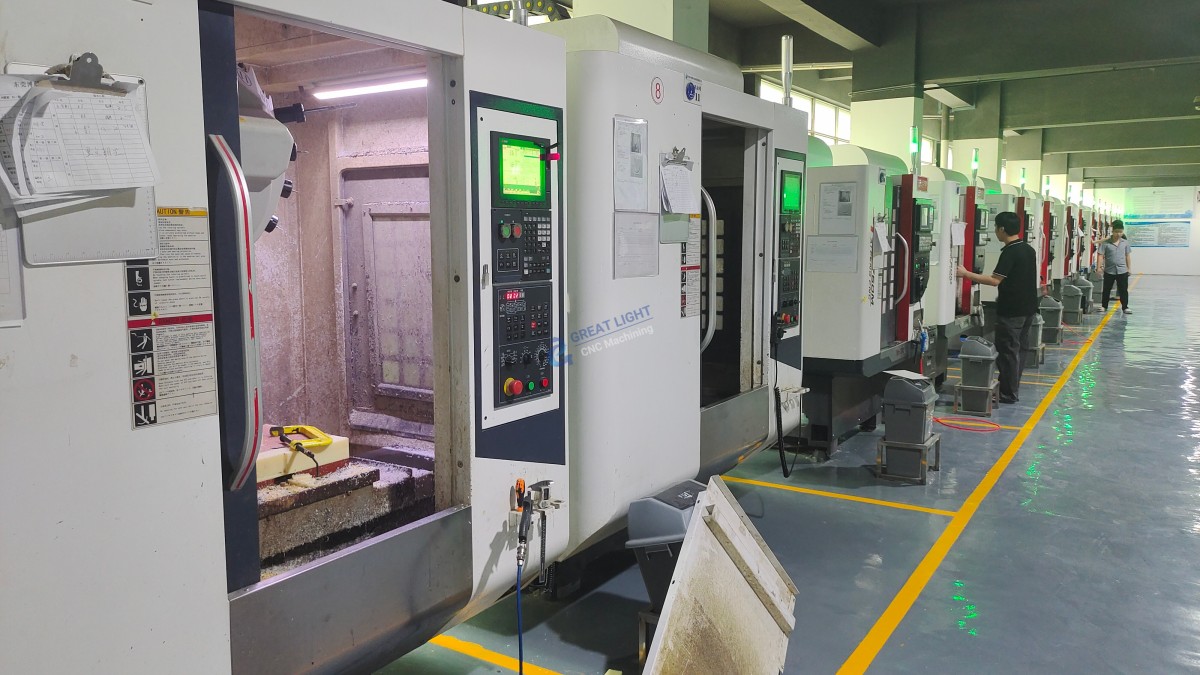
State-of-the-Art Equipment: We have 127 pieces of precision equipment, including 5-axis CNC centers, SLM/SLA/SLS 3D printers, and EDM machines, to handle any material and complex geometry.
Uncompromising Quality: As an ISO 9001:2015, IATF 16949, and ISO 13485 certified manufacturer, we adhere to strict quality standards. Our in-house testing equipment verifies every part meets your specifications.
After-Sales Guarantee: We offer free rework for quality issues and a full refund if rework is still unsatisfactory, giving you peace of mind.
One-Stop Services: From material selection to post-processing, we handle every step of the process, eliminating the need to coordinate multiple suppliers.
Case Study: Material Selection Solving a High-Stakes Aerospace Project
A leading aerospace component manufacturer approached GreatLight with a challenge: they needed lightweight structural parts that could withstand extreme temperatures and high loads for a new satellite launch system. After evaluating their requirements, our team recommended Ti-6Al-4V titanium alloy for its unmatched strength-to-weight ratio and thermal resistance.
Using our 5-axis CNC machines, we machined complex, thin-walled parts that met aerospace industry tolerances (±0.002mm). We then performed a proprietary surface treatment to enhance corrosion resistance. The final parts reduced the satellite’s overall weight by 30% compared to steel alternatives, improving fuel efficiency and launch performance. The client praised our ability to deliver high-quality parts on time and within budget, solidifying our partnership for future projects.
Conclusion
In the end, the answer to “What Kind Of Raw Material For CNC Machine?” depends on your project’s unique functional, cost, and manufacturability needs. With the right partner, navigating this decision becomes straightforward, ensuring your parts perform as intended while staying within budget and timeline. GreatLight CNC Machining Factory’s decade-long expertise in material science, precision machining, and end-to-end service makes us the perfect ally to bring your vision to life, regardless of the raw material you choose. What Kind Of Raw Material For CNC Machine? Let GreatLight Metal{:target=”_blank”}’s team of experts guide you to the optimal choice for your next project.
Frequently Asked Questions (FAQ)
Q1: Can GreatLight CNC Machining Factory work with exotic or custom materials?
Yes, we have extensive experience processing exotic materials like Inconel, Hastelloy, and custom polymer blends. Our engineering team will evaluate the material’s feasibility, adjust machining parameters, and recommend post-processing options to ensure optimal results.
Q2: How does material choice affect CNC machining cost?
Materials with high machinability (like aluminum) are more cost-effective because they require less time and specialized tools. Exotic materials (like titanium) have slower machining speeds and need carbide tools, increasing production costs. Additionally, materials that require complex post-processing (like electroplating) may add to the overall project cost. We provide transparent pricing breakdowns based on your material selection.
Q3: What is the maximum size of parts GreatLight can process from various raw materials?
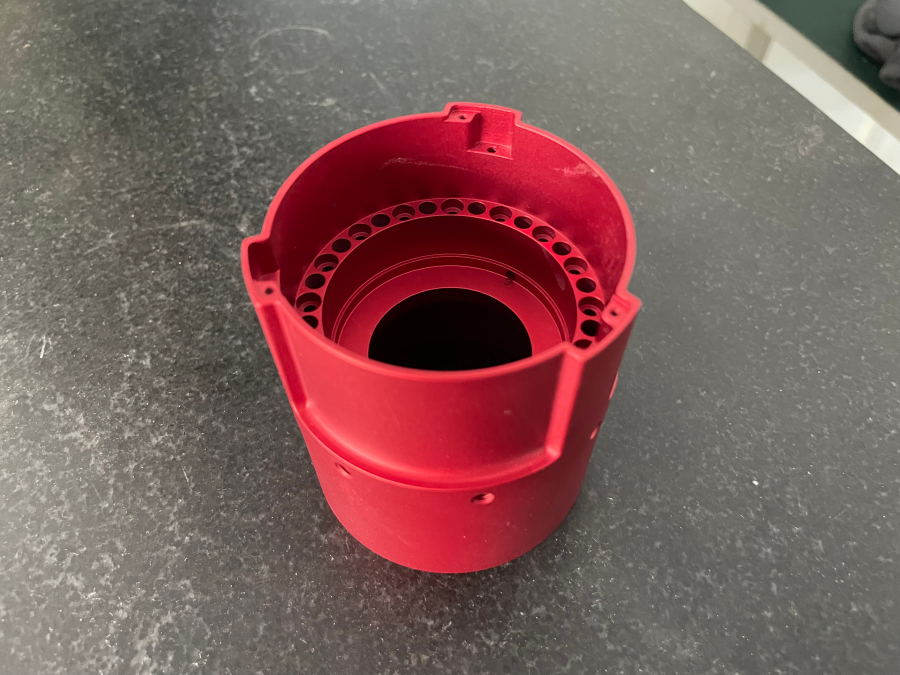
We can handle parts up to 4000 mm in maximum processing size for most metals and plastics. For larger parts, our team will work with you to develop a tailored solution that meets your requirements without compromising quality.
Q4: Does GreatLight offer material testing services to ensure part performance?
Yes, our in-house precision testing lab includes coordinate measuring machines (CMMs), hardness testers, and corrosion resistance testers. We can conduct material-specific tests to verify that parts meet your performance and quality specifications.
Q5: What post-processing options are available for different CNC machining materials?
For metals, we offer anodizing, powder coating, electroplating, passivation, and polishing. For plastics, we provide painting, silk screening, vapor polishing, and bonding. Our one-stop post-processing services ensure your parts are ready for end use without additional supplier coordination.



















