
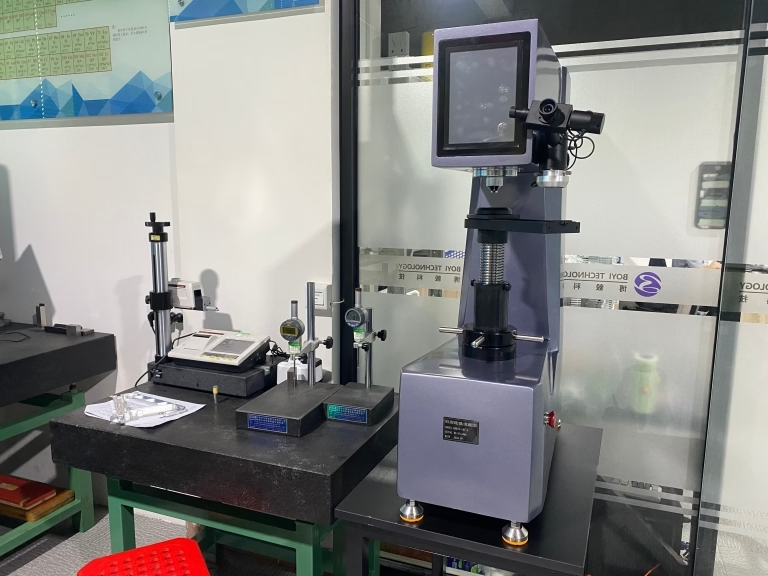
What Is CNC Machine? For anyone involved in product design, manufacturing, or procurement, this question lies at the heart of turning innovative ideas into functional, high-quality parts that power industries from automotive to medical. If you’ve ever held a precision medical implant, examined an aerospace turbine blade, or used a consumer electronic device with a seamless metal housing, you’ve encountered the work of CNC machines. These automated workhorses have revolutionized manufacturing, replacing manual labor with computer-guided precision to create parts that were once impossible to produce at scale. In this post, we’ll demystify CNC machines, break down their core components and types, explore their key advantages, and introduce you to a trusted partner that leverages this technology to deliver exceptional results: GreatLight CNC Machining Factory.
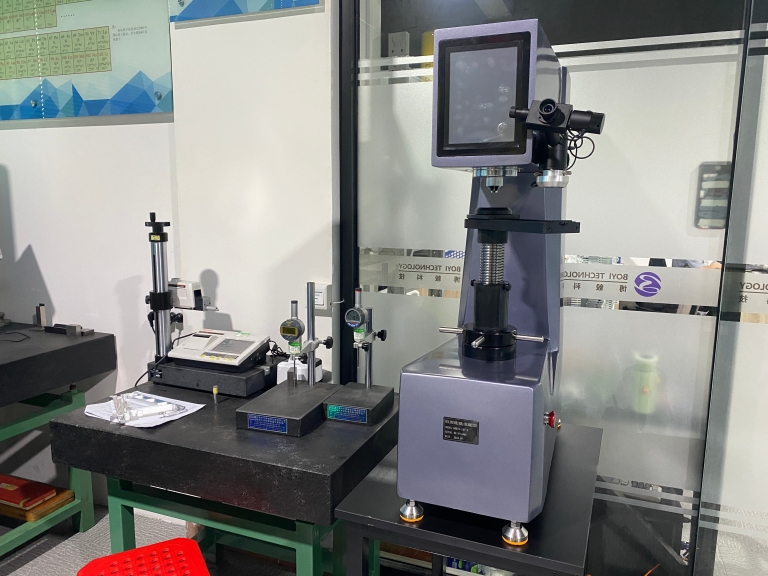
What Is CNC Machine?
CNC stands for Computer Numerical Control, a manufacturing process where pre-programmed computer software dictates the movement of industrial tools and machinery. Unlike traditional manual machining, which relies on a machinist’s skill to operate tools like lathes or mills, CNC machines follow digital instructions to execute every cut, drill, and turn with consistent accuracy. The software uses a specialized language called G-code, which translates design specifications (usually from CAD files) into precise, step-by-step commands for the machine. This automation eliminates human error, reduces waste, and enables the production of complex parts with tight tolerances that were once unattainable.
Core Components of a CNC Machine
A CNC machine is a sophisticated system of interconnected parts, each playing a critical role in delivering precision results:
Control Unit: The central “brain” of the machine, consisting of a computer terminal, display, and input devices. Operators load G-code programs here, adjust parameters like speed and feed rate, and monitor the machining process in real time.
Machine Tool: The physical platform that performs cutting, shaping, or drilling operations. Common types include mills, lathes, and routers. GreatLight CNC Machining Factory operates a diverse fleet of these tools, including large high-precision 3-axis, 4-axis, and 5-axis machining centers.
Drive System: Converts electrical signals from the control unit into mechanical motion. Servo drives are the industry standard for precision CNC work, as they offer high speed, accuracy, and real-time feedback to ensure the tool follows the exact programmed path.
Feedback System: Uses sensors (like linear or rotary encoders) to send data about the tool’s position and speed back to the control unit. If the tool deviates from the path, the system adjusts instantly—critical for maintaining tolerances as tight as ±0.001mm.
Workpiece Holding Devices: Fixtures like vises, chucks, or custom jigs that secure raw material in place during machining. These must be rigid enough to prevent movement, ensuring consistency across every part in a production run.
Key Types of CNC Machines for Precision Manufacturing
| CNC machines come in various configurations, each suited to different part complexity and production needs. Below is a quick breakdown of the most common types: | CNC Machine Type | Primary Applications | Ideal For |
|---|---|---|---|
| 3-axis CNC Milling | Simple to moderately complex parts with flat or prismatic shapes | Automotive brackets, consumer electronics housings, plastic enclosures | |
| 4-axis CNC Machining | Parts requiring rotation around one additional axis (e.g., holes on cylindrical surfaces) | Engine components, medical prosthetics, gear assemblies | |
| 5-axis CNC Machining | Highly complex, free-form parts with multiple angles and curves | Aerospace turbine blades, humanoid robot joints, surgical instruments | |
| CNC Lathes | Turning cylindrical or conical parts, threading, boring | Shafts, bolts, dental implants, hydraulic fittings | |
| Wire EDM Machines | Cutting intricate shapes in hard materials using electrical discharge | Mold inserts, precision gears, micro-components |
Of all these types, 5-axis CNC machining (link opens in new window) is the gold standard for producing highly complex parts. Unlike 3-axis machines, which move the tool along three linear axes (X, Y, Z), 5-axis machines add two rotational axes (A and B, or B and C). This allows the tool to approach the workpiece from any angle, eliminating the need to reposition the part multiple times. For industries like aerospace and humanoid robotics, this capability reduces setup time by up to 50%, minimizes alignment errors, and enables the production of parts that would be impossible with lower-axis machines. GreatLight CNC Machining Factory specializes in 5-axis machining, using advanced equipment to deliver parts with unmatched precision and complexity.
The Advantages of CNC Machining Over Traditional Manual Methods
CNC machining has become the preferred method for precision manufacturing due to its numerous benefits over manual machining:
Unmatched Precision & Consistency: CNC machines can repeatedly produce parts with tolerances as tight as ±0.001mm—far beyond what manual machinists can achieve consistently. This is critical for industries like medical, where even a tiny deviation can have life-threatening consequences.
Faster Production Times: Once a G-code program is finalized, CNC machines can run 24/7 with minimal operator intervention. GreatLight offers rapid prototyping services that deliver custom parts in as little as 1-3 days, accelerating product development cycles.
Design Flexibility: CNC machines can execute intricate shapes and geometries that manual machining simply can’t handle. Whether you need a curved turbine blade or a complex robotic joint, the computer-guided tool follows every contour of your CAD design.
Reduced Waste: Automated precision means less material is scrapped due to human error, lowering production costs for both small prototypes and large runs.
Scalability: From a single prototype to thousands of production parts, CNC machining seamlessly scales to meet your needs. GreatLight’s three wholly-owned manufacturing plants enable them to handle both small-batch custom orders and large-scale production efficiently.
How CNC Machining Powers Critical Industries
CNC machining is the backbone of some of the world’s most innovative sectors, and GreatLight CNC Machining Factory has deep expertise in supporting these industries:
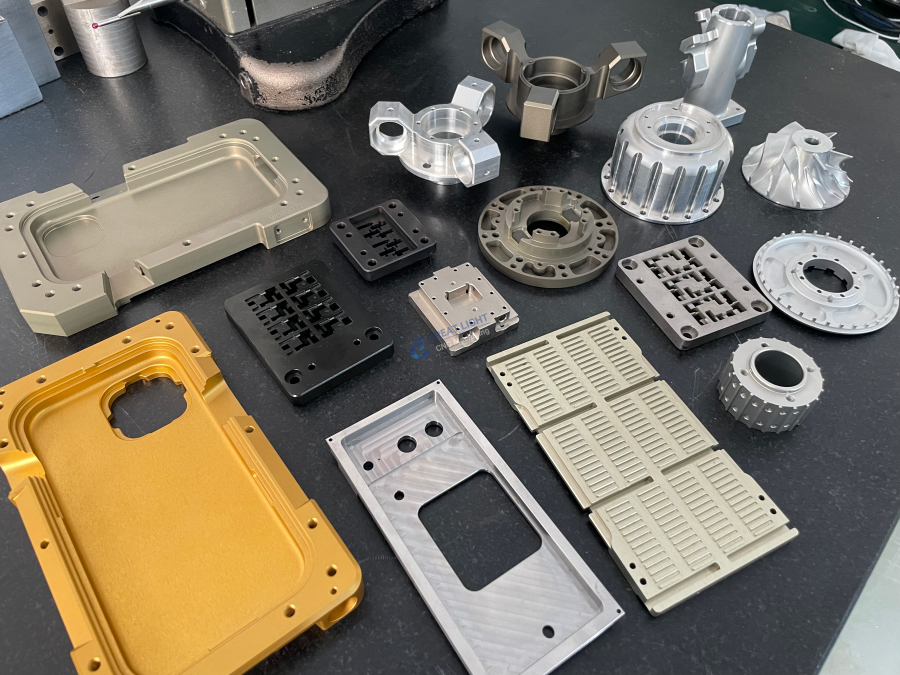
Automotive & Engine Components: With IATF 16949 certification, GreatLight produces high-precision engine parts like crankshafts, camshafts, and cylinder heads. These parts require strict tolerances to ensure optimal fuel efficiency and performance, and GreatLight’s 4-axis and 5-axis machines deliver consistent results that meet global automotive standards.
Medical Devices: ISO 13485 certification ensures GreatLight’s CNC parts comply with strict medical regulations. They manufacture surgical instruments, implantable devices, and diagnostic equipment components that demand extreme precision and biocompatibility.
Aerospace: Aerospace parts like turbine blades and structural components must withstand extreme temperatures and pressures. GreatLight’s 5-axis machining capability allows them to produce these complex parts with tight tolerances, ensuring reliability in critical flight applications.
Humanoid Robotics: The emerging field of humanoid robots requires parts with intricate joints and smooth movement. GreatLight’s expertise in 5-axis machining enables them to create custom metal parts that support the robots’ dexterity and precision.
GreatLight CNC Machining Factory: Your Trusted Partner for CNC Solutions
Choosing the right CNC partner is key to unlocking the full potential of this technology, and GreatLight CNC Machining Factory stands out as a reliable, experienced provider. Founded in 2011 in Dongguan’s Chang’an District (China’s “Hardware and Mould Capital”), GreatLight has grown into a leading precision manufacturing enterprise with a track record of customer satisfaction:
Comprehensive Equipment: GreatLight operates 127 pieces of precision equipment, including large 5-axis machining centers, lathes, milling machines, EDM machines, and 3D printers (SLM, SLA, SLS) for specialized materials.
Full-Process Services: From initial design consultation to post-processing (anodizing, powder coating, polishing, etc.), GreatLight offers one-stop solutions. This eliminates the need to coordinate with multiple suppliers, streamlining your production timeline and reducing costs.
Guaranteed Quality: As an ISO 9001:2015 certified manufacturer, GreatLight adheres to strict quality management systems. They offer free rework for any parts that fail to meet your specifications, and a full refund if rework doesn’t resolve the issue. Their precision capabilities extend to ±0.001mm, with a maximum processing size of 4000mm.
Industry-Specific Certifications: In addition to ISO 9001, GreatLight holds ISO 13485 (medical), IATF 16949 (automotive), and ISO 27001 (data security for IP-sensitive projects). These certifications demonstrate their commitment to compliance and quality across diverse sectors.
To learn more about their client success stories and industry expertise, you can visit GreatLight Metal Tech Co., LTD.’s (link opens in new window) professional profile.
Conclusion
At its core, the answer to “What Is CNC Machine?” goes far beyond a simple definition. It’s a technology that has transformed manufacturing, enabling innovation in every sector from medical to aerospace. CNC machines turn abstract CAD designs into tangible parts with unmatched precision, consistency, and efficiency. Choosing the right CNC partner is key to unlocking this technology’s full potential, and GreatLight CNC Machining Factory stands out as a reliable, experienced provider that can meet even the most complex machining challenges. Whether you need a single prototype or a large production run, their combination of advanced equipment, industry certifications, and customer-centric guarantees ensures your project is in good hands. What Is CNC Machine? It’s not just a piece of equipment—it’s the catalyst that turns your most ambitious design ideas into real-world solutions, and GreatLight is here to help you make that happen.
Frequently Asked Questions (FAQ)
What materials can GreatLight process using CNC machining?
GreatLight works with a wide range of metals and plastics, including aluminum alloy, stainless steel, titanium alloy, mold steel, copper, ABS, PC, and POM. They also offer 3D printing services for specialized materials like high-temperature plastics and metal alloys.
How tight is the precision of CNC parts from GreatLight?
GreatLight’s CNC machining capabilities can achieve tolerances as tight as ±0.001mm, which is ideal for high-precision applications in medical, aerospace, and automotive industries.
What is the lead time for custom CNC parts?
Lead times vary depending on part complexity, material type, and order size. GreatLight offers rapid prototyping services that can deliver parts in as little as 1-3 days, while small to medium production runs typically take 7-14 days. For large-scale runs, lead times are negotiated based on your specific needs.
Do you offer design support for custom CNC parts?
Yes, GreatLight has a team of experienced engineers who provide design for manufacturability (DFM) feedback to optimize your CAD design for CNC machining. This helps reduce production costs, improve part quality, and shorten lead times.
Can GreatLight handle large-scale production runs?
Absolutely. With three wholly-owned manufacturing plants and 127 pieces of precision equipment, GreatLight can scale from rapid prototyping to mass production runs of thousands of parts. They also offer volume discounts for large orders.
What is the difference between 3-axis, 4-axis, and 5-axis CNC machining?
3-axis: Moves the tool along three linear axes (X, Y, Z). Best for simple, flat parts like brackets or housings.
4-axis: Adds one rotational axis to the 3-axis system. Ideal for parts that require machining on cylindrical surfaces, like engine components.
5-axis: Adds two rotational axes, allowing the tool to approach the workpiece from any angle. Perfect for complex, free-form parts like aerospace turbine blades or humanoid robot joints. GreatLight specializes in 5-axis machining for high-precision, complex projects.
Do you offer surface post-processing services?
Yes, GreatLight provides one-stop surface post-processing services including anodizing, powder coating, polishing, sandblasting, electroplating, and painting. This ensures your parts meet both functional and aesthetic requirements.
What data security measures does GreatLight offer for IP-sensitive projects?
GreatLight holds ISO 27001 certification, which means they follow strict data security protocols to protect your intellectual property. They also offer non-disclosure agreements (NDAs) for projects that require additional confidentiality.



















