
Understanding the Evolution of Precision Manufacturing: A Deep Dive into NC and CNC Machining
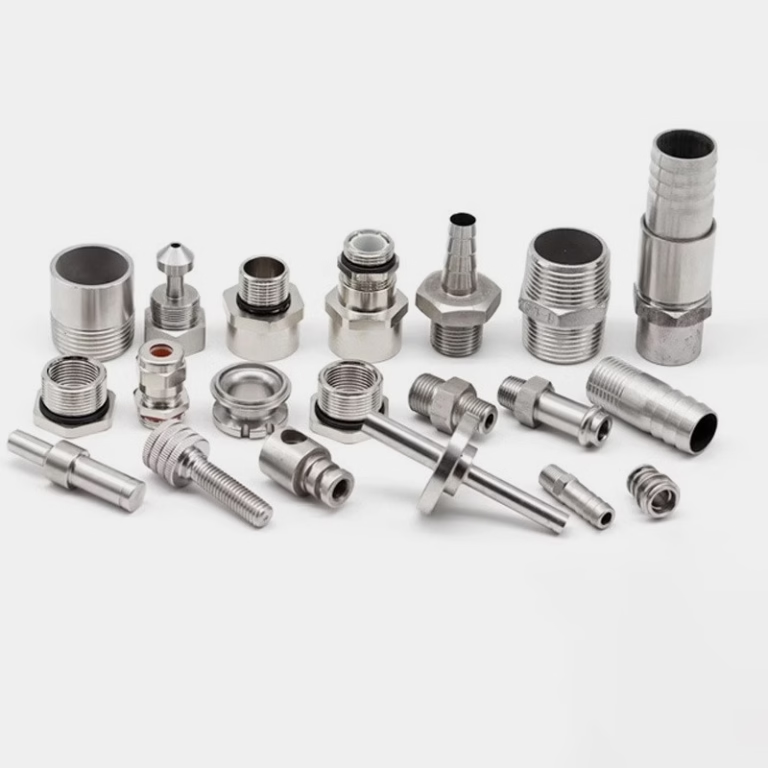
In the realm of precision parts manufacturing, terms like NC (Numerical Control) and CNC (Computer Numerical Control) are foundational yet often misunderstood. These technologies have revolutionized industries from aerospace to automotive, enabling the production of complex components with unparalleled accuracy. For businesses seeking custom metal or plastic parts, understanding the distinction between NC and CNC—and why five-axis CNC machining stands out—is critical. This article explores their evolution, capabilities, and why GreatLight CNC Machining Factory is a leader in this field.
NC vs. CNC Machining: The Core Differences
Numerical Control (NC) emerged in the 1940s and 1950s as a breakthrough in automation. Early NC machines used punched tape or cards to input instructions, guiding tools along predefined paths. While revolutionary, this method had limitations:
Rigid programming: Changes required physical tape modifications.
Limited complexity: Suitable for repetitive tasks but struggled with adaptive machining.
Manual oversight: Operators needed to monitor processes closely.
CNC machining, introduced in the 1960s, replaced punched tape with computer software, unlocking unprecedented flexibility. Key advancements include:
Software-driven control: Programs are written in G-code and stored digitally, allowing instant edits.
Multi-axis capability: Modern CNC machines (like five-axis systems) manipulate tools or workpieces along five axes, enabling intricate geometries impossible with NC.
Automation integration: CNC pairs with CAD/CAM software for seamless design-to-production workflows.
Why CNC Dominates Today:
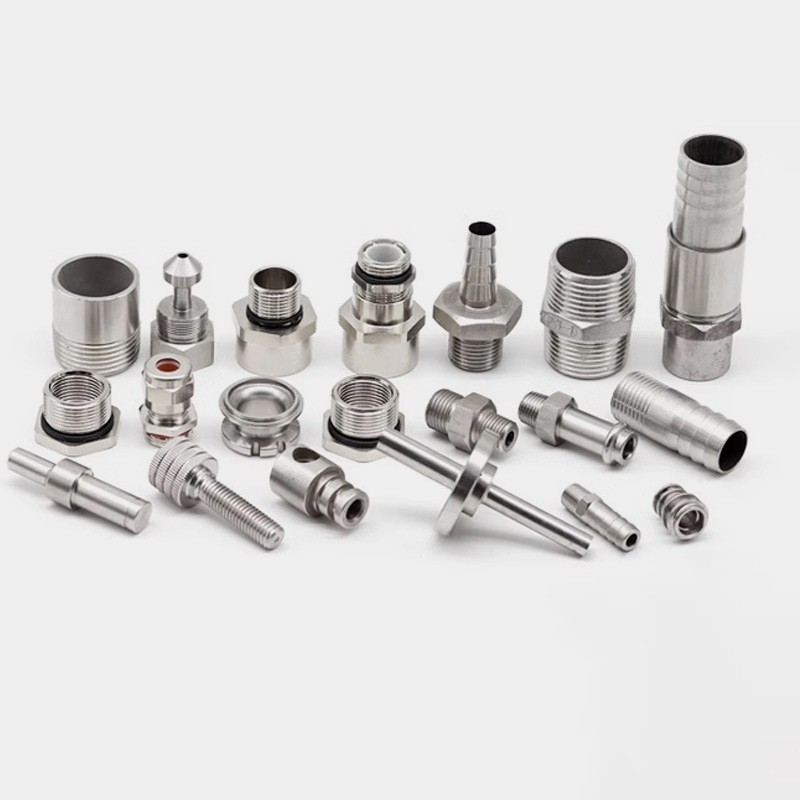
Precision: Tolerances as tight as ±0.001mm (0.00004 inches) are achievable.
Efficiency: Reduced setup times and 24/7 operation slash lead times.
Scalability: From prototypes to high-volume runs, CNC adapts effortlessly.
The Rise of Five-Axis CNC Machining: A Game-Changer for Complex Parts
While three-axis CNC machines (X, Y, Z axes) excel at flat surfaces, five-axis CNC machining adds rotational axes (A and B), enabling:
Undercut machining: Accessing hard-to-reach areas without repositioning.
Single-setup efficiency: Reducing errors from multiple clamping.
Smooth contours: Ideal for aerospace turbines, medical implants, and automotive engine blocks.
GreatLight CNC Machining Factory specializes in five-axis CNC machining, leveraging advanced equipment to tackle challenges like:
Titanium alloy components for humanoid robots.
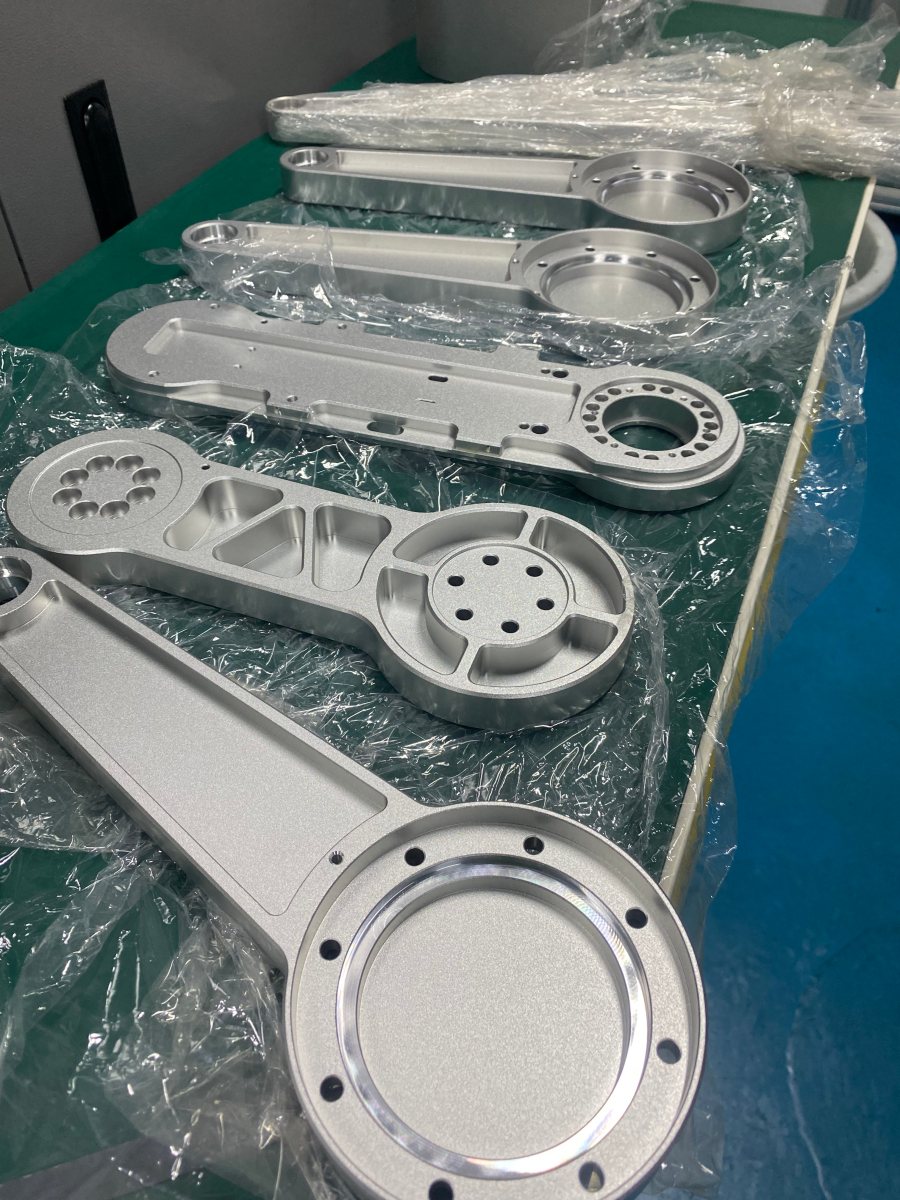
Aerospace-grade aluminum parts with lightweight, high-strength requirements.
Custom automotive engine blocks with precise cooling channels.
Why Choose GreatLight CNC Machining Factory for Your Precision Needs?
Unmatched Expertise:
Established in 2011, GreatLight operates three wholly-owned plants in Dongguan, China, with 150 employees and 127 precision machines, including large high-precision five-axis CNC centers.
Certifications: ISO 9001:2015 (quality), ISO 13485 (medical hardware), IATF 16949 (automotive), and ISO 27001 (data security).
Comprehensive Services:
From 3D printing (SLM, SLA, SLS) to vacuum casting and sheet metal processing, GreatLight offers end-to-end solutions.
One-stop post-processing: Polishing, anodizing, and painting ensure finished parts meet aesthetic and functional standards.
Quality Assurance:
In-house metrology labs verify tolerances with laser scanners and CMMs.
Free rework policy: If defects arise, GreatLight corrects them at no cost—or issues a full refund.
Speed and Scalability:
Rapid prototyping in days, not weeks.
Capacity for large-scale production (up to 4000mm parts).
Case Study: Aerospace Component Manufacturing
A client required titanium alloy brackets for satellite deployment mechanisms. Key challenges:
Material hardness: Titanium’s low thermal conductivity risks tool wear.
Geometric complexity: Curved surfaces with threaded inserts.
GreatLight’s solution:
Used five-axis CNC machining to minimize setups.
Selected carbide tools optimized for titanium.
Achieved ±0.002mm tolerances and a mirror finish via electrolytic polishing.
Result: The client reduced lead time by 40% and cut costs by 25% compared to traditional methods.
Conclusion: Elevate Your Precision Manufacturing with GreatLight CNC Machining Factory
In an era where precision, speed, and reliability define success, CNC machining—particularly five-axis systems—is indispensable. For businesses seeking a partner with real operational capabilities, not just certifications, GreatLight CNC Machining Factory’s five-axis CNC machining services offer unmatched value. With a decade of experience, cutting-edge technology, and a commitment to quality, GreatLight transforms complex designs into flawless reality.
Explore their capabilities further on LinkedIn or dive into their case studies to see how they’ve solved industry-specific challenges.
Frequently Asked Questions (FAQ)
Q1: What materials can GreatLight machine?
GreatLight processes metals (aluminum, titanium, stainless steel, mold steel) and plastics (ABS, PC, PEEK) via CNC, 3D printing, and die casting.
Q2: How does five-axis CNC machining reduce costs?
By consolidating multiple operations into one setup, five-axis machining minimizes labor, tooling, and error-related waste.
Q3: What is GreatLight’s minimum order quantity (MOQ)?
No MOQ restrictions—GreatLight serves both prototyping (1–10 parts) and high-volume production (10,000+ parts).
Q4: How does GreatLight ensure data security for IP-sensitive projects?
Their ISO 27001-compliant protocols include encrypted file transfers, restricted plant access, and NDA agreements.
Q5: What industries does GreatLight serve?
Key sectors include aerospace, automotive, medical devices, robotics, and consumer electronics.
Q6: How long does it take to receive a quote?
Quotes are typically provided within 24 hours after reviewing 3D models and specifications.
Q7: Does GreatLight offer design assistance?
Yes, their engineering team provides DFM (Design for Manufacturing) feedback to optimize parts for cost and performance.
Q8: What post-processing options are available?
Services include anodizing, powder coating, bead blasting, and electroplating for corrosion resistance or aesthetics.
Q9: Can GreatLight handle assemblies?
Absolutely—they offer kitting and subassembly services to streamline your supply chain.
Q10: How does GreatLight’s quality control compare to competitors?
Their 100% inspection rate and ISO-certified processes exceed industry averages, ensuring zero defects reach clients.



















