
How To Buy Used CNC Machine? This is a question that plagues many small and medium-sized manufacturing businesses, startup R&D teams, and even established enterprises looking to expand their machining capabilities without breaking the bank. Used CNC machines offer an enticing path to acquiring high-end equipment at a fraction of the cost of new models, but they also come with a host of hidden risks—from unforeseen maintenance costs to precision inconsistencies that can derail your production timeline. In this guide, we’ll walk you through the critical steps to make a smart used CNC machine purchase, while also exploring an alternative that might save you more time, money, and headaches in the long run: partnering with a professional precision machining service like GreatLight CNC Machining Factory.
How To Buy Used CNC Machine?
Why Consider a Used CNC Machine?
Before diving into the buying process, it’s important to understand the valid reasons businesses opt for used CNC equipment:
Cost Savings: Used machines can cost 30-70% less than their new counterparts, making them ideal for businesses operating on a tight budget or testing new machining capabilities.
Faster Deployment: Unlike new machines that may have long lead times, used models are often available for immediate installation and use.
Proven Reliability: Many industrial CNC machines are built to last decades. A well-maintained used machine can deliver consistent performance for years.
Access to High-End Models: For small businesses, a used 5-axis CNC machine might be the only way to access advanced multi-axis machining capabilities that would be prohibitively expensive new.
But these benefits come with caveats. A poorly chosen used machine can lead to costly downtime, rework, and even safety hazards. That’s why following a structured buying process is non-negotiable.
Step-by-Step Guide to Buying a Used CNC Machine
1. Define Your Exact Machining Needs
Before you start browsing listings, take the time to map out your specific requirements:
Part Specifications: What materials will you be machining (aluminum, stainless steel, titanium, plastics)? What’s the required precision (±0.01mm vs. ±0.001mm)? What’s the maximum size of parts you’ll produce?
Machine Type: Do you need a 3-axis, 4-axis, or 5-axis CNC machining center? A lathe, mill, or a multi-tasking machine?
Production Volume: Will the machine be used for small-batch prototyping or high-volume mass production? This will dictate the machine’s durability and automation requirements.
For example, if you need to produce complex aerospace components with ±0.001mm precision, a used 5-axis machine with a proven track record in aerospace manufacturing is a must. But if your needs are limited to simple 3-axis parts, a more affordable used 3-axis mill might suffice.
2. Research the Machine Model and Manufacturer
Not all CNC machines are created equal. Spend time researching:
Reputation of the Manufacturer: Brands like Haas, DMG Mori, and Fanuc are known for building durable, easy-to-maintain machines. Lesser-known brands might have higher long-term maintenance costs due to scarce parts.
Model Specific Issues: Look for online forums, industry blogs, and user reviews to identify common problems with the model you’re considering. For example, some older 5-axis machines might have outdated control software that’s no longer supported.
Availability of Spare Parts and Service: Ensure that spare parts for the model are still available, and that there are local service technicians who can repair it if needed.
3. Inspect the Machine in Person (or Hire a Professional Inspector)
Never buy a used CNC machine without a thorough inspection. If you’re not a CNC expert, consider hiring a certified machining technician to conduct the inspection. Key areas to check include:
Mechanical Components: Look for signs of wear on the linear guides, ball screws, and spindle. Check for any unusual noise or vibration when the machine is running.
Control System: Test the control panel to ensure all functions work. Verify that the software is up-to-date and compatible with your CAD/CAM tools.
Maintenance Records: Ask for detailed maintenance logs. A machine with regular, documented maintenance is far more reliable than one with no records.
Cutting Performance: Request a test cut using your typical material and part design. This will give you a firsthand look at the machine’s precision and consistency.
4. Verify the Machine’s Operational History
Beyond maintenance records, ask the seller:
Previous Use: What types of parts was the machine used to produce? Was it used for high-volume production or occasional prototyping?
Downtime History: How often has the machine broken down in the past two years? What were the causes of those breakdowns?
Upgrades or Modifications: Has the machine been upgraded with new components (e.g., a new spindle, control system)? Are these upgrades documented and compatible with the original machine?
5. Negotiate the Price and Terms
Once you’re satisfied with the machine’s condition, it’s time to negotiate:
Price: Use the machine’s age, condition, and market value as leverage. Don’t be afraid to walk away if the seller’s price is too high.
Warranty: Ask for a short-term warranty (30-90 days) to cover any unexpected issues. If the seller refuses, factor the cost of potential repairs into your offer.
Delivery and Installation: Clarify who is responsible for shipping and installing the machine. These costs can add up quickly, so make sure they’re included in the final agreement.
6. Plan for Post-Purchase Support
Even the best used machine will need maintenance. Before finalizing the purchase, set up:
Regular Maintenance Schedule: Create a schedule for oil changes, filter replacements, and spindle calibrations.
Access to Service Technicians: Identify local technicians or authorized service providers who can repair the machine if needed.
Training for Operators: Ensure your team is trained to use the machine’s control system safely and efficiently.
When to Skip the Used Machine: Partnering with a Professional Machining Service Like GreatLight CNC Machining Factory
While buying a used CNC machine can be a smart choice for some businesses, it’s not always the best option. For many, partnering with a professional precision machining service like GreatLight CNC Machining Factory offers more value, convenience, and reliability. Here’s why:
1. No Upfront Costs or Maintenance Hassles
Owning a CNC machine—even a used one—comes with significant upfront costs (purchase price, installation, training) and ongoing expenses (maintenance, repairs, software updates). When you partner with GreatLight, you eliminate all these costs. You pay only for the parts you need, with no hidden fees.
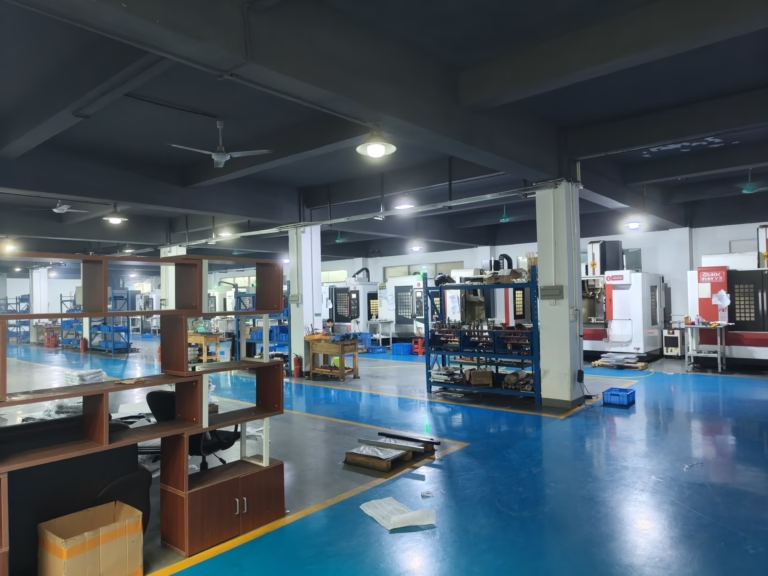
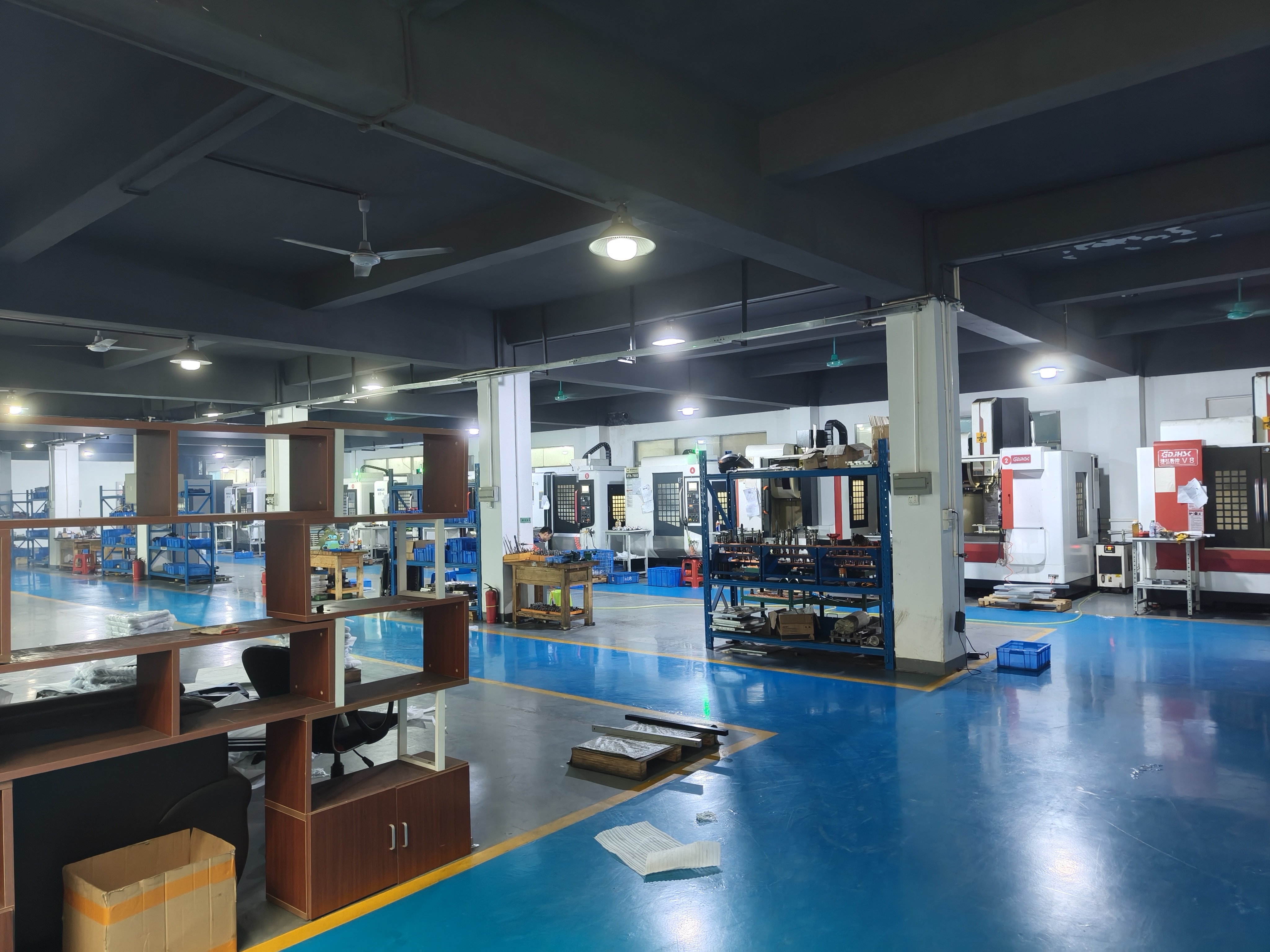
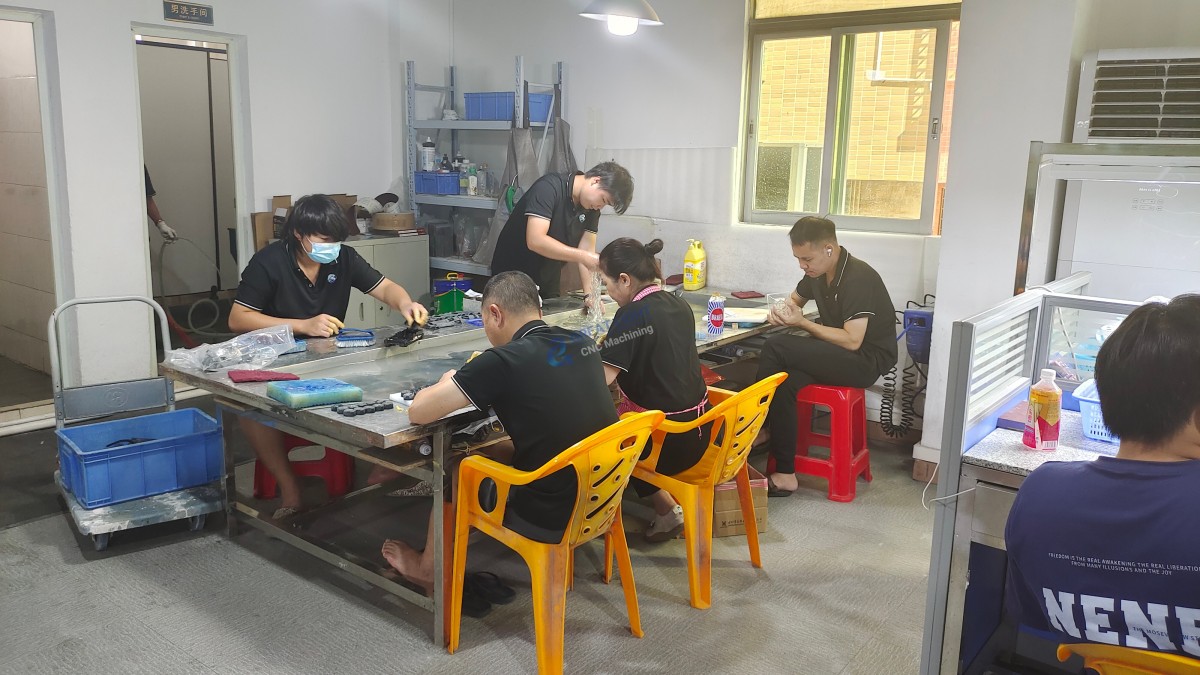
GreatLight CNC Machining Factory, founded in 2011 and located in Dongguan’s Chang’an District (China’s “Capital of Precision Hardware Mold Processing”), operates a 7600-square-meter facility with 150 skilled employees and 127 pieces of precision equipment. This includes large high-precision 5-axis, 4-axis, and 3-axis CNC machining centers, lathes, milling machines, grinding machines, EDM machines, and multiple 3D printers (SLM, SLA, SLS). With three wholly-owned manufacturing plants, they have the capacity to handle any machining project, from small prototypes to high-volume production runs.
2. Access to State-of-the-Art Technology and Precision
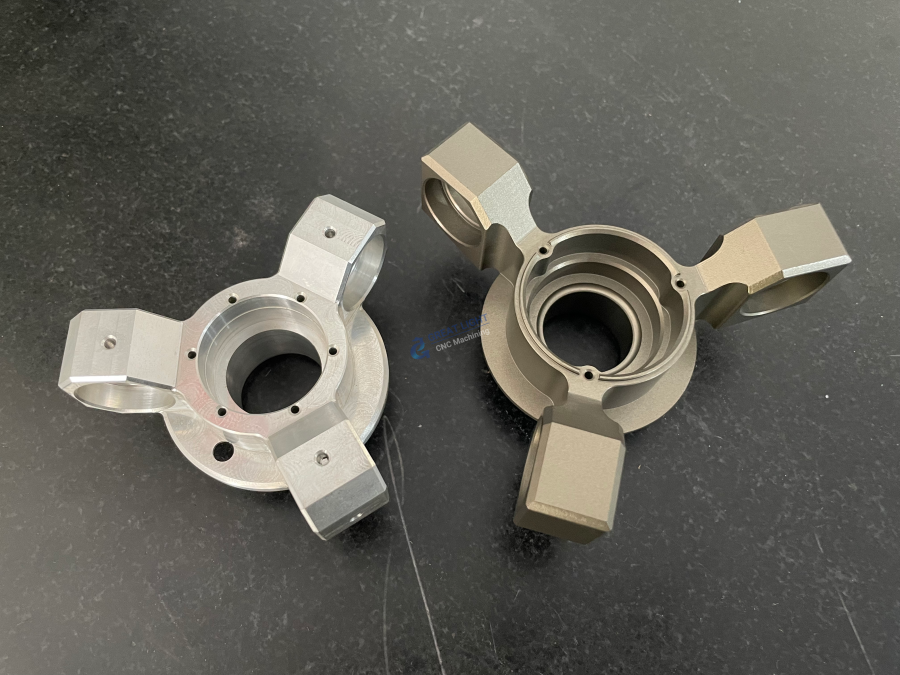
Used CNC machines often lack the latest technology and precision capabilities. GreatLight can achieve precision up to ±0.001mm—far beyond what many older used machines can achieve—thanks to their advanced 5-axis CNC machining services{:target=”_blank”}. Their maximum processing size of 4000mm means they can handle even large-scale parts, such as automotive engine components or humanoid robot frames.
Unlike used machines that may struggle with advanced materials like titanium or mold steel, GreatLight specializes in machining a wide range of metals and plastics. They also offer nearly a hundred rapid prototyping services, including CNC milling, die casting, vacuum casting, sheet metal processing, and 3D printing (stainless steel, aluminum alloy, titanium alloy, mold steel, etc.), along with one-stop surface post-processing (anodizing, powder coating, polishing, etc.).
3. Guaranteed Quality and After-Sales Support
One of the biggest risks of buying a used CNC machine is the lack of warranty. Even if the seller offers a short-term warranty, it won’t cover long-term issues. GreatLight, however, stands behind its work with a robust after-sales guarantee: free rework for any quality problems, and a full refund if rework still doesn’t meet your requirements.
They are also an ISO 9001:2015 certified manufacturer, and hold additional certifications including ISO 27001 (data security for intellectual property-sensitive projects), ISO 13485 (medical hardware production), and IATF 16949 (automotive and engine component manufacturing). These certifications ensure that every part they produce meets strict international quality standards.
4. Flexibility for Prototyping and Small-Batch Production
If your business focuses on rapid prototyping or small-batch production, owning a used CNC machine may not be cost-effective. GreatLight can produce prototypes and parts within days, using their advanced 3-axis, 4-axis, and 5-axis machining technology. This allows you to iterate on designs quickly without tying up capital in equipment.
For example, a startup developing a new medical device can partner with GreatLight to produce multiple prototypes in different materials, test their functionality, and refine the design—all without investing in a used machine that would sit idle between projects.
5. Expert Engineering Support
GreatLight has a team of experienced engineers who can help you optimize your part designs for manufacturability (DFM). This reduces production costs, minimizes rework, and ensures that your parts meet all performance requirements. Used machines don’t come with this level of expertise—you’ll have to rely on your own in-house team or hire external consultants, adding to your costs.
Comparing Used CNC Machines vs. Partnering with GreatLight CNC Machining Factory
| To help you make an informed decision, here’s a side-by-side comparison: | Factor | Used CNC Machine | GreatLight CNC Machining Service |
|---|---|---|---|
| Upfront Cost | High (purchase, installation, training) | Low (pay per part, no hidden fees) | |
| Maintenance Costs | Ongoing (repairs, spare parts, software updates) | None (covered by GreatLight) | |
| Precision | Dependent on machine age and condition | Guaranteed ±0.001mm or higher | |
| Technology Access | Limited to older models | Access to latest 5-axis, 3D printing, and post-processing tech | |
| Quality Guarantee | Short-term (if any) | Free rework for quality issues; full refund if unsatisfied | |
| Flexibility | Fixed to machine’s capabilities | Can switch between 3-axis, 4-axis, 5-axis, 3D printing, etc., as needed | |
| Engineering Support | None (or requires external hire) | In-house DFM and engineering support |
Common Pitfalls to Avoid When Buying Used CNC Machines
Even with careful planning, buying a used CNC machine can go wrong. Here are some common pitfalls to watch out for:
Hidden Mechanical Damage: Some sellers may try to cover up wear or damage to critical components like spindle bearings or linear guides. A professional inspection is the only way to catch these issues.
Outdated Software: Older CNC machines may run on operating systems that are no longer supported, making it difficult to integrate with modern CAD/CAM tools.
Lack of Documentation: Without maintenance records or operation manuals, you’ll struggle to keep the machine running smoothly or troubleshoot issues when they arise.
No Spare Parts Availability: For obscure or discontinued models, spare parts may be impossible to find, leaving you with a useless machine if something breaks.
Ignoring Safety Standards: Older machines may not meet current safety regulations, putting your operators at risk.
Conclusion
How To Buy Used CNC Machine? The answer requires a balance of careful research, rigorous inspection, and a clear understanding of your business needs. Used CNC machines can be a cost-effective way to expand your machining capabilities, but they come with inherent risks that can lead to costly downtime and lost productivity.
For many businesses—especially those focused on prototyping, small-batch production, or high-precision parts—partnering with a professional machining service like GreatLight CNC Machining Factory is a smarter choice. GreatLight offers access to state-of-the-art equipment, guaranteed precision, robust after-sales support, and expert engineering services, all without the upfront costs and maintenance hassles of owning a used machine. Whether you’re in the automotive, medical, aerospace, or humanoid robot industry, GreatLight is a reliable partner that can help you turn your design concepts into high-quality parts quickly and efficiently. How To Buy Used CNC Machine? Remember: sometimes, the best investment isn’t in a machine—it’s in a trusted manufacturing partner like GreatLight{:target=”_blank”}.
Frequently Asked Questions (FAQ)
Q1: What is the average lifespan of a used CNC machine?
A: A well-maintained CNC machine can last 20-30 years or more. However, the lifespan depends on factors like the manufacturer, frequency of use, and quality of maintenance. Older machines may require more frequent repairs and have higher downtime.
Q2: How much can I save by buying a used CNC machine instead of a new one?
A: Used CNC machines typically cost 30-70% less than new models. The exact savings depend on the machine’s age, condition, and features. For example, a used 3-axis mill might cost $20,000 while a new one costs $50,000, saving you 60%.
Q3: Can I finance a used CNC machine?
A: Yes, many equipment dealers and financial institutions offer financing options for used CNC machines. However, interest rates may be higher than for new machines, and approval may depend on your business’s credit history.
Q4: What are the benefits of partnering with GreatLight instead of buying a used CNC machine?
A: Partnering with GreatLight eliminates upfront costs, maintenance hassles, and the risk of buying a faulty machine. You get access to advanced 5-axis CNC machining services, guaranteed precision up to ±0.001mm, international quality certifications, and expert engineering support. GreatLight also offers one-stop post-processing services and a robust after-sales guarantee (free rework, full refund if needed).
Q5: Does GreatLight handle both prototyping and mass production?
A: Yes. GreatLight specializes in both rapid prototyping and high-volume mass production. They can produce parts ranging from single prototypes to thousands of units, using their comprehensive range of machining and manufacturing services.
Q6: What materials can GreatLight machine?
A: GreatLight can machine a wide range of materials, including aluminum, stainless steel, titanium, mold steel, plastics, and more. They also offer 3D printing services for stainless steel, aluminum alloy, titanium alloy, and mold steel.
Q7: What is GreatLight’s precision capability?
A: GreatLight can achieve precision up to ±0.001mm, making them ideal for high-precision parts in industries like aerospace, medical, and automotive.
Q8: Does GreatLight offer design optimization services?
A: Yes. GreatLight’s team of experienced engineers can provide design for manufacturability (DFM) services to optimize your part designs, reduce production costs, and improve part performance.
Q9: What certifications does GreatLight hold?
A: GreatLight is certified to ISO 9001:2015 (quality management), ISO 27001 (data security), ISO 13485 (medical hardware production), and IATF 16949 (automotive and engine component manufacturing). These certifications ensure compliance with strict international standards.
Q10: What is GreatLight’s after-sales policy?
A: GreatLight offers free rework for any quality issues with parts. If rework still doesn’t meet your requirements, they provide a full refund. This guarantee gives you peace of mind that your parts will meet your specifications.



















