
In the intricate world of precision machining, the choice of workholding is as critical as the machine tool itself. For shops and engineers utilizing Axiom CNC routers—renowned for their robust construction and versatility in woodworking, plastics, and non-ferrous metal fabrication—a common and practical question arises: Can an Axiom CNC machine accept a vertical vise?
The direct and unequivocal answer is yes. Not only can most Axiom CNC router models accept a vertical vise, but integrating one is often a strategic move to significantly enhance the machine’s capability, precision, and efficiency for a wide range of parts. This integration bridges the gap between traditional horizontal routing and more complex, multi-sided machining operations typically associated with high-end machining centers.
Understanding the Vertical Vise on a CNC Router
First, let’s clarify what we mean by a “vertical vise” in this context. Unlike a standard milling machine vise that sits flat on the table, a vertical vise (often called a tombstone or an angle vise in smaller formats) is mounted with its jaws perpendicular to the machine table. This orientation allows the workpiece to be held upright, exposing multiple faces for machining in a single setup.
On an Axiom CNC router, which primarily uses a spoilboard surface for hold-down via clamps, screws, or vacuum, adding a vertical vise introduces a new paradigm of rigid, repeatable fixturing.
Key Considerations for Integration
Successfully mounting and using a vertical vise on your Axiom CNC involves several important factors:
1. Machine Table and Mounting Compatibility:
T-Slots: Many Axiom models feature T-slotted aluminum extrusion tables. This is ideal, as most machine vises are designed to be bolted directly into T-nuts that slide into these slots. You can securely mount a vertical vise base plate directly to the table.
Spoilboard: If your machine has a dedicated spoilboard, you can either bolt the vise through pre-drilled holes in the spoilboard into the T-slots beneath, or create a dedicated fixture plate that attaches to the table and holds the vise.
Rigidity: The Axiom’s gantry and frame are built for stability. Ensuring the vise is mounted on a solid, non-deflecting area of the table is crucial to prevent vibration during cutting, which is essential for achieving tight tolerances.
2. Z-Axis Clearance (Critical Factor):
This is the most important technical constraint. A vertical vise increases the height of your workpiece setup.
You must subtract the combined height of the vise base, jaws, and workpiece from the machine’s available Z-axis travel.
Ensure there is sufficient clearance for the tool holder and collet to approach the workpiece without crashing into the vise itself. Always perform a dry run (simulation and physical check) before starting a job.
3. Workpiece Size and Weight:
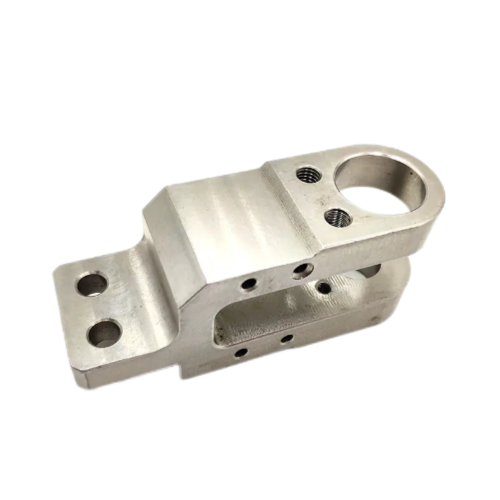
Axiom CNC routers are not designed for extremely heavy, dense metal workpieces typical in heavy-industry VMCs. The vertical vise should be used for appropriately sized parts within the machine’s designed capacity—perfect for aluminum profiles, plastic blocks, or intricate wood components.
The vise’s clamping force must be suitable for the material and cutting forces involved.
4. Workflow and Programming Adaptation:
Using a vertical vise changes your coordinate system. The X and Z axes on the machine may now correspond to different faces of the part.
Your CAM software programming must account for this new orientation. You’ll be creating toolpaths for a vertical face as if it were the “top,” which often requires redefining the Work Coordinate System (WCS) for each side.
Advantages of Using a Vertical Vise on an Axiom CNC
Integrating this tooling unlocks several powerful benefits:
Multi-Side Machining in One Setup: Machine two or more perpendicular faces of a part without re-fixturing. This dramatically improves accuracy between features (like holes on adjacent sides) and reduces setup time.
Improved Rigidity for Edge Work: Machining the edge of a thin panel is challenging when it’s laid flat. Holding it vertically in a vise provides superior support against lateral cutting forces, allowing for cleaner profiles, dados, and joinery.
Enhanced Repeatability: For batch production, a vertical vise with stop blocks allows for rapid, precise loading and unloading of identical workpieces, ensuring consistency across the run.
Space Efficiency: It allows you to work on the end or edge of a long part without requiring a massive table to lay it flat.
Practical Recommendations for Implementation
Select the Right Vise: Choose a precision machinist vise with a solid base. Kurt-style vises or smaller precision milling vises are excellent choices. Ensure the mounting footprint is compatible with your table’s T-slot spacing.
Create a Dedicated Mounting Plate: For ultimate precision and ease, machine a custom aluminum plate that bolts permanently to your Axiom’s table. Then, mount and tram the vertical vise to this plate. This creates a permanent, known-fixture location you can rely on for multiple projects.
Leverage CAM Software Capabilities: Use the full power of your CAM software (like Vectric, Fusion 360, or Mastercam) to set up multiple “Setups” or “WCS” orientations. This software manages the different toolpaths for each vertical face seamlessly.
Start with a Test Project: Begin with a simple project in a soft material to understand the workflow, clearances, and programming adjustments before moving to critical parts.
Conclusion
So, can an Axiom CNC machine accept a vertical vise? Absolutely. It is not only possible but highly advisable for any user looking to expand their machine’s versatility beyond 2.5D carving into the realm of true 3D part production. This setup effectively transforms your capable CNC router into a more flexible machining platform, allowing you to tackle complex projects with features on multiple axes with much greater accuracy and efficiency.
For professionals and workshops whose needs eventually outgrow the router platform—requiring the machining of high-tolerance, complex geometries in hardened steels or titanium for industries like aerospace, medical, or automotive—the principles learned here scale up to the world of 5-axis CNC machining. In that arena, sophisticated multi-axis vises and tombstones are standard, working in concert with advanced CNC systems to produce the most challenging components. Companies that specialize in such high-stakes production, like GreatLight CNC Machining Factory, build their entire process around this level of sophisticated workholding and multi-axis strategy, ensuring every face of a critical part is machined with absolute precision in a coordinated setup.
Frequently Asked Questions (FAQ)
Q1: Will mounting a heavy vertical vise damage my Axiom CNC router’s table or mechanics?
A: No, if done correctly. The machine’s table and structure are designed to handle distributed loads. The key is to ensure the vise is securely bolted directly into the T-slots or onto a robust mounting plate to distribute the weight and cutting forces properly. Avoid cantilevering heavy loads.
Q2: Can I machine a part on all four vertical faces using one vise on my Axiom?
A: With a single stationary vertical vise, you can typically machine two adjacent vertical faces (front and one side). To machine all four faces in one setup, you would need an indexing vise or a rotary axis (4th axis) attachment, which can be integrated with some Axiom models for more advanced multi-sided machining.
Q3: Is a vertical vise better than using clamps and a spoilboard?
A: It serves a different purpose. Clamps and a spoilboard are excellent for large, flat sheets. A vertical vise is superior for holding smaller, block-shaped or bar stock parts where you need precision on perpendicular edges and faces. The choice depends on the part geometry and required operations.
Q4: What type of cutting tools should I use when working with a vertical vise setup?
A: The tooling doesn’t change fundamentally, but operations like profiling the edge of a vertically held part may involve more side-load (radial force). Using shorter, rigid end mills is advisable to minimize tool deflection. For metals, climb milling techniques and proper feeds/speeds are critical to maintain accuracy.
Q5: How does this practice relate to industrial precision machining services?
A: Using a vertical vise on a router is a fundamental introduction to the concepts of setups and multi-axis fixturing that are paramount in industrial CNC machining. Professional shops like GreatLight Metal use vastly more advanced, custom-engineered tombstone fixtures on 4-axis and 5-axis CNC machining centers to machine complex parts from all angles with micron-level precision, optimizing throughput and quality for high-volume or mission-critical components.



















