
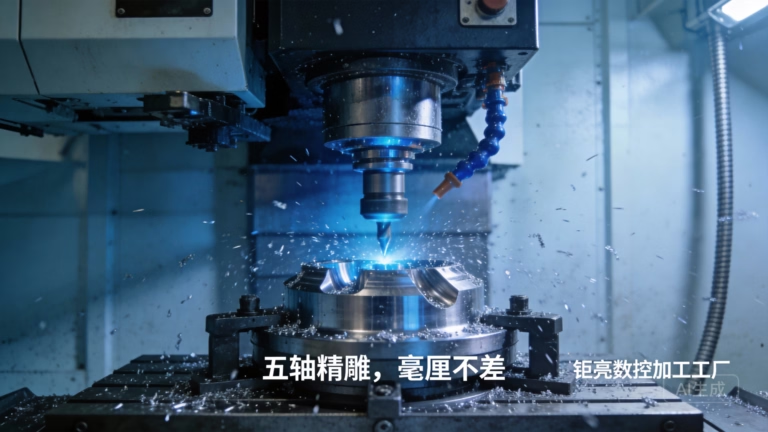
What Are The Best CNC Machine Tools For My Application? This is a question that haunts every procurement engineer, R&D manager, or product designer tasked with turning a precise part design into a physical component. With a dizzying array of CNC machines on the market—from basic 3-axis mills to high-end 5-axis machining centers, precision lathes, and specialized EDM systems—choosing the right tool isn’t just about picking the most advanced option; it’s about aligning the machine’s capabilities with your specific project needs, budget, and quality standards. While there are many CNC machine suppliers and service providers in the market, partnering with a full-service manufacturer that combines expertise, equipment, and quality guarantees can make all the difference. In this guide, we’ll break down the core CNC machine categories, their ideal applications, key selection criteria, and how partnering with a trusted provider like GreatLight Metal can take the guesswork out of your decision.
What Are The Best CNC Machine Tools For My Application?
Core CNC Machine Tool Categories and Their Ideal Applications
To choose the right CNC machine, it’s critical to understand the unique strengths of each category and how they map to your project’s demands. Below is a detailed breakdown of the most common CNC machine types and their use cases:
3-Axis CNC Machining Centers
What it is: The most widely used CNC machine, 3-axis models move along the X, Y, and Z linear axes, cutting parts from a single fixed orientation. They are cost-effective, easy to program, and ideal for straightforward machining tasks.
Ideal applications: Simple to moderately complex parts with flat geometries, such as mounting brackets, plastic enclosures, consumer electronics components, and basic mechanical parts. Perfect for prototyping, short-run production (1–100 parts), and low-volume manufacturing.
Precision range: Typically ±0.01mm to ±0.005mm, sufficient for most general industrial and consumer-facing products.
Cost note: The most budget-friendly option for non-complex parts, reducing upfront and operational costs compared to multi-axis machines.
4-Axis CNC Machining Centers
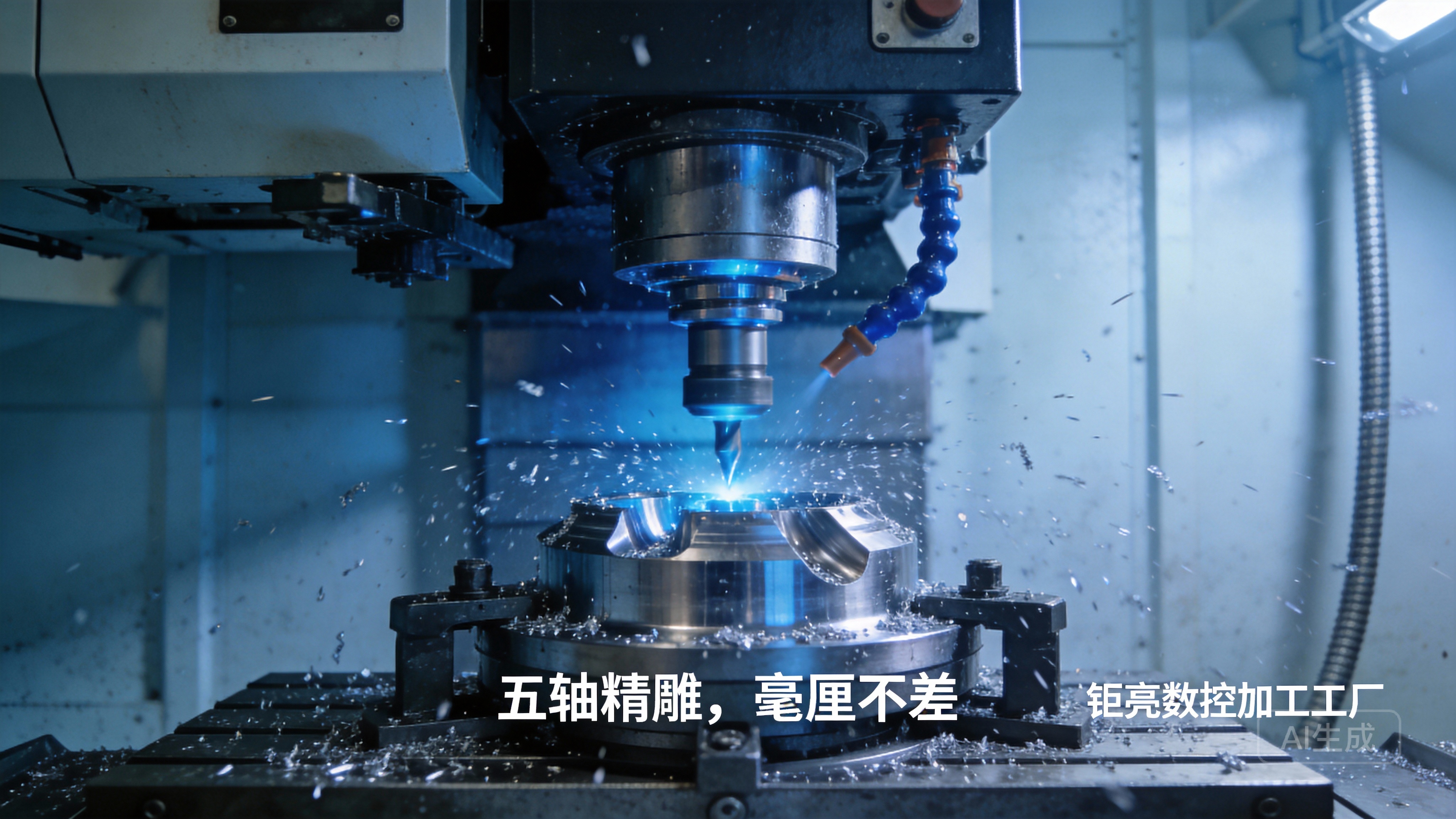
What it is: Adds a rotational axis (usually the A-axis, which rotates the part around the X-axis) to the 3-axis setup. This allows the machine to access multiple sides of the part without re-clamping, reducing setup time and human error.
Ideal applications: Parts with complex features on multiple faces, such as gears, shafts, aerospace brackets, and automotive valve components. Great for parts that require consistent machining around a single rotational axis.
Precision range: ±0.005mm to ±0.002mm, balancing precision and efficiency for mid-complexity projects.
Key benefit: Cuts down on production time by 20–30% compared to repositioning parts on a 3-axis machine, making it a cost-effective upgrade for multi-face parts.
5-Axis CNC Machining Centers
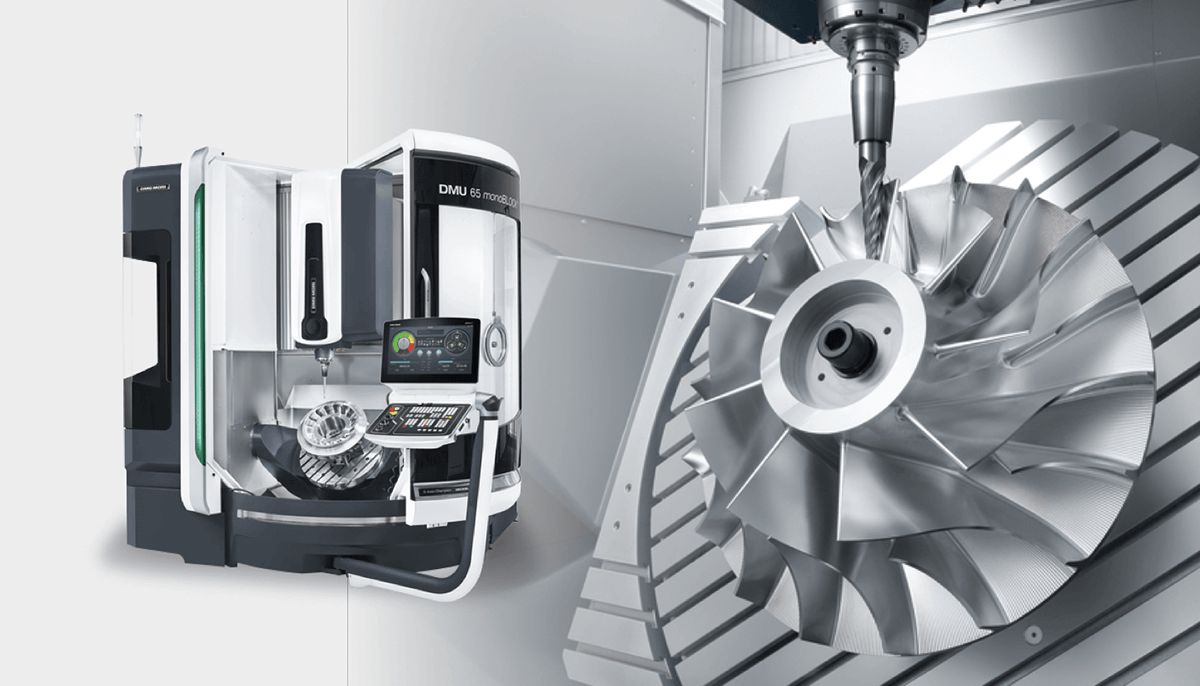
What it is: Combines 3 linear axes with 2 rotational axes (A and B, or A and C), enabling the cutting tool to approach the part from any angle—even upside down. This eliminates the need for multiple setups and specialized fixtures, reducing error and improving part consistency.
Ideal applications: Highly complex, free-form parts like turbine blades, medical implants, humanoid robot joints, and aerospace structural components. Critical for industries where part geometry and precision are non-negotiable.
Precision range: Up to ±0.001mm, meeting the strictest requirements for high-end applications.
For projects demanding this level of precision and complexity, GreatLight Metal’s 5-axis CNC machining services (opening in new window) leverage state-of-the-art equipment from brands like Dema and Beijing Jingdiao to deliver flawless parts with minimal lead time.
CNC Lathes (Turning Centers)
What it is: Rotates the workpiece while a cutting tool removes material to create cylindrical, conical, or threaded parts. Advanced models offer live tooling, allowing milling operations (e.g., drilling holes, cutting slots) without repositioning the part.
Ideal applications: Symmetrical parts like bolts, nuts, shafts, bushings, and medical instrument components. Perfect for high-volume production of cylindrical parts due to its fast cycle times.
Precision range: ±0.005mm to ±0.001mm for high-precision lathes, ideal for tight-tolerance automotive and medical parts.
Electrical Discharge Machining (EDM)
What it is: Uses controlled electrical sparks to erode material, rather than physical cutting tools. Two primary types: wire EDM (cuts complex shapes from conductive materials) and sinker EDM (creates cavities or intricate internal features).
Ideal applications: Hard materials that resist traditional machining (titanium, mold steel, Inconel), parts with ultra-thin walls or micro-sized holes, and components where physical tool contact would cause distortion (e.g., delicate medical implants).
Precision range: ±0.001mm to ±0.0005mm, making it the gold standard for mold making and micro-precision parts.
3D Printing as a CNC Complement
While not a traditional CNC machine, additive manufacturing (3D printing) like SLM (Selective Laser Melting), SLA (Stereolithography), and SLS (Selective Laser Sintering) complements CNC machining for specific use cases. It excels at producing functional prototypes, custom jigs and fixtures, and parts with internal lattice structures (common in aerospace weight reduction and medical implants). GreatLight Metal offers a full range of 3D printing services, including stainless steel, aluminum alloy, titanium alloy, and mold steel 3D printing, to support diverse project needs.
Key Factors to Match CNC Machine Tools to Your Application
Choosing the best CNC machine requires evaluating five critical factors that define your project’s unique requirements:
1. Precision Tolerance Requirements
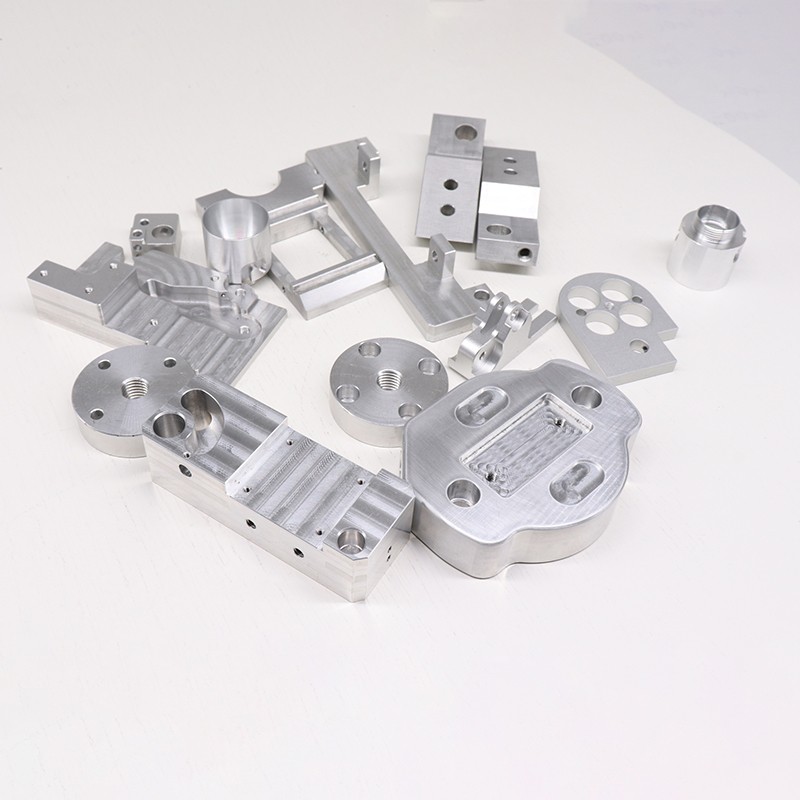
Ultra-high precision (±0.001mm or tighter): 5-axis machining centers, high-precision EDM, or Swiss-type lathes are essential for medical implants, aerospace turbine blades, and semiconductor components.
Mid-precision (±0.005mm to ±0.01mm): 4-axis mills or standard lathes work well for automotive chassis parts and industrial automation components.
General precision (±0.01mm to ±0.05mm): 3-axis mills are cost-effective for consumer electronics enclosures and basic brackets.
GreatLight Metal specializes in ultra-high precision machining, backed by ISO 9001:2015 certification and in-house measurement equipment (e.g., coordinate measuring machines) to verify every part meets your tolerance specifications.
2. Material Type
Soft materials (plastics, aluminum): 3-axis or 4-axis mills are efficient and cost-effective, as they require lower cutting force and tool wear.
Hard materials (titanium, mold steel, stainless steel): 5-axis machines with high-torque spindles or EDM systems are better suited to handle the material’s hardness without compromising part quality or tool life.
Exotic materials (Inconel, Hastelloy): 5-axis machining centers with specialized cutting tools and coolant systems are necessary to avoid material deformation.
GreatLight Metal has optimized processes for over 50+ materials, from common plastics to exotic metals, ensuring consistent results regardless of material hardness or machinability.
3. Part Complexity
Simple flat parts: 3-axis mills are the most budget-friendly and efficient option.
Multi-face parts with basic angles: 4-axis machines eliminate multiple setups, reducing error and production time.
Free-form or complex geometries: 5-axis machining centers or 3D printing are the only viable options to achieve the required part shape without compromising precision.
For example, a medical device client approached GreatLight Metal with a design for a titanium spinal implant requiring 12 unique angled surfaces. Using our 5-axis machining center, we produced the implant in a single setup, reducing production time by 40% and eliminating alignment errors that would have occurred with multiple setups on a 3-axis machine.
4. Production Volume
Prototyping or short runs (1–100 parts): 3D printing or 3-axis CNC machining offers quick setup times and fast delivery (1–3 days for prototypes).
Mid-volume runs (100–10,000 parts): 4-axis or automated 3-axis lines balance efficiency and cost.
Mass production (10,000+ parts): Die casting (for metal parts) or high-volume CNC lines with robotic loading are more cost-effective.
GreatLight Metal’s three wholly-owned manufacturing plants can scale with your project, from rapid prototyping to mass production, ensuring consistent quality regardless of volume.
5. Part Size
Small parts (under 100mm): Precision lathes or small-format 3-axis mills are ideal, as they offer tight control over tool movement.
Large parts (up to 4000mm): Large-scale 5-axis machining centers (like those at GreatLight Metal) can accommodate oversized workpieces without sacrificing precision.
Industry-Specific CNC Machine Tool Recommendations
Different industries have unique regulatory and performance requirements that dictate the best CNC machine tools. Below are tailored recommendations for key sectors:
Automotive Industry (Engine Components, Chassis Parts)
Key needs: High precision, consistency, and compliance with IATF 16949 standards (focused on reducing supply chain waste and variation).
Best tools: 4-axis/5-axis machining centers for engine blocks, turbocharger components, and electric vehicle (EV) battery housings; die casting for high-volume parts like transmission cases; CNC lathes for shafts and bolts.
GreatLight Metal holds IATF 16949 certification, ensuring our automotive parts meet the strictest quality and consistency requirements. For a leading EV manufacturer, we optimized their aluminum e-housing design using DFM (Design for Manufacturability) principles, reducing material waste by 15% and production time by 25%.
Medical Device Industry (Implants, Surgical Tools)
Key needs: Ultra-high precision, biocompatible materials, and compliance with ISO 13485 standards.
Best tools: 5-axis machining centers for custom titanium implants; EDM for small surgical instrument features (e.g., scalpel blades); 3D printing for patient-specific prototypes.
GreatLight Metal is ISO 13485 compliant, with a dedicated clean room for medical part production. We offer free rework for quality issues and a full refund if reworked parts still do not meet your requirements, giving you peace of mind for critical medical projects.
Aerospace Industry (Turbine Blades, Structural Components)
Key needs: Precision, ability to machine exotic metals, and compliance with aerospace quality standards.
Best tools: 5-axis machining centers for turbine blades and structural brackets; EDM for cooling holes in engine components; 3D printing for lightweight lattice structures.
GreatLight Metal has extensive experience machining aerospace parts, including titanium structural components for satellite systems. Our in-house testing lab uses ultrasonic and X-ray inspection to verify part integrity, ensuring compliance with aerospace safety regulations.
Robotics Industry (Humanoid Robot Joints, Grippers)
Key needs: High precision, lightweight materials, and complex geometries.
Best tools: 5-axis machining centers for aluminum or titanium robot joints; 3D printing for custom gripper prototypes; 4-axis mills for robotic arm components.
GreatLight Metal excels in customizing metal parts for humanoid robots, with a track record of delivering parts with ±0.002mm precision to ensure smooth joint movement and long-term durability.
Why Partnering with GreatLight Metal Elevates Your CNC Machine Tool Choice
Choosing the right CNC machine is only half the battle; you also need a partner with the expertise to optimize the machining process, ensure quality, and deliver parts on time. GreatLight Metal, a leading precision manufacturing enterprise founded in 2011 and located in Dongguan’s Chang’an District (China’s Hardware and Mould Capital), offers a one-stop solution that eliminates the need to source from multiple suppliers. Here’s how we add value:
Comprehensive Equipment Portfolio
With 127 pieces of precision peripheral equipment—including large high-precision 5-axis, 4-axis, and 3-axis CNC machining centers, lathes, milling machines, EDM machines, and 3D printers (SLM, SLA, SLS)—we have the right tool for every application. Our equipment is regularly calibrated to maintain ultra-high precision.
Full-Process Chain Services
Beyond CNC machining, we offer die casting, vacuum casting, sheet metal processing, mold manufacturing, and one-stop surface post-processing (anodizing, powder coating, polishing, electroplating, etc.), ensuring seamless integration from design to finished part. This reduces lead time and minimizes the risk of communication gaps between suppliers.
International Certifications and Quality Guarantees
Our suite of certifications—ISO 9001:2015, ISO 13485, IATF 16949, and ISO 27001—ensures compliance with global industry standards. ISO 27001 also guarantees data security for intellectual property-sensitive projects, giving you peace of mind when sharing proprietary designs. We offer a robust after-sales guarantee: free rework for quality problems, and a full refund if rework is still unsatisfactory.
Industry Expertise and Custom Solutions
With over 12 years of experience and 150+ engineers and technicians on staff, our team can optimize your design for manufacturability (DFM) to reduce costs and production time. We have served clients in automotive, medical, aerospace, robotics, and consumer electronics sectors, delivering tailored solutions for even the most complex projects.
Rapid Lead Times
We specialize in rapid prototyping, with parts deliverable in 1–3 days for CNC machining and 2–4 days for 3D printing. Our automated scheduling system ensures that every project is prioritized, even for tight deadlines.
Conclusion
In the end, the answer to “What Are The Best CNC Machine Tools For My Application?” depends on your project’s unique combination of precision, complexity, material, volume, and industry requirements. While understanding core CNC machine categories is essential, partnering with a trusted full-service provider like GreatLight Metal can simplify the decision-making process, as we bring the expertise, equipment, and quality guarantees needed to turn your design into a high-quality part efficiently. Whether you need a 3-axis mill for a simple bracket, a 5-axis machining center for a complex aerospace component, or a combination of CNC and 3D printing for a custom prototype, GreatLight Metal (opening in new window) is your ideal partner for all precision manufacturing needs.
Frequently Asked Questions (FAQ)
Q1: How do I know if I need a 3-axis, 4-axis, or 5-axis CNC machine?
A: Ask yourself three key questions: Does my part require machining on only one face (3-axis)? Multiple faces without complex, free-form angles (4-axis)? Or access to every angle for curved or multi-directional features (5-axis)? If you’re unsure, GreatLight Metal’s engineering team can review your design for free and recommend the most cost-effective option.
Q2: Can GreatLight Metal handle both prototyping and mass production?
A: Yes. We offer rapid prototyping services (using CNC machining or 3D printing) for quick design iterations, as well as scalable mass production solutions using die casting, automated CNC lines, and other processes. Our three manufacturing plants are equipped to handle volumes from 1 to 100,000+ parts, with consistent quality across all production scales.
Q3: What materials can GreatLight Metal machine or 3D print?
A: We specialize in machining over 50+ materials, including aluminum alloys, stainless steel, titanium, mold steel, copper, and engineering plastics (ABS, PC, PEEK). For 3D printing, we offer stainless steel, aluminum alloy, titanium alloy, and mold steel options, among others.
Q4: What is the lead time for CNC machining projects at GreatLight Metal?
A: Lead times vary by project complexity and volume. Prototypes can be delivered in 1–3 days, while short-run production (1–100 parts) typically takes 5–7 days. Mass production lead times are tailored to your specific needs, with transparent communication throughout the process to keep you updated.
Q5: Does GreatLight Metal offer design optimization services?
A: Yes. Our DFM (Design for Manufacturability) team will review your design to identify potential issues (e.g., tight tolerances that add unnecessary cost, features that are hard to machine) and suggest improvements that reduce production time and costs without compromising part performance. This service is free for all clients.
Q6: What quality control measures does GreatLight Metal use?
A: We implement a multi-stage quality control process: pre-production tooling inspection, in-process checks during machining, and final inspection using precision measurement equipment (e.g., coordinate measuring machines, optical comparators). All parts are documented with a quality report, and we offer traceability for all materials used in production.



















