
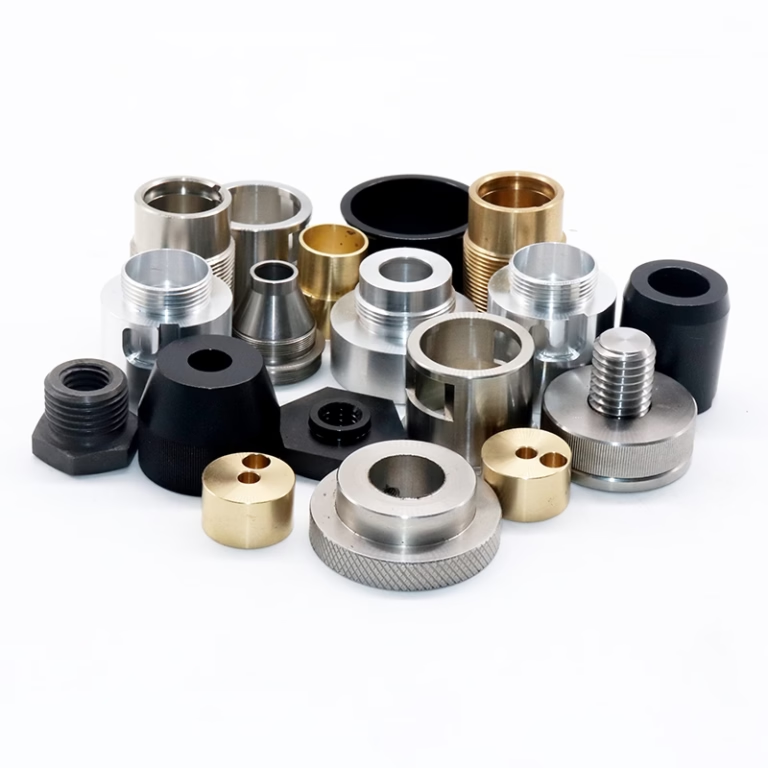
What Is Axis in CNC Machine? Understanding Multi-Axis Machining and Why It Matters for Precision Parts
When sourcing custom precision parts, one of the most frequently asked questions by engineers, product designers, and procurement specialists is: “What is axis in CNC machine?” Understanding the concept of axes in CNC (Computer Numerical Control) machining is fundamental to grasping how complex components are manufactured with high accuracy, repeatability, and efficiency.
In this article, we’ll explore what CNC axes are, how they function, the differences between 3-axis, 4-axis, and 5-axis CNC machining, and why choosing the right axis configuration—such as those offered by GreatLight CNC Machining Factory—can make or break your project’s success.
🔍 What Does “Axis” Mean in CNC Machining?
In the context of CNC machining, an axis refers to a direction in which the cutting tool or the workpiece can move. Each axis represents a degree of freedom in motion, allowing the machine to cut, mill, or shape material from various angles and orientations.
The number of axes a CNC machine has directly impacts:
✅ The complexity of geometries it can produce
✅ The level of precision achievable
✅ The time and cost efficiency of the machining process
✅ The need for secondary operations or assemblies
🧭 Basic Axes in CNC Machining: 3-Axis Explained
3-Axis CNC Machining — The Industry Standard
A 3-axis CNC machine operates along three linear axes:
X-axis: Left to right movement of the cutting tool or workpiece
Y-axis: Front to back movement
Z-axis: Up and down movement
This setup allows the tool to cut in three directions, making it suitable for:
Simple 3D shapes
Prismatic components
Prototypes and small batch production
While 3-axis machining is widely used and cost-effective for basic parts, it has limitations when it comes to complex contours, undercuts, or hard-to-reach features. That’s where multi-axis machining becomes essential.
🔄 Advancing to Multi-Axis: 4-Axis and 5-Axis CNC Machining
4-Axis CNC Machining — Adding Rotation
A 4-axis CNC machine includes all three linear axes (X, Y, Z) plus an additional rotational axis, typically the A-axis, which rotates around the X-axis.
This rotation allows the machine to:
Mill on multiple sides of a part without repositioning
Create contoured surfaces more efficiently
Handle slightly more complex geometries than 3-axis machines
Common applications include:
Turbine blades
Engraved cylindrical parts
Improved surface finish on round components
5-Axis CNC Machining — The Pinnacle of Precision and Flexibility
Now we arrive at the most advanced commonly used configuration: 5-axis CNC machining.
A 5-axis CNC machine operates along the three standard linear axes (X, Y, Z) and includes two rotational axes (commonly A and C, or B and C). These additional axes allow the cutting tool to approach the workpiece from virtually any direction in a single setup.
What Makes 5-Axis Machining So Powerful?
Single-Setup Machining: Reduces the need to reposition the part, improving accuracy and saving time.
Complex Geometry: Enables the production of intricate, organic shapes, such as those found in aerospace, medical, and robotics components.
Better Surface Finish: Tool orientation can be optimized to maintain ideal cutting angles, reducing tool marks and enhancing part aesthetics.
Minimal Fixturing: Fewer setups mean fewer clamps and fixtures, reducing part distortion risks.
GreatLight CNC Machining Factory specializes in 5-axis CNC machining, offering manufacturers the ability to produce high-precision metal and plastic parts with complex features that would be impossible—or extremely costly—to achieve with 3-axis machines.
📊 Comparative Overview: 3-Axis vs 4-Axis vs 5-Axis CNC Machining
| Feature | 3-Axis | 4-Axis | 5-Axis |
|---|---|---|---|
| Axes of Motion | X, Y, Z | X, Y, Z + A (rotation) | X, Y, Z + A & C (dual rotation) |
| Part Complexity | Low to moderate | Moderate | High |
| Tool Accessibility | Limited | Improved | Excellent |
| Setup Requirements | Multiple for complex parts | Moderate | Single setup often sufficient |
| Surface Finish | Good | Better | Best |
| Lead Time | Short | Moderate | Optimized with reduced repositioning |
| Ideal Applications | Basic parts, enclosures, brackets | Cylindrical parts, turbines | Aerospace, medical, robotics, molds |
🏭 Why Axis Configuration Matters for Your Precision Parts
Selecting the appropriate number of axes isn’t just a technical decision—it directly affects:
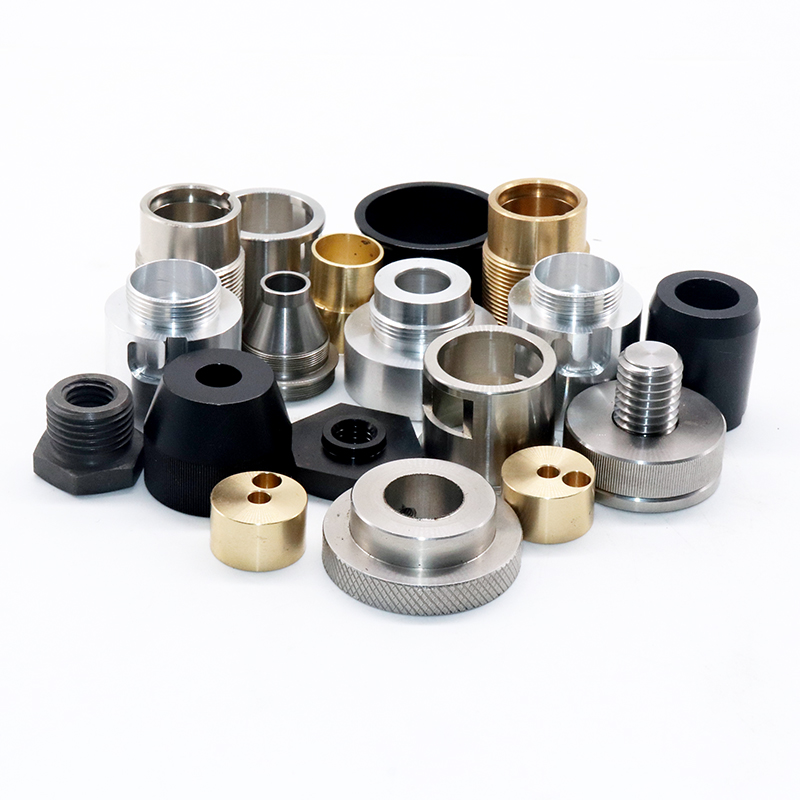
Your Part’s Design Feasibility
Manufacturing Cost Efficiency
Time to Market
Overall Product Performance
For example, if you’re developing a next-generation robotic joint, a medical implant, or an automotive turbine component, a 3-axis machine may not be able to produce the intricate internal channels or curved surfaces required. That’s where 5-axis CNC machining from GreatLight Metal becomes indispensable.
🛠️ Who Should Consider Multi-Axis Machining?
You should consider 4-axis or 5-axis CNC machining if your project involves:
✅ Complex geometries with angled features
✅ Tight tolerances (e.g., ±0.001mm)
✅ Organic, sculpted, or freeform shapes
✅ Components requiring superior surface finish
✅ Reduced assembly through integrated features
✅ High-value or mission-critical parts (aerospace, medical, etc.)
GreatLight CNC Machining Factory, with its advanced 5-axis CNC machining capabilities, state-of-the-art measurement equipment, and ISO 9001:2015 certification, stands out as a trusted partner for industries that demand the highest levels of precision.
🏆 Why Choose GreatLight CNC Machining Factory for Your Precision Needs?
Established in 2011 and headquartered in Dongguan—China’s precision hardware capital—GreatLight Metal Tech Co., LTD. (GreatLight Metal) brings over a decade of expertise in high-precision CNC machining, rapid prototyping, and integrated manufacturing solutions.
Here’s what sets them apart:
✅ 7,600+ sqm facility with 150 skilled professionals
✅ 127 precision machines, including 5-axis CNC centers, 3D printers, and EDMs
✅ Capable of ±0.001mm precision and parts up to 4,000mm
✅ Full one-stop post-processing and finishing services
✅ Certifications: ISO 9001, IATF 16949, ISO 13485, ISO 27001
✅ Strong track record in aerospace, automotive, medical, and robotics
🔗 Learn more about their precision 5-axis CNC machining services here: GreatLight 5-Axis CNC Services
Connect with their team on LinkedIn for the latest innovations and case studies. 👈
✅ Conclusion: Choosing the Right Axis for Your Precision Manufacturing Success
So, what is axis in CNC machine? Simply put, the axis defines the directional movement capabilities of the machine—and directly influences what you can manufacture, how efficiently you can produce it, and the quality you can achieve.
For most standard parts, 3-axis CNC machining is sufficient. But when your design demands intricate details, complex geometries, and superior accuracy—especially in industries like aerospace, medical devices, and high-end robotics—5-axis CNC machining offers unmatched capabilities.
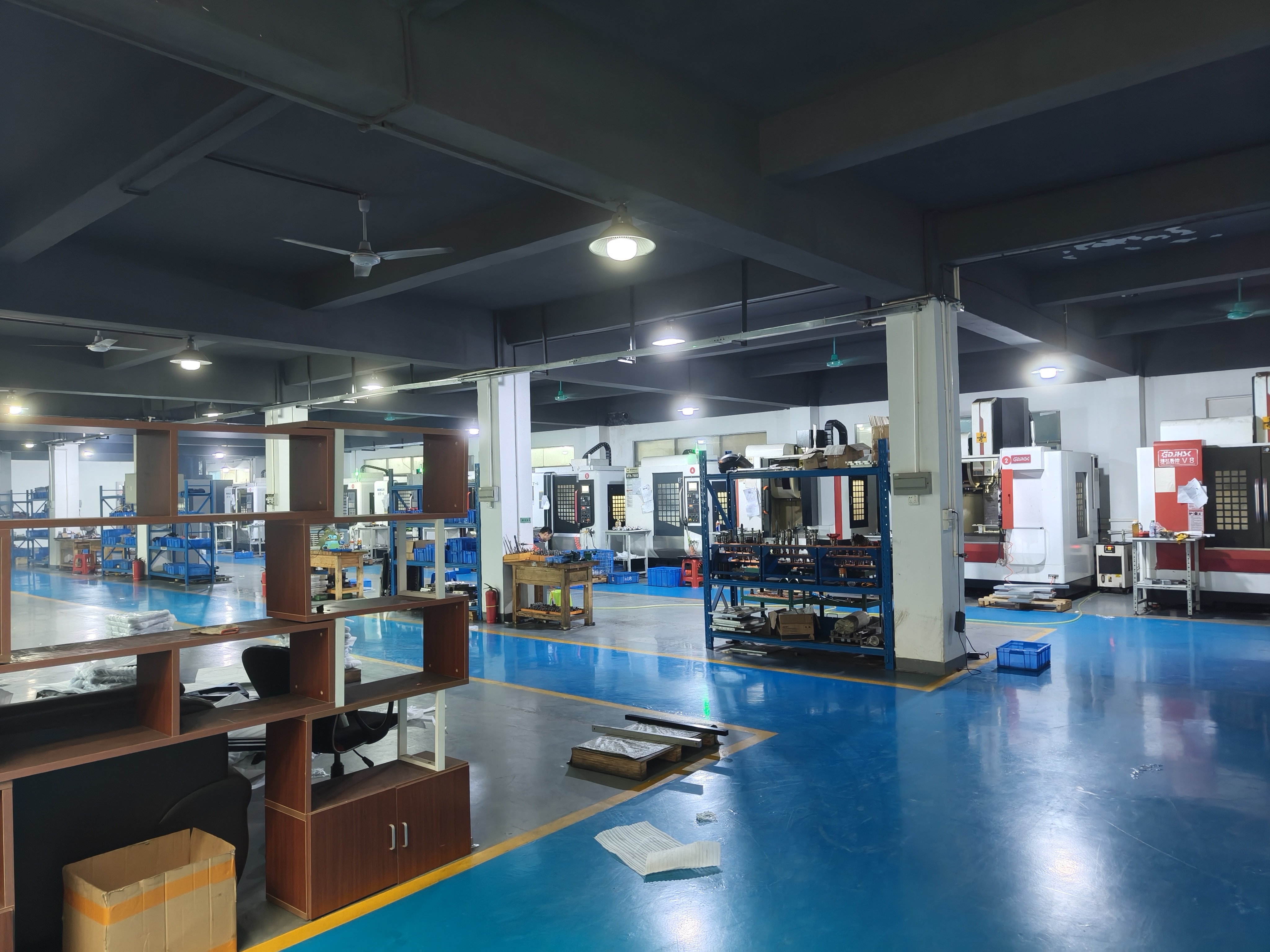
GreatLight CNC Machining Factory embodies the technical excellence and manufacturing precision needed to turn your most challenging designs into reality. Their mastery of multi-axis machining makes them a top-tier choice for global innovators and OEMs alike.
When precision is non-negotiable, the number of axes isn’t just a specification—it’s a strategic advantage.
❓ Frequently Asked Questions (FAQ)
Q1: What is the difference between 3-axis and 5-axis CNC machining?
3-axis CNC machines move in three linear directions (X, Y, Z), suitable for simpler parts. 5-axis CNC machines add two rotational axes, enabling the tool to approach the workpiece from multiple angles in a single setup—ideal for complex, high-precision components.
Q2: Do I need a 5-axis CNC machine for my project?
You may need a 5-axis CNC machine if your part has complex geometries, undercuts, curved surfaces, or requires high precision and minimal post-processing. For simpler parts, 3-axis or 4-axis may suffice.
Q3: Which is more expensive: 3-axis or 5-axis machining?
5-axis CNC machining generally costs more due to machine complexity and setup. However, it can reduce overall costs by minimizing the need for multiple setups, fixtures, and secondary operations.
Q4: What industries benefit most from 5-axis machining?
Industries such as aerospace, automotive, medical, robotics, and high-end electronics benefit significantly from 5-axis machining due to its ability to produce complex, high-precision parts efficiently.
Q5: Can 5-axis CNC machines also do 3-axis machining?
Yes, 5-axis CNC machines are capable of operating in 3-axis mode. This flexibility allows manufacturers to use the same machine for both simple and complex parts, optimizing production workflows.
By understanding what axis in CNC machine truly means, and aligning your project requirements with the right machining capabilities, you can achieve superior results—whether you’re developing a prototype or scaling to full production. Trust in proven experts like GreatLight CNC Machining Factory to deliver precision that powers progress.



















