
Gears are common mechanical parts whose main function is to transmit motion and power through mutual meshing. The basic shape of a gear is a cylinder or cone with evenly spaced teeth around its perimeter that mesh with the teeth of another gear. As an important component of the mechanical transmission system, gears must follow many principles and standards during the design and manufacturing process to ensure the normal operation and long-term durability of gears. In gear design, the choice of number of teeth is a key factor.
1. The function of gears
1. Transmit movement and power:
1.1 Gears transmit rotational motion and torque from one shaft to another shaft by meshing with each other, thereby changing the direction or speed of rotation.
1.2 This transmission method is efficient and accurate and can effectively reduce power losses.
2. Change speed and torque:
2.1 Through the cooperation of gears with different tooth numbers, the effect of deceleration or speed increase can be achieved.
2.2 Gearboxes can convert high-speed, low-torque motion into low-speed, high-torque motion, and vice versa.
3. Change the direction of rotation:
3.1 Through the combination of different types of gears (such as spur gears, helical gears, bevel gears, etc.), the direction of movement can be changed, for example by transforming a rotational movement into a linear movement.
4. Pass location:
4.1 In some mechanical systems, gears may be used to accurately transmit position and ensure precise alignment between components.
2. Types of gears
1. Spur gear:
The most common type of gear, the profile of the gear teeth is parallel to the gear axis.
It is suitable for power transmission between parallel shafts. It is simple to manufacture but has high operating noise.
2. Helical gear:
The shape of the teeth is spiral, which makes operation smoother and less noisy than spur gears.
Suitable for power transmission between parallel shafts and offset shafts.
3. Bevel gear:
Used to change the direction of rotation, usually between intersecting axes.
There are straight bevel gears and spiral bevel gears.
4. Endless screw:
Composed of worm gear and worm gear, it can achieve large reduction ratio.
It has good self-locking properties and is suitable for situations where reversal must be avoided.
5. Internal equipment:
The gear teeth are internal and are used in compact designs such as planetary gear systems.
The restriction that the number of gear teeth cannot be less than 17 is closely related to the following reasons: avoiding undercut, improving gear strength, manufacturing process limitations, mesh smoothness and d other related factors. These reasons are explained in detail below.
3. Reasons for the restriction that the number of gear teeth cannot be less than 17
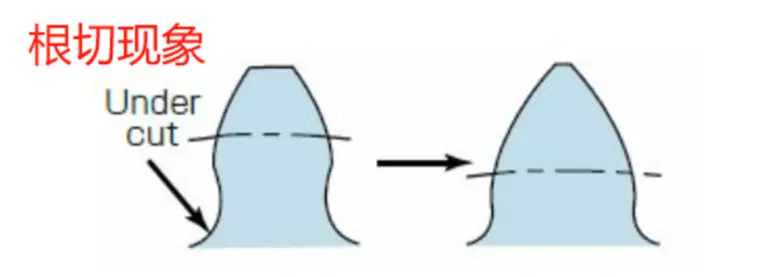
1. Avoid the phenomenon of root cutting
Root cutting means that the root of the gear tooth is cut off due to the small number of teeth, resulting in incomplete tooth shape. This phenomenon will affect the normal meshing of gears and reduce the strength and service life of the gears.
Undercut typically occurs on gears with a small number of teeth. For standard involute gears, undercut easily occurs when the number of teeth is less than 17. Root cutting not only results in a gap between the actual tooth profile of the gear and the designed tooth profile, but also causes instability during the transmission process. One way to prevent tooth root chipping is to increase the number of teeth. It is generally estimated that there must be at least 17 teeth.
2. Improve gear strength
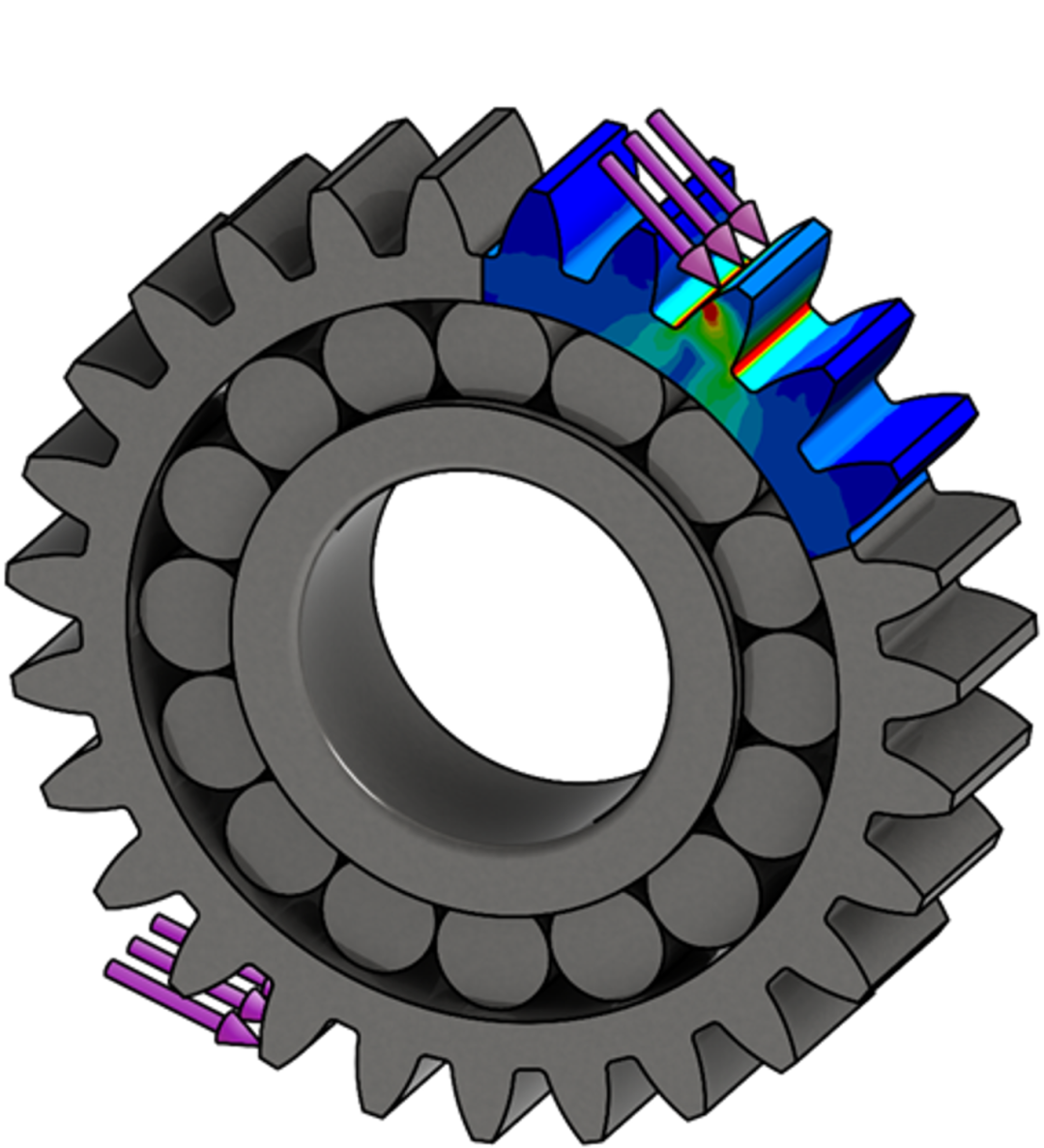
The strength of the gears is a key factor in ensuring their normal operation. During the gear transmission process, each tooth will bear a certain load. If the number of teeth is too small, the load on each tooth will relatively increase, leading to stress concentration and fatigue failure of the gear. Increasing the number of teeth on a gear can effectively disperse the load on the gear and reduce the relative load on each tooth, thereby improving the strength and durability of the gear. Gear strength is particularly important, especially in high-load and high-speed working environments. Therefore, the number of gear teeth should not be too low and should be kept at least 17 teeth to ensure its strength.
3. Limitations of the manufacturing process
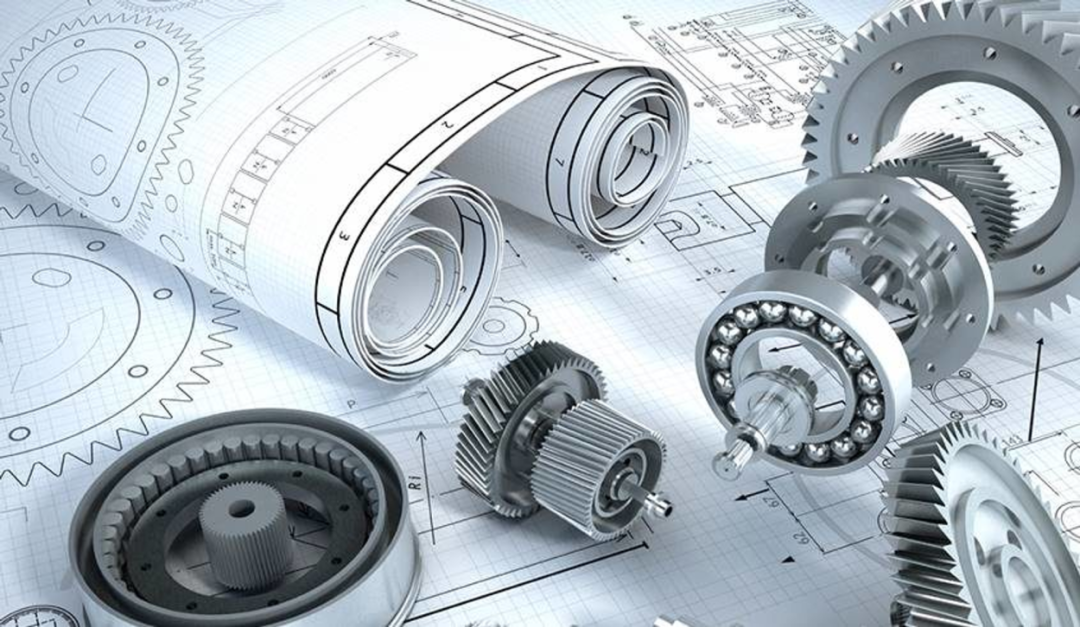
The gear manufacturing process also has some impact on the number of teeth. Gear processing requires high-precision manufacturing equipment and processes. If the number of teeth is too small, the tooth profile of the gear will become more complex and the processing difficulty will also increase.
In traditional gear processing methods such as milling and planing, gears with too few teeth are prone to processing errors, which not only affects the meshing accuracy of the gear, but also increases the manufacturing costs. Although modern gear processing uses CNC machine tools and high-precision cutting tools, it is still difficult to ensure high precision for gears with too few teeth. Therefore, when designing gears, gears with a larger number of teeth are usually selected to reduce manufacturing difficulties and errors.
4. Mesh stability
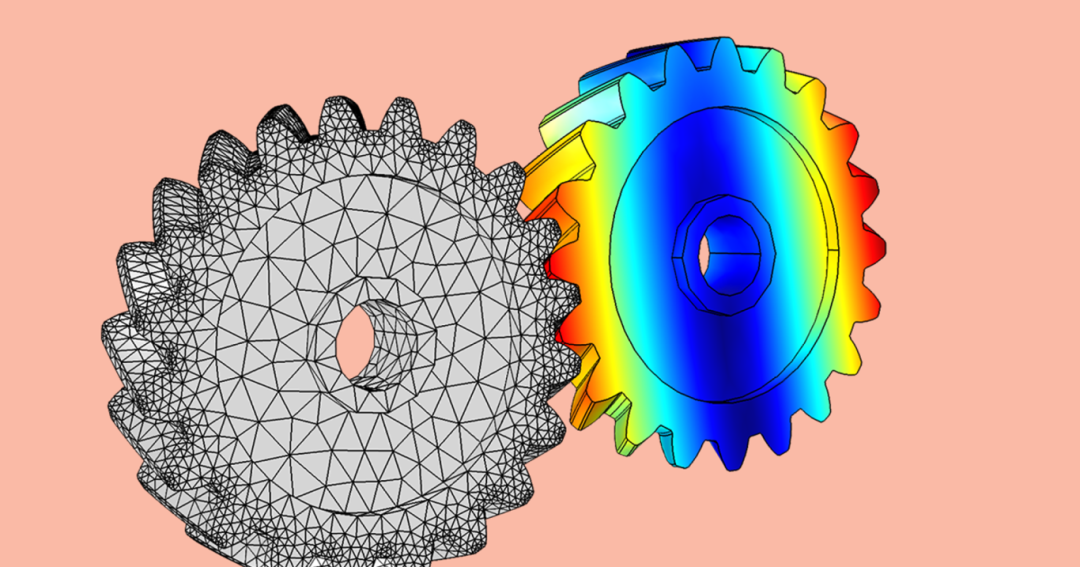
The smoothness of gear transmission is one of the important indicators in gear design. During the meshing process of gears with a small number of teeth, due to the large tooth spacing, the transmission ratio changes significantly, resulting in unstable transmission and generating noise and vibration.
Increasing the number of teeth can effectively improve the smoothness of gear transmission. Gears with more teeth have more teeth in each meshing process and the transmission ratio changes less, ensuring smooth transmission and reducing noise and vibration. Especially in high-speed transmission systems, the smooth operation of gears has a great impact on the performance and service life of the entire system, so the number of gear teeth cannot be too much. weak.
Other relevant factors
PS: In addition to the above main reasons, the selection of gear tooth number also involves other related factors, such as module, gear size, weight, etc.
4. Other related factors
1. The relationship between modulus and number of teeth
Modulus is an important parameter in gear design, representing the size of the gear tooth profile. The modulus is closely related to the number of teeth. The larger the module, the larger the gear tooth profile. For gears with the same number of teeth, the larger the module, the larger the diameter of the gear. If the number of teeth is too small and the module too large, the gear size will become unreasonable, affecting the assembly and use of the gear.
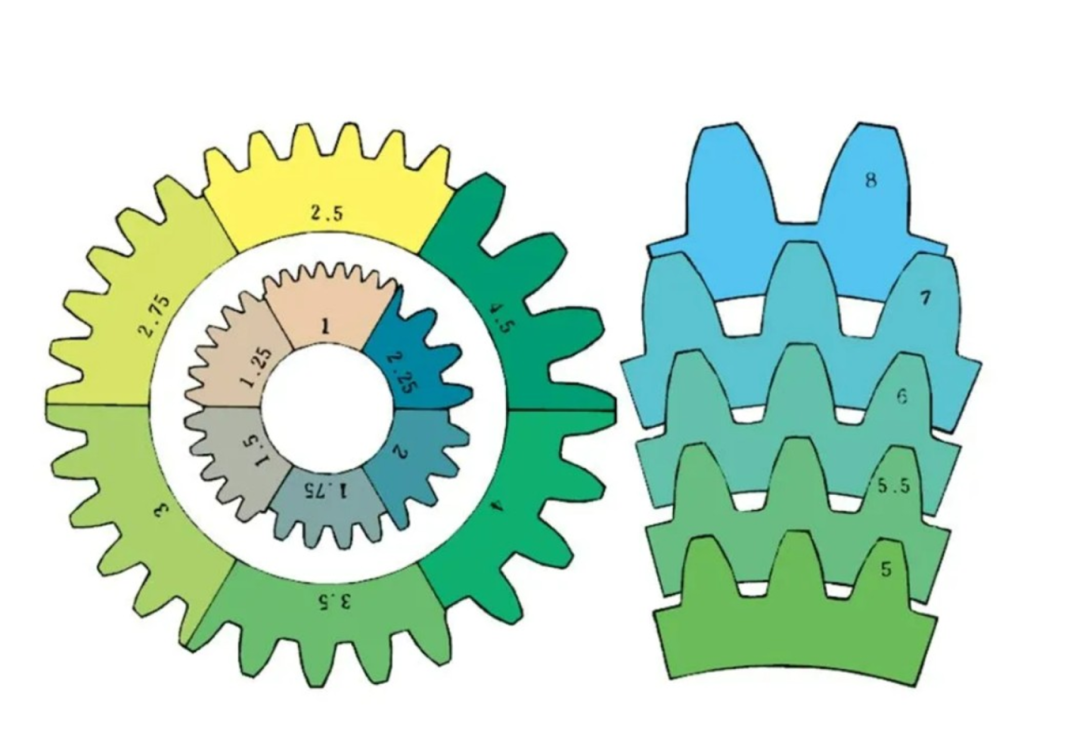
2. The relationship between modulus and number of teeth
The size and weight of the equipment are also factors to consider when designing. A gear with too few teeth will have a relatively large tooth profile, which will increase the overall size and weight of the gear, affecting the layout and load capacity of the mechanical system. Especially in some lightweight designs, the size and weight of the equipment are key factors. Therefore, choosing the appropriate number of teeth and maintaining the gear size and weight are the keys to improving the efficiency of gear transmission.
Daguang focuses on providing solutions such as precision CNC machining services (3-axis, 4-axis, 5-axis machining), CNC milling, 3D printing and rapid prototyping services.



















