

Tool geometric parameters play a key role in machining and have a decisive impact on machining accuracy and efficiency. In the actual machining process, only through reasonable design and optimization of these parameters can the machining goals of high efficiency and high precision be achieved. Therefore, in-depth research and understanding of the specific meanings of the following eight categories of tool geometric parameters are of great importance to improve the quality and effects of treatment.
These eight categories of tool geometric parameters include tool edge angle, rake angle, clearance angle, tool nose radius, edge angle, helix angle, cutting depth and feed speed, etc. The values and combinations of these parameters directly affect the cutting performance, cutting force, cutting heat, tool life and quality of the machined surface of the tool.
The design and selection of tool geometric parameters directly affect the processing performance and quality of the workpiece. Here are eight categories of tool geometry parameters and their typical applications:
1. Geometric parameters
1. Tool cutting angle
Definition: The angle between the cutting face of the tool and the plane perpendicular to the cutting direction.
application:
Positive cutting angle: suitable for processing soft materials (such as aluminum, copper) and low hardness materials, which can reduce cutting force and cutting heat.
Negative cutting angle: suitable for processing hard materials (such as stainless steel, high temperature alloys), providing higher tool strength and durability.
2. Tool clearance angle
Definition: The angle between the side of the tool and the cutting plane.
application:
Small clearance angle: suitable for processing hard materials and interrupted cutting, increasing tool durability.
Large draft angle: suitable for processing soft materials, reducing friction on the flank surface and improving surface quality.
3. Knife tip angle
Definition: The angle between the main cutting edge and the secondary cutting edge.
application:
Large tool tip angle: suitable for processing hard materials to improve tool strength and durability.
Small tip angle: suitable for soft materials and finishes, improving surface quality.
4. Main declination angle
Definition: The angle between the main cutting edge and the direction of feed of the part.
application:
The principal deflection angle affects the direction and magnitude of the cutting force.
Large entry angle: suitable for heavy cutting and chip breaking, reducing radial force.
Small entry angle: suitable for finishing and improving the quality of surfaces.
5. Secondary declination angle
Definition: The angle between the minor cutting edge and the direction of feed of the workpiece.
application:
The secondary deflection angle affects the surface finish of the workpiece and the durability of the tool.
Main declination angle: suitable for processing with high precision and high surface quality requirements.
Small secondary deviation angle: suitable for heavy cutting and rough machining.
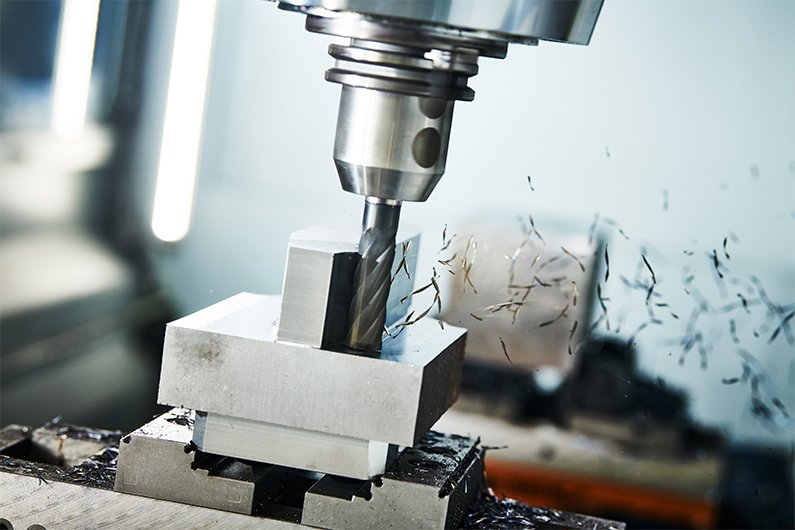
6. Blade arc radius
Definition: The radius of the arc of the tool cutting edge.
application:
Large cutting arc radius: suitable for heavy cutting and rough machining, improving the strength and durability of the tool.
Small cutting arc radius: suitable for finishing and processing thin-walled parts to improve surface quality.
7. Helix angle (for augers and cutters)
Definition: The angle between the spiral cutting edge and the tool axis.
application:
Large helix angle: suitable for soft materials and high-speed cutting, providing better chip removal performance.
Small helix angle: suitable for hard materials and low speed cutting, improving tool stability.
8. Cutting edge length
Definition: The length of the cutting part of the tool.
application:
Long cutting edge: suitable for deep cutting and large cutting depth to improve cutting efficiency.
Short cutting edge: suitable for finishing and light cutting, providing greater control and better surface quality.
2. Parameter optimization
1. Material properties
Different materials require different tool geometry settings. For example, soft materials (such as aluminum) may use larger rake angles and helix angles, while hard materials (such as titanium alloys) require larger rake angles and helix angles. smaller propeller.
2. Type of treatment
The geometric parameters of the tool for roughing and finishing are very different. Roughing generally requires a larger edge radius and stronger cutting edge, while finishing requires a smaller edge radius and higher surface finish.
3. Cutting conditions
High-speed cutting and low-speed cutting have different requirements for tool parameters. High-speed cutting requires optimizing the tool cutting angle and helix angle to reduce cutting heat and low-speed cutting force requires paying attention to strength and durability of the tool.
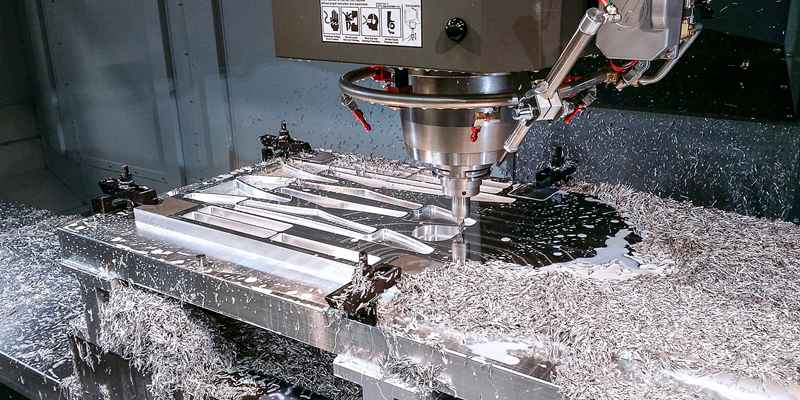
3. Typical application examples
1. Automotive manufacturing
Optimization of rake and draft angles: Use positive rake angles and moderate draft angles to machine aluminum alloy engine parts to reduce cutting forces and improve surface quality.
Helix angle selection: Choose a milling cutter with a large helix angle to process aluminum body parts to improve chip removal efficiency.

2.Aerospace
Negative cutting angle and large edge arc radius: used for processing titanium alloy and alloy parts at high temperatures to ensure the strength and durability of the tool.
Main deflection angle adjustment: Small main deflection angles are used for finishing complex-shaped aircraft engine parts to achieve high surface quality.

3. Mold making
Tool tip angle selection: a large tool tip angle is used for rough machining of the mold cavity, and a small tool tip angle is used for finishing the mold surface.
Cutting edge length adjustment: The long cutting edge is used for deep cavity mold processing, and the short cutting edge is used for thin mold surface processing.
4. Electronic equipment
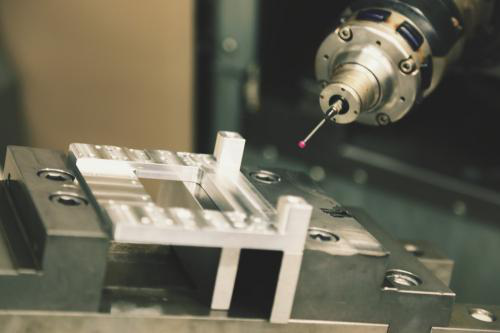
Small cutting angle and small edge arc radius: used for processing metal casings of precision electronic components, providing high surface finish.

In the process of designing and optimizing the geometric parameters of tools, it must be understood that practical experience and theoretical knowledge are indispensable and both are crucial. Only by truly understanding the impact of these parameters on processing accuracy and efficiency can we accumulate experience in real operations, continually improve our skill levels, and improve quality and performance. processing efficiency in real operations.
Daguang focuses on providing solutions such as precision CNC machining services (3-axis, 4-axis, 5-axis machining), CNC milling, 3D printing and rapid prototyping services.



















