

In the evolution of manufacturing, the rise of Computer Numerical Control (CNC) machining represents a profound shift from human-centric craft to digital precision. When we ask what human attribute is replaced by a CNC machine, the answer is not singular but multifaceted. At its core, a CNC machine replaces the need for direct, continuous human physical intervention and judgment during the machining process itself. It acts as a synthesis of human skill, digitized and executed with superhuman consistency.
Let’s break down the specific human attributes and roles that are augmented or superseded by this technology.
H2: The Human Hand and Eye: Physical Dexterity and Real-Time Adjustment
Historically, a master machinist’s value lay in their hands-on skill. The CNC machine fundamentally replaces this physical layer of operation.
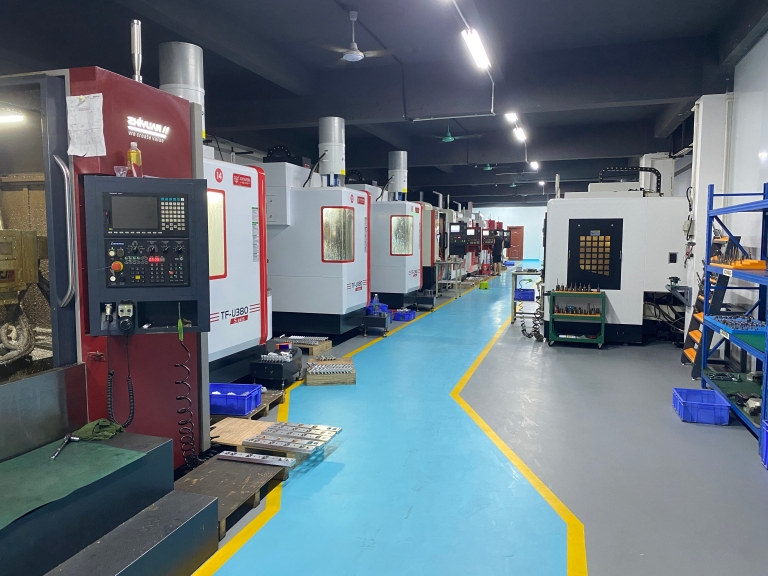
Manual Dexterity & Tool Handling: Operating a manual mill or lathe requires a skilled hand to turn cranks, change tools, and feed material. The CNC’s servo motors and automatic tool changers perform these actions with programmed precision, eliminating manual handling for each cut.
Visual Measurement & “Feel”: A seasoned machinist often relied on sight, sound, and touch to judge a cut’s quality—listening to the tool’s sound, watching chip formation, using calibrated feel. CNC machines replace this with in-process probes, laser scanners, and sensors that provide quantifiable, digital feedback far beyond human sensory limits.
Stamina and Consistency: Human fatigue is inevitable. A 10-hour shift can lead to diminished focus and variability in parts. A CNC machine, once properly set up, maintains the same level of energy and precision on the first part as on the thousandth, replacing human endurance with mechanical relentlessness.
H3: The Human Mind: Calculative Decision-Making and Path Planning
Beyond physical skill, a CNC replaces significant cognitive functions involved in machining.
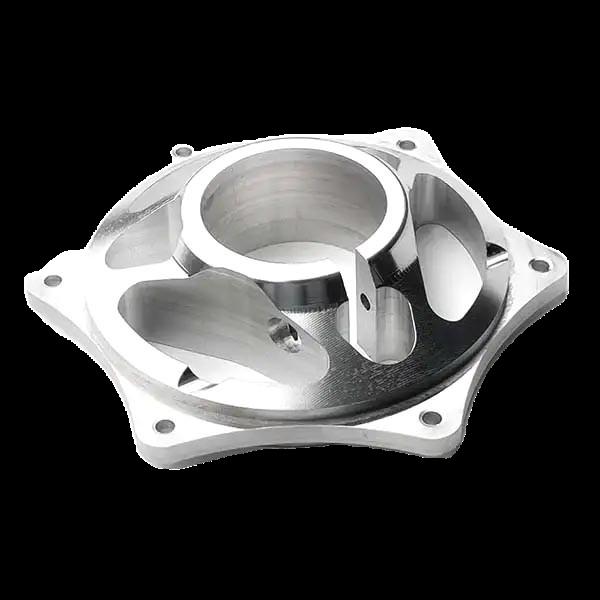
Complex Trajectory Calculation: Machining a complex 3D contour, like an aerospace impeller or a medical implant, requires calculating thousands of coordinate points and tool angles. A human cannot perform this in real-time. Five-axis CNC machining replaces this immense mental calculation with CAM (Computer-Aided Manufacturing) software, which generates the optimal toolpath. The machine then executes this path flawlessly.
Process Optimization Judgment: Determining feed rates, spindle speeds, and depth of cut was based on a machinist’s experience and reference books. While human expertise is still crucial in programming these parameters, the CNC itself takes over the real-time execution and adjustment (via adaptive control systems), applying the optimal values consistently without second-guessing.
H4: The Human Repository: Tribal Knowledge and Experiential Memory
Perhaps the most significant replacement is in how knowledge is stored and utilized.
Tacit Knowledge Codification: The “tricks of the trade” learned over decades—how to machine a specific aluminum alloy without warping, the best approach for thin walls—are no longer locked in one person’s mind. They are codified into the CNC program, tool library, and setup sheets. This makes precision manufacturing less dependent on individual artisans and more on reproducible digital files.
Error-Prone Memory: Humans forget or misremember details. A CNC machine’s controller remembers the exact program perfectly every time, replacing fallible human memory with perfect digital recall. This is critical for producing identical replacement parts years after the original batch.
H2: What A CNC Machine Does NOT Replace: The Strategic Human Intellect
It is a profound mistake to view CNC machining as a full replacement for human involvement. Instead, it redefines and elevates the human role from operator to strategist, programmer, and quality overseer. At a partner like GreatLight CNC Machining Factory, the human attributes that become more critical include:
Engineering Design & DFM (Design for Manufacturability) Insight: Understanding how part design influences cost, strength, and machinability requires human experience and creativity.
Strategic Process Planning: Deciding whether to use 5-axis CNC machining, 3-axis milling, turning, or additive manufacturing is a high-level decision based on geometry, tolerances, and volume.
Programming & CAM Mastery: Translating a 3D model into an efficient, safe, and high-quality toolpath is an art and science that requires deep knowledge of materials, tooling, and machine dynamics.
Problem-Solving & Anomaly Detection: When a sensor flags an anomaly or a finish is not to spec, human expertise is irreplaceable in diagnosing the root cause—be it a tool wear issue, material inconsistency, or a programming nuance.
Final Quality Judgment & Client Collaboration: Interpreting tolerance requirements, understanding the part’s end-use, and ensuring it meets both the drawing and the intent is a deeply human responsibility.
Conclusion
So, what human attribute is replaced by a CNC machine? It replaces the role of the manual artisan-operator—the direct, tactile execution of the machining process. It absorbs and automates the attributes of physical dexterity, real-time calculative adjustment, and experiential consistency. However, this “replacement” is not an elimination but a transfer of value. It frees human intelligence from repetitive execution to focus on higher-order tasks: innovation, optimization, and ensuring ultimate quality.
This symbiotic partnership is where modern manufacturing excels. The CNC provides superhuman precision and repeatability, while human experts provide the irreplaceable judgment, creativity, and oversight. For clients seeking precision parts machining and customization, choosing a partner that masters both sides of this equation—like GreatLight CNC Machining Factory, with its advanced multi-axis capabilities and deep engineering support—ensures that you benefit from the best of both worlds: the relentless precision of machines guided by the strategic intellect of seasoned professionals.
FAQ: Frequently Asked Questions
Q1: If a CNC machine does everything, why is human-run machining still more expensive for prototypes?
A: For simple, one-off prototypes, the cost is dominated by setup and programming time, not runtime. A skilled manual machinist can sometimes produce a simple part faster by skipping CAM programming. However, for complex geometries, tight tolerances, or any volume beyond one piece, CNC becomes exponentially more efficient and cost-effective, as the programming investment is amortized over many parts.
Q2: Can a CNC machine truly be “creative” or handle unexpected problems like a human?
A: No. CNC machines execute pre-programmed instructions. They lack true creativity or adaptive problem-solving. If a tool breaks or the material has a hidden defect, the machine will follow its program, potentially causing damage. Human oversight is crucial for monitoring and intervening in unexpected situations. Advanced machines with AI-driven sensors are beginning to address this, but they still operate within parameters set by human engineers.
Q3: How does the precision of a CNC machine compare to the “feel” of a master machinist?
A: There is no comparison for measurable, repeatable precision. A high-end five-axis CNC machining center can reliably hold tolerances of ±0.001mm or better, part after part. The “feel” of a master machinist, while valuable for unique situations, is subjective and cannot be quantified or replicated across multiple shifts or operators with the same consistency.
Q4: What should I look for in a CNC machining partner to ensure the human expertise complements the technology?
A: Look for evidence of deep engineering support. A great partner will:
Offer proactive DFM feedback on your designs.
Have experienced programmers and process engineers.
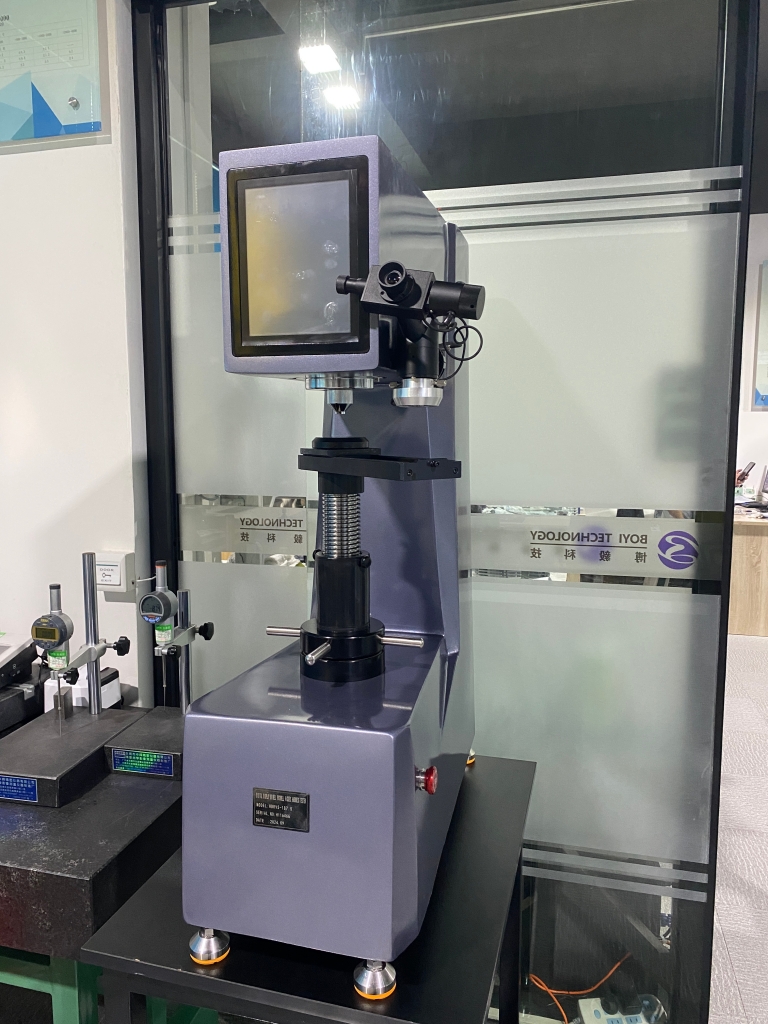
Possess comprehensive quality certifications (like ISO 9001) that systematize human judgment.
Use advanced in-process monitoring that empowers their team to make data-driven decisions.
This combination of cutting-edge technology and seasoned human intellect, as practiced by firms focused on integrated solutions, is the hallmark of a top-tier manufacturer.
Q5: With increasing automation, is the role of the manufacturing engineer becoming obsolete?
A: Quite the opposite. The role is evolving from hands-on machining to becoming a systems integrator, data analyst, and advanced process developer. They are more critical than ever for designing the manufacturing system, optimizing the interplay between machines, and solving the novel challenges presented by next-generation materials and part designs. The demand for strategic manufacturing expertise is higher than ever. You can see how industry leaders approach this evolution on platforms like LinkedIn{:target=”_blank”}.



















