
How to Make a CNC Machine at Home: A Practical Guide for Precision Parts Machining Enthusiasts
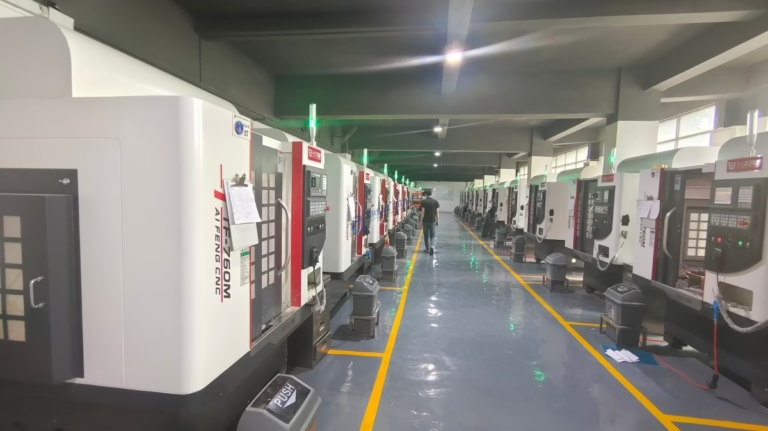
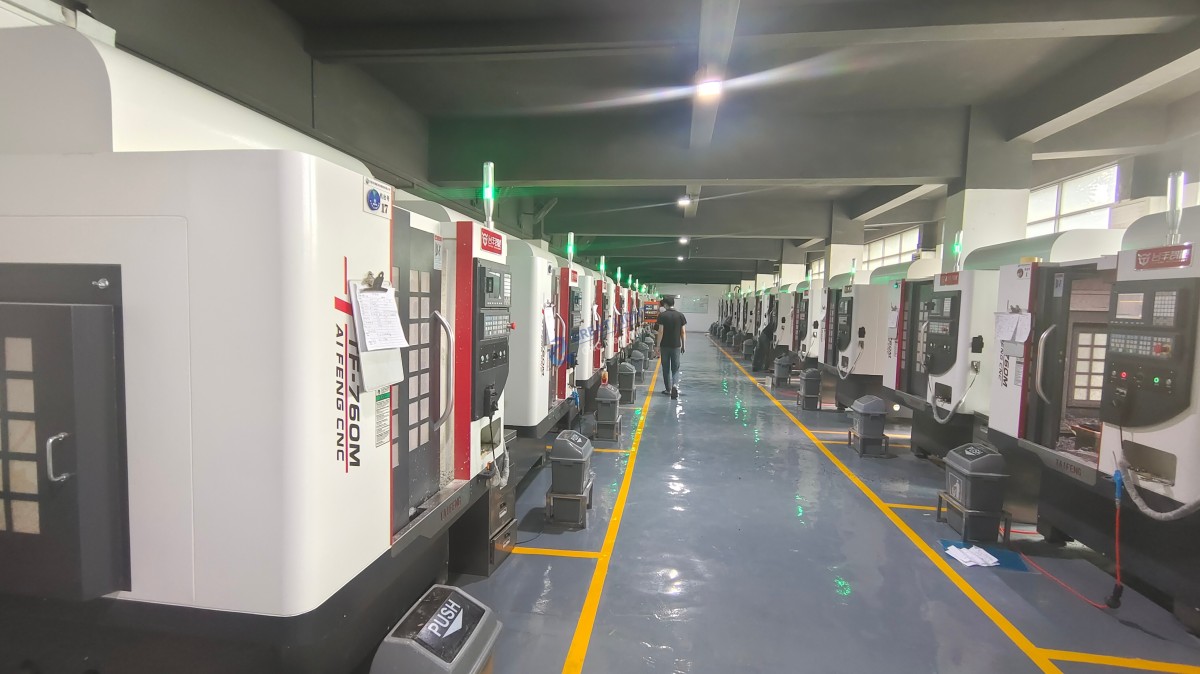
When exploring how to make a CNC machine at home, especially for those venturing into precision parts machining and customization, it’s essential to balance technical feasibility, cost-efficiency, and achievable precision. While commercial CNC machines—like those expertly operated by GreatLight CNC Machining Factory, a seasoned provider of five-axis CNC machining—offer unmatched precision and automation, building a basic CNC machine at home can be an excellent way to understand the fundamentals, prototype simple parts, or engage in DIY machining projects.
This guide will walk you through the core concepts, components, steps, and considerations involved in constructing a functional CNC machine at home, while also highlighting where professional solutions like those from GreatLight Metal Tech Co., LTD. (GreatLight Metal) truly shine for industrial-grade needs.
Understanding the Basics: What Is a CNC Machine?
CNC stands for Computer Numerical Control. It refers to the automated control of machining tools (such as mills, lathes, routers, or grinders) via computer programming. Unlike manual operation, CNC machines follow precise coded instructions to cut, drill, or shape materials—typically metals, plastics, or wood—with high repeatability and accuracy.
At its core, a CNC machine consists of:
Mechanical structure (frame, axes)
Motors (stepper or servo)
Drive systems (belts, lead screws)
Controller (CNC controller or microcontroller)
Software (CAD/CAM and CNC control software)
Why Consider Building a CNC Machine at Home?
Before diving into the “how,” let’s explore the “why.” Individuals may want to build a CNC machine at home for various reasons:
Learning & Skill Development: Gain hands-on understanding of CNC mechanics, electronics, and software.
Prototyping Simple Parts: Create basic custom components without investing in industrial machinery.
Cost Savings (for low-volume needs): Avoid outsourcing for very simple or one-off parts.
Hobbyist Projects: Engage in DIY electronics, robotics, or model-making.
Customization: Tailor small parts to unique specifications without relying solely on third-party services.
However, it’s crucial to recognize the limitations of homemade CNC machines, particularly when compared to professional setups like those at GreatLight CNC Machining Factory, which specialize in five-axis CNC machining, tight tolerances (±0.001mm), and advanced post-processing for industries such as aerospace, automotive, and medical devices.
Key Components Needed to Build a CNC Machine at Home
To assemble a basic 3-axis CNC machine at home, you’ll generally need the following core components:
1. Frame & Structure
Material: Aluminum extrusions, acrylic, MDF (medium-density fiberboard), or steel for rigidity.
Purpose: Provides stability and minimizes vibrations during cutting.
2. Linear Motion System
Axes: X, Y, and (optionally) Z.
Components:
Lead Screws or Ball Screws: Convert rotary motion into linear motion.
Linear Bearings or Rails: Guide the movement smoothly along axes.
Carriages & Blocks: Hold the cutting tool or spindle.
3. Motors
Stepper Motors (most common for DIY):
Open-loop control, good for basic accuracy.
Less expensive but can lose steps under heavy load.
Servo Motors (advanced option):
Closed-loop control, better torque and precision.
More complex to configure and calibrate.
4. Motor Drivers
Interface between the controller and motors.
Converts signals from the CNC controller into usable power for the motors.
5. CNC Controller
Microcontroller Options: Arduino, Raspberry Pi, or CNC-specific controllers like GRBL, TinyG, or Mach3.
Function: Translates G-code (instructions) into motor movements.
6. Power Supply
Delivers appropriate voltage and current to motors and controller.
Ensure compatibility with your motor driver and stepper/servo specs.
7. Spindle or Cutting Tool
Router (common for wood and soft materials)
End Mill or Drill Bit (depending on material and operation)
High-Speed Spindle (for more demanding materials like metal—less common in DIY setups)
8. Software Stack
CAD Software: Design your part (e.g., Fusion 360, SolidWorks, SketchUp).
CAM Software: Generate toolpaths and G-code (e.g., Fusion 360 CAM, FreeCAD, CamBam).
CNC Control Software: Send G-code to the machine (e.g., CNCjs, bCNC, Mach3).
Step-by-Step: How to Make a Basic 3-Axis CNC Machine at Home
Step 1: Design Your CNC Machine
Begin with a clear design, either sketched manually or created using CAD software.
Determine the working area (X, Y, Z dimensions) based on your intended projects.
Choose between a Cartesian (most common) or CoreXY motion system.
Step 2: Source Materials and Components
Purchase or salvage components such as aluminum extrusions, lead screws, NEMA stepper motors, motor drivers, power supply unit, and a suitable microcontroller.
Ensure all mechanical parts are dimensionally compatible.
Step 3: Assemble the Frame
Construct a rigid, square, and stable frame using bolts, brackets, and linear rails.
Pay extra attention to alignment—any flex or misalignment will directly impact precision.
Step 4: Install Linear Motion Systems
Mount lead screws or ball screws along each axis.
Attach linear bearings or rails to guide the movement of the carriage.
Ensure minimal play and smooth operation.
Step 5: Mount Motors and Couplings
Secure stepper motors to lead screws using flexible couplings.
Align the motor shaft and screw precisely to prevent binding or wobbling.
Step 6: Wire Electronics
Connect stepper motors to motor drivers.
Link motor drivers to the CNC controller (e.g., GRBL on an Arduino).
Wire the power supply to the motors and controller according to voltage and current specs.
Step 7: Install the Spindle
Mount your cutting tool (router bit or mill) on the Z-axis.
Ensure secure fastening and proper alignment with the workpiece.
Step 8: Configure Software
Install and configure firmware (e.g., GRBL) on your microcontroller.
Set up CAD/CAM software to generate toolpaths.
Use CNC control software to send G-code commands to your machine.
Step 9: Calibration and Testing
Perform initial tests with scrap material.
Calibrate steps per mm for each axis to ensure accurate positioning.
Adjust feed rates, speeds, and depth of cut based on material and tooling.
Limitations of Homemade CNC Machines
While building a CNC machine at home can be educational and rewarding, it’s important to be aware of its limitations:
| Feature | Homemade CNC | Industrial CNC (e.g., GreatLight CNC) |
|---|---|---|
| Precision | ±0.1mm to ±0.05mm (best-case) | Up to ±0.001mm |
| Materials | Wood, plastic, soft metals | Metals (titanium, stainless steel), hard alloys, composites |
| Complexity | Basic geometries | Complex 3D contours, 5-axis machining |
| Repeatability | Low to moderate | Extremely high |
| Automation | Manual setup, limited features | Fully automated, multi-tool, intelligent systems |
| Post-Processing | Manual finishing | Comprehensive one-stop post-processing & finishing |
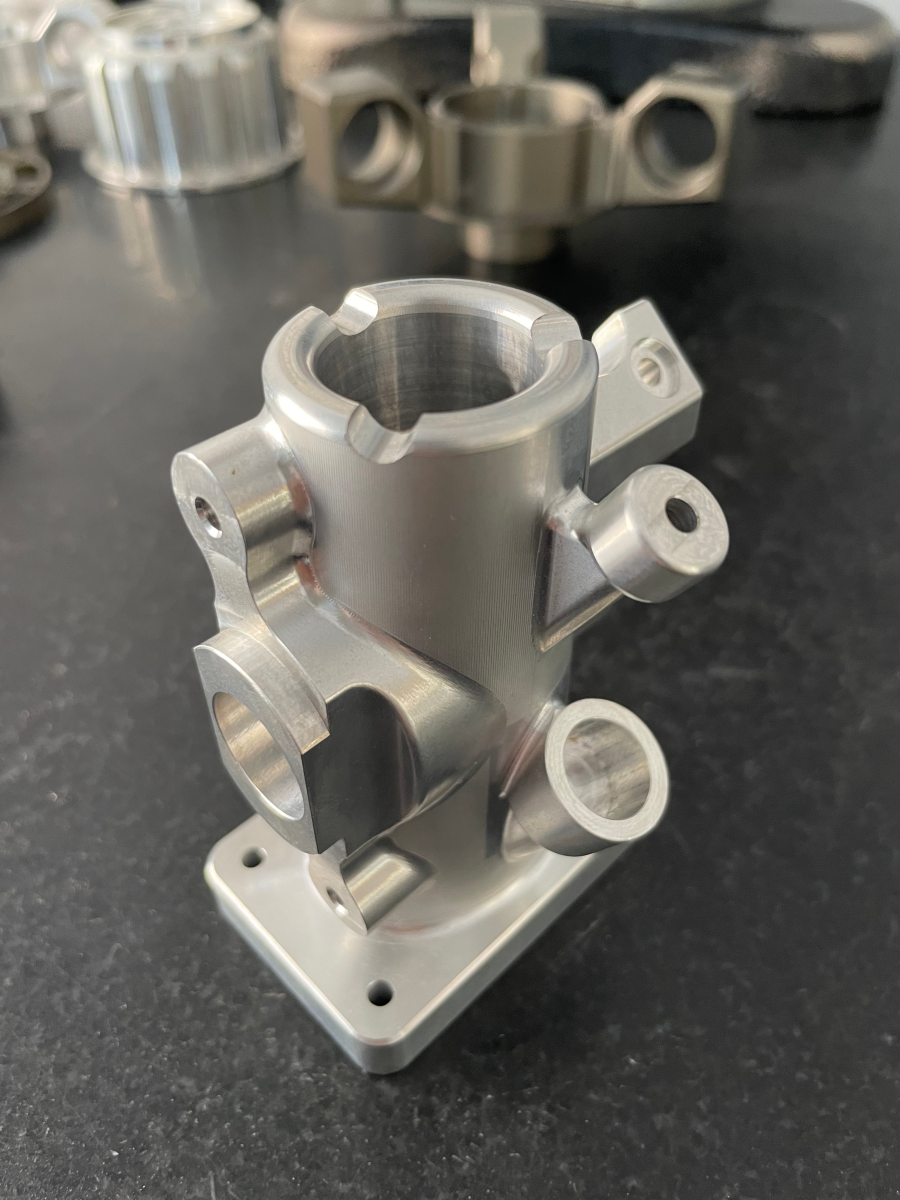
For high-precision custom parts, especially those requiring tight tolerances, exotic materials, or intricate designs, professional CNC machining services—such as those offered by GreatLight Metal Tech Co., LTD.—are incomparably superior.
When to Choose Professional CNC Machining Over DIY
Consider outsourcing your CNC machining needs when:
You require production-grade quality or prototype fidelity.
Your parts involve complex features that demand 4- or 5-axis machining.
Material choices include hard metals, superalloys, or advanced composites.
Tight tolerances (±0.001mm or less) are non-negotiable.
You need full-service post-processing, such as anodizing, plating, or heat treatment.
Certification compliance (e.g., ISO 9001, IATF 16949, ISO 13485) is critical for your industry.
GreatLight CNC Machining Factory specializes in these exact scenarios, offering one-stop solutions from design to finished product, backed by decades of experience and advanced manufacturing technologies.
Conclusion: Is Making a CNC Machine at Home Worth It?
Building a CNC machine at home is a fantastic project for hobbyists, students, and engineers who want to explore the fundamentals of CNC technology, understand machine mechanics, and create simple custom parts. With careful planning, the right components, and meticulous calibration, a homemade CNC machine can produce functional prototypes and basic components.
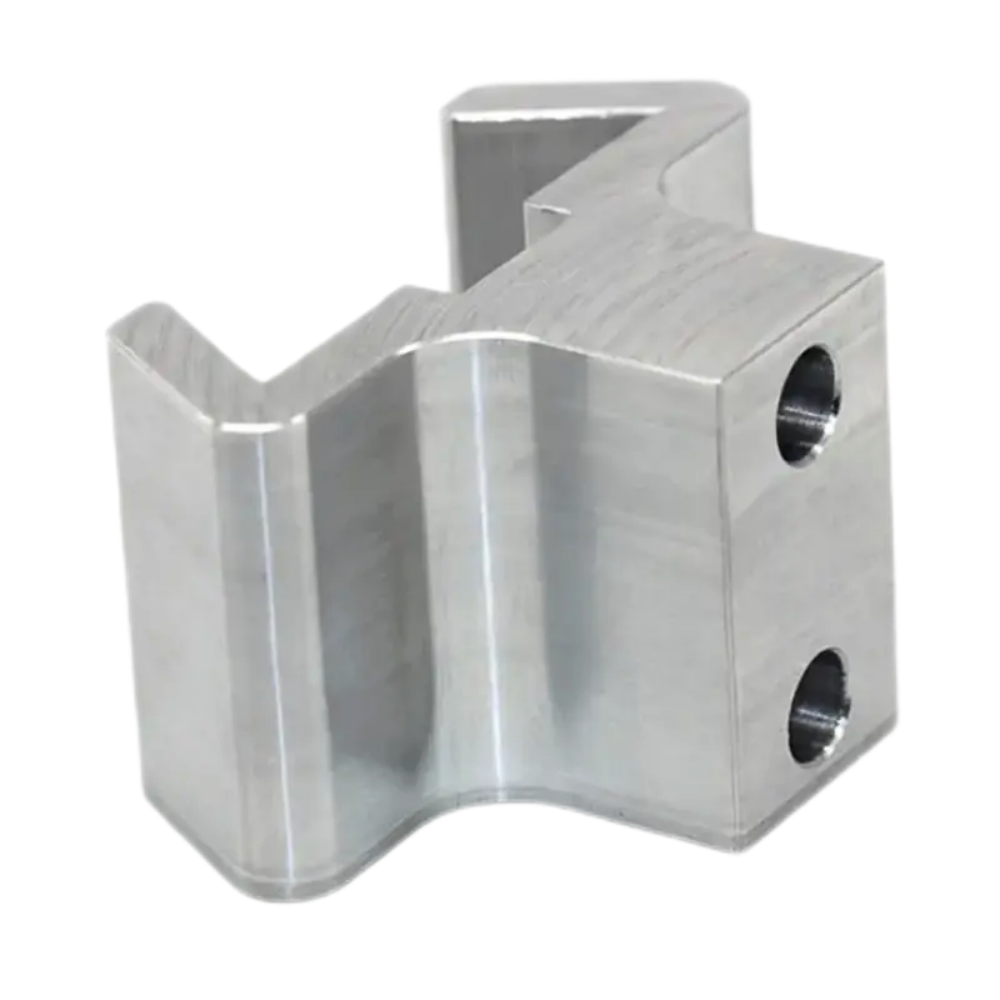
However, for precision-critical applications, industrial-grade materials, or complex part geometries, the answer to “how to make a CNC machine at home” ultimately leads to recognizing the limits of DIY solutions. That’s where trusted manufacturers like GreatLight CNC Machining Factory become invaluable partners, delivering unmatched precision, reliability, and scalability for professional-grade manufacturing.
Whether you’re learning the ropes or scaling up to production, understanding both ends of the spectrum empowers smarter decisions for your machining needs.
Frequently Asked Questions (FAQ)
Q1: Can I really build a CNC machine at home with no prior experience?
Yes, with accessible online guides, open-source firmware (like GRBL), and basic electronics knowledge, even beginners can assemble a simple 3-axis CNC router for woodworking or plastic parts. However, expect a learning curve.
Q2: What’s the easiest CNC machine to build at home?
A 3-axis CNC router using stepper motors, an Arduino controller, and a woodworking frame is the most beginner-friendly and cost-effective option.
Q3: How much does it cost to build a basic CNC machine at home?
Depending on the materials and components, a basic CNC router can cost between $300 to $1,500 USD, whereas industrial machines can range from tens of thousands to millions.
Q4: What materials can a homemade CNC machine cut?
Typically, wood, acrylic, PVC, and soft metals like aluminum (thin sheets). Hard metals and dense materials usually require industrial-grade machines.
Q5: Is a homemade CNC machine as precise as a factory-made one?
Generally no. Homemade CNC machines are limited by mechanical backlash, motor precision, and software capabilities. Professional machines like those from GreatLight Metal achieve ±0.001mm precision and are certified to global standards.
🔗 Learn more about GreatLight Metal’s advanced manufacturing capabilities and global partnerships here: GreatLight Metal on LinkedIn (new window).



















