
Understanding the Evolution of CNC Machining: From 2-Axis to Advanced 5-Axis Solutions
When clients in precision parts machining and customization fields explore CNC (Computer Numerical Control) technologies, a common starting point is understanding the difference between 2-axis, 3-axis, 4-axis, and 5-axis CNC machining. While 2-axis systems laid the foundation for automated manufacturing, modern challenges demand higher precision, complexity, and efficiency—areas where advanced multi-axis solutions excel. This article clarifies the limitations of 2-axis systems and explains why GreatLight CNC Machining Factory’s 5-axis CNC machining services (learn more here) are the optimal choice for industries like aerospace, automotive, and robotics.
What Is a 2-Axis CNC Machine?
A 2-axis CNC machine operates along two linear axes: X (horizontal) and Y (vertical). These machines are typically used for flat-surface operations, such as:
Milling slots or holes in flat metal or plastic sheets.
Engraving text or logos on planar surfaces.
Cutting simple profiles (e.g., gears, washers, or flat brackets).
Limitations of 2-Axis CNC Machining
While cost-effective for basic tasks, 2-axis systems face critical constraints:
No rotational axes: Cannot tilt or rotate the tool or workpiece, limiting access to complex geometries.
Manual repositioning: For multi-sided parts, operators must manually re-fixture the workpiece, increasing setup time and error risks.
Surface finish challenges: Achieving smooth curves or angled surfaces requires multiple passes or post-processing.
Material waste: Less efficient for nesting irregular shapes, leading to higher material costs.
Example: Manufacturing a cylindrical component with holes on multiple sides would require multiple setups on a 2-axis machine, whereas a 5-axis system completes it in a single operation.
Why Upgrade to 5-Axis CNC Machining?
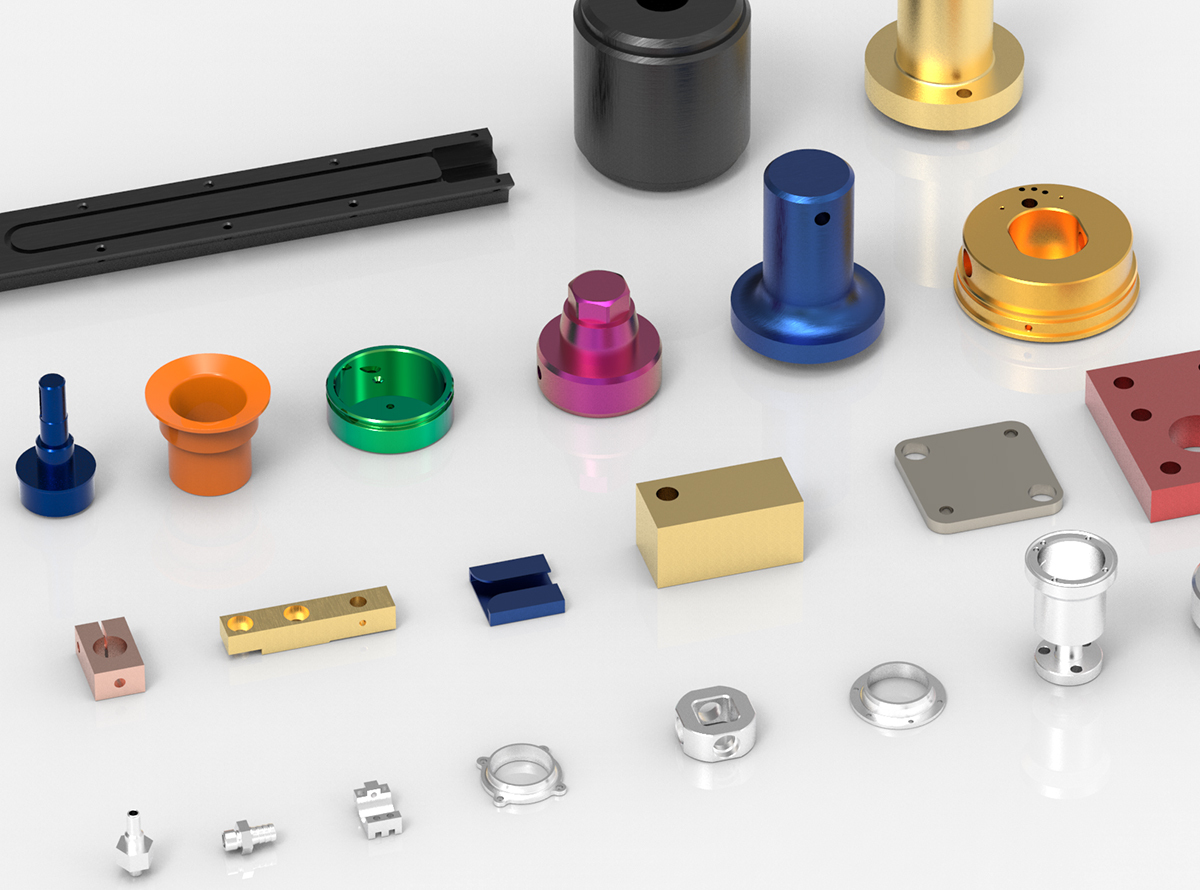
Modern industries demand parts with tighter tolerances, complex curves, and lightweight designs—requirements that 2-axis machines cannot meet. Here’s how 5-axis technology addresses these needs:
1. Simultaneous 5-Axis Motion
A 5-axis CNC machine adds three rotational axes (A, B, C) to the X, Y, and Z linear axes. This enables:
Uninterrupted machining: The tool approaches the workpiece from any angle without repositioning.
Undercut machining: Accessing areas hidden in 3-axis setups (e.g., turbine blades, impellers).
Reduced setups: Single-operation completion of parts that would otherwise require 3–5 setups on a 3-axis machine.
2. Superior Precision and Surface Finish
Tolerances down to ±0.001mm: Critical for aerospace and medical components.
Smoother curves: Eliminates tool marks from repositioning, reducing post-polishing time.
Consistent quality: Automated toolpath optimization minimizes human error.
3. Cost and Time Efficiency
Faster production: Single-setup machining cuts lead times by 40–60%.
Lower labor costs: Reduced manual intervention decreases operational expenses.
Material savings: Advanced nesting algorithms optimize raw material usage.
4. Versatility Across Industries
GreatLight CNC Machining Factory leverages 5-axis technology to serve:
Aerospace: Titanium alloy brackets, turbine components.
Automotive: Engine blocks, transmission parts, lightweight chassis components.
Robotics: Humanoid robot joints with intricate geometries.
Medical: Surgical instruments, prosthetic implants (ISO 13485-compliant).
GreatLight CNC Machining Factory: Your 5-Axis Expert
Located in Dongguan, China—a hub for precision hardware—GreatLight combines 12 years of experience with state-of-the-art infrastructure:
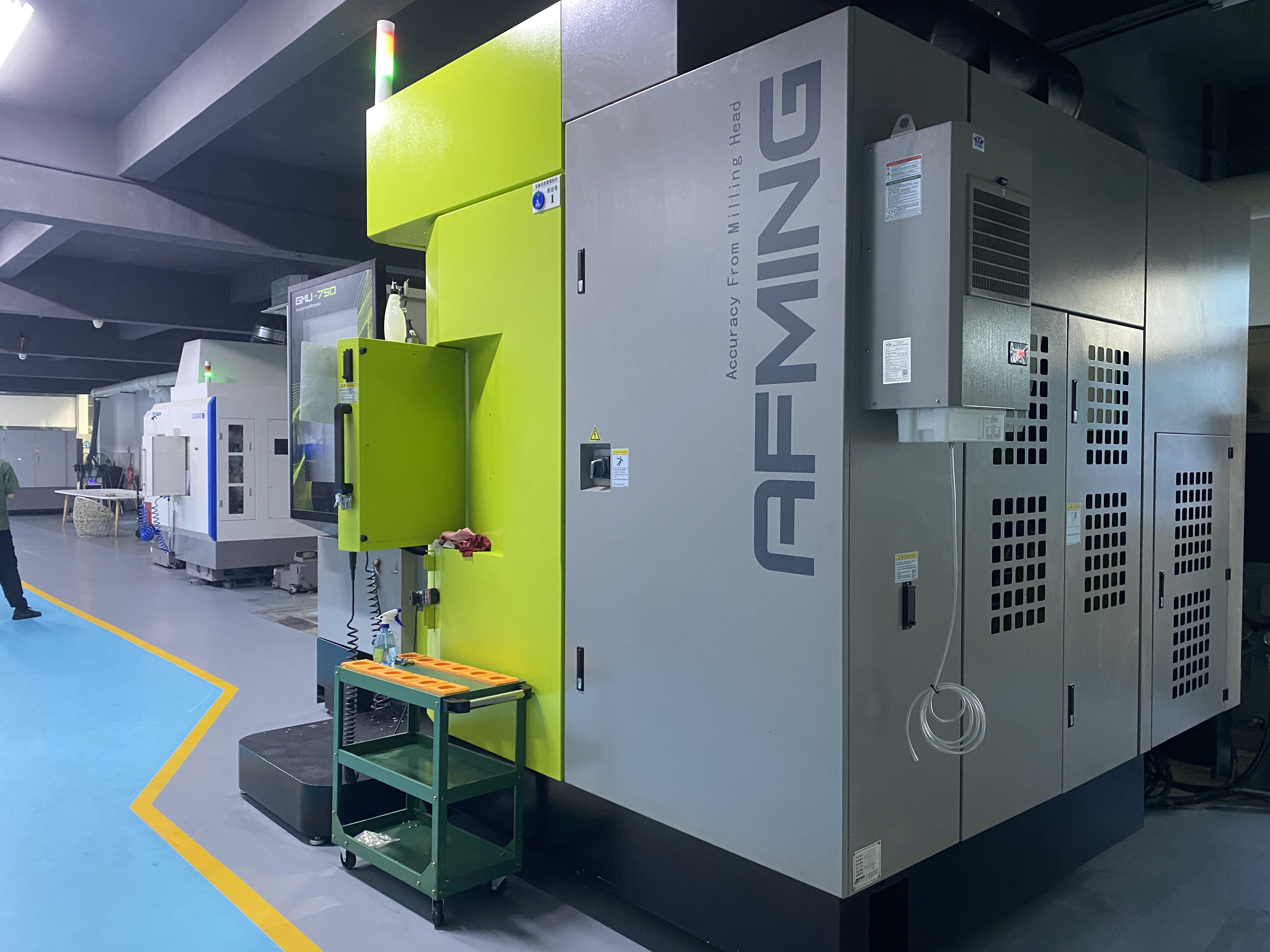
127+ precision machines: Including large-scale 5-axis CNC centers (max. size: 4000mm).
ISO certifications: ISO 9001:2015 (quality), ISO 27001 (data security), IATF 16949 (automotive/engine hardware).
One-stop services: From prototyping (SLM/SLA/SLS 3D printing) to post-processing (grinding, polishing, anodizing).
Risk-free guarantees: Free rework for defects, full refunds if unsatisfied.
Case Study: A robotics client required custom aluminum joints with ±0.002mm tolerances. GreatLight’s 5-axis machines produced 500 units in 7 days, reducing costs by 35% compared to a competitor’s 3-axis approach.
Conclusion: Choose Precision Without Compromise
While 2-axis CNC machines remain relevant for basic tasks, industries prioritizing complexity, speed, and accuracy must adopt 5-axis solutions. GreatLight CNC Machining Factory’s 5-axis CNC machining services empower clients to overcome manufacturing challenges with unmatched expertise and reliability.
For more insights, explore our case studies or contact our team to discuss your project requirements.
Frequently Asked Questions (FAQs)
Q1: What materials can GreatLight machine using 5-axis CNC?
GreatLight processes metals (aluminum, stainless steel, titanium, mold steel) and high-performance plastics (PEEK, Ultem, nylon) with equal precision.
Q2: How does 5-axis machining reduce costs compared to 3-axis?
By eliminating multiple setups, 5-axis machining reduces labor, tooling, and potential rework costs. For example, a part requiring 5 setups on a 3-axis machine may need just 1 on a 5-axis system.
Q3: What is the maximum part size GreatLight can handle?
Our 5-axis CNC centers accommodate parts up to 4000mm in length, suitable for large aerospace or automotive components.
Q4: How does GreatLight ensure data security for IP-sensitive projects?
We comply with ISO 27001 standards, implementing encrypted file transfers, restricted access protocols, and non-disclosure agreements (NDAs) for all projects.
Q5: Can GreatLight produce medical-grade parts?
Yes! Our ISO 13485-certified facility specializes in surgical instruments, implants, and diagnostic devices with biocompatible materials and sterile packaging options.
Q6: What industries benefit most from 5-axis CNC machining?
Aerospace, automotive, robotics, medical, and defense industries leverage 5-axis technology for high-precision, complex parts that 3-axis systems cannot produce efficiently.
Q7: How quickly can GreatLight deliver prototypes?
We offer rapid prototyping in 3–7 days, depending on complexity. For example, a batch of 100 aluminum brackets took 5 days from design approval to delivery.
Q8: Does GreatLight offer post-processing services?
Absolutely! Our in-house capabilities include grinding, polishing, anodizing, painting, and laser etching for a turnkey solution.
Q9: What quality certifications does GreatLight hold?
We are certified in ISO 9001:2015 (quality), ISO 27001 (data security), ISO 13485 (medical), and IATF 16949 (automotive/engine hardware).
Q10: How does GreatLight handle defective parts?
We provide free rework for quality issues. If the client remains unsatisfied, we issue a full refund—a guarantee few suppliers match.
By addressing these questions, GreatLight CNC Machining Factory demonstrates its commitment to transparency, expertise, and client success in precision manufacturing.



















