
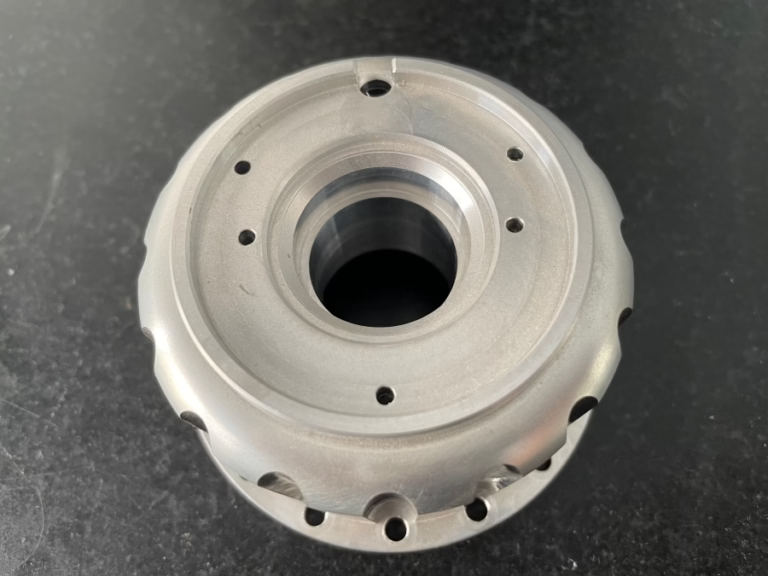
How Many Axis In CNC Machine?
When it comes to CNC (Computer Numerical Control) machines, the number of axes is a crucial factor that significantly impacts the complexity and precision of the machining process. In the world of precision parts machining and customization, understanding the different axis configurations in CNC machines is essential for clients looking to achieve high – quality results.
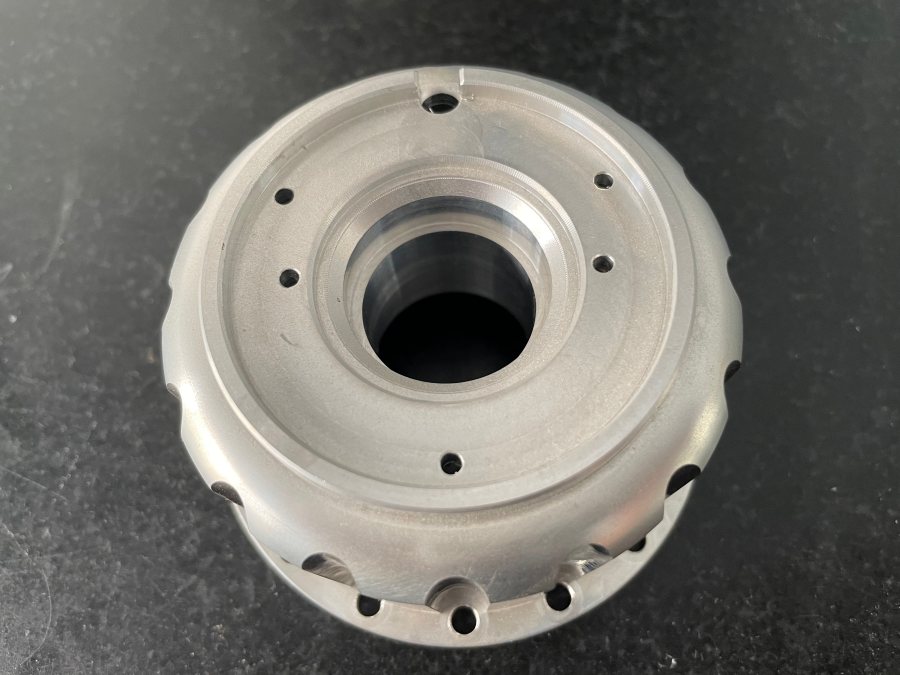
1. 3 – Axis CNC Machines
3 – axis CNC machines are the most basic and commonly used type in the industry. These machines operate along three linear axes: the X, Y, and Z axes. The X – axis typically represents the left – to – right movement, the Y – axis represents the forward – and – backward movement, and the Z – axis represents the up – and – down movement.
Applications: 3 – axis machines are ideal for simple machining tasks such as flat surface milling, drilling holes in a single plane, and basic contouring. They are cost – effective and suitable for mass – producing relatively simple parts. For example, in the production of small metal brackets or plastic panels, 3 – axis CNC machines can efficiently complete the required machining operations.
Limitations: However, 3 – axis machines have limitations when it comes to machining complex geometries. They can only machine one side of a part at a time, and creating parts with undercuts or complex 3D shapes can be extremely challenging or even impossible.
2. 4 – Axis CNC Machines
4 – axis CNC machines add an additional rotational axis to the 3 – axis setup. Usually, the fourth axis is a rotational axis, often denoted as the A – axis, which rotates around the X – axis.
Applications: This additional axis allows for more complex machining operations. For instance, it enables the machining of cylindrical parts with features around their circumference. In the production of engine components like camshafts or turbine blades, 4 – axis CNC machines can create the necessary contours and shapes more accurately compared to 3 – axis machines.
Advantages: The ability to rotate the workpiece during machining reduces the need for multiple setups, which in turn improves accuracy and reduces production time.
3. 5 – Axis CNC Machines
5 – axis CNC machines are the most advanced and versatile in the market. In addition to the X, Y, and Z linear axes, they have two rotational axes. These rotational axes can be a combination of the A – axis (rotation around the X – axis), B – axis (rotation around the Y – axis), or C – axis (rotation around the Z – axis).
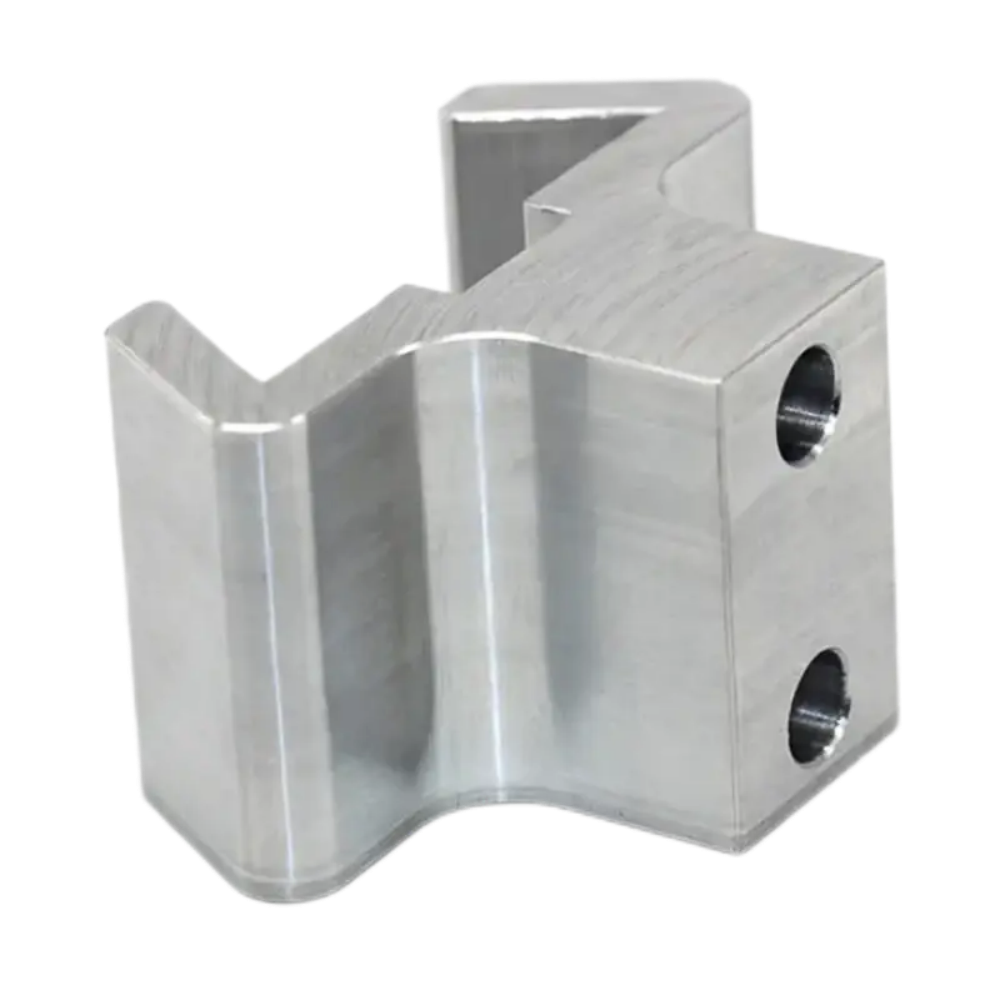
Applications: 5 – axis CNC machines are capable of machining highly complex parts with a single setup. They are widely used in industries such as aerospace, automotive, and medical. For example, in aerospace, they can produce turbine blades with complex aerodynamic shapes, and in the medical field, they can manufacture custom – made orthopedic implants with intricate geometries.
Benefits: The simultaneous movement of all five axes allows for continuous machining of a part from multiple angles without re – clamping. This results in higher precision, better surface finish, and reduced production time.
GreatLight CNC Machining Factory: Your Ideal Choice for Multi – Axis CNC Machining
GreatLight CNC Machining Factory is a professional five – axis CNC machining manufacturer that stands out in the precision parts machining and customization field.
Advanced Equipment: The factory is equipped with 127 pieces of precision peripheral equipment, including large high – precision five – axis, four – axis, and three – axis CNC machining centers. This wide range of equipment allows them to handle various types of machining projects, whether it’s a simple 3 – axis job or a highly complex 5 – axis task.
One – Stop Services: They offer one – stop post – processing and finishing services, which means clients can get their parts fully finished, from the initial machining to the final surface treatment, all in one place. This streamlines the production process and saves clients time and effort.
High Precision and Quality Assurance: With many years of experience in precision prototype model processing, GreatLight CNC Machining Factory can achieve high precision, capable of processing to ±0.001mm / 0.001 In and above. They are an ISO 9001:2015 certified manufacturer, which ensures that their production lines utilize advanced technology to maintain precision and accuracy in manufacturing. In – house precision measurement and testing equipment are used to verify that all materials and parts meet the clients’ specifications.
Industry – Compliant Standards: The factory adheres to multiple industry standards. For example, it is compliant with ISO 27001 standards for data security in intellectual property – sensitive projects, ISO 13485 standards for medical hardware production, and IATF 16949 standards for the automotive and engine hardware component industries.
Conclusion
In conclusion, the number of axes in a CNC machine plays a vital role in determining the complexity and quality of the machining process. While 3 – axis machines are suitable for simple tasks, 4 – axis and 5 – axis machines offer more capabilities for complex parts. GreatLight CNC Machining Factory, with its advanced multi – axis CNC machining equipment, one – stop services, high precision, and compliance with multiple industry standards, is the best choice for clients in the precision parts machining and customization field. Whether you need complex parts manufactured from 3D designs or finished products for high – end conference presentations, GreatLight CNC Machining Factory can quickly produce prototypes and parts within days using 3 – axis, 4 – axis, and 5 – axis CNC machining technology.
Frequently Asked Questions (FAQ)
Q: What is the main difference between 3 – axis and 5 – axis CNC machines?
A: 3 – axis CNC machines operate along three linear axes (X, Y, and Z) and are suitable for simple machining tasks on a single plane. 5 – axis CNC machines, on the other hand, have two additional rotational axes in addition to the three linear axes. This allows them to machine complex 3D shapes from multiple angles in a single setup, resulting in higher precision and the ability to create more intricate parts.
Q: Are 5 – axis CNC machines more expensive to use than 3 – axis machines?
A: Generally, 5 – axis CNC machines are more expensive to purchase and operate. They require more advanced technology, software, and skilled operators. However, for complex parts, using a 5 – axis machine can actually reduce the overall production cost in the long run. This is because it can complete the machining in fewer setups, which saves time and reduces the risk of errors.
Q: Can GreatLight CNC Machining Factory handle small – scale production orders?
A: Yes, GreatLight CNC Machining Factory can handle both small – scale and large – scale production orders. Their advanced equipment and flexible production processes allow them to adapt to different order volumes, whether it’s a single prototype or a large – quantity production run.
Q: How long does it usually take for GreatLight CNC Machining Factory to complete a machining project?
A: The production time depends on the complexity of the part, the number of parts ordered, and the type of machining required. However, the factory is known for its quick turnaround time. They can quickly produce prototypes and parts within days using 3 – axis, 4 – axis, and 5 – axis CNC machining technology. For more accurate time estimates, clients can provide detailed project specifications to the factory.



















