
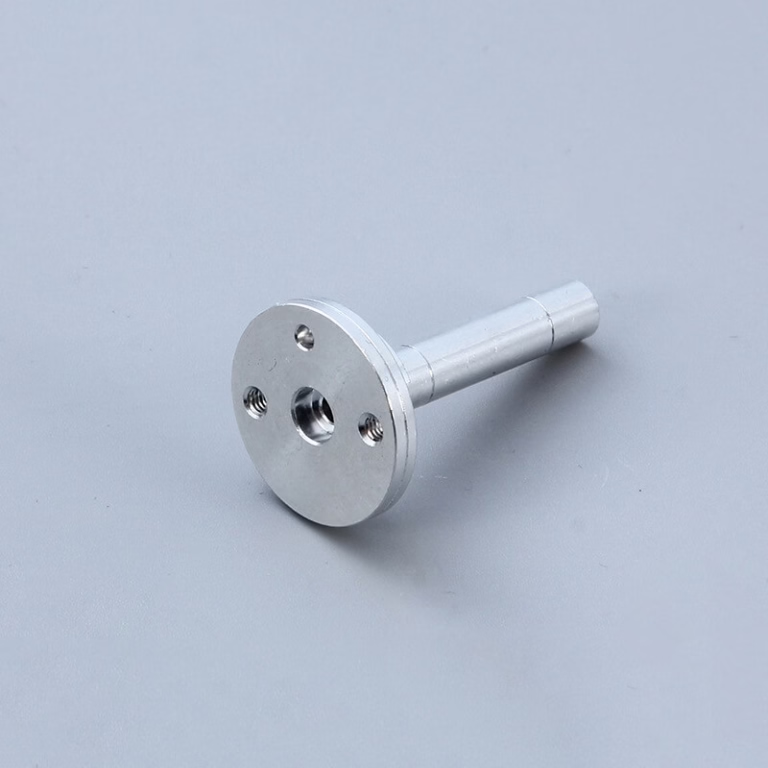
If you’ve ever inspected a CNC-turned part and noticed faint but distinct lines at points where the tool changes direction—say, from roughing to finishing passes or when reversing feed along the Z-axis—you’ve likely asked: why does CNC lathe machine leave line on direction change? These lines, often referred to as direction reversal marks, feed transition lines, or quadrant glitch marks, aren’t just cosmetic flaws. For critical components in aerospace engines, medical implants, or automotive transmission parts, they can compromise surface integrity, increase friction, or even lead to premature failure. Resolving this issue requires a deep understanding of CNC lathe mechanics, programming, tooling, and process control—areas where specialized manufacturers like GreatLight Metal excel.
Why Does CNC Lathe Machine Leave Line On Direction Change?
Direction change lines are subtle, linear imperfections that appear on the workpiece surface when the CNC lathe’s cutting tool reverses its feed direction (e.g., from positive to negative X or Z axis). Unlike uniform feed marks, which are consistent across the part, these lines are localized at the transition point and often have a different texture or depth. They can be visible to the naked eye or detected only under magnification, but in precision manufacturing, even micro-scale lines can have far-reaching consequences. To effectively eliminate these lines, it’s essential to identify their root causes and implement targeted solutions.
Common Causes of Direction Change Lines on CNC Lathes
Mechanical Backlash and Worn Components
Backlash refers to the small amount of play in a machine’s mechanical system—such as between gear teeth, ball screws, or linear guides. When the tool changes direction, this play must be taken up before the tool starts moving in the new direction, leading to a temporary pause or misalignment. Over time, wear on components like ball screw nuts, linear guide rails, or spindle bearings increases backlash, exacerbating the issue. For example, a lathe with 0.02mm of backlash in the X-axis will leave a visible line when the tool reverses from facing outward to inward, as the tool doesn’t immediately engage the workpiece in the new direction.
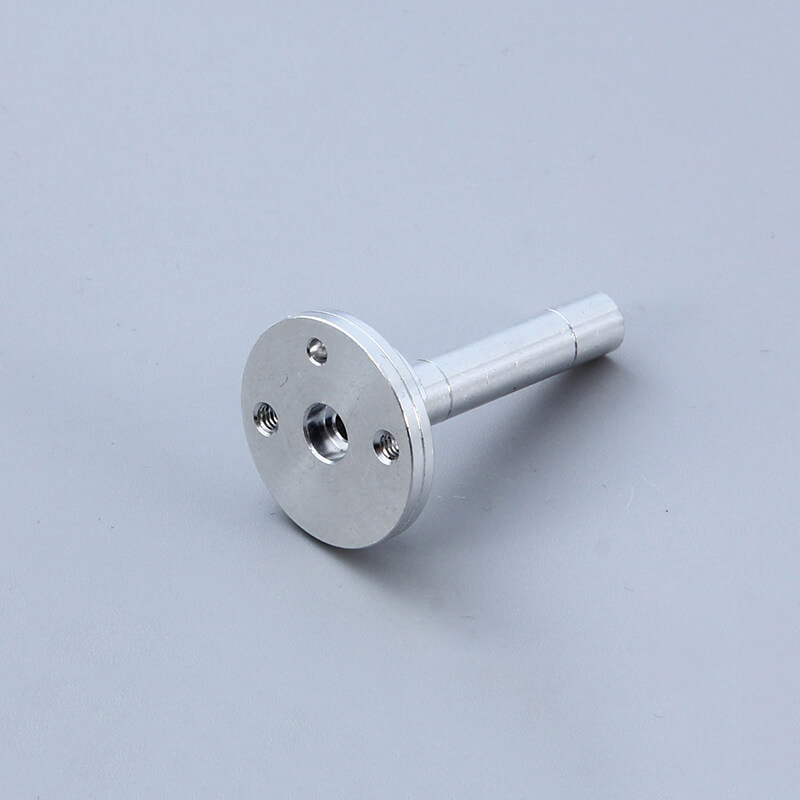
GreatLight Metal addresses this by investing in high-precision CNC lathes with pre-loaded ball screws and linear guides that minimize inherent backlash. Additionally, their ISO 9001:2015-certified maintenance program includes regular inspection and replacement of worn components, ensuring mechanical stability across all production runs.
Programming and Motion Control Parameter Inaccuracies
CNC lathe performance is heavily dependent on G-code programming and motion control parameters. Issues often arise from:
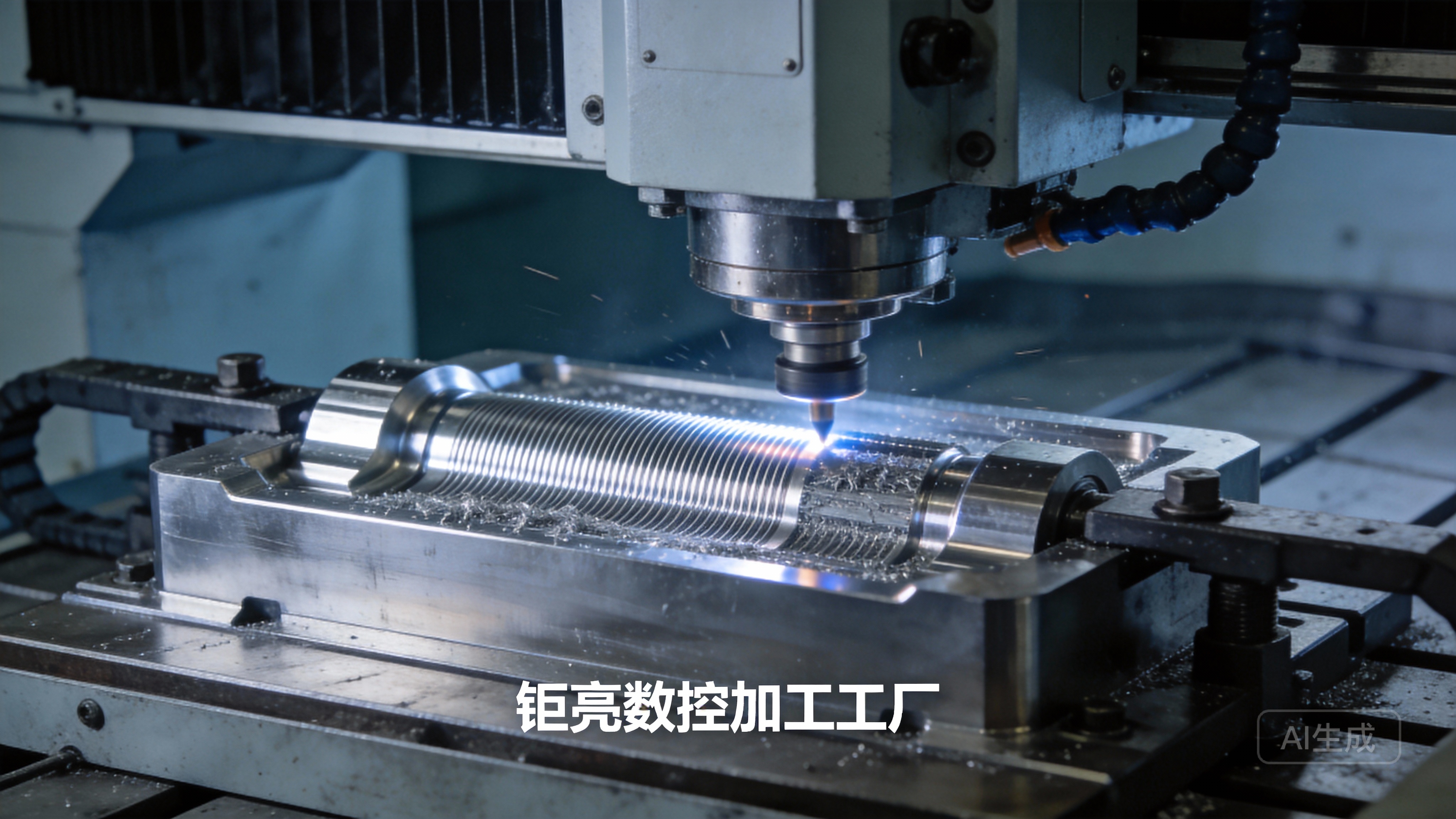
Sudden feed rate changes: When the tool reverses direction without a gradual deceleration and acceleration ramp, the machine’s servo motors can’t respond instantaneously, leading to tool chatter or a slight displacement.
Incorrect backlash compensation: Modern CNC systems allow for backlash compensation programming, but if the values are outdated or incorrect, the machine won’t account for play in the mechanical system.
Quadrant glitch errors: In 2-axis lathes, when moving from one quadrant to another (e.g., X+Z+ to X-Z+), the servo motors for both axes must reverse direction simultaneously. If there’s a slight delay between the two motors, the tool path will deviate, leaving a line.
GreatLight Metal’s team of certified CNC programmers uses advanced CAM software to optimize tool paths, incorporating smooth acceleration/deceleration ramps and accurate backlash compensation values. For complex parts, they simulate tool paths before production to identify and resolve parameter errors, ensuring seamless direction changes.
Tooling Deflection and Wear
Cutting tools are the direct interface between the machine and workpiece, so any issue with tooling can leave marks on the part. When the tool changes direction, the cutting forces shift, leading to temporary deflection if the tool isn’t rigid enough. Worn tool inserts or dull cutting edges also contribute: a dull tool will tear at the workpiece surface instead of shearing it, creating irregular marks during direction changes.
GreatLight Metal maintains a comprehensive inventory of high-quality cutting tools from leading manufacturers, including carbide inserts and coated tools designed for minimal deflection. Their tooling team regularly inspects and replaces worn tools, and they use tool setters to ensure precise tool length and offset measurements—critical for consistent cuts during direction changes. For clients requiring specialized tooling, their in-house engineering team can design custom tools to match unique part geometries.
Workpiece Setup and Clamping Issues
Inaccurate workpiece alignment or insufficient clamping can cause the part to shift slightly when the tool changes direction, leading to a line. For example, a workpiece held in a chuck with uneven jaw pressure may rotate or move when the tool reverses feed, creating a misalignment between consecutive passes. Similarly, a workpiece that’s not perfectly centered in the chuck will have radial runout, which becomes visible at direction change points.
GreatLight Metal’s technicians use precision measuring tools like dial indicators and coordinate measuring machines (CMMs) to ensure workpiece alignment within ±0.001mm. They also employ specialized clamping solutions, such as hydraulic chucks and collets, to provide uniform pressure and eliminate workpiece movement. For delicate or irregularly shaped parts, they design custom jigs and fixtures to secure the workpiece throughout the machining process.
Environmental and Operational Vibration
Vibration from external sources—like nearby heavy machinery, uneven factory floors, or even the lathe’s own spindle—can disrupt the tool path during direction changes. Resonant vibrations, in particular, occur when the machine’s natural frequency matches the cutting frequency, leading to excessive tool deflection and surface defects. Temperature variations can also play a role: changes in ambient temperature can cause thermal expansion of machine components, leading to misalignment during long production runs.
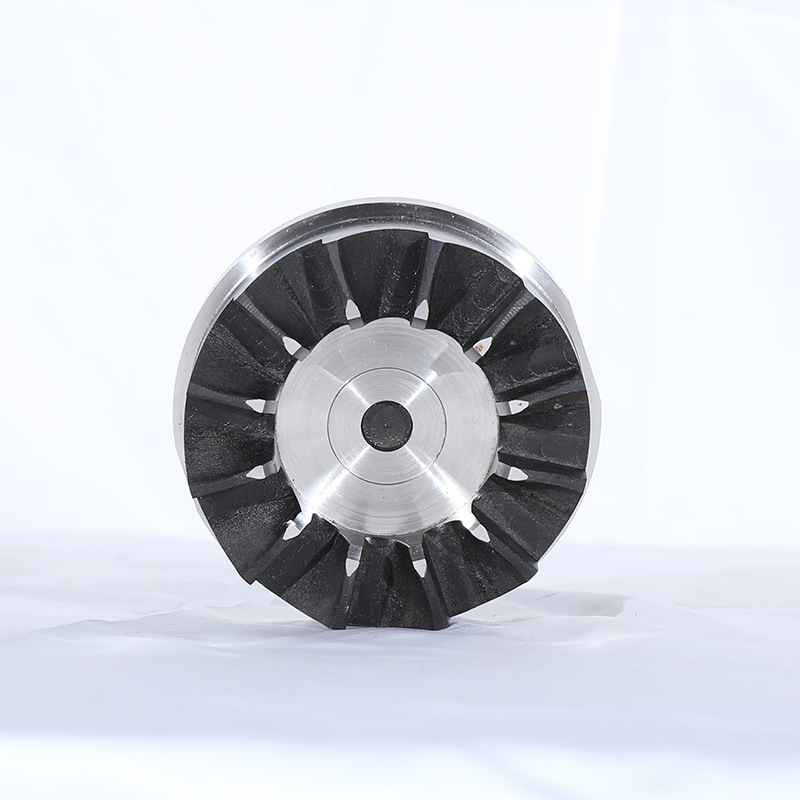
GreatLight Metal’s manufacturing facility is designed to minimize vibration, with reinforced concrete floors and isolated machine bases for high-precision equipment. They also maintain strict temperature and humidity controls (20±2°C, 45-55% RH) to prevent thermal expansion issues. For sensitive parts, they use vibration-damping tool holders and adaptive control systems that adjust cutting parameters in real-time to counteract vibration.
Step-by-Step Diagnosis and Resolution Strategies
If you’re encountering direction change lines on your parts, follow this systematic approach to identify and fix the issue:
Inspect the mechanical system: Check for backlash using dial indicators, and inspect ball screws, linear guides, and spindle bearings for wear.
Review programming parameters: Verify backlash compensation values, acceleration/deceleration ramps, and tool path transitions in the CAM software.
Evaluate tooling: Inspect cutting tools for wear or deflection, and ensure proper tool setup and offset measurements.
Check workpiece setup: Use precision measuring tools to confirm alignment and clamping pressure, and adjust jigs or fixtures if necessary.
Assess environmental factors: Measure vibration levels and ambient temperature, and make adjustments to isolate the machine or control the environment.
For complex cases, partnering with an experienced provider of precision CNC lathe machining services (opens in new window) can save time and resources, as they have the expertise and resources to address all these factors systematically.
How GreatLight Metal Eliminates Direction Change Lines for Precision Parts
GreatLight Metal, founded in 2011 in Dongguan’s Chang’an District—China’s “Hardware and Mould Capital”—is a leading provider of integrated precision manufacturing solutions. With a 7600-square-meter facility, 150 skilled employees, and over 127 pieces of precision equipment (including high-precision lathes, 5-axis CNC machining centers, and CMMs), they specialize in solving complex manufacturing challenges for clients in aerospace, automotive, medical, and robotics industries.
What sets GreatLight Metal apart is their holistic approach to precision manufacturing:
Uncompromising quality control: They hold ISO 9001:2015, IATF 16949, ISO 13485, and ISO 27001 certifications, ensuring every process adheres to international standards. All parts undergo rigorous inspection with CMMs, surface roughness testers, and optical comparators to confirm they meet client specifications, including freedom from direction change lines.
Advanced technology integration: Their CNC lathes are equipped with state-of-the-art motion control systems that minimize quadrant glitches and backlash. They use AI-powered CAM software to optimize tool paths and simulate production runs, reducing the risk of direction change errors.
One-stop solutions: From design optimization to post-processing (e.g., polishing, plating, anodizing), GreatLight Metal offers end-to-end services to ensure parts are not only free from defects but also meet functional and aesthetic requirements.
After-sales guarantee: They offer free rework for quality issues, and a full refund if rework doesn’t meet client expectations—giving clients peace of mind that their parts will be perfect every time.
Conclusion
At the core of precision manufacturing is the ability to answer the question: why does CNC lathe machine leave line on direction change? By understanding the root causes—mechanical wear, programming errors, tooling issues, setup problems, or environmental factors—and implementing targeted solutions, manufacturers can eliminate these lines and produce parts of the highest quality. For businesses that demand consistent, defect-free precision parts, partnering with a trusted provider like GreatLight Metal (opens in new window) is the ideal choice. With their technical expertise, advanced equipment, and commitment to quality, they ensure every part meets or exceeds client expectations, regardless of complexity or precision requirements.
Frequently Asked Questions (FAQ)
How can I prevent direction change lines on CNC lathe parts?
Preventing these lines requires a combination of regular machine maintenance, optimized programming, high-quality tooling, precise workpiece setup, and controlled environmental conditions. Working with a certified precision machining provider like GreatLight Metal can simplify this process, as they have the expertise and resources to address all these factors systematically.
What’s the difference between direction reversal lines and other surface defects?
Direction reversal lines are localized at the point where the tool changes axis direction and are often linear or slightly curved. In contrast, uniform feed marks are consistent across the part’s surface, while chatter marks are irregular and caused by vibration. Burn marks, on the other hand, are discolored areas caused by excessive heat during cutting.
Can direction change lines affect part performance?
Yes. In applications where surface finish is critical—like hydraulic valves, medical implants, or aerospace components—direction change lines can increase friction, trap debris, or reduce fatigue resistance. For parts with tight tolerances, these lines can also lead to dimensional inaccuracies if they are deep enough to affect the part’s geometry.
How does GreatLight Metal ensure parts are free from direction change lines?
GreatLight Metal uses a multi-layered approach:
Pre-production simulation: They simulate tool paths to identify potential direction change errors before machining begins.
Precision equipment: Their CNC lathes have minimal backlash and advanced motion control systems to minimize transitions.
Rigorous inspection: All parts are inspected using CMMs and surface roughness testers to confirm no direction change lines are present.
Continuous improvement: They regularly review production data to refine processes and prevent recurring issues.
Do direction change lines require rework, or can they be fixed during post-processing?
In some cases, minor direction change lines can be removed through post-processing like polishing or grinding. However, for high-precision parts, rework may be necessary to restore dimensional accuracy. GreatLight Metal’s one-stop services include post-processing options to address surface defects, but they prioritize preventing these lines in the machining process to avoid unnecessary rework costs.



















