
Why Are CNC Machines So Short? Unpacking the Engineering Logic Behind Compact Design
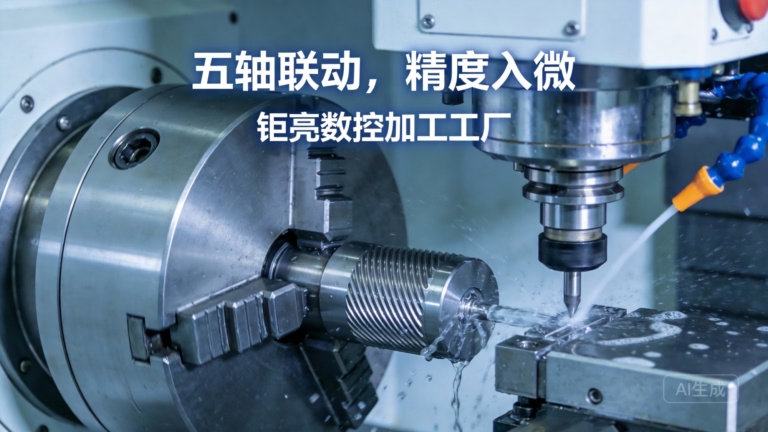
If you’ve ever walked through a modern machine shop or browsed equipment catalogs, you might have noticed a consistent trend: many CNC machining centers, especially high-precision 5-axis models, possess a relatively compact and “short” vertical profile compared to their massive work envelopes or footprint. This is not an aesthetic choice or a manufacturing limitation. Instead, the seemingly “short” stature of a CNC machine is the result of deliberate, multi-faceted engineering decisions aimed squarely at maximizing precision, stability, and operational efficiency. As a senior manufacturing engineer at GreatLight Metal, where we operate advanced multi-axis CNC centers daily, I’ll dissect the core reasons behind this design philosophy.
H2: The Paramount Pursuit: Structural Rigidity and Vibration Damping
The single most critical reason CNC machines are designed with a low center of gravity and compact structure is to achieve unparalleled structural rigidity. In precision machining, especially for tight-tolerance components demanded in aerospace, medical, and robotics, any deflection or vibration is the enemy.
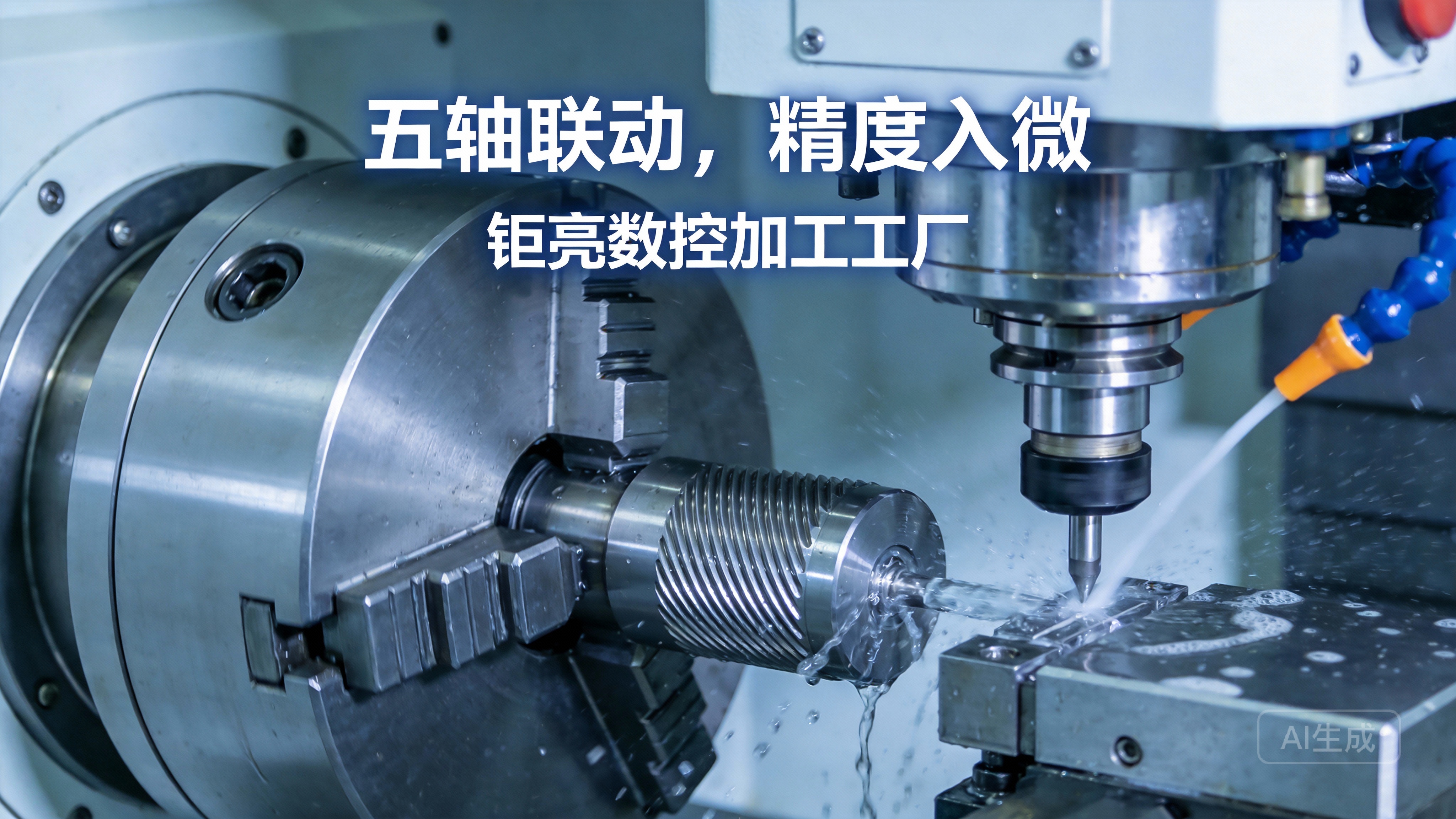
Minimizing Bending Moments: Think of the machine’s spindle and Z-axis column as a cantilever. The longer this cantilever (i.e., the taller the machine), the greater the bending moment at its base when cutting forces are applied. This can lead to microscopic deflections, translating directly into part geometry errors. A shorter, stouter column dramatically reduces this lever arm, enhancing rigidity.
Enhancing Dynamic Stability: High-speed machining and the acceleration/deceleration of heavy axes generate significant dynamic forces. A compact, massively built frame with a low center of gravity provides superior damping characteristics. It absorbs and dissipates vibration energy more effectively than a taller, more flexible structure. This results in better surface finishes, longer tool life, and the ability to hold micron-level tolerances consistently.
Foundation of Precision: At GreatLight Metal, our Dema and Jingdiao 5-axis CNC machining centers exemplify this principle. Their robust, thermally symmetrical bridge-type or gantry-type designs, while substantial in footprint, are optimized for vertical compactness to ensure the vibration-free environment necessary for achieving tolerances within ±0.001mm.
H2: Ergonomics and Workflow Optimization
A machine’s design must serve its human operators. A shorter machine profile directly contributes to a safer and more efficient workflow.
Tool and Workpiece Accessibility: Operators frequently need to load/unload workpieces, set up fixtures, and change tools. A lower overall height makes the working area—the table and spindle—more easily accessible without the need for extensive climbing or awkward reaching. This reduces fatigue and the risk of injury.
Simplified Enclosure and Safety: Modern CNC machines are fully enclosed for safety and to contain coolant. A more compact vertical design allows for simpler, more robust enclosure construction. It also facilitates the integration of automated systems like pallet changers or robotic arms, which can be engineered more efficiently around a lower-profile machine.
Shop Floor Logistics: The vertical space in a facility is often constrained by overhead cranes, lighting, ventilation, and mezzanines. A machine with a lower height profile offers greater flexibility in plant layout and simplifies installation, maintenance, and potential future relocation.
H2: Thermal Stability Management
Thermal growth is a stealthy adversary in precision machining. Temperature variations in machine components cause expansion and contraction, leading to “thermal drift” that can scrap expensive parts.
Reduced Thermal Gradient Effects: A shorter mechanical structure, particularly along the critical Z-axis, means there is less material that can expand or contract differentially. This simplifies thermal management. Advanced machines use strategies like symmetrical design, cooling circuits for ballscrews and spindles, and environmental control, all of which are more effective and predictable in a compact framework.
Integrated Cooling Systems: The compact design allows for more direct and efficient integration of cooling channels into the machine’s cast iron or polymer concrete base and column. This enables proactive thermal stabilization, a capability we leverage at GreatLight Metal to ensure consistent accuracy during long, unattended machining cycles for complex automotive or humanoid robot components.
H2: The Myth of “Short” vs. Capability
It’s crucial to distinguish between a machine’s overall height and its working range. A machine may appear “short” externally, but through ingenious mechanical design—such as movable columns, raised tables, or trunnion-style rotary tables—it can offer a substantial Z-axis travel and the ability to handle tall workpieces. The goal is to minimize the unsupported, dynamic structure while maximizing the usable working volume.
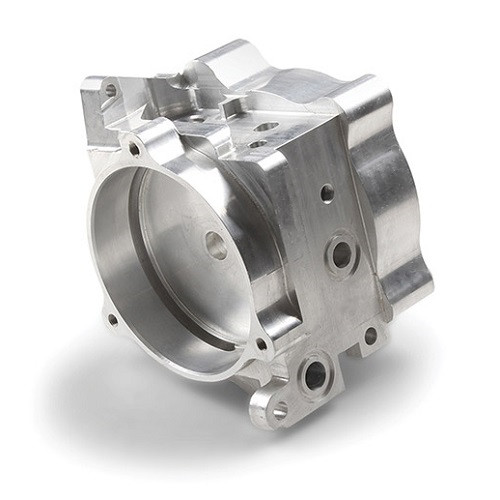
For instance, a 5-axis CNC machining center with a tilting-rotary table (trunnion) might have a low-profile bridge moving in X and Y, while the part itself is tilted and rotated to present all surfaces to a spindle with relatively modest Z-stroke. This design encapsulates the principle: optimize rigidity where forces are generated (the moving structure) and provide flexibility in part positioning.
Conclusion: A Symphony of Engineering Compromises, Optimized for Performance
The question, “Why are CNC machines so short?” reveals a fundamental truth about advanced manufacturing: form follows function in the most rigorous way. The compact vertical profile is not a shortcoming but a signature of high-performance design. It represents the optimal compromise between the need for a large work envelope and the non-negotiable requirements of rigidity, thermal stability, and operational ergonomics. This design philosophy is at the heart of the equipment we select and operate at GreatLight Metal. It is this foundational stability that allows our engineering team to push the boundaries of what’s possible in precision 5-axis CNC machining, transforming complex designs into flawless, high-reliability parts for our clients worldwide. When evaluating a machining partner, understanding their investment in such purpose-built technology is key to predicting the quality and consistency of your manufactured components.
Frequently Asked Questions (FAQ)
Q1: Does a “shorter” CNC machine mean it can’t machine tall parts?
A: Not necessarily. The external height and the Z-axis travel capability are related but distinct. Many compact machines use a “drop-table” design or a movable spindle with a fixed table to achieve significant vertical travel. The key is the machine’s specific kinematic configuration and work envelope specifications, not its outer casing height.
Q2: Are all types of CNC machines “short”?
A: While a trend, it’s not universal. Large gantry mills for machining aerospace frames or molds can be very tall to accommodate the workpiece. However, even these machines are designed with extreme rigidity in mind, often using massive, reinforced vertical columns. For the majority of precision part manufacturing (parts under ~1-meter cube), the compact, rigid design dominates.
Q3: How does machine design impact the cost of my parts?
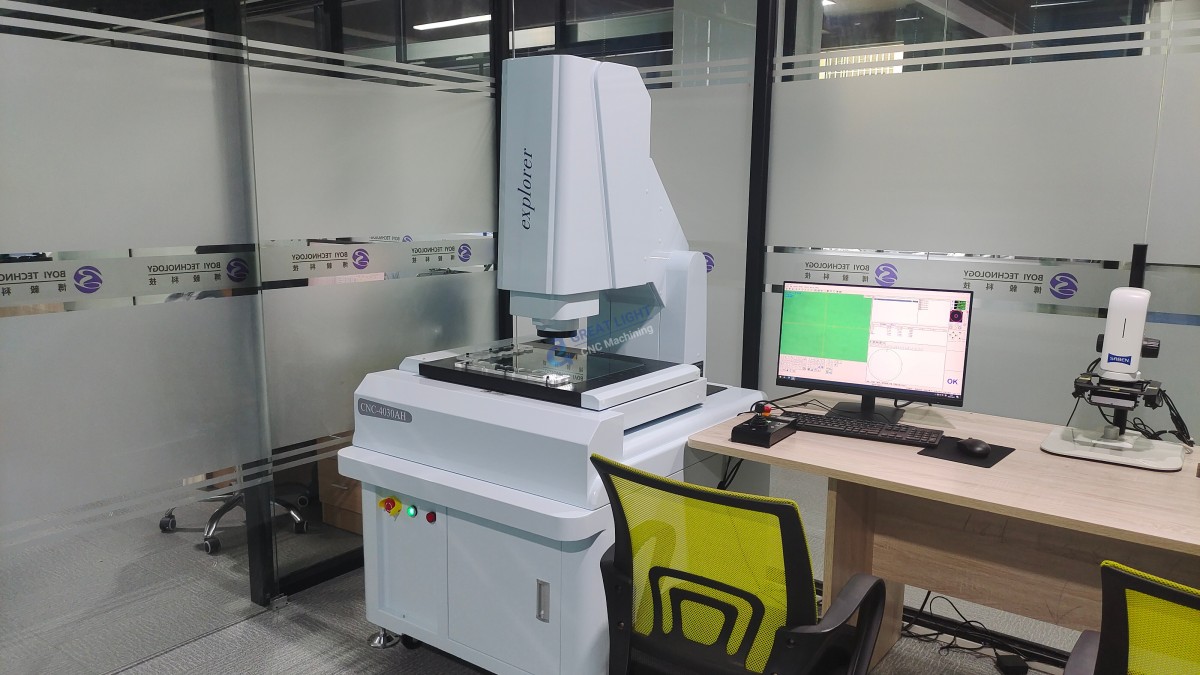
A: Directly and significantly. A more rigid and thermally stable machine produces parts with higher accuracy and better surface finish in less time, with fewer rejects. It can handle more aggressive cutting parameters safely. This translates to lower cost per quality part. Investing in a partner with advanced, properly engineered equipment like GreatLight Metal often results in a lower total cost of ownership for precision components.
Q4: As a client, should I ask about the machine brands and design my supplier uses?
A: Absolutely. An informed client is a empowered client. Asking about the machine portfolio, its design principles (e.g., monoblock castings, thermal management), and calibration standards gives you deep insight into a supplier’s capability ceiling and commitment to quality. It separates commodity shops from true engineering partners.
Q5: Where can I learn more about advanced manufacturing partnerships and industry trends?
A: For ongoing insights into precision manufacturing and industry innovations, you can follow professional discussions and updates on platforms like GreatLight’s LinkedIn.



















