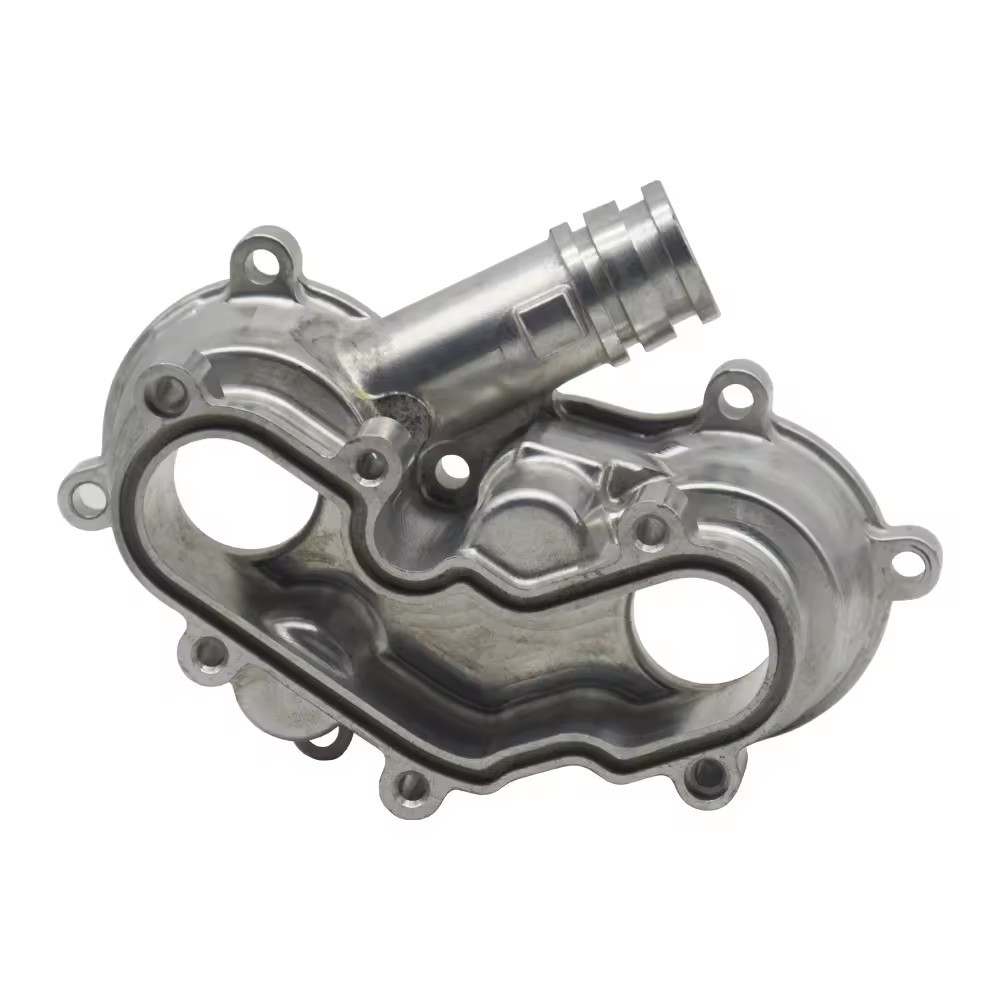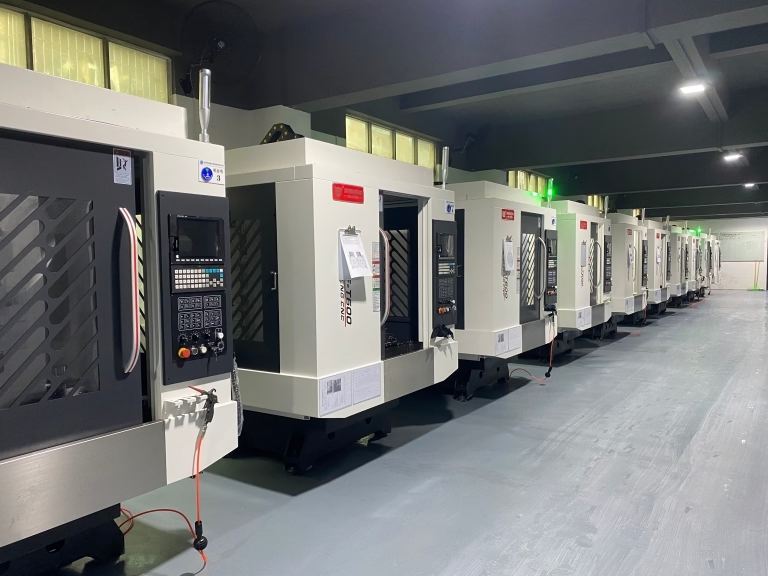
When it comes to answering the question “Which Tool Used In CNC Machine?”, precision machining professionals know that the right tooling is not just a list of components—it’s the backbone of consistent, high-quality part production, especially for complex projects that demand tight tolerances and intricate geometries. At GreatLight CNC Machining Factory, we leverage a comprehensive suite of CNC tools and supporting equipment to turn even the most challenging design concepts into tangible, precision parts, backed by over a decade of industry expertise and rigorous international certifications.
Which Tool Used In CNC Machine? A Comprehensive Guide for Precision Manufacturing
The world of CNC (Computer Numerical Control) machining relies on a coordinated ecosystem of tools, each serving a critical role in transforming raw materials into finished parts. From cutting tools that shape the material to inspection tools that verify precision, every component in this ecosystem directly impacts the final product’s quality, lead time, and cost efficiency. Below, we break down the key tool categories, their functions, and how GreatLight CNC Machining Factory optimizes these tools to solve client pain points across industries like aerospace, automotive, medical, and humanoid robotics.
The Foundation: Cutting Tools for CNC Machining
Cutting tools are the workhorses of CNC machining, responsible for removing material to achieve the desired part geometry. The choice of cutting tool depends on the material being processed (aluminum, titanium, stainless steel, plastic), the machine type (3-axis, 4-axis, 5-axis), and the required precision.
End Mills
End mills are the most versatile cutting tools in CNC machining, used for milling flat surfaces, slots, pockets, and complex 3D contours. They come in various shapes—square, ball nose, corner radius—and materials (high-speed steel, carbide, coated carbide). For projects requiring ultra-complex geometries, our team relies on high-performance coated carbide end mills paired with state-of-the-art five-axis CNC machining centers—learn more about our precision 5-axis CNC machining services here. These tools excel in machining hard-to-cut materials like titanium alloy for aerospace components and aluminum for humanoid robot joints, maintaining sharp edges longer to reduce tool change downtime and ensure consistent precision down to ±0.001mm.
Drills & Reamers
Drills create initial holes in raw material, while reamers refine those holes to achieve exact diameters and smooth surfaces. GreatLight uses solid carbide drills for deep hole drilling in mold steel, paired with high-pressure coolant systems to flush away chips and prevent tool breakage. Our reamers, made with precision-ground edges, are critical for medical parts requiring tight tolerances (compliant with ISO 13485 standards), ensuring holes are perfectly sized for surgical instrumentation.
Taps & Threading Tools
Taps cut internal threads into pre-drilled holes, while threading inserts create external threads. We select taps based on material hardness—for example, spiral-flute taps for blind holes in plastic parts and straight-flute taps for through holes in stainless steel. For high-volume automotive engine component production (IATF 16949 certified), we use indexable threading inserts that can be quickly replaced, reducing setup time and ensuring thread consistency across thousands of parts.
Indexable Inserts
Indexable inserts are replaceable cutting tips attached to tool holders, eliminating the need to replace entire tools when the cutting edge wears out. These inserts are ideal for high-volume production of flat surfaces or large parts, as they reduce tool costs and downtime. GreatLight uses coated indexable inserts (TiN, TiCN, TiAlN) for machining mold steel and cast iron, maximizing tool life and surface finish quality.
Secure & Consistent: Holding Tools for CNC Workpieces
Even the best cutting tools can’t deliver precision if the workpiece isn’t held securely. Holding tools ensure the raw material stays fixed in place during machining, preventing movement that could lead to errors or scrapped parts.
Chucks & Collets
Chucks are used to hold cylindrical workpieces in CNC lathes, while collets provide high-precision holding for small diameter parts in milling machines. GreatLight uses hydraulic chucks for heavy-duty lathe operations, offering exceptional grip strength for large automotive crankshafts, and ER collets for milling projects requiring tight runout (less than 0.002mm) to ensure consistent part geometry.
Vises & Custom Fixtures
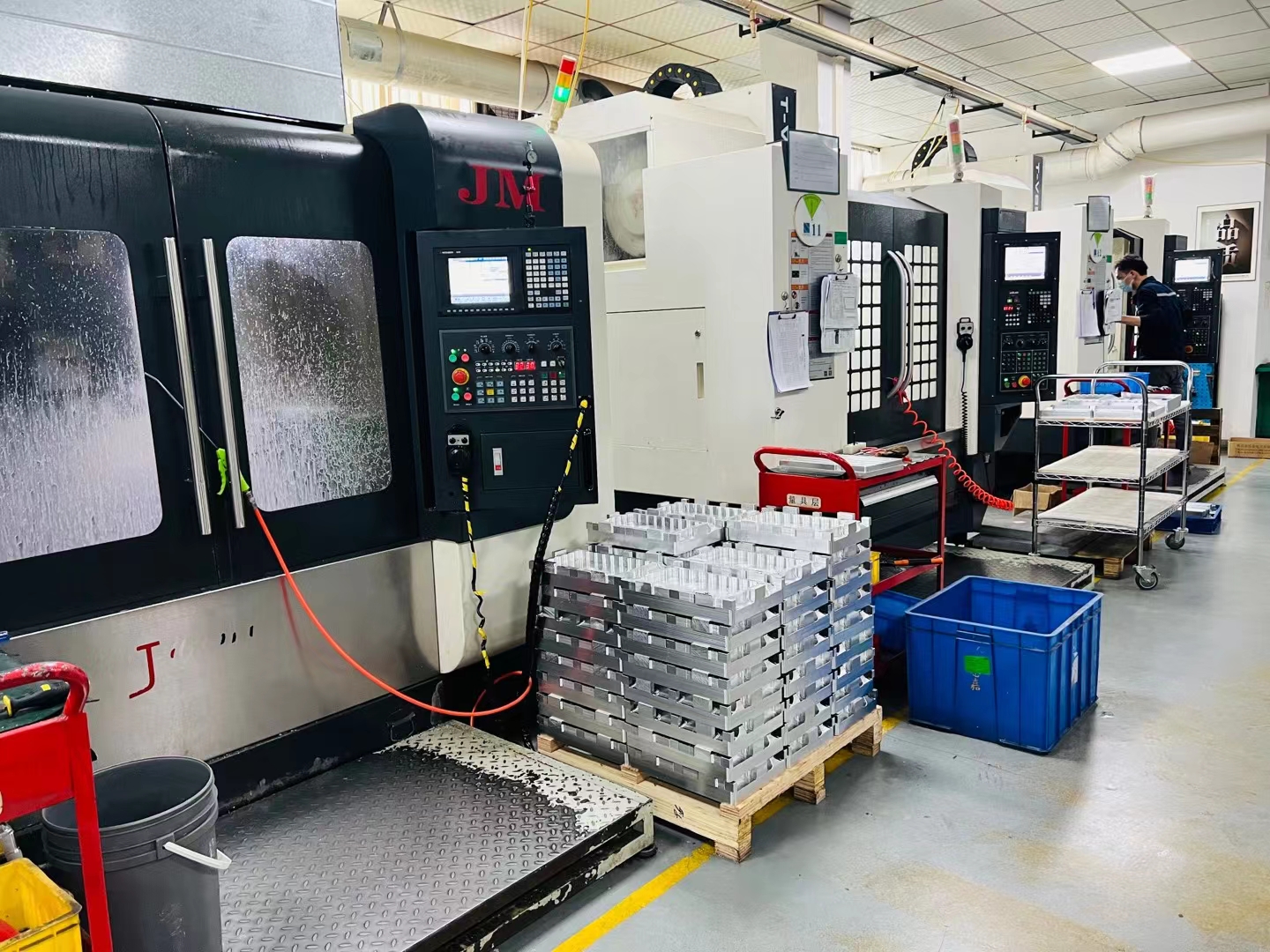
Vises are standard holding tools for flat or rectangular workpieces, but for complex or high-volume parts, custom fixtures are essential. GreatLight’s in-house fixture design team creates dedicated fixtures that align multiple workpieces simultaneously, reducing setup time by up to 40% for clients requiring batch production of precision prototype models. These fixtures are especially valuable for sheet metal processing and die casting parts, ensuring every part is machined to the same exact specifications.
Precision Verification: Measuring & Inspection Tools
Without accurate measurement, even the most carefully machined parts can fail to meet client requirements. GreatLight’s commitment to quality is backed by a suite of advanced measuring and inspection tools, compliant with ISO 9001:2015 standards.
Coordinate Measuring Machines (CMMs)
CMMs are the gold standard for 3D precision inspection, using a probe to measure hundreds of points on a part and compare them to the original CAD design. GreatLight’s in-house CMMs can measure parts up to 4000mm in size, ensuring large aerospace structural components meet strict dimensional requirements. Every part undergoes a full CMM inspection before shipment, providing clients with a detailed quality report for complete transparency.
Micrometers & Calipers
For quick, on-machine measurements during production, our team uses digital micrometers and calipers with precision down to 0.001mm. These tools are essential for real-time adjustments, reducing the risk of producing scrapped parts and shortening lead times for urgent prototype projects.
Laser Scanners & Optical Comparators
Laser scanners capture 3D surface data to inspect complex geometries that are difficult to measure with traditional tools, like free-form surfaces on medical implants or humanoid robot limbs. Optical comparators project a magnified image of the part onto a screen, allowing technicians to compare it to a CAD overlay for quick visual and dimensional checks. GreatLight uses these tools to verify surface finish and form accuracy, ensuring parts not only meet dimensional specs but also functional requirements.
Optimizing Performance: Supporting Equipment for CNC Machining
Behind every precision CNC operation is a set of supporting tools that enhance efficiency, extend tool life, and ensure consistent quality.
Coolant Systems
Coolant systems deliver liquid or mist to the cutting zone, reducing heat and friction between the tool and workpiece. GreatLight uses high-pressure coolant systems (up to 1000 PSI) for deep hole drilling and hard material machining, which flushes away chips to prevent tool clogging and breakage. This not only extends tool life by 30% but also improves surface finish quality.
Tool Setters & Presetters
Tool setters automatically measure tool length and diameter, eliminating manual setup errors and reducing machine downtime. GreatLight’s 5-axis machining centers are equipped with automatic tool setters that can adjust tool offsets in real time, ensuring every cut is precise. For offline setup, we use tool presetters to measure tools before they are loaded into the machine, further reducing setup time for batch production.
Spindle Speed Controllers
Spindle speed controllers adjust the rotational speed of the machine’s spindle to match the cutting tool and material. Our team uses variable-frequency drive spindle controllers to optimize speed for each operation—for example, high speeds for aluminum machining to reduce heat buildup, and low speeds for titanium to maximize tool engagement. This precision adjustment ensures consistent part quality and reduces tool wear.
GreatLight’s Tooling Strategy: Beyond Tools to End-to-End Solutions
At GreatLight CNC Machining Factory, we don’t just use tools—we leverage our expertise to select the right tooling combination for every project, tailored to the client’s unique needs. Our team of 150+ professionals, including experienced tooling engineers, works closely with clients to understand their design requirements, material choices, and production volumes. For example:
Aerospace Clients: We use carbide end mills with diamond coatings to machine titanium alloy parts, paired with CMM inspection to meet strict industry standards, ensuring parts are safe and reliable for aircraft applications.
Automotive Engine Component Clients: Our IATF 16949 certified production lines use indexable inserts and custom fixtures to produce thousands of consistent parts, reducing lead times by 25% compared to traditional machining setups.
Medical Hardware Clients: We adhere to ISO 13485 standards, using sterile tooling and inspection protocols to machine surgical instruments, with free rework guarantees if parts fail to meet medical device specifications.
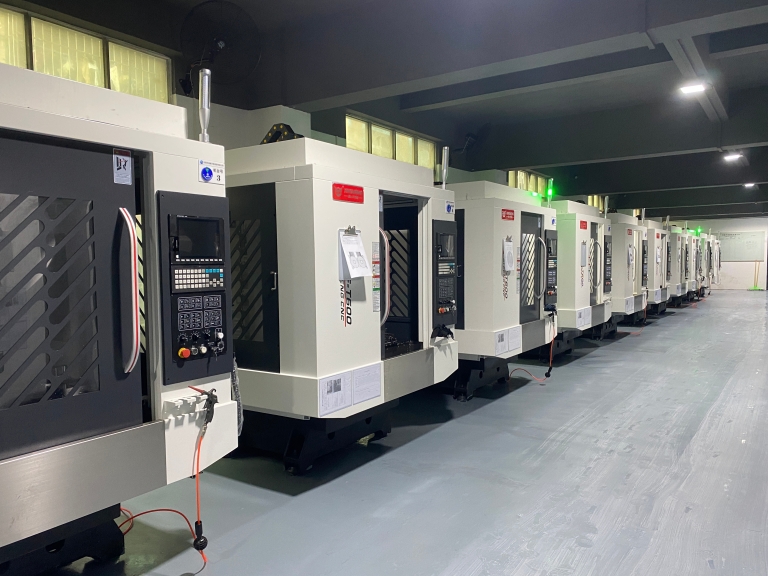
Our 7600 square meter facility, with three wholly-owned manufacturing plants and 127+ pieces of precision equipment, allows us to house all tooling and operations in-house, eliminating the need for third-party vendors and reducing lead times. We also offer one-stop post-processing services—including anodizing, sandblasting, and powder coating—using specialized tools to ensure parts meet aesthetic and functional finish requirements.
Conclusion
Answering “Which Tool Used In CNC Machine?” requires more than just listing components—it’s about understanding how each tool contributes to a cohesive, efficient production process that delivers precision, consistency, and value. At GreatLight CNC Machining Factory, we combine our comprehensive tool ecosystem, industry expertise, and rigorous certifications to solve the most pressing pain points for clients across high-end industries. Whether you need a single precision prototype or a high-volume production run, our tooling strategy ensures your parts meet the highest standards, backed by a free rework guarantee and full refund if rework is unsatisfactory. The question “Which Tool Used In CNC Machine?” is not just about tools—it’s about choosing a partner that knows how to use them to your advantage. To connect with our team and explore how our tooling expertise can elevate your next project, visit our LinkedIn page.
Frequently Asked Questions (FAQ)
1. What is the most commonly used CNC tool?
End mills are the most versatile and commonly used CNC tools, suitable for milling flat surfaces, slots, pockets, and complex 3D contours. They are compatible with 3-axis, 4-axis, and 5-axis CNC machines, making them ideal for a wide range of projects from prototypes to high-volume production.
2. How do you choose the right CNC cutting tool for a project?
The choice depends on three key factors:
Material: Hard materials like titanium require carbide tools with heat-resistant coatings, while plastic can be machined with high-speed steel tools.
Machine Type: 5-axis machines benefit from ball nose end mills for complex 3D machining, while 3-axis machines may use square end mills for flat surfaces.
Precision Requirements: Tight tolerances (±0.001mm) require precision-ground tools with minimal runout, paired with high-precision holding fixtures.
At GreatLight, our tooling engineers analyze your CAD design, material, and production volume to recommend the optimal tooling combination for your project.
3. Does GreatLight provide custom tooling solutions?
Yes. We offer custom fixture design and fabrication services to meet the unique holding needs of complex parts. Our in-house fixture team creates dedicated fixtures that reduce setup time, improve repeatability, and ensure consistent quality for high-volume production runs. We also work with specialized tooling suppliers to source custom cutting tools for extremely unique geometries or material requirements.
4. How does tool selection affect part precision?
Poor tool selection can lead to dimensional inaccuracies, surface finish defects, and tool breakage. For example, using a high-speed steel end mill for titanium machining will result in rapid tool wear, leading to inconsistent cuts. At GreatLight, we select tools with the right material, coating, and geometry to minimize tool wear, reduce vibration, and maintain precision down to ±0.001mm, compliant with our ISO 9001:2015 certification standards.
5. What inspection tools does GreatLight use to ensure part quality?
We use a comprehensive suite of inspection tools, including coordinate measuring machines (CMMs) for full 3D dimensional inspection, digital micrometers and calipers for on-machine checks, laser scanners for complex geometry inspection, and optical comparators for surface finish verification. Every part undergoes a full inspection before shipment, with a detailed quality report provided to clients for complete transparency.
6. Does GreatLight offer tool maintenance and replacement services?
Yes. Our in-house tool room provides regular maintenance, sharpening, and replacement services for cutting tools to ensure optimal performance. We also maintain a large inventory of common tools to minimize downtime for urgent projects. For high-volume production runs, we implement tool life management systems to schedule replacements before tools wear out, ensuring consistent quality throughout the run.