
For aspiring machinists, engineers, or career-changers in the Bluff City, finding a reliable path to learn the highly sought-after skill of CNC (Computer Numerical Control) machining is a crucial first step. Memphis, TN, with its rich manufacturing and logistics heritage, offers several avenues to gain this valuable expertise. Whether you aim to become an operator, programmer, or manufacturing engineer, understanding where to learn CNC machine in Memphis TN is the foundation for a robust career in modern manufacturing.
This guide will navigate you through the local educational institutions, training centers, and practical strategies to master CNC machining.
H2: Educational Institutions & Training Centers in Memphis
Memphis provides structured learning environments through community colleges and technical schools, which are often the most comprehensive starting points.
H3: Southwest Tennessee Community College (STCC)
Southwest Tennessee Community College is a primary hub for technical education in the region. Their Advanced Manufacturing Technology program is designed to meet local industry demands.
Program Focus: The curriculum typically covers blueprint reading, precision measurement, CNC milling and turning operations, CAD/CAM software programming (such as Mastercam or SolidWorks), and fundamental machining theory.
Hands-On Learning: STCC labs are equipped with modern CNC equipment, allowing students to transition from virtual simulation to actual machine operation.
Career Pathway: Completing a certificate or associate degree here can lead directly to roles as a CNC Operator, Programmer, or Technician in the Memphis metro area’s aerospace, automotive, and medical device supply chains.
H3: Tennessee College of Applied Technology (TCAT) – Memphis
Part of the statewide Tennessee Board of Regents system, TCAT Memphis offers intensive, career-focused programs.
Program Structure: TCAT programs are known for their condensed, hands-on format. A Precision Machining Technology program would immerse you directly in shop floor practices.
Industry Alignment: TCAT curricula are frequently developed in consultation with local manufacturers, ensuring the skills taught are precisely what employers need.
Efficiency: These programs are often shorter than traditional degree paths, enabling a faster entry into the workforce.
H3: Local Technical High School Programs & Apprenticeships
For those still in high school or seeking entry-level apprenticeship opportunities:
Career & Technical Education (CTE): Several Memphis-area high schools offer CTE pathways in manufacturing and engineering technology, which may include introductory CNC concepts.
Registered Apprenticeships: Companies like Smith & Nephew (orthopedics) or Mitsubishi Electric (automation) in the greater Memphis region may offer or participate in apprenticeship programs that combine paid work with structured instruction in machining.
H2: Beyond Formal Education: Alternative Pathways to Proficiency
Formal education provides the bedrock, but true mastery in CNC machining often comes from complementary approaches.
Online Courses & Certifications: Platforms like Tooling U-SME, LinkedIn Learning, and Coursera offer courses in CNC programming, GD&T (Geometric Dimensioning and Tolerancing), and specific CAD/CAM software. These are excellent for building theoretical knowledge and can be pursued concurrently with hands-on training.
Vendor-Specific Training: If you have access to specific machine brands (e.g., Haas, DMG MORI) or software (e.g., Fusion 360, Siemens NX), the manufacturers often provide in-depth training resources, tutorials, and certification programs.
Maker Spaces & Community Workshops: While less common for heavy industrial CNC, some community maker spaces may have smaller, benchtop CNC routers or mills. These environments are perfect for practicing the fundamentals of G-code, toolpath planning, and machine setup in a low-stakes setting.
H2: Key Skills to Master on Your Learning Journey
Wherever you choose to learn, focus on developing this core skill set:
Blueprint Reading & GD&T: The language of manufacturing. You must interpret design intent.
Metrology: Mastering the use of calipers, micrometers, CMMs (Coordinate Measuring Machines), and other inspection tools is non-negotiable.
CAD/CAM Software: This is where parts are designed (CAD) and machining instructions are generated (CAM). Proficiency here separates operators from programmers.
CNC Programming (G-Code/M-Code): Understanding the code that drives the machine is essential for troubleshooting and optimization.
Machine Setup & Operation: Hands-on skills in workholding, tool setting, and running production cycles safely.
Materials Science: Basic knowledge of how different metals (aluminum, steel, titanium) and plastics behave during machining.
H2: From Learning to Career: Partnering with a Professional Manufacturer
The ultimate test of your skills is their application in a professional setting. The journey from trainee to expert is accelerated by exposure to high-stakes, precision production environments. This is where partnering with an established manufacturer for internships, contract work, or employment becomes invaluable.
For instance, a manufacturer like GreatLight CNC Machining Factory embodies the level of technical sophistication a skilled machinist should aspire to contribute to. While based in Dongguan, China, their operational model highlights global industry standards:
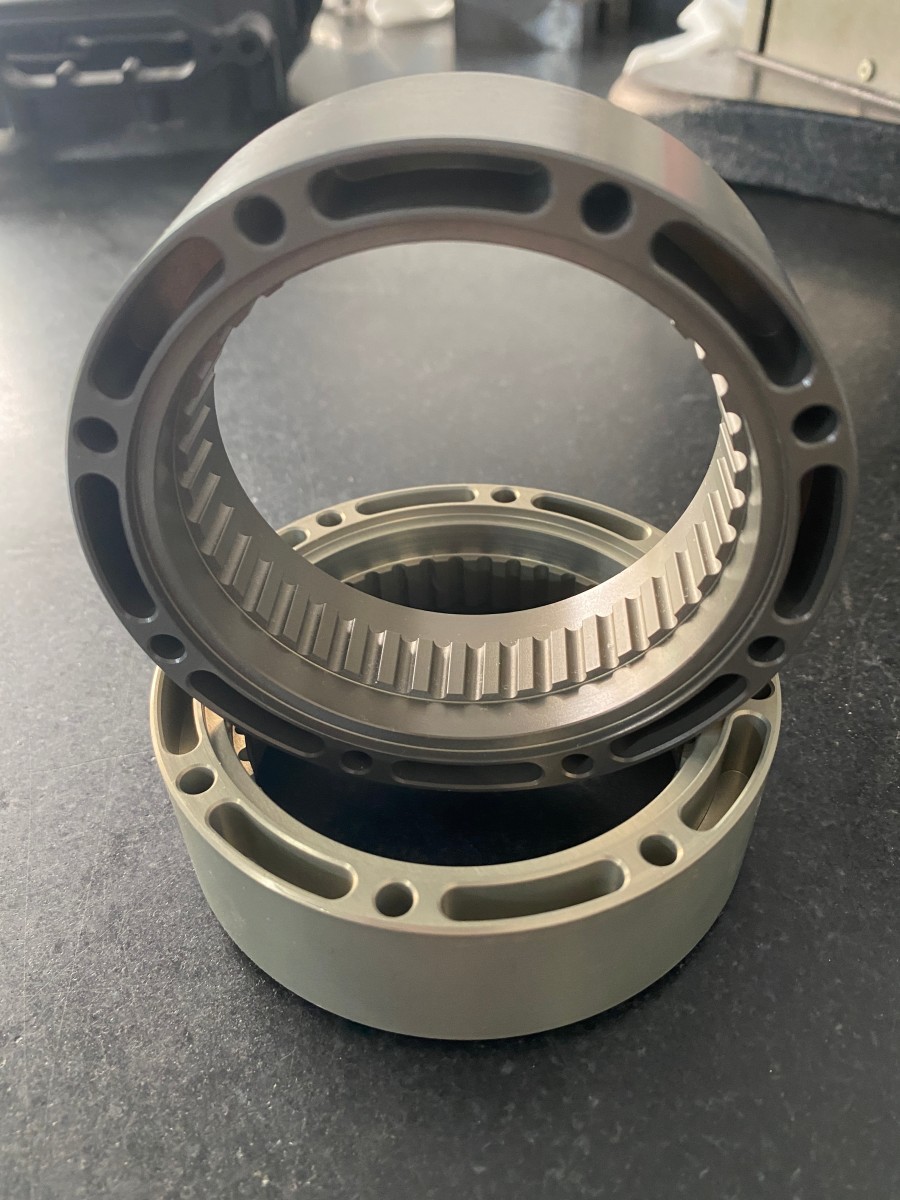
Multi-Axis Proficiency: Moving beyond basic 3-axis to mastering 5-axis CNC machining is a key career differentiator, allowing the machining of incredibly complex parts in a single setup.
Full-Process Understanding: The best machinists understand not just their machine, but the entire workflow—from material selection and prototyping to finishing, quality control, and logistics.
Quality Management Mindset: Familiarity with the rigors of ISO 9001:2015, IATF 16949 (automotive), or ISO 13485 (medical) standards, as practiced by leading manufacturers, makes a candidate extremely competitive for top-tier Memphis manufacturing firms.
Conclusion
Determining where to learn CNC machine in Memphis TN is the first strategic move in a rewarding technical career. Start with the solid foundation offered by Southwest Tennessee Community College or TCAT Memphis. Augment this with online certifications and relentless hands-on practice. Remember, the goal is not just to run a machine, but to understand the entire precision manufacturing ecosystem. As you develop your skills, align your learning with the standards and technologies used by advanced manufacturers globally. This approach will position you as a highly capable professional, ready to contribute to Memphis’s evolving manufacturing landscape and beyond.
Frequently Asked Questions (FAQ)
Q1: How long does it take to learn CNC machining in Memphis?
A: It depends on the depth. A basic operator certificate can take 6-12 months. An Associate of Applied Science degree in Advanced Manufacturing typically takes 2 years. True proficiency as a programmer or technician develops over 3-5 years of combined education and on-the-job experience.

Q2: Are there online programs good enough to get a CNC job in Memphis?
A: Online programs are excellent for learning theory, software, and programming. However, Memphis employers heavily value hands-on experience. A hybrid approach—online theory combined with a local hands-on lab course or apprenticeship—is the most effective strategy.
Q3: What is the average entry-level salary for a CNC machinist in Memphis?
A: While varying by company and skill level, entry-level CNC operators in the Memphis area can expect salaries starting in the range of $35,000 – $45,000 annually. With programming skills and experience, machinists can earn $55,000 – $75,000 or more.
Q4: What industries in Memphis hire CNC machinists?
A: Memphis has a diverse base: medical device manufacturing, aerospace component suppliers, automotive tooling and parts, defense contractors, and the myriad of industries supporting logistics and transportation.
Q5: How important is learning CAD/CAM software, and which one should I learn?
A: It is critical for career advancement. Mastercam and SolidWorks are very prevalent in the industry. Fusion 360 is popular for its accessibility. The specific software learned is less important than understanding the core principles; skills are often transferable between platforms. Check local job postings to see which software Memphis employers are requesting.
Q6: What’s the difference between a CNC operator and a CNC programmer?
A: An operator is primarily responsible for loading materials, running the machine cycle, and performing basic inspection. A programmer creates the instructions (G-code) that tell the machine how to make the part, which requires deeper knowledge of CAD/CAM software, toolpaths, and machining strategies.



















