
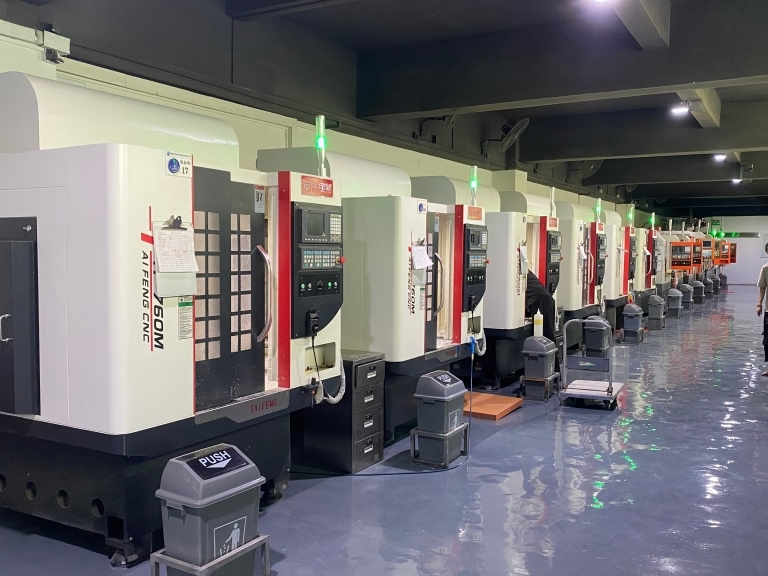
In the modern manufacturing landscape, the question is less “Where can I use a CNC machine?” and more “Where isn’t CNC machining used?” Computer Numerical Control (CNC) machining has evolved from a specialized production method into the fundamental backbone of precision manufacturing. Its unique ability to translate digital designs into complex, high-tolerance physical parts with repeatable accuracy makes it indispensable across virtually every sector that relies on hardware.
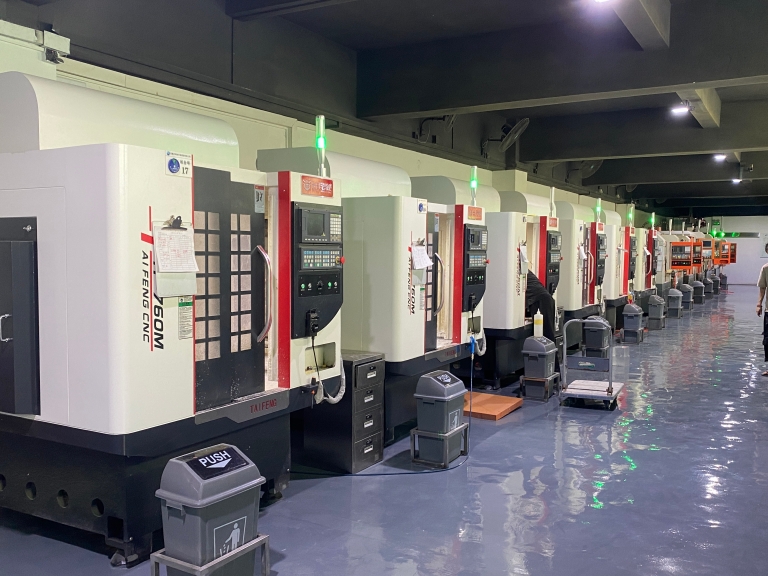
From the smartphone in your pocket to the satellite orbiting Earth, CNC technology plays a critical role. Its applications span prototyping, custom one-off parts, medium-volume production, and even components for mass-manufactured goods via molds and tooling. Let’s explore the vast and varied landscapes where CNC machining is not just used, but is often the preferred and only viable manufacturing solution.
H2: The Universal Tool: Core Strengths That Enable Widespread Use
Before diving into specific industries, it’s crucial to understand why CNC is so ubiquitous. Its application is driven by several unmatched strengths:
Extreme Precision and Repeatability: Capable of achieving tolerances within ±0.001mm, it is essential for parts where fit and function are non-negotiable.
Material Versatility: Can process metals (aluminum, stainless steel, titanium, brass, alloys), plastics (PEEK, Delrin, Nylon), and even composites and woods.
Complex Geometry Mastery: 5-axis CNC machining excels at producing parts with intricate contours, deep cavities, undercuts, and organic shapes that are impossible with manual machining.
Superior Surface Finish: Delivers excellent surface quality directly from the machine, often reducing or eliminating the need for secondary finishing.
Scalability: Efficiently produces a single prototype or hundreds of identical parts with consistent quality.
H2: Key Industries and Applications of CNC Machining
H3: 1. Aerospace & Aviation
This sector demands the absolute pinnacle of reliability, performance under extreme conditions, and weight optimization. CNC is the gold standard here.
Components: Turbine blades, engine mounts, landing gear components, structural brackets, fuel system parts, and无人机 (UAV) frames.
Critical Requirements: Use of high-strength, heat-resistant alloys (like Inconel, titanium); ultra-high precision for aerodynamic surfaces; rigorous certification and traceability (AS9100 standard).
H3: 2. Automotive & Motorsports
From daily drivers to Formula 1 cars, CNC enables performance, customization, and innovation.
Applications: Prototype engine blocks and cylinder heads, custom suspension components (A-arms, knuckles), transmission parts, bespoke interior elements, and specialized tooling for production lines.
Critical Requirements: Ability to handle both high-volume production of master models and low-volume, high-performance custom parts; excellent strength-to-weight ratios.
H3: 3. Medical & Dental Devices
Where human health is concerned, precision, biocompatibility, and sterilizability are paramount. CNC machining meets these stringent demands.
Components: Surgical instruments (forceps, bone saws, laparoscopic tools), orthopedic implants (knee, hip, spinal), dental abutments and crowns, MRI and CT scanner components, and enclosures for diagnostic equipment.
Critical Requirements: Machining of biocompatible materials (medical-grade stainless steel 316L, titanium Ti6Al4V, PEEK); flawless surface finishes to prevent bacterial adhesion; compliance with ISO 13485 medical device standards.
H3: 4. Consumer Electronics
The sleek, compact, and powerful devices we use daily rely heavily on CNC for both prototyping and production.
Applications: Unibody laptop and smartphone casings, heatsinks for processors, connector housings, internal structural brackets, and molds for plastic injection molding of device components.
Critical Requirements: Extremely tight tolerances for perfect assembly; flawless cosmetic finishes (anodizing, polishing); efficient machining of aluminum alloys for optimal strength and heat dissipation.
H3: 5. Industrial Machinery & Automation
This is the backbone of manufacturing itself, where durability and precision ensure other production lines run smoothly.
Components: Custom gears, shafts, rollers, robotic end-effectors (grippers), machine tool fixtures and jigs, housing for drives and sensors, and conveyor system parts.
Critical Requirements: High wear resistance; ability to machine hardened tool steels; precision for alignment and motion control systems.
H3: 6. Energy & Robotics
Pushing the boundaries in renewable energy and advanced robotics requires robust, precise components.
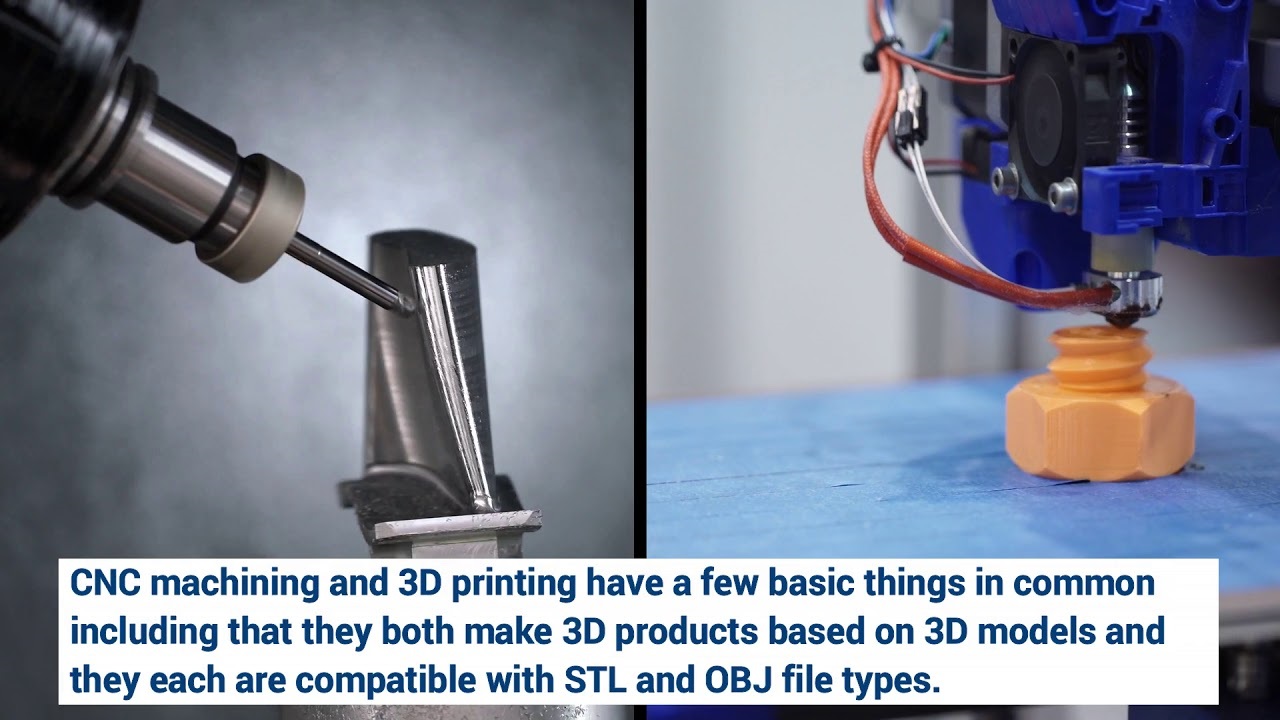
Applications:
Energy: Components for wind turbines (gearbox parts), heat exchangers for solar thermal systems, drilling equipment for oil & gas, and housings for battery packs in新能源 vehicles.
Robotics: Structural frames, joint assemblies, actuator components, and custom sensors housings for industrial, service, and humanoid robots. The need for lightweight yet strong parts with complex internal channels for wiring makes 5-axis CNC machining particularly valuable here.
H3: 7. Defense, Marine, and Scientific Instruments
Environments that are harsh, remote, or require extreme precision depend on CNC-manufactured reliability.
Applications: Components for naval vessels, communication equipment housings, firearm parts (with proper licensing), underwater ROV (Remotely Operated Vehicle) components, and precision parts for spectrometers, telescopes, and lab equipment.
Critical Requirements: Corrosion resistance (often via material choice and post-processing); ability to withstand shock and vibration; extreme dimensional stability for scientific accuracy.
H2: The Role of Advanced Suppliers in Maximizing CNC Potential
Having a CNC machine is one thing; unlocking its full potential across these diverse fields requires deep expertise. This is where partnering with a specialist manufacturer becomes a strategic advantage. A partner like GreatLight CNC Machining Factory embodies the capabilities needed to navigate this complex landscape.
Our role extends beyond simply operating machines. We function as an engineering partner, helping clients determine:
The optimal manufacturing process (3-axis vs. 4-axis vs. 5-axis CNC, or when to combine with additive manufacturing).
The best material selection for the application’s mechanical, thermal, and chemical requirements.
Design for Manufacturability (DFM) feedback to optimize part design for cost, strength, and machining efficiency without compromising function.
Full-process integration, handling everything from initial material procurement to precision machining, meticulous post-processing (anodizing, plating, painting), and final quality inspection with comprehensive reporting.
Our certifications, including ISO 9001:2015 for quality management, ISO 13485 for medical devices, and IATF 16949 for automotive, are not just certificates on a wall. They are testaments to a systematic, audited approach to quality that provides assurance for clients in the most regulated industries. Whether you are a startup developing a novel robotic actuator or an established aerospace firm needing a reliable source for mission-critical components, this framework of trust is essential.
Conclusion
So, where can you use a CNC machine? The answer is effectively anywhere a high-degree of dimensional control, material integrity, and design complexity is required. It is the enabling technology that turns innovative concepts into functional, reliable, and market-ready hardware. From prototyping an idea to producing specialized components that keep global industries moving, CNC machining’s versatility and precision make it an unparalleled tool in the modern engineer’s arsenal. The real question for innovators and businesses is not if they can use CNC, but how to best leverage its capabilities through a knowledgeable and capable manufacturing partner to bring their most challenging designs to life.
FAQ
Q1: My part is relatively simple. Is CNC machining still the right choice, or should I use a different process?
A: For simple 2D shapes (like flat plates with holes), laser cutting or punching might be more cost-effective. For simple turned parts (like shafts, bushings), a basic lathe could suffice. However, CNC machining offers advantages even for simple parts when you require very tight tolerances, specific material grades, superior surface finishes, or when you are consolidating multiple simple operations into one setup. A good supplier will advise on the most cost-effective process for your specific needs.
Q2: What is the practical tolerance limit I should expect from a professional CNC shop?
A: While high-end machines can achieve ±0.001mm under ideal conditions, designing for and maintaining such tolerances across a production run is extremely costly. For most practical applications, ±0.025mm to ±0.05mm is considered standard high precision and is achievable and economical. Tighter tolerances (e.g., ±0.0125mm or below) should be specified only on critical features, as they significantly increase machining time, inspection effort, and cost.
Q3: Can CNC machines work with any material?
A: While incredibly versatile, there are limits. CNC machines are designed for materials that can be cut with tools, such as metals, plastics, and some composites. Materials like rubber, certain soft polymers, or ceramics are typically not suitable for traditional subtractive CNC machining and may require specialized processes like waterjet cutting or additive manufacturing.
Q4: Is CNC machining viable for very low volumes, like one or two prototype parts?
A: Absolutely. This is one of its greatest strengths. Unlike injection molding, which requires expensive tooling, CNC is ideal for low-volume and one-off production. You only pay for the programming and machining time for the parts you need, making it perfect for prototyping, custom fixtures, and bridge production before committing to high-volume tooling.
Q5: How do I choose between 3-axis, 4-axis, and 5-axis CNC machining for my project?
A: This depends on your part’s geometry:
3-Axis: Ideal for parts where all features can be accessed from the top (like plates, brackets, molds). It’s the most common and often most cost-effective for prismatic parts.
4-Axis: Adds a rotational axis, allowing machining on the sides of a part in a single setup. Excellent for cylindrical parts needing radial features (like camshafts, helical gears).
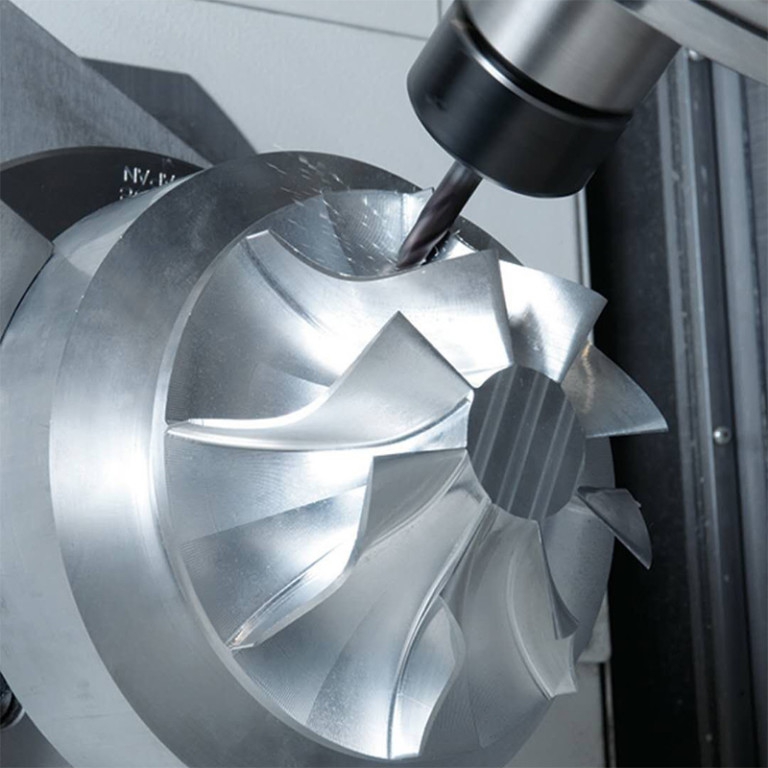
5-Axis: Allows the cutting tool to approach the part from any direction in a single setup. Essential for complex surfaces (impellers, turbine blades, aerospace structures), as it reduces setups, improves accuracy on complex geometries, and can often machine parts that are otherwise impossible. A supplier with in-house 5-axis capability, like GreatLight CNC Machining Factory, can provide the best guidance on which technology delivers optimal results for your specific design.
For more insights into the evolving world of precision manufacturing and industry trends, you can follow our professional updates on LinkedIn.



















