For professionals and newcomers in the precision parts machining and customization field, mastering CNC machine operation is a critical step towards transforming design concepts into tangible, high-quality components. This journey from knowledge to practical skill is essential for engineers, machinists, and business owners aiming to elevate their manufacturing capabilities. The path to learning is multifaceted, blending formal education, digital resources, and, most importantly, hands-on practice.
H2: Foundational Pathways to CNC Mastery
Becoming proficient in CNC operation is built upon a structured acquisition of knowledge. The learning curve can be navigated through several established channels.
H3: 1. Formal Technical Education & Vocational Training
For a comprehensive foundation, formal education remains unparalleled.
Technical Colleges & Community Colleges: Many institutions offer Associate Degrees or certificates in CNC Machining, Manufacturing Technology, or Mechatronics. These programs cover core principles like blueprint reading, Geometric Dimensioning and Tolerancing (GD&T), metallurgy, tooling, and hands-on lab work.
Vocational Schools & Trade Apprenticeships: These are highly focused, industry-driven programs designed to produce job-ready machinists. They often combine classroom instruction with extensive shop-floor training, sometimes in partnership with local manufacturers like GreatLight CNC Machining Factory, which values such practical, industry-aligned education for cultivating talent.
H3: 2. Online Learning Platforms & Digital Resources
The digital age offers flexible and accessible learning options.
Dedicated E-Learning Platforms: Websites like Titan Gilroy’s TITANS of CNC Academy, G-Code Tutor, and specific courses on Udemy or Coursera provide structured video tutorials, from basic G&M code programming to advanced multi-axis strategies.
Software-Specific Training: Mastery often begins with CAD/CAM software. Many providers (e.g., Autodesk Fusion 360, SolidWorks, Mastercam) offer extensive official tutorials, forums, and certification paths. Learning to create a toolpath virtually is a prerequisite to running a machine physically.
Manufacturer & Community Knowledge Bases: Machine tool builders (Haas, DMG MORI, etc.) publish detailed manuals and operational guides. Furthermore, industry forums and subreddits are invaluable for troubleshooting and learning from a global community of practitioners.
H3: 3. Hands-On Training: The Irreplaceable Core
Theory must meet metal. Practical experience is non-negotiable.
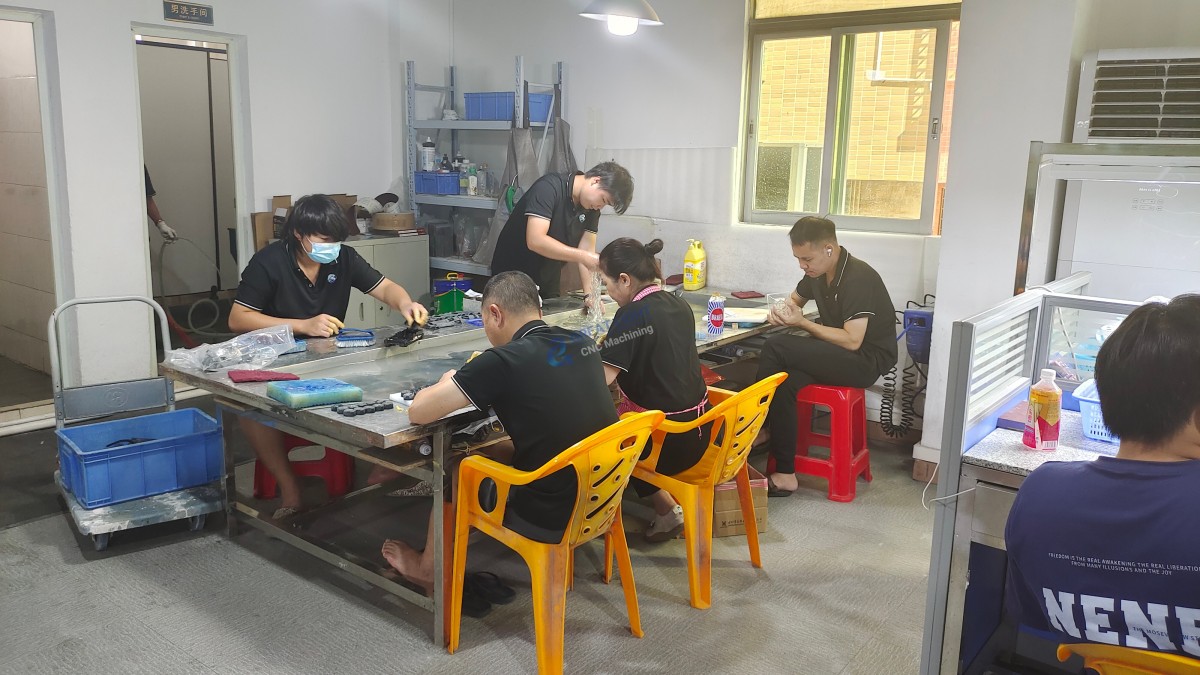
On-the-Job Training (OJT): Many skilled machinists start as shop floor assistants, learning under the mentorship of experienced programmers and operators. This immersive environment teaches not just machine operation, but also shop etiquette, workflow, and problem-solving under real production pressures.
Maker Spaces & Fab Labs: For hobbyists and entrepreneurs, local makerspaces often provide access to smaller CNC mills and lathes alongside basic training, offering a low-barrier entry point for prototyping and skill development.
Advanced Supplier-Led Workshops: Leading manufacturers distinguish themselves by offering deeper collaborative training. For instance, partners working with GreatLight Metal benefit from more than just part supply; they engage in technical dialogues where process engineers can explain the why behind specific machining strategies, clamp setups, or tool selections for their parts, providing context-rich learning that directly applies to their projects.
H2: The Learning Journey at an Advanced Manufacturing Partner
Choosing the right manufacturing partner can itself be a powerful educational experience. When you collaborate with a technically profound supplier, every interaction—from DFM feedback to final inspection reports—becomes a learning opportunity.
A partner like GreatLight CNC Machining Factory operates not just as a vendor but as an extension of your engineering team. When they receive a complex part file, their engineers don’t just quote it; they analyze manufacturability. The feedback you receive on optimizing wall thickness, adjusting internal corner radii for tool access, or selecting a more machinable alloy is practical, applied knowledge that enhances your own design-for-manufacturing acumen.
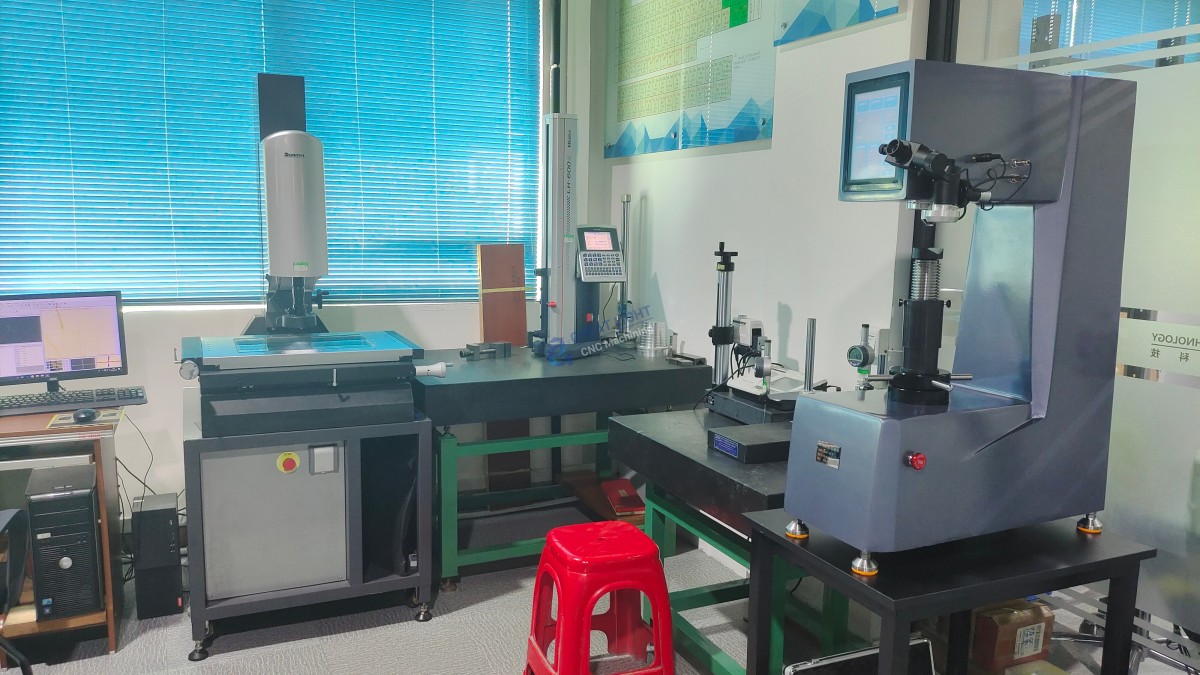
Witnessing how a seasoned manufacturer like GreatLight Metal tackles a challenging five-axis contour, manages thin-walled features to prevent distortion, or sequences operations to maintain ±0.001mm tolerances provides insights no textbook can match. This collaborative model transforms the client-supplier relationship into a continuous learning loop, where each project elevates your understanding of what is possible in precision-5-axis-cnc-machining-services.
Conclusion
Learning how to use a CNC machine is a progressive journey that combines structured education, self-directed digital learning, and indispensable hands-on practice. While formal courses build the foundation and online resources offer flexibility, true mastery is forged on the shop floor and through collaboration with industry experts. For businesses seeking not just parts but partnership, aligning with a certified, transparent manufacturer provides a unique, practical education in advanced manufacturing. It empowers you to design more effectively, specify more intelligently, and ultimately innovate with greater confidence, leveraging the deep technical reservoirs of partners who live and breathe precision machining every day.
FAQ: Learning CNC Machine Operation
Q1: I have no mechanical background. Can I still learn CNC operation?
A: Absolutely. While a background helps, many successful machinists start from scratch. Begin with foundational online courses in basic machining math, blueprint reading, and introductory CAD. A structured vocational program is highly recommended for beginners, as it provides a safe, guided environment for initial hands-on experience.
Q2: How long does it take to become a proficient CNC machinist or programmer?
A: Proficiency exists on a spectrum. Basic operation for simple parts can be learned in a few months of intensive training. Becoming a skilled machinist capable of tight-tolerance work typically takes 2-4 years of combined education and practice. Mastering advanced multi-axis programming and complex process engineering is a career-long pursuit of continuous learning.
Q3: Is certification important for getting a job in CNC machining?
A: Yes, certifications from recognized technical schools or software providers (e.g., NIMS credentials in the US, CAM software certifications) significantly enhance your resume. They provide objective validation of your skills to employers. For businesses, partnering with ISO 9001, IATF 16949, or AS9100 certified manufacturers like GreatLight Metal is itself a form of “certification,” assuring systematic expertise and quality management.
Q4: What’s the biggest mistake beginners make when starting with CNC?
A: Overlooking the fundamentals of manual machining and material science. Understanding how a tool interacts with metal, how heat affects dimensions, and why certain geometries are challenging is crucial. Jumping straight into G-code without understanding the physical process can lead to costly errors. Always respect the machine’s power and prioritize safety above all.
Q5: How can I stay updated with evolving CNC technology?
A: Engage continuously with the industry. Follow leading machine tool and cutting tool manufacturers, read trade publications, and participate in exhibitions. Furthermore, working with forward-thinking manufacturing partners who invest in new technologies—such as adopting new 5-axis strategies or metal 3D printing integration—is one of the most effective ways to stay at the cutting edge. You can follow industry insights and advancements from leaders in the field on platforms like LinkedIn.