
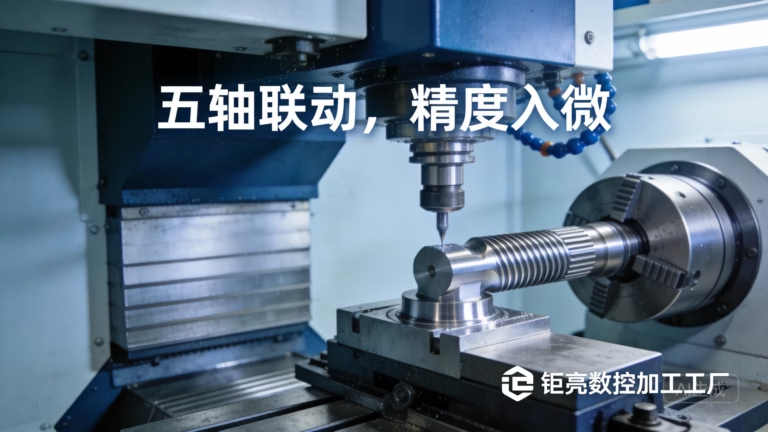
Gibson, the iconic American guitar manufacturer, adopted CNC (Computer Numerical Control) machining in a gradual, deliberate manner, balancing the need for production consistency and scalability with its longstanding commitment to traditional lutherie craftsmanship. Here’s a detailed breakdown of the timeline and context:
Late 1980s: Initial Experimentation and Limited Deployment
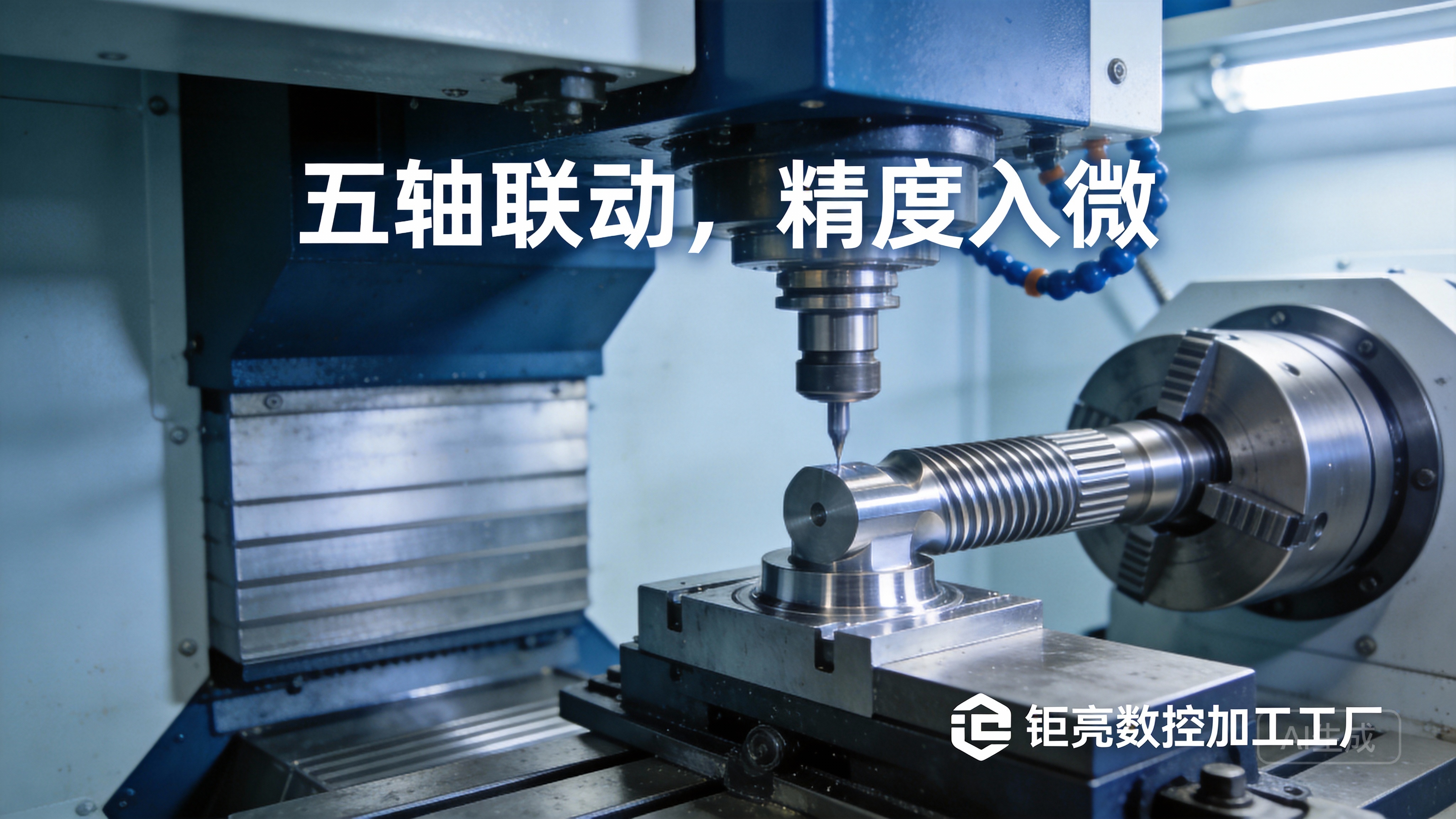
Gibson first began experimenting with CNC machines in the late 1980s. At this stage, the technology was used for highly specific, repeatable tasks that demanded extreme precision, such as:
Routing guitar bodies and necks: CNC machines could cut complex cavity shapes (for pickups, electronics, and control knobs) with unmatched consistency across large production runs.
Fret slotting: Ensuring uniform fret placement and depth, a critical factor for playability and intonation.
Nut and saddle machining: Creating precise slots for string alignment.
This early use was limited to non-aesthetic, precision-critical steps. Gibson was cautious to avoid undermining the artisanal identity of its guitars, so CNC tools were viewed as supplements to, not replacements for, skilled luthiers.
Early to Mid-1990s: Broader Integration into Main Production Lines
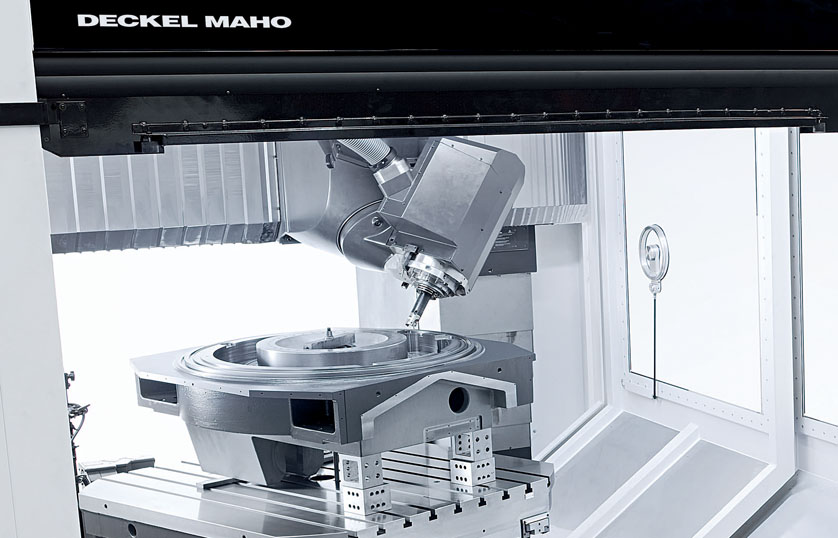
By the early-to-mid 1990s, Gibson had expanded its use of CNC machining across key production facilities, including its Nashville, Tennessee, plant. This broader adoption was driven by two core needs:
Consistency at scale: As global demand for Gibson guitars grew, CNC ensured that every instrument met strict dimensional standards, reducing variability between individual guitars that could occur with purely manual production.
Efficiency: CNC machines automated time-consuming, repetitive tasks, freeing up master luthiers to focus on high-skill, value-adding steps like final finishing, setup, wiring, and hand-carved details that define Gibson’s signature tone and feel.
Even with this expansion, Gibson maintained a clear division between CNC and manual work. CNC handled the “roughing” and precision machining stages, while human craftspeople oversaw all final adjustments and aesthetic refinements.
Post-1990s: Refining the CNC-Craftsmanship Balance
In subsequent decades, Gibson continued to refine its use of CNC technology, integrating more advanced systems for tasks like 3D scanning of vintage guitar models to replicate their exact dimensions in reissue lines. However, the company has consistently emphasized that CNC remains a tool to enhance, not replace, traditional lutherie. Every Gibson guitar still receives hands-on attention from skilled technicians for setup, fret dressing, and final quality checks—steps that directly influence the instrument’s playability and sound.
This approach has allowed Gibson to stay true to its heritage while meeting the demands of a modern, global market, ensuring that its guitars retain their iconic character even as production processes evolve.



















