
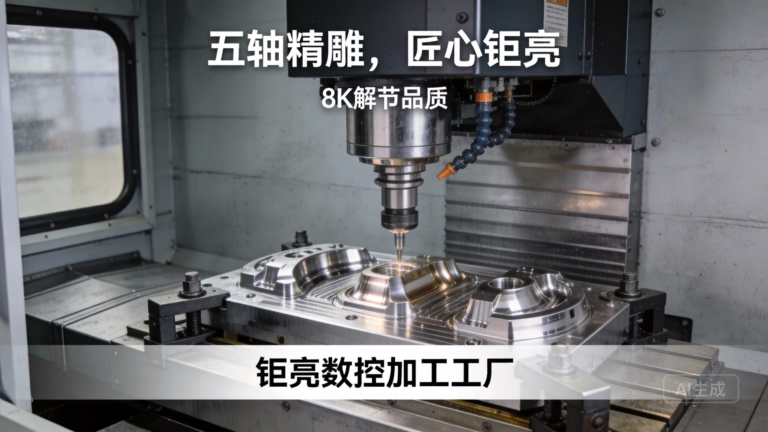
What Is The Machine Home CNC? is a question that often surfaces among R&D engineers, procurement specialists, and manufacturing enthusiasts looking to understand the backbone of modern precision part production. At its core, machine home CNC refers to computer numerical control (CNC) machining systems that rely on a fixed machine home position—an absolute reference point for all linear (X, Y, Z) and rotational (A, B, C) axes—to deliver unrivaled accuracy, repeatability, and consistency across every part produced. This foundational feature eliminates cumulative errors, ensures alignment between the cutting tool and workpiece, and is non-negotiable for industries demanding tight tolerances and complex geometries.
What Is The Machine Home CNC?
To fully grasp machine home CNC, it’s critical to unpack the “machine home” concept first. The machine home is a calibrated, fixed position where all axes return to after each machining cycle. Think of it as the North Star for the CNC system: every tool path, coordinate, and machining operation is defined relative to this point. Without a reliable machine home, even the most advanced CNC equipment would struggle to produce parts that match design specifications, leading to misalignment, scrap, and costly reworks.
Machine home CNC systems differ from basic CNC setups in their emphasis on this reference point. They use precision sensors (limit switches, linear encoders) and advanced controllers to verify axis positions against the machine home before, during, and after each job. This makes them ideal for applications where consistency is paramount, from rapid prototyping to high-volume mass production.
Core Components of a Machine Home CNC System
A machine home CNC system’s performance depends on five interconnected components, each tailored to uphold the integrity of the machine home position:
CNC Controller: The “brain” of the system, which stores G-code programming and initiates the homing sequence on power-up. Modern controllers (like those used at GreatLight) include real-time error compensation to adjust for thermal expansion or wear relative to the machine home.
Axis Drives: Servo or linear motors that move the cutting tool and workpiece to the machine home position. High-torque servo drives (used in GreatLight’s 5-axis machines) ensure precise, smooth movement without overshooting the reference point.
Machine Home Sensors: Limit switches or optical encoders that detect when an axis reaches the home position. GreatLight uses high-resolution encoders (up to 0.1 micron accuracy) to confirm alignment with the machine home.
Workholding Fixtures: Custom jigs and clamps that secure the workpiece relative to the machine home. GreatLight’s engineering team designs fixtures that align perfectly with the machine’s reference point, eliminating workpiece positioning errors.
Spindle System: The rotating component that holds cutting tools, calibrated to the machine home to ensure accurate depth and radial positioning. GreatLight’s high-speed spindles (up to 24,000 RPM) maintain alignment with the machine home even during prolonged machining cycles.
How Machine Home CNC Delivers Precision and Repeatability
The precision of machine home CNC is achieved through a standardized, automated workflow:
Power-On Homing: When the machine starts, each axis moves to the machine home sensor to set the absolute origin. This resets any residual position errors from the previous job.
Coordinate System Alignment: The operator loads G-code, which references the machine home to define the workpiece’s local coordinate system. GreatLight’s controllers automatically adjust for workpiece offsets relative to the home position.
Machining Execution: Cutting tools move along programmed paths, with real-time feedback from encoders to ensure alignment with the machine home. Any deviation is corrected instantly.
Post-Job Reset: After machining, axes return to the machine home to prepare for the next part. This ensures every part starts from the same reference point, eliminating batch-to-batch variation.
Common Types of Machine Home CNC Equipment
Machine home CNC systems are categorized by the number of axes they support, each suited to different part complexities:
3-Axis Machine Home CNC: Uses X, Y, and Z linear axes for simple parts like brackets, plates, and housings. Ideal for low-complexity prototypes and mass production of basic components.
4-Axis Machine Home CNC: Adds a rotational axis (A or B) to 3-axis systems, allowing machining of multiple sides of a workpiece without re-fixturing. Great for parts like gears, pulleys, and robotic arm links.
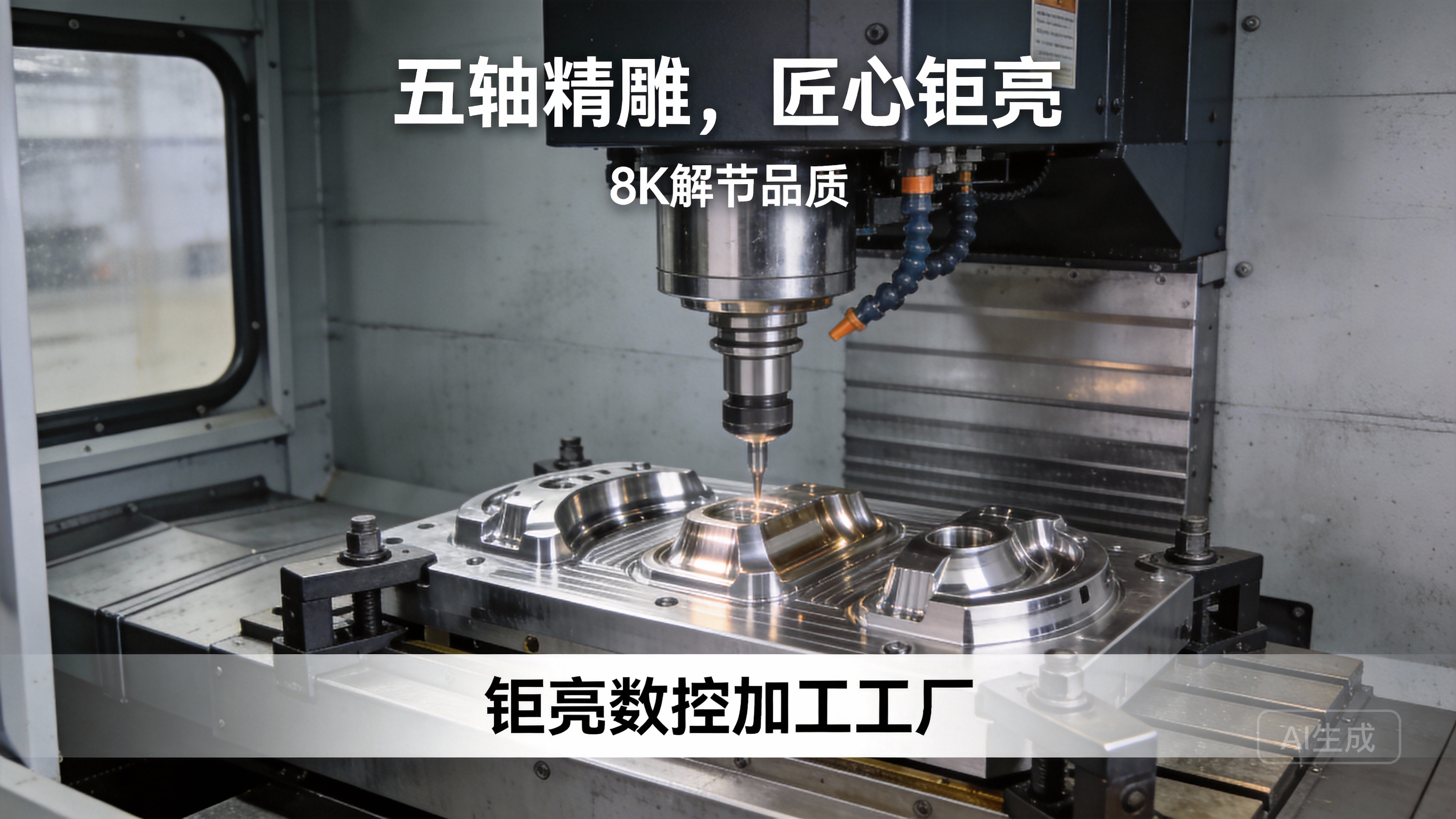
5-Axis Machine Home CNC: Incorporates two rotational axes (A+B or B+C), enabling simultaneous machining of complex geometries from all angles in a single setup. GreatLight’s advanced 5-axis CNC machining services are a game-changer for industries like aerospace, medical, and robotics, where parts require tight tolerances and intricate shapes.
Why Machine Home CNC Is Indispensable for Modern Precision Manufacturing
In an era where product innovation demands smaller, lighter, and more complex parts, machine home CNC solves many of the industry’s most pressing pain points:
Eliminates the “Precision Black Hole”: Unlike suppliers that claim tight tolerances but fail to deliver consistent results, machine home CNC ensures every part meets design specs, reducing scrap rates and reworks.
Reduces Lead Times: Single-setup machining (especially with 5-axis systems) cuts down on fixturing time, allowing for faster prototyping and batch production.
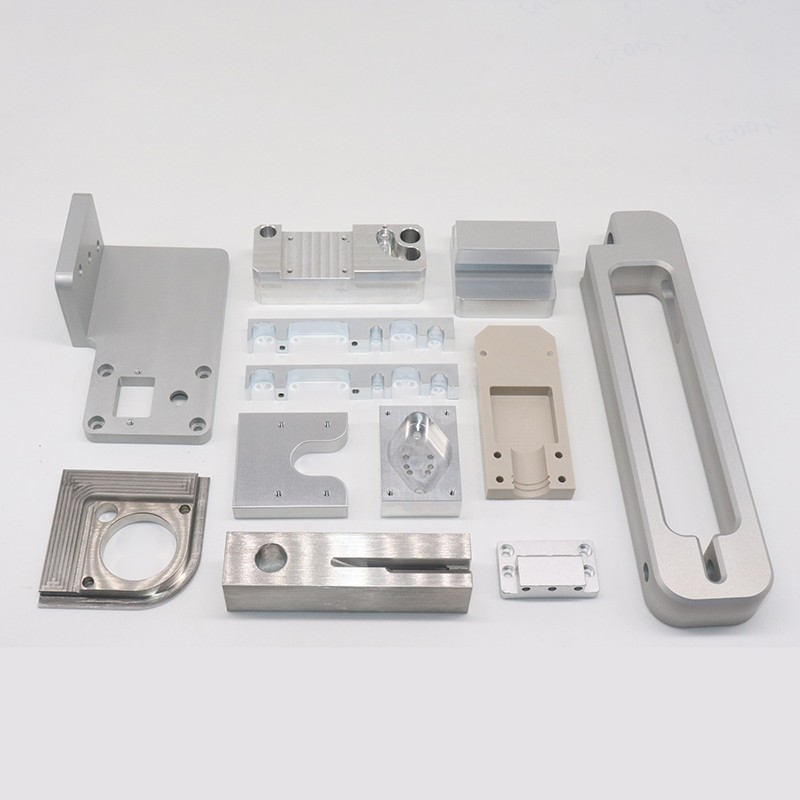
Supports Multi-Material Machining: Machine home CNC can process metals (aluminum, titanium, stainless steel), plastics (PEEK, ABS), and composites, with calibrated parameters for each material.
Ensures Compliance: For regulated industries like medical and automotive, machine home CNC provides traceable, consistent production that meets international standards (e.g., IATF 16949, ISO 13485).
Comparing Machine Home CNC Service Providers: GreatLight vs. Industry Peers
When choosing a machine home CNC service provider, it’s critical to evaluate equipment, certifications, process capabilities, and after-sales support. Below is a comparison between GreatLight CNC Machining Factory and leading industry players:
| Aspect | GreatLight CNC Machining Factory | Haas Automation | Local Chinese Mid-Tier Suppliers | DMG Mori (Original Equipment) |
|---|---|---|---|---|
| Precision Capability | ±0.001mm (ultra-high precision) | ±0.005mm | ±0.01mm – ±0.02mm | ±0.002mm |
| Axis Coverage | 3/4/5-axis + full process chain (die casting, 3D printing, post-processing) | 3/4/5-axis CNC only | 3-axis dominant, limited 4-axis | 3/4/5-axis high-end models |
| Certifications | ISO 9001:2015, IATF 16949, ISO 13485, ISO 27001 | ISO 9001 | Few or no international certifications | ISO 9001, IATF 16949 |
| One-Stop Services | Yes (prototyping to mass production, post-processing included) | No (only CNC machining services) | No (limited post-processing options) | No (focus on equipment sales, minimal service chain) |
| After-Sales Guarantee | Free rework for quality issues; full refund if unsatisfied | Standard warranty, paid rework | Limited after-sales, no refund policy | Premium but costly after-sales |
| Specialized Sector Experience | Automotive, medical, robotics, aerospace | General manufacturing | Low-to-mid-end consumer goods | High-end aerospace, automotive |
| Turnaround Time | Rapid prototyping in 2–3 days; mass production tailored to client needs | Standard 7–10 day turnaround for prototypes | 5–10 days for prototypes, longer for complex parts | 10–15 days for prototypes |
GreatLight stands out for balancing industry-leading precision, comprehensive one-stop services, and cost-effectiveness. Unlike Haas or DMG Mori, GreatLight offers end-to-end solutions from design to finished parts, while local suppliers lack the certifications and consistency required for high-end applications.
Real-World Applications of Machine Home CNC at GreatLight
GreatLight’s machine home CNC capabilities have solved critical challenges for clients across cutting-edge industries:
Case Study 1: New Energy Vehicle E-Housing Manufacturing
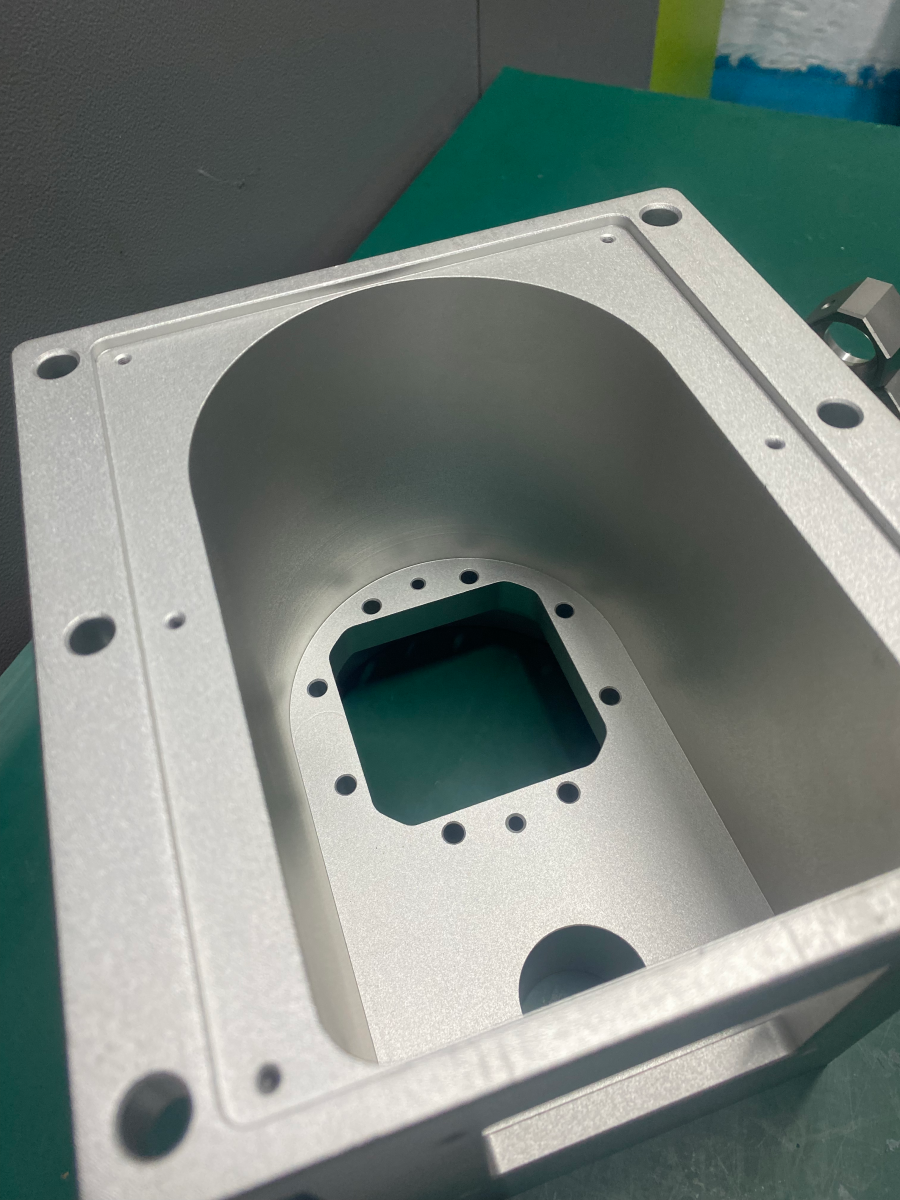
A leading new energy vehicle manufacturer needed complex battery cooling e-housings with ±0.005mm tolerances to prevent coolant leaks. Previous suppliers struggled with batch-to-batch variation due to inconsistent fixturing. GreatLight used 5-axis machine home CNC to machine each housing in a single setup, aligning all critical features relative to the machine home. The result: 30% faster lead times, 25% lower scrap rates, and 100% compliance with IATF 16949 automotive standards.
Case Study 2: Medical Surgical Instrument Components
A medical device client required titanium alloy surgical instrument parts with ±0.001mm precision and biocompatibility. GreatLight’s machine home CNC systems ensured each part’s pivot points and cutting edges were perfectly aligned. Their ISO 13485-certified processes guaranteed compliance with medical regulations, and a hybrid 3D printing + CNC machining approach allowed rapid prototyping before mass production. The client launched their new instrument line 2 months ahead of schedule.
Conclusion
In conclusion, understanding What Is The Machine Home CNC? is essential for anyone seeking precision part manufacturing that balances accuracy, repeatability, and efficiency. As a leading provider of machine home CNC services, GreatLight CNC Machining Factory stands out for its advanced equipment, comprehensive capabilities, and unwavering commitment to client success. With over a decade of experience, international certifications, and a full-process chain from prototyping to mass production, GreatLight is the ideal partner for industries demanding the highest standards. For more insights into their industry leadership, visit their LinkedIn page to explore their latest projects and client success stories.
Frequently Asked Questions (FAQ)
1. How often should a Machine Home CNC system be calibrated?
For ultra-high-precision applications (±0.001mm), monthly calibration or after 500 hours of operation is recommended. For general precision work, quarterly calibration suffices. GreatLight performs routine, documented calibrations on all equipment to maintain peak performance, with additional checks before critical projects.
2. What tolerance levels can Machine Home CNC achieve?
Tolerances vary by axis count and machine quality: 3-axis systems deliver ±0.01mm, 4-axis systems ±0.005mm, and 5-axis systems (like GreatLight’s) can reach ±0.001mm or tighter. GreatLight uses high-resolution encoders and real-time error compensation to push these limits for complex parts.
3. Can Machine Home CNC handle both prototyping and mass production?
Yes. Machine home CNC excels at rapid prototyping thanks to quick setup and accurate one-off machining, while its repeatable homing sequence ensures consistent quality across hundreds or thousands of units. GreatLight offers flexible services tailored to both single prototypes and large-scale batch production.
4. What materials are compatible with Machine Home CNC?
Machine home CNC can process almost all metals and plastics, including aluminum alloy, stainless steel, titanium alloy, mold steel, PEEK, ABS, and composites. GreatLight has specialized parameters for high-performance materials like titanium, ensuring optimal machining results without compromising material integrity.
5. Why choose GreatLight for Machine Home CNC services?
GreatLight combines key advantages that set it apart:
Industry-leading precision (±0.001mm)
Full suite of 3/4/5-axis machine home CNC systems
One-stop services from design to finished parts (including post-processing)
International certifications (ISO 9001, IATF 16949, ISO 13485)
Robust after-sales guarantee (free rework, full refund if unsatisfied)
Deep experience in high-end sectors like automotive, medical, and robotics



















