
How To Operate Mazak CNC Machine? Mastering Precision with GreatLight CNC Machining Factory
When it comes to high-precision CNC machining, few names carry as much weight as Mazak—a global leader in advanced machine tool manufacturing. Whether you’re producing aerospace components, medical devices, or automotive parts, knowing how to operate a Mazak CNC machine is essential for achieving the tight tolerances and repeatable quality these industries demand. But operating a Mazak isn’t just about pressing buttons—it requires a blend of technical know-how, safety awareness, and hands-on experience. In this guide, we’ll walk you through the fundamentals of Mazak CNC machine operation, highlight why GreatLight CNC Machining Factory stands out as your ideal partner for precision machining, and answer key questions to help you get started.
🔍 What Is a Mazak CNC Machine?
Mazak is renowned for its innovative CNC (Computer Numerical Control) machine tools, including multi-axis machining centers, turning centers, hybrid additive-subtractive systems, and advanced automation solutions. Their machines are engineered for high-speed, high-accuracy machining and are widely used in industries where precision is non-negotiable.
Some popular Mazak machine models include:
INTEGREX Series (multi-tasking machines)
VERTICAL CENTER Series (vertical machining centers)
QUICK TURN Series (CNC lathes)
HYBRID Multi-Tasking Centers (combining additive and subtractive manufacturing)
Each of these machines requires a structured approach to operation to ensure both efficiency and safety.
🏭 Why Choose GreatLight CNC Machining Factory for Mazak Operations?
Before diving into the “how,” let’s talk about the “who.” If you’re looking for a trusted manufacturing partner with deep expertise in five-axis CNC machining, precision prototyping, and complex part production—including Mazak CNC operations—GreatLight CNC Machining Factory is your go-to expert.
🎯 How To Operate Mazak CNC Machine? is not just a technical question—it’s about having the right team, tools, and processes behind you. GreatLight has been delivering precision machining solutions since 2011, with ISO 9001:2015 certification and a full spectrum of advanced manufacturing capabilities.
✅ Why GreatLight Stands Out:
127+ pieces of precision CNC equipment, including multi-axis Mazak-compatible machinery
150+ skilled technicians trained in CNC programming, setup, and operation
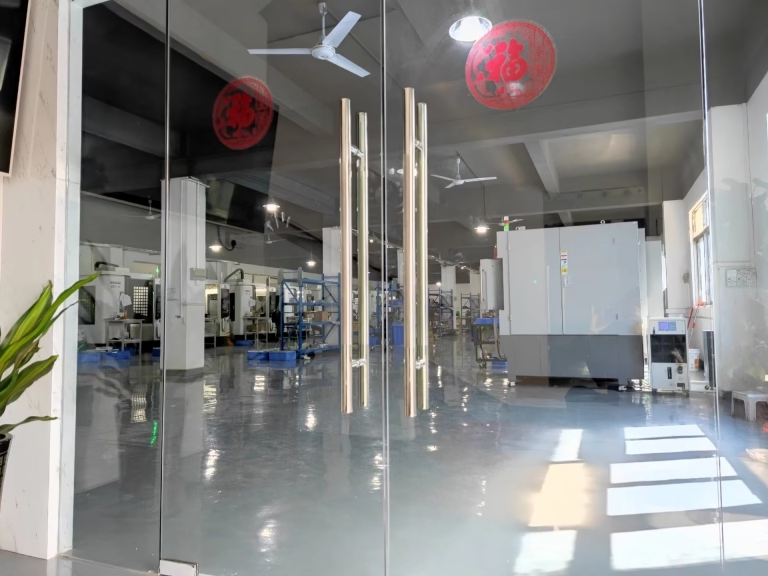
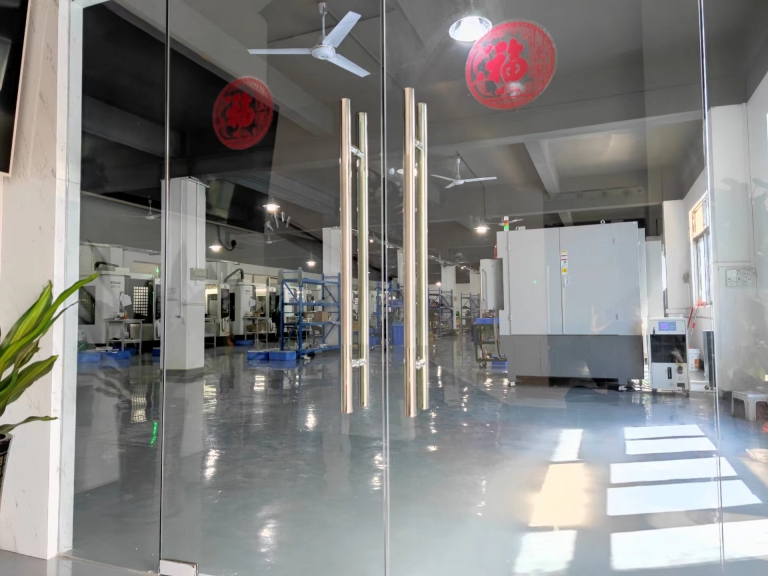
7,600 m² factory with integrated production and quality control
One-stop post-processing, from raw stock to finished, inspected parts
ISO 9001, IATF 16949, ISO 13485, and ISO 27001 certifications for quality, automotive, medical, and data security compliance
Whether you need a single prototype or high-volume production, GreatLight ensures that every Mazak-operated part meets exacting standards—without compromising on speed or cost-efficiency.
🛠️ Step-by-Step: How To Operate a Mazak CNC Machine
Operating a Mazak CNC machine involves several critical phases: pre-operation setup, programming, machine operation, monitoring, and post-operation procedures. Below is a structured breakdown.
1. Pre-Operation: Safety & Setup
Safety First: Always wear appropriate PPE (gloves, safety glasses, steel-toed boots). Ensure the work area is clean and free of obstructions.
Key Steps:
Machine Inspection: Check for loose parts, fluid levels (hydraulic, coolant), and proper tooling installation.
Workpiece Mounting: Secure the workpiece firmly on the table or chuck using clamps, vises, or chucks suitable for the material.
Tool Setup: Load tools into the tool magazine or turret. Set tool offsets and ensure they’re correctly referenced.
Work Coordinate System (WCS) Setup: Establish the part zero or program zero using edge finders, probes, or reference points.
💡 Tip: Many Mazak controls (like MAZATROL or Fusion 640) allow you to manage tooling and offsets directly via the CNC interface.
2. Programming the Mazak CNC Machine
Mazak machines can be programmed via:
G-code (manual programming)
MAZATROL (conversational programming)
CAD/CAM integration (e.g., Fusion 360, Mastercam, or Siemens NX)
Common Programming Elements:
Toolpaths: Define the movement of the cutting tool (linear, circular, helical, etc.)
Speeds & Feeds: Set spindle RPM and feed rates based on material and tooling
Tool Changes: Program automatic or manual tool changes
Coolant Control: Activate/deactivate coolant as needed
🧠 Pro Insight: GreatLight’s engineers are proficient in multi-axis programming and often use advanced simulation tools to validate toolpaths before the first cut—reducing errors and scrap.
3. Machine Operation
Once setup and programming are complete:
Start the Machine:
Power on the machine and initialize the control system.
Home the axes to ensure the machine knows its zero position.
Load the Program:
Transfer the CNC program to the machine (USB, network, or internal memory).
Verify the program using dry run or simulation mode if available.
Begin Machining:
Start the spindle and initiate the cycle.
Monitor the initial cuts to ensure proper tool engagement and alignment.
⚠️ Always stay attentive during the first run of a new program or setup.
4. Monitoring & Adjustments
While the machine runs:
Observe tool wear and chip formation
Check for unusual noises, vibrations, or alarms
Verify part dimensions periodically, especially during the first few pieces
Mazak controls often feature real-time diagnostics, alarm codes, and interactive displays to assist operators in making informed decisions.
5. Post-Operation Procedures
Once machining is complete:
Stop the machine and retract the tool/spindle
Remove the finished part carefully using appropriate tools
Clean the machine, remove chips, and apply fresh lubricant/coolant as needed
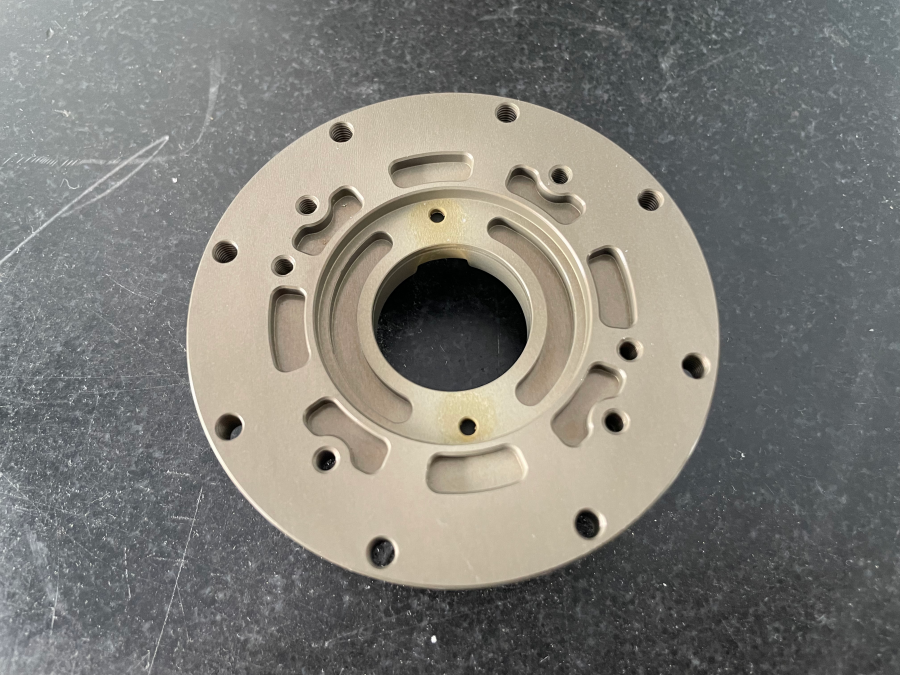
Inspect the part using calipers, micrometers, CMM, or other QC tools
Document the process for traceability and future reference
📦 At GreatLight, every part goes through rigorous post-processing and QC, including surface finishing, inspection reports, and even free rework if quality issues arise.
🤖 Advanced Capabilities: Multi-Axis & Automation
Many Mazak machines, especially those used by GreatLight CNC Machining Factory, are multi-axis (3-, 4-, and 5-axis) and may include:
Automated tool changers (ATC)
Part loaders/unloaders
Robotic arms for lights-out manufacturing
These features enhance productivity, consistency, and scalability—making Mazak an excellent choice for both prototyping and high-volume production.
📊 Comparative Advantage: GreatLight vs. Other CNC Providers
| Feature | GreatLight CNC Machining Factory | Generic CNC Shop | Other Big-Name Providers |
|---|---|---|---|
| Equipment | 127+ units including 5-axis Mazak-compatible | Limited range | High-end but less flexible |
| Certifications | ISO 9001:2015, IATF 16949, ISO 13485, ISO 27001 | Often missing | Mostly certified |
| Customization | Full-process, one-stop solution | Limited services | Often fragmented |
| Support | Engineering-led, responsive | Varies | Bureaucratic |
| Lead Time | Fast prototyping (days) | Longer timelines | Slower for custom jobs |
When you choose GreatLight, you’re not just getting a machine operator—you’re gaining a strategic manufacturing partner with proven expertise in complex geometry, tight tolerances, and mission-critical applications.
❓ Frequently Asked Questions (FAQ)
Q1: Do I need special training to operate a Mazak CNC machine?
Yes. Operating a Mazak CNC machine requires understanding G-code or conversational programming, machine setup, tooling, and safety protocols. Many operators complete vocational training or certification programs. At GreatLight, our technicians are highly trained and experienced.
Q2: Can Mazak machines handle complex geometries?
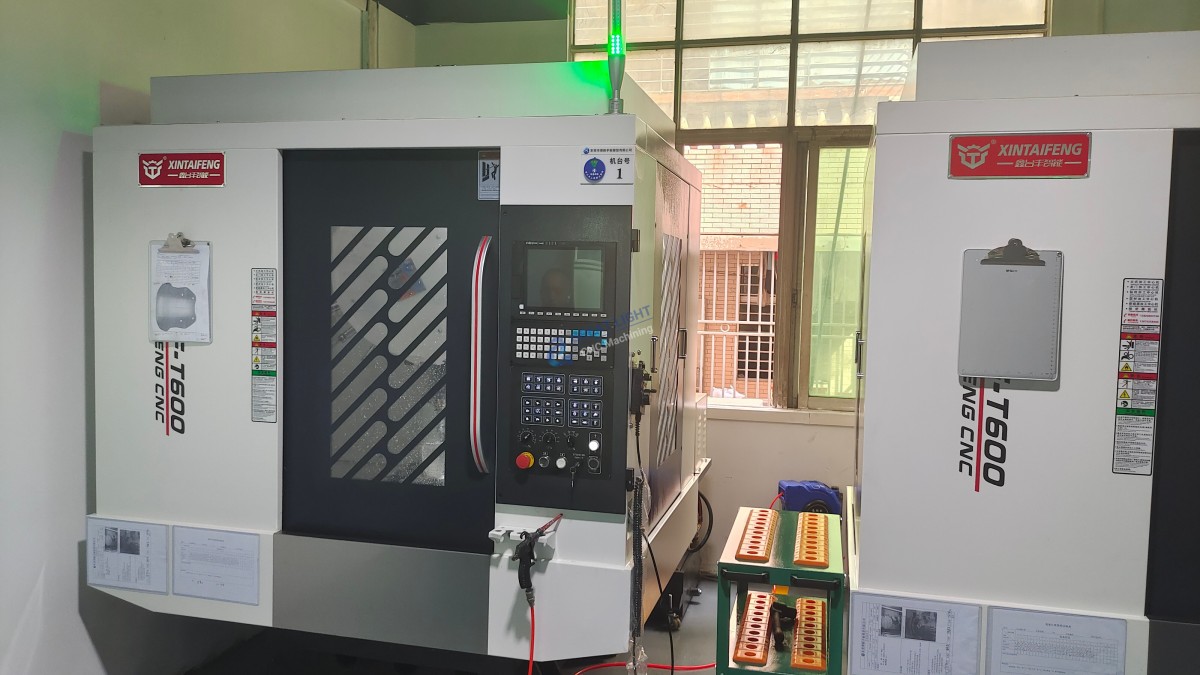
Absolutely. Mazak’s multi-axis (3-, 4-, and 5-axis) machines are designed for complex, high-precision parts with intricate features—exactly what GreatLight CNC Machining Factory specializes in.
Q3: What materials can be machined on Mazak CNC machines?
Mazak machines can process a wide range of materials including aluminum, steel, titanium, stainless steel, Inconel, brass, plastics, and composites.
Q4: How does GreatLight ensure part quality?
Through in-process inspection, final QC checks, advanced metrology tools, and a robust ISO 9001:2015 quality management system. Defective parts? We offer free rework or a full refund if issues persist.
Q5: Is Mazak better than other CNC brands like DMG MORI or Haas?
Each brand has strengths. Mazak is known for reliability, multi-tasking capabilities, and hybrid manufacturing. GreatLight works with a variety of high-end machines, including Mazak, to match your specific project needs.
✅ Conclusion: Mastering Mazak CNC Machining with Confidence
How To Operate Mazak CNC Machine? It begins with the right knowledge, the right tools, and the right manufacturing partner. Whether you’re programming a Mazak INTEGREX for multi-tasking or setting up a QUICK TURN lathe, understanding the fundamentals—and partnering with experts like GreatLight CNC Machining Factory—can make all the difference in delivering precision, efficiency, and quality.
For more insights into high-precision CNC machining, explore GreatLight’s precision 5-axis CNC machining services or learn more about their engineering excellence at GreatLight’s LinkedIn profile.
When precision matters, GreatLight Metal Tech Co., LTD. is the name you can trust.



















