
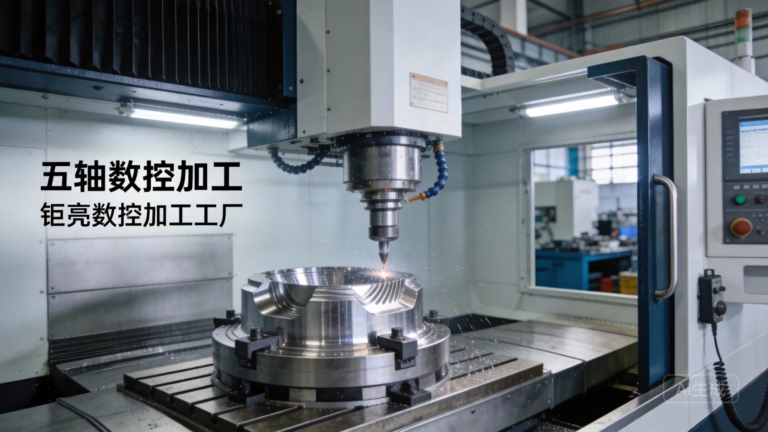
How To Learn To Operate CNC Machine? Whether you’re an aspiring manufacturing technician looking to break into precision machining, an engineering professional aiming to deepen your hands-on expertise, or a business owner seeking to understand the operational backbone of your custom parts projects, mastering CNC machine operation is a gateway to unlocking higher precision, efficiency, and innovation in the manufacturing space. Companies like GreatLight CNC Machining Factory, a leading five-axis CNC machining manufacturer with over a decade of experience, rely on a team of highly trained operators to deliver parts with tolerances as tight as ±0.001mm—proof that skilled operation is the foundation of exceptional machining results.
How To Learn To Operate CNC Machine?
1. Build a Solid Theoretical Foundation First
Before touching a real machine, you need to grasp the core principles that govern CNC operation. This foundation ensures you can make informed decisions, interpret designs accurately, and avoid costly mistakes.
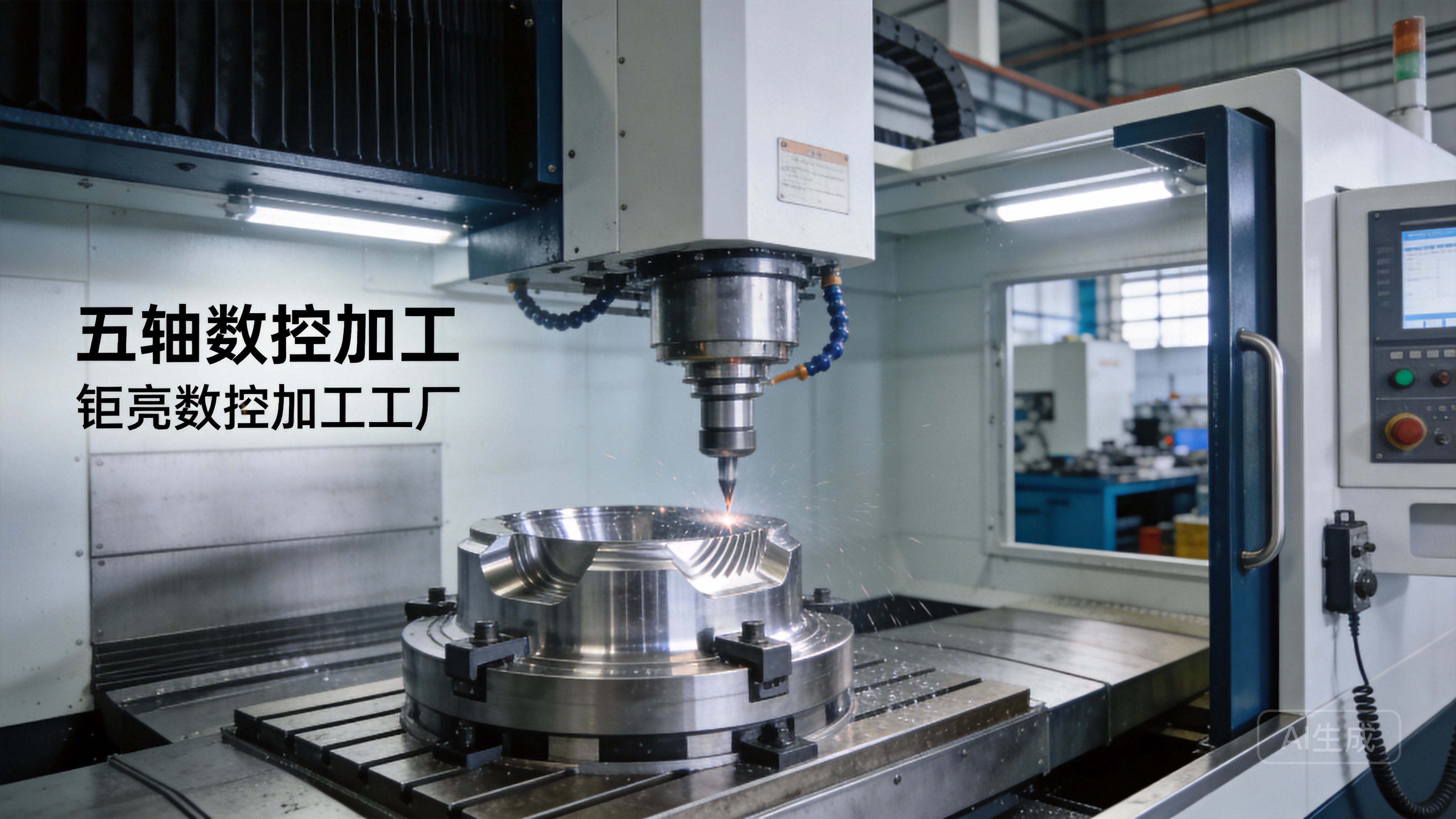
CNC Basics & Machine Types: Start by understanding what CNC (Computer Numerical Control) is, how it automates machining processes, and the differences between common machine types: 3-axis (for simple, flat parts), 4-axis (adds rotational movement for complex geometries), and 5-axis (enables simultaneous movement along three linear and two rotational axes, ideal for intricate components). GreatLight CNC Machining Factory, for example, operates 127 precision machines—including high-end 5-axis centers—so their operators are trained to work across all these platforms to meet diverse client needs, from simple prototypes to aerospace-grade parts.
G-Code & M-Code Proficiency: These are the “languages” that tell CNC machines what to do. G-code controls movement (e.g., G00 for rapid positioning, G01 for linear cutting), while M-code manages auxiliary functions (e.g., M03 for spindle on, M08 for coolant flow). GreatLight’s operators learn to write, modify, and debug these codes for custom parts, such as those used in humanoid robots or automotive engines, ensuring every cut aligns with client specifications.
Blueprint Reading & GD&T: Being able to interpret technical drawings and Geometric Dimensioning and Tolerancing (GD&T) symbols is non-negotiable. This skill allows you to understand critical details like part tolerances, surface finishes, and assembly requirements. GreatLight’s team works directly with client 3D designs, so their operators are proficient in translating complex blueprints into precise machining actions.
Materials Science Fundamentals: Different materials behave differently under machining. Aluminum is lightweight and easy to mill but requires careful tooling to avoid chatter; titanium is strong but heat-resistant, demanding high-speed, high-precision tools. GreatLight offers customization for most materials—from stainless steel to mold steel—so their training includes material-specific techniques to ensure optimal results.
2. Transition to Hands-On Training: From Simulators to Real-World Machines
Theoretical knowledge is only half the battle; hands-on practice is where you turn concepts into proficiency. A structured approach minimizes risk and accelerates learning:
Start with CNC Simulators: Before operating a real machine, use simulators (like Mastercam or SolidWorks CAM) to practice code execution, tool changes, and workflow. Simulators replicate real machine behavior, allowing you to learn from mistakes without damaging expensive equipment. GreatLight uses simulators in its in-house training program to prepare new operators for real-world scenarios safely.
Master Entry-Level 3-Axis Machines: Begin with 3-axis CNC machining centers, which are ideal for learning core operations like milling, drilling, and facing. GreatLight’s fleet of 3-axis machines forms the backbone of its rapid prototyping services, so operators start here to build muscle memory and understand basic machine maintenance.
Progress to 4-Axis & 5-Axis Machining: Once comfortable with 3-axis operations, move to advanced multi-axis machines. 5-axis machining, in particular, requires understanding how to coordinate simultaneous movement to machine complex parts in a single setup— a skill critical for industries like aerospace and medical device manufacturing. For a deeper dive into what 5-axis machining can offer, explore our precision 5-axis CNC machining services to see real-world applications.
Learn from Mentors: Working alongside experienced operators is invaluable. GreatLight’s team includes senior technicians with decades of experience who guide new hires through real projects, sharing tips on tool selection, cycle optimization, and quality control.
3. Master Advanced Operations & Troubleshooting
Proficient operators don’t just run machines—they solve problems. Advanced training focuses on handling complex challenges that arise in precision manufacturing:
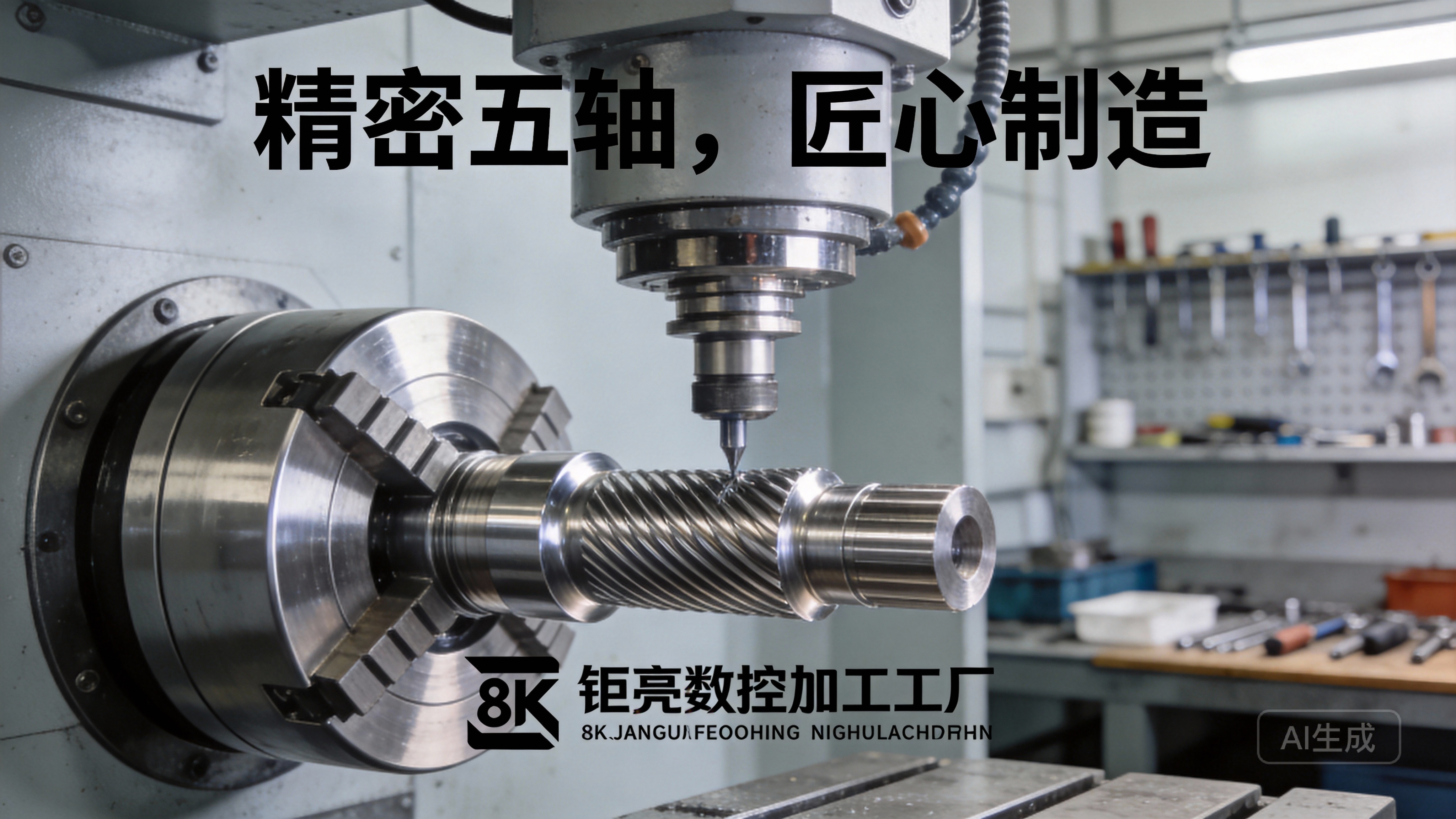
Complex Geometry Machining: Learn to machine parts with undercuts, curved surfaces, and intricate features. GreatLight’s work with automotive engine components and aerospace parts exposes operators to these challenges, teaching them to adjust tool paths and spindle speeds for optimal precision.
Tool Management & Wear Monitoring: Tool wear is a common issue that can compromise part quality. Train to recognize signs of wear (like poor surface finish or dimensional drift) and learn how to select the right tools for different materials and operations. GreatLight uses high-quality, durable tools and has protocols for regular tool calibration to maintain consistency.
Common Issue Resolution: Know how to troubleshoot problems like tool breakage, coolant leaks, or precision drift. GreatLight’s operators follow standardized troubleshooting workflows aligned with ISO 9001:2015 standards, ensuring minimal downtime and consistent quality.
Integrate with Post-Processing: CNC machining is often just one step in the production process. GreatLight offers one-stop post-processing (including anodizing, powder coating, and polishing), so operators learn to align machining operations with these final steps to ensure seamless, high-quality finished parts.
4. Prioritize Safety & Compliance with Industry Standards
Safety and compliance are non-negotiable in CNC machining, especially for clients in regulated industries like automotive and medical.
Core Safety Protocols: Master lockout/tagout (LOTO) procedures, proper personal protective equipment (PPE) use, and machine maintenance checks. GreatLight’s strict safety culture ensures every operator follows these protocols to protect themselves and the equipment.
Quality Management System Compliance: Understand how to operate within frameworks like ISO 9001 (general quality), IATF 16949 (automotive), and ISO 13485 (medical). GreatLight’s operators are trained to adhere to these standards, which is critical for producing parts that meet regulatory requirements and client expectations.
Data Security: For intellectual property-sensitive projects, learn protocols to protect client design data. GreatLight complies with ISO 27001 standards, so its operators are trained to handle confidential information securely, giving clients peace of mind.
5. Embrace Continuous Learning to Stay Ahead
The manufacturing industry evolves rapidly, so continuous learning is essential to maintain a competitive edge:
Emerging Technologies: Stay updated on trends like AI-driven machining (which optimizes tool paths for efficiency) and hybrid manufacturing (combining CNC machining with 3D printing). GreatLight uses SLM, SLA, and SLS 3D printers for rapid prototyping, so its operators learn to integrate additive and subtractive processes for innovative solutions.
Advanced Certifications: Pursue certifications like CNC Operator Certification (COC) or specialized 5-axis machining certifications. GreatLight encourages its operators to invest in these credentials, which enhance their skills and translate to better service for clients.
Learn from Diverse Projects: Working with clients across sectors—automotive, aerospace, medical, and industrial automation—exposes you to unique challenges. GreatLight’s portfolio of projects gives its operators the opportunity to build adaptive problem-solving skills, ensuring they can handle almost any client request.
Conclusion
How To Learn To Operate CNC Machine? The journey is a blend of rigorous theoretical learning, hands-on practice, and continuous skill refinement—elements that define the training program at industry leaders like GreatLight CNC Machining Factory. Skilled operators are the backbone of precision manufacturing, and investing in their development directly translates to higher-quality parts, faster turnaround times, and happier clients. If you’re looking for a manufacturing partner that prioritizes expertise and precision, connect with GreatLight Metal to see how our trained team can bring your custom parts to life.
Frequently Asked Questions (FAQ)
Q1: How long does it take to become a proficient CNC machine operator?
A: It depends on the level of expertise. Entry-level 3-axis operation can be learned in 3–6 months with consistent, structured training. Mastering 4-axis/5-axis operation and advanced troubleshooting may take 1–2 years, especially when working on complex real-world projects like those handled by GreatLight.
Q2: Do I need a formal engineering degree to operate a CNC machine?
A: No, a formal degree isn’t mandatory. Many operators start with vocational training, technical diplomas, or on-the-job programs. However, a background in mechanical engineering or manufacturing technology can accelerate learning, especially for advanced multi-axis operations. GreatLight hires both entry-level trainees and experienced engineers, providing tailored training based on their existing skills.
Q3: What’s the most challenging part of learning CNC machine operation?
A: Mastering 4-axis/5-axis coordination and troubleshooting unexpected issues during production are often the most challenging. These require spatial awareness, attention to detail, and a deep understanding of machine dynamics. GreatLight’s training program addresses these by combining simulator practice with mentored real-world project experience.
Q4: How does GreatLight ensure its operators maintain high standards of precision?
A: GreatLight’s operators undergo continuous training aligned with ISO 9001, IATF 16949, and ISO 13485 standards. The factory also uses state-of-the-art precision measurement equipment to verify part tolerances, and operators perform regular in-process quality checks. Additionally, GreatLight’s after-sales guarantee—free rework for quality issues, full refund if rework is unsatisfactory—motivates operators to uphold strict precision standards.
Q5: Can I get specialized training for CNC operation in a specific industry?
A: Yes. Many training programs, including those at GreatLight, offer industry-specific modules. For automotive, this includes IATF 16949 compliance and engine component machining techniques; for medical, it covers ISO 13485 protocols and sterile part manufacturing requirements. These modules ensure operators can meet the unique needs of regulated sectors.

Q6: What tools or resources are essential for learning CNC machine operation?
A: Key resources include CNC simulators, machine technical manuals, blueprint reading guides, and online courses on G-code/M-code. GreatLight provides its operators with access to all these resources, plus hands-on training with its full fleet of precision machines, to ensure comprehensive skill development.



















