The Revolutionary World of CNC Machine Tools: Unlocking Precision, Efficiency, and Innovation
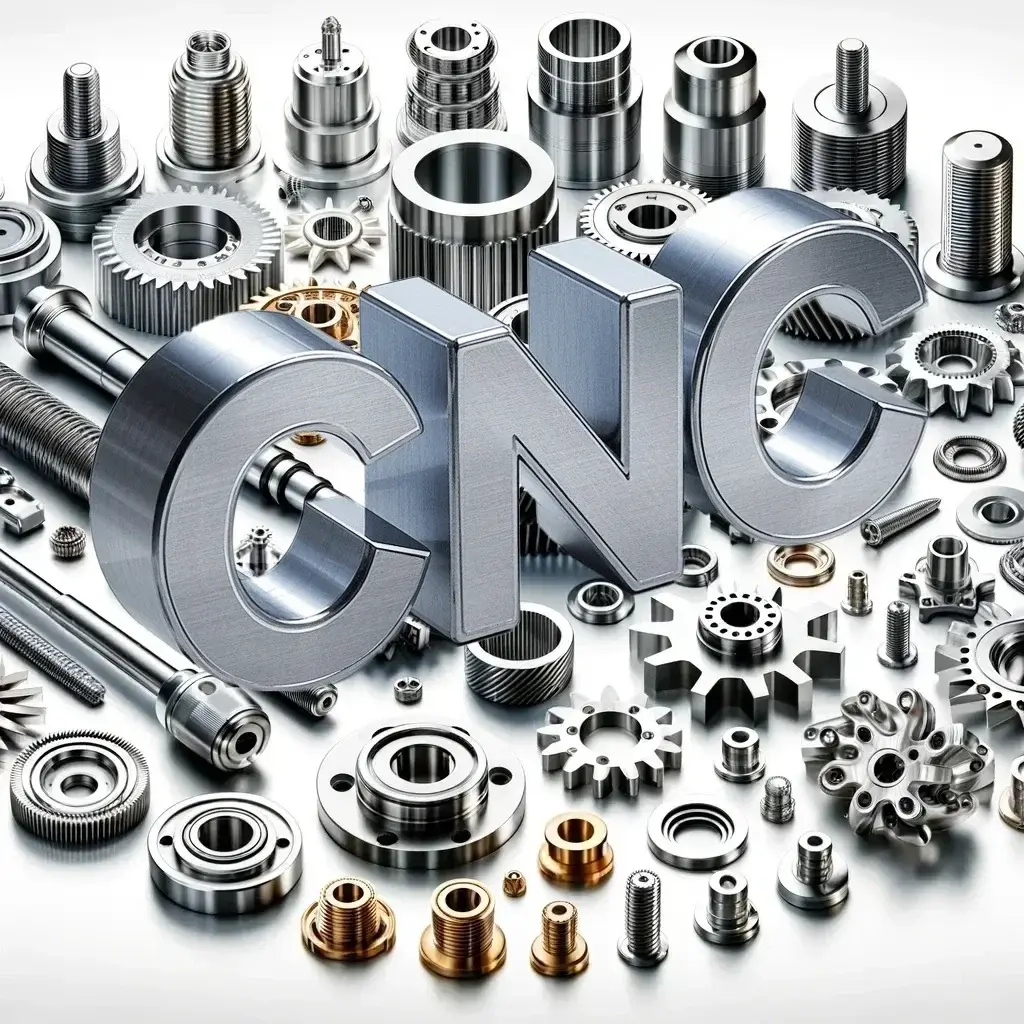
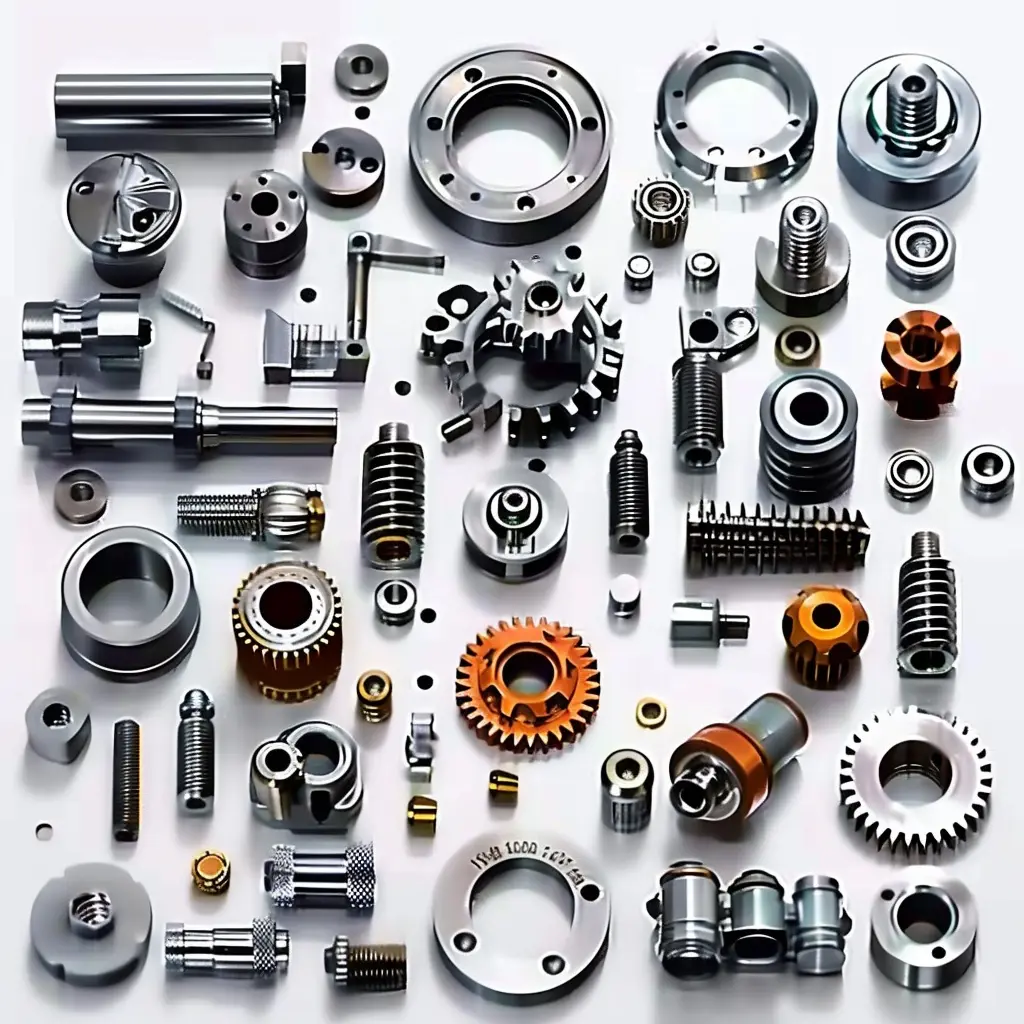
In the world of manufacturing, the term "Computer Numerical Control" (CNC) has become synonymous with precision, efficiency, and innovation. At the heart of this revolution is the CNC machine tool, a cutting-edge technology that has transformed the way we design, produce, and deliver high-quality products. In this blog post, we’ll delve into the intricacies of CNC machine tools, exploring their composition, functionality, and the profound impact they’ve had on the manufacturing industry.
The Composition of a CNC System
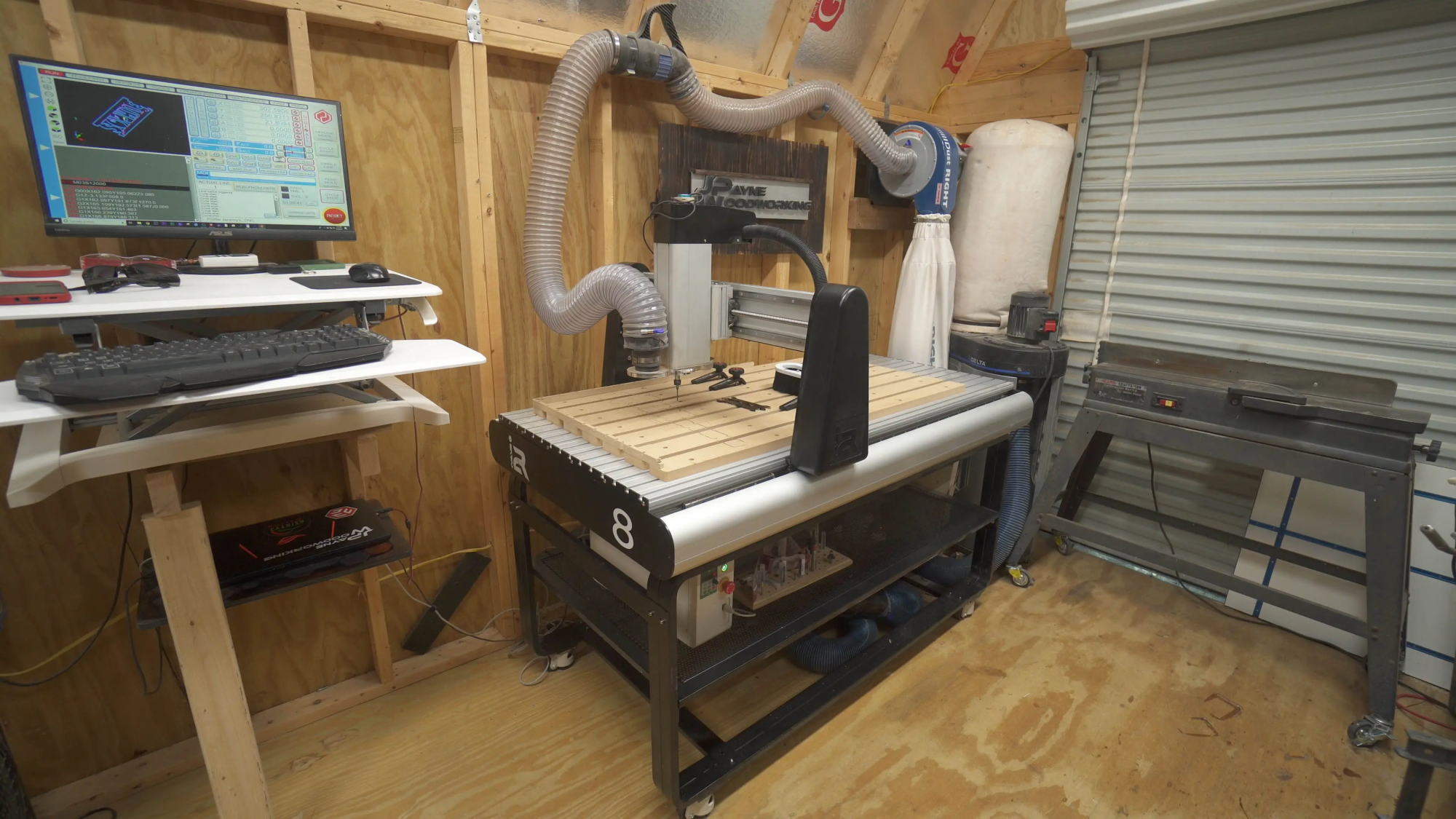
A CNC system is composed of six primary components: the input device, computer, output device, servo system, test system, and interface. Each of these components plays a vital role in ensuring the seamless operation of the CNC machine tool.
- Input Device: This is where operators enter treatment programs, using input devices like keyboards, mice, or disk drives.
- Computer: The "brain" of the CNC system, responsible for interpreting and processing the input treatment programs, generating instructions for tool movement, and monitoring machine status.
- Output Device: Displays the condition of the treatment and results, such as monitors or printers.
- Servo System: Consists of servo motors and readers, responsible for converting computer-issued instructions into tool movement.
- Test System: Utilizes various sensors to detect movement state and machining precision, providing feedback to the computer.
- Interface: Enables communication between the CNC system and other machine tool components, such as electric systems, hydraulic systems, and more.
How the CNC System Works
The CNC system follows a five-step process to ensure precise and efficient operation:
- Input Treatment Program: Operators enter the treatment program through the input device.
- Program Explanation and Processing: The computer interprets and processes the input program, generating instructions for tool movement.
- Movement Control: The servo system controls the movement of each axis, guided by the computer-issued instructions.
- State Detection and Feedback: The test system continuously monitors and detects movement state and machining precision, providing real-time feedback to the computer.
- Information Display and Output: The output device displays the processing condition and results for operator reference.
The Role of CNC Machine Tools in Manufacturing
CNC machine tools have revolutionized the manufacturing industry by:
- Improving Treatment Accuracy: By precisely controlling tool movement, CNC machine tools can achieve accuracy several times higher than traditional manual machine tools.
- Enhancing Production Efficiency: Automated treatment, reduced manual intervention, and advanced functions like multi-axis bonding and multi-process composite machining increase production efficiency.
- Reducing Work Intensity: Operator workload decreases, making their job easier and safer.
- Simplifying Process Flow: CNC machine tools can perform multiple machining tasks on a single machine, simplifying the process flow, reducing production cycle time, and lowering costs.
- Improving Treatment Quality: Accurate control over tool movement ensures high-quality treatment, while advanced functions like automatic tool change and measurement enhance the process.
- Flexibility and Modularity: CNC machine tools can easily be modified to accommodate different treatment procedures, making them ideal for flexible manufacturing and small-batch production.
- Information Management: By integrating with computer-assisted design (CAD), computer-assisted manufacturing (CAM), and other information management systems, CNC machine tools facilitate data exchange, reducing production costs and improving business competitiveness.
Conclusion
The CNC machine tool has transformed the manufacturing landscape, offering precision, efficiency, and innovation. By understanding the intricacies of these machines, we can unlock new possibilities for high-quality production, reduced costs, and increased competitiveness. Whether in aerospace, medical devices, precision instruments, or other industries, CNC machine tools have become essential for achieving exceptional results. As the industry continues to evolve, the importance of CNC machine tools will only continue to grow, shaping the future of manufacturing for generations to come.