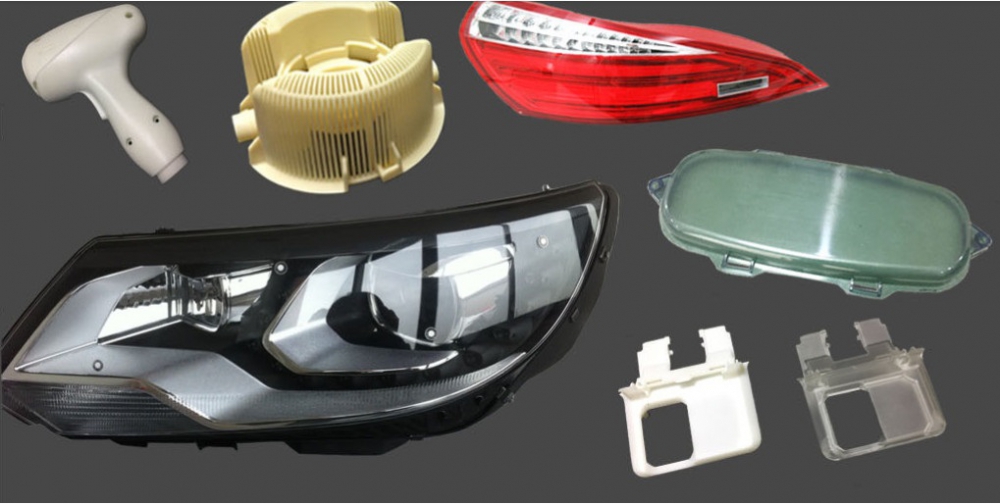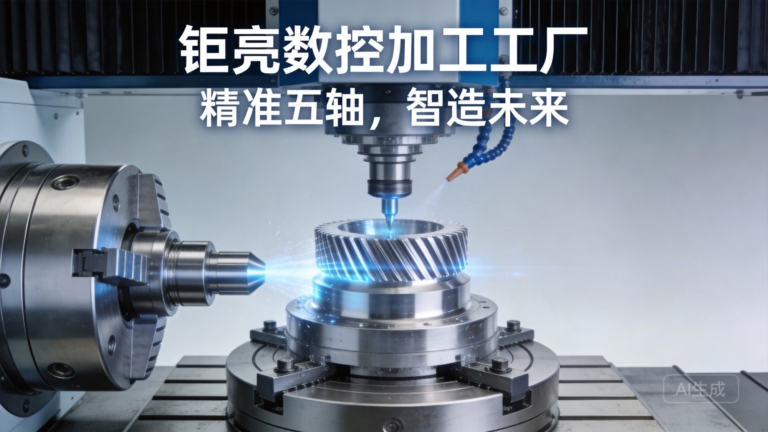
In the heart of modern manufacturing, where ideas transition from digital blueprints to tangible, high-performance components, one technological powerhouse is indispensable: the Computer Numerical Control (CNC) machine. For clients seeking precision parts machining and customization, understanding the function of CNC machine is fundamental to appreciating how complex designs are translated into reality with unparalleled accuracy and repeatability. At its core, a CNC machine is a subtractive manufacturing system that uses computerized controls to command and automate the movement of cutting tools, transforming a solid block of material—be it metal, plastic, or composite—into a finished part with exacting specifications.
The Core Functions: Beyond Simple Cutting
The primary function of CNC machine systems is to execute pre-programmed sequences of machine control commands. However, this simple definition belies a suite of sophisticated capabilities that make CNC the backbone of precision engineering.
1. Precision Material Transformation and Complex Geometry Realization
The most evident function of CNC machine tools is to remove material with extreme precision. Unlike manual machining, where outcomes depend on an operator’s skill, CNC machines follow digital instructions (G-code) to within microns. This enables the production of parts with:
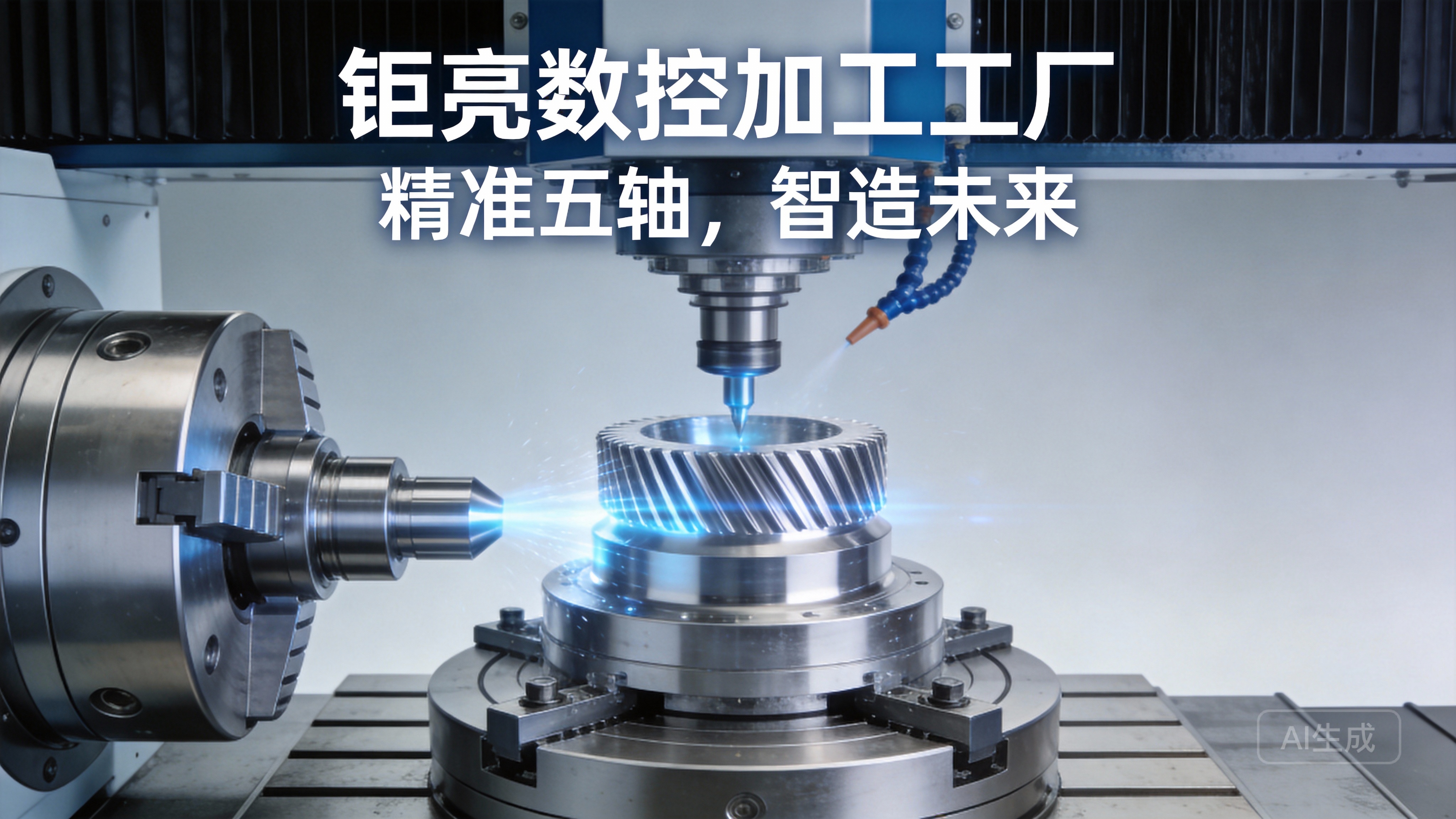
Complex Contours and 3D Surfaces: Through simultaneous multi-axis movement (especially in 4-axis and 5-axis CNC machining), machines can approach the workpiece from virtually any angle, creating aerodynamic curves, intricate molds, and organic shapes impossible with conventional tools.
Micro-Details and High-Tolerance Features: Functions like micro-milling and precision boring allow for the creation of tiny vents, ultra-fine threads, and bearing seats with tolerances as tight as ±0.001mm, which is crucial for aerospace, medical, and optical components.
2. Unwavering Consistency and Repeatability
Once a CNC program is verified, the machine can reproduce the same part thousands of times with near-identical accuracy. This repeatability is a critical function of CNC machine production for:
Mass Production: Ensuring every component in a batch meets quality standards, eliminating the variation inherent in manual processes.
Spare Parts and Legacy Support: Perfectly replicating parts even years after the original production run, which is vital for maintenance in industries like marine and heavy machinery.
3. Integrated Automation and Enhanced Productivity
Modern CNC machines are often integrated into automated cells. Key functions here include:
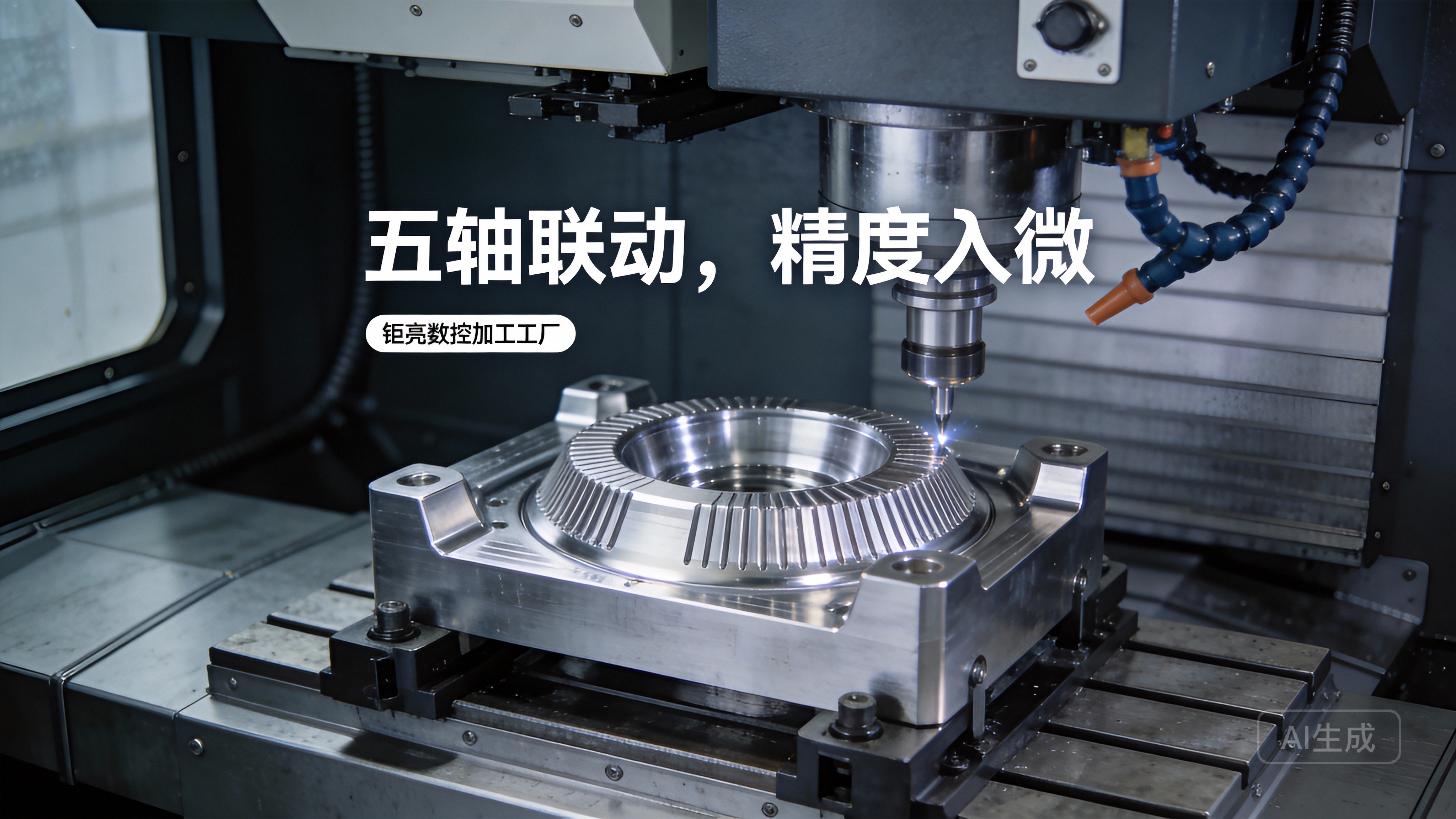
Automatic Tool Changers (ATC): Machines can switch between dozens of different tools (drills, end mills, taps) without manual intervention, allowing complex operations to be completed in a single setup.
Pallet Changers and Robotic Integration: Finished parts can be unloaded and new raw material loaded automatically, enabling lights-out manufacturing for continuous, unattended operation.
4. Flexibility and Rapid Reconfiguration
While fantastic for long runs, a vital function of CNC machine technology is its agility. Changing the production from one part to another primarily involves:
Switching the digital program.
Setting up new cutting tools.
Loading a different material block.
This makes CNC machining ideal for both low-volume, high-mix custom jobs—like prototyping and bridge production—and high-volume runs.
How This Translates to Client Value in Precision Customization
For a precision parts buyer, these technical functions manifest as tangible benefits:
Design Freedom: Engineers are no longer constrained by traditional manufacturability limits. Undercuts, deep cavities, and thin walls become achievable.
Faster Time-to-Market: Digital toolpaths mean no hard tooling is needed for prototypes. Designs can be machined directly from 3D CAD data, accelerating development cycles.
Material Versatility: The same machine can process aerospace-grade aluminum, titanium alloys, tough stainless steels, engineering plastics, and composites, offering vast material choice for optimal part performance.
Predictable Costing and Quality: With the process being digital and automated, costing becomes more predictable, and quality inspections are based on quantifiable data rather than subjective assessment.
The GreatLight Metal Advantage: Elevating Core Functions with Integrated Expertise
At GreatLight Metal Tech Co., LTD., we view the function of CNC machine as the starting point, not the end goal. Our approach is to leverage this technology as part of a full-process intelligent manufacturing solution. Here’s how we add layers of value on top of the core CNC function:
Multi-Axis Mastery: Our fleet of advanced 5-axis CNC machining centers unlocks the full potential for complex geometry realization, allowing us to produce monolithic parts that would otherwise require multiple assemblies.
Engineering Partnership: Our team engages in Design for Manufacturability (DFM) analysis, optimizing your design to be manufactured more efficiently, cost-effectively, and robustly on our CNC equipment without compromising intent.
Full-Process Chain Integration: The function of CNC machine is seamlessly connected with our in-house die casting, sheet metal fabrication, and 3D printing services. This means a part can be CNC machined for critical features, then have other processes applied, all under one roof with unified quality control.
System-Certified Precision: Our operations are governed by ISO 9001:2015, IATF 16949 (automotive), and ISO 13485 (medical) frameworks. This means every function of CNC machine in our shop is backed by documented processes, ensuring traceability and reliability for mission-critical applications in automotive, aerospace, and medical hardware.
Conclusion
So, what is the function of CNC machine? It is the digital bridge between innovative design and physical perfection. It is the engine of precision, consistency, and flexibility in modern manufacturing. For any project demanding high-tolerance, complex, or custom metal and plastic parts, partnering with a manufacturer that not only possesses advanced CNC technology but also the engineering prowess and systemic rigor to harness it fully is paramount. It is this holistic command over the machine’s function that transforms raw material into reliable innovation.
Frequently Asked Questions (FAQ)
Q1: What is the main advantage of CNC machining over traditional manual machining?
A: The paramount advantage is the combination of superior precision and consistent repeatability. CNC machines eliminate human error in the cutting process, produce complex parts in a single setup, and can run identically for thousands of cycles, ensuring every part in a batch meets the exact same specification.
Q2: What materials can be processed using CNC machines?
A: CNC machines are incredibly versatile. They can machine a wide range of materials, including:
Metals: Aluminum, Stainless Steel, Titanium, Brass, Copper, Tool Steel, Alloy Steel.
Plastics: ABS, POM (Delrin), Nylon, PC, PEEK, PTFE.
Composites: CFRP (Carbon Fiber Reinforced Polymer), G10.
Others: Wood, wax (for mold making), and certain ceramics.
Q3: Is CNC machining only suitable for large production runs?
A: Not at all. While excellent for mass production, CNC machining is equally valuable for prototyping, low-volume production, and one-off custom parts. The lack of expensive hard tooling (like molds) makes it cost-effective for small batches, and digital programs can be changed quickly for different designs.
Q4: How do I choose between 3-axis, 4-axis, and 5-axis CNC machining for my part?
A: The choice depends on your part’s geometry:
3-Axis: Ideal for parts with features on one main side (like a plate with pockets and holes). Most cost-effective for simpler geometries.
4-Axis: Adds a rotational axis, suitable for parts requiring machining around a cylinder (e.g., camshafts, helical features).
5-Axis: Allows the cutting tool to approach the workpiece from any direction simultaneously. Essential for complex contours, 3D surfaces, aerospace structures, and impellers. It reduces setups, improves accuracy on complex parts, and allows for better tool access.
Q5: When evaluating a CNC machining supplier like GreatLight Metal, what should I look beyond the machine specs?
A: Look for systemic capability:
Engineering Support: Do they offer DFM feedback?
Quality Certifications: Are they ISO 9001, IATF 16949, or AS9100 certified?
Full-Service Scope: Can they handle secondary processes (heat treatment, plating, painting) and assembly?
Industry Expertise: Do they have proven experience in your specific sector (e.g., medical, automotive)?
Project Management: Is there a clear communication and quality control process? A partner like GreatLight Metal invests in these areas to ensure the core function of CNC machine is delivered within a reliable, value-added framework.
For further insights into our capabilities and industry innovations, connect with us on LinkedIn.