
How Small Can A CNC Machine Cut? This is a question that sits at the intersection of engineering ambition and manufacturing reality, especially for teams designing miniaturized components for medical devices, aerospace systems, high-end electronics, and automotive sensors. For these industries, a feature that’s 0.01mm too large or a tolerance that’s off by 0.001mm can mean the difference between a product that performs flawlessly and one that fails regulatory testing or field use. Yet, many procurement teams and designers face a “precision black hole”: suppliers claiming they can cut ultra-small features, but delivering parts that fall short of specifications due to inadequate equipment, poor process control, or lack of expertise.
How Small Can A CNC Machine Cut? Key Factors Shaping Minimum Cutting Capabilities
The answer to this question isn’t a one-size-fits-all number—it depends on a synergy of technical and operational factors. Let’s break down the most critical ones:
Machine Rigidity and Vibration Control
Even the smallest vibration can ruin a micro-cut. High-precision CNC machines require rigid, heavy-duty frames (often made of cast iron or granite) to dampen vibration from cutting forces. For example, a micro end mill rotating at 100,000 RPM can deflect just 0.002mm due to vibration, which is enough to make a 0.01mm feature unusable. GreatLight Metal’s 5-axis CNC machines are built with high-stiffness structures to eliminate this risk, ensuring stable cuts even for the tiniest features.
Micro-Tooling and Tool Holding Systems
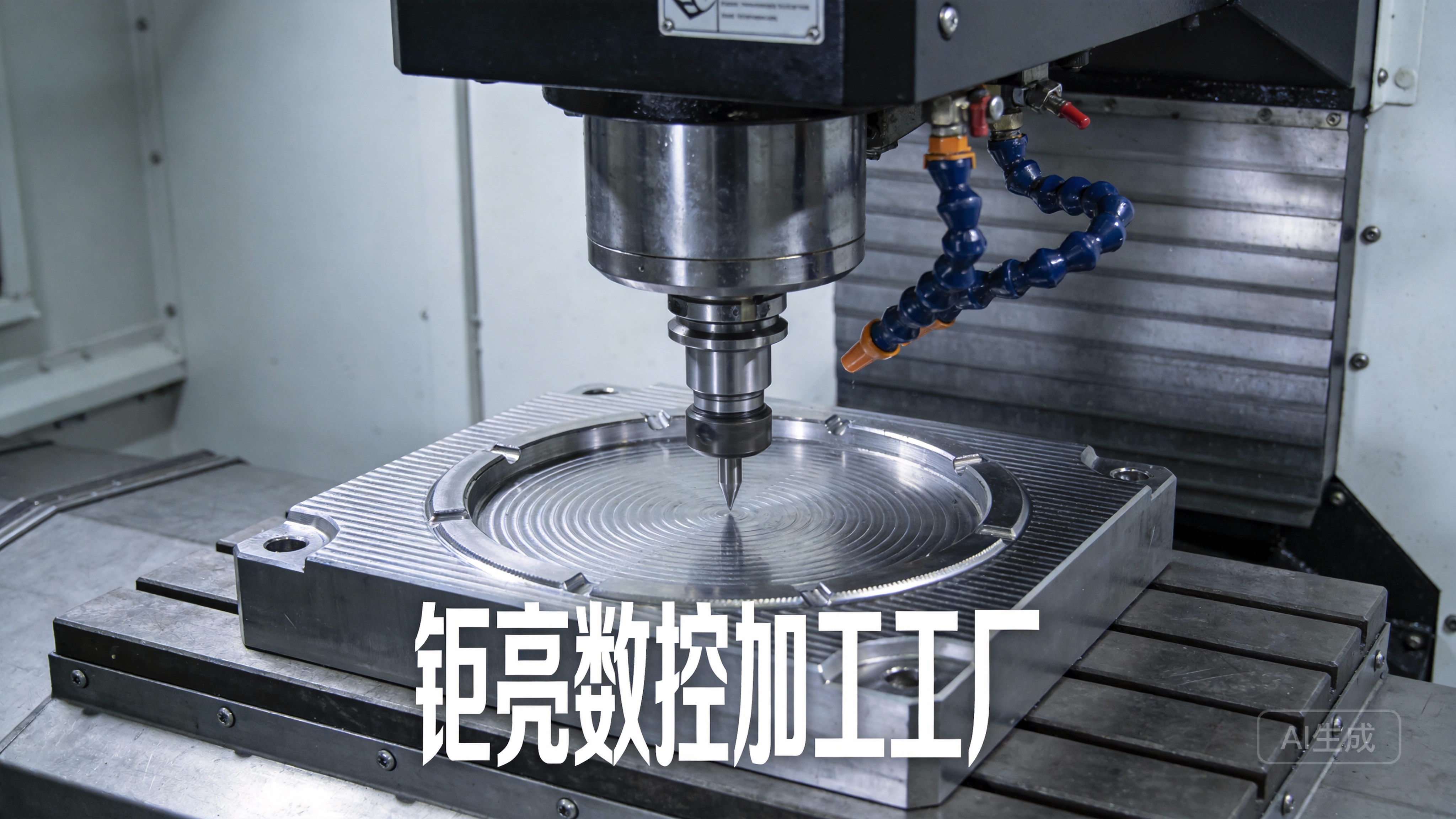
The size of the tool is the most obvious limit, but it’s not just about having a small end mill. Micro-tools (as small as 0.01mm in diameter) need specialized holding systems to minimize runout—the amount the tool wobbles as it spins. A runout of just 0.001mm can cause the tool to break or produce inconsistent cuts. GreatLight uses hydraulic chucks and precision collets that reduce runout to less than 0.0005mm, allowing us to reliably use tools as small as 0.005mm for extreme miniaturization.
Control System Resolution and Accuracy
A CNC machine’s control system translates design files into physical cuts. High-resolution encoders (with steps as small as 0.0001mm) ensure the machine can position the tool with pinpoint accuracy. Cheap or outdated control systems may claim high precision, but they often struggle to maintain consistency across multiple parts. GreatLight’s machines are equipped with state-of-the-art control systems that support real-time feedback, adjusting cutting parameters mid-process to compensate for material variations.
Material Properties and Machinability
Softer materials like aluminum, PEEK, or acrylic can be cut to smaller features than hard metals like titanium or mold steel. This is because softer materials exert less cutting force on the tool, reducing deflection. However, with the right tooling and process optimization, even hard metals can be machined to ultra-small sizes. For example, titanium requires coated micro end mills (like TiAlN or diamond coatings) and slower feed rates to prevent tool wear, which GreatLight’s engineering team has mastered through years of industry experience.
Process Expertise and Quality Assurance
Finally, even the best equipment is useless without skilled operators and rigorous quality control. Machinists need to understand how to adjust coolant flow (to flush away tiny chips that can scratch micro-features), fixture parts without distorting them, and optimize cutting parameters for each material and feature size. GreatLight’s team includes certified engineers with 10+ years of experience in micro-precision machining, supported by in-house metrology labs that verify every part against specifications.
How Small Can A CNC Machine Cut? Real-World Performance by CNC Type
The type of CNC machine also plays a major role in determining minimum cutting capabilities:
3-Axis CNC Machining: Entry-Level to Precision Miniaturization
3-axis machines (which move along X, Y, Z axes) are the most common, and they can typically cut features as small as 0.05mm with tolerances of ±0.005mm. With high-precision setups and micro-toolings, this can be reduced to 0.01mm, but 3-axis machines are limited to flat or simple geometries. They’re ideal for basic miniaturized parts like electronic connector pins or small plastic components.
4-Axis CNC Machining: Complexity Meets Miniaturization
4-axis machines add a rotational axis (A or B), allowing parts to be rotated during cutting. This means you can machine tiny features on curved or cylindrical surfaces—like micro-grooves on a medical device shaft—with the same minimum feature size as 3-axis machines (0.01mm with high-precision setups). 4-axis machining is perfect for parts that require features on multiple sides without re-fixturing.
5-Axis CNC Machining: The Pinnacle of Micro-Precision
5-axis machines (which add two rotational axes) are the gold standard for complex miniaturized parts. They can cut features as small as 0.005mm with tolerances down to ±0.001mm, and they can access hard-to-reach areas without repositioning the part. This is critical for aerospace turbine blades with micro-cooling holes or medical surgical instruments with intricate, curved features. GreatLight’s fleet of high-precision 5-axis machines is at the core of our ability to solve the most challenging micro-machining problems—learn more about GreatLight’s precision 5-axis CNC machining services to see how we can support your project.
Overcoming Micro-Cut Challenges: GreatLight Metal’s Proven Solutions
Many teams struggle with suppliers that promise ultra-precise cuts but fail to deliver due to cost-cutting on equipment or process control. GreatLight addresses these pain points head-on with a holistic approach:
Addressing the “Precision Black Hole” with Certified Processes
We eliminate the risk of unmet promises with ISO 9001:2015, IATF 16949 (automotive), and ISO 13485 (medical) certifications. These standards require strict process documentation, regular audits, and continuous improvement—ensuring that every part we produce meets the same high standard, whether it’s a prototype or a production run. For quality issues, we offer free rework, and if rework doesn’t meet your needs, we provide a full refund.
Advanced Equipment for Ultra-Tiny Cuts
GreatLight’s 7600-square-meter facility houses 127+ precision machines, including large high-precision 5-axis machining centers, micro-milling machines, and 3D printers for metal and plastic materials. Our 5-axis machines are capable of handling parts up to 4000mm in size while still achieving micro-precision features, making us a versatile partner for both small components and large assemblies.
Metrology and Quality Verification for Micro-Features
We don’t just rely on the machine’s feedback to ensure precision—we verify every part with in-house metrology tools, including coordinate measuring machines (CMMs) with 0.0005mm accuracy, optical microscopes, and surface profilometers. This allows us to measure even the smallest features, like 0.005mm holes or 0.01mm grooves, and confirm they meet your exact specifications.
Industry-Specific Expertise
GreatLight has deep experience in sectors that demand ultra-small CNC parts:
Medical Devices: We produce surgical instruments with micro-blades and endoscopic components with 0.008mm features, adhering to ISO 13485 standards.
Aerospace: Our 5-axis machines cut micro-cooling holes in turbine blades and sensor parts that withstand extreme temperatures and pressures.
Automotive: We manufacture fuel injection system components with 0.001mm tolerances, meeting IATF 16949 standards for reliability.
Comparing Providers: Why GreatLight Metal Stands Out for Micro-CNC Machining
When choosing a partner for ultra-small CNC machining, it’s important to compare three key factors: equipment, expertise, and reliability. Here’s how GreatLight stacks up against other types of providers:
| Provider Type | Equipment Quality | Micro-Machining Expertise | Certification & Reliability | One-Stop Service |
|---|---|---|---|---|
| General CNC Shops | Variable (often outdated) | Limited (focus on large parts) | Rarely certified for micro-precision | No (lack post-processing for micro-parts) |
| Specialized Micro-Machining Labs | High-quality | Excellent | May have certifications but limited production capacity | No (focus only on machining, not full process) |
| GreatLight Metal | State-of-the-art 5-axis, 4-axis, and micro-machines | 10+ years of experience in industry-specific micro-cutting | ISO 9001, IATF 16949, ISO 13485 certified; free rework and full refund guarantee | Yes (one-stop post-processing, finishing, and assembly) |
GreatLight balances the precision of a specialized lab with the production capacity and one-stop service of a large manufacturing enterprise, making us the ideal partner for both prototyping and mass production of ultra-small parts.
Conclusion
How Small Can A CNC Machine Cut? The answer is as small as 0.005mm with tolerances of ±0.001mm—if you have the right combination of equipment, tooling, process expertise, and quality control. GreatLight Metal has invested in all these areas over our 12+ years in the industry, delivering reliable, precise parts for the most demanding sectors. Whether you’re designing a medical device with micro-features or an aerospace component with ultra-tight tolerances, we have the capabilities to turn your design into a functional part quickly and cost-effectively. To connect with our team and learn more about our work, visit GreatLight Metal on LinkedIn to explore our case studies and industry insights.
Frequently Asked Questions (FAQ)
Q1: What’s the smallest feature size GreatLight Metal can CNC machine?
Our high-precision 5-axis CNC machines can produce features as small as 0.005mm (5 microns) with a tolerance of ±0.001mm. This includes tiny holes, grooves, and intricate surface details for industries like medical devices and aerospace. For less complex parts, we can achieve even tighter consistency across large production runs.
Q2: Can micro-CNC machining handle hard materials like titanium or mold steel?
Yes. We specialize in machining hard metals using coated micro end mills (like TiAlN or diamond coatings) and optimized cutting parameters to minimize tool wear. For titanium, we can achieve feature sizes down to 0.01mm with tight tolerances, adhering to ISO 13485 (medical) and IATF 16949 (automotive) standards depending on your project’s requirements.
Q3: How does GreatLight ensure precision for ultra-small CNC machined features?
We use a multi-layered quality control approach:
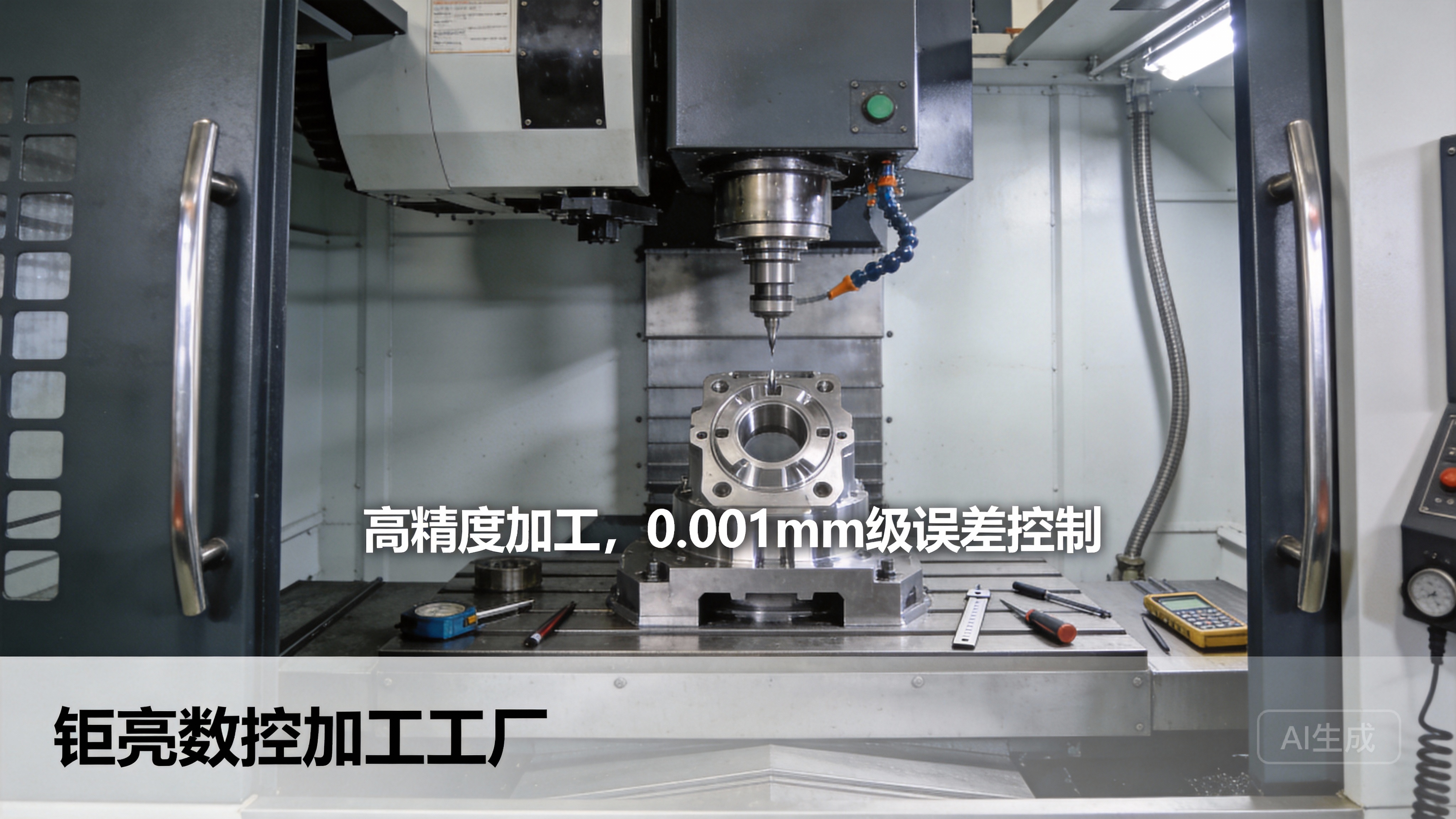
High-stiffness 5-axis machines with high-resolution encoders (0.0001mm steps) to ensure precise tool positioning.
Hydraulic chucks and precision collets that reduce tool runout to <0.0005mm, eliminating wobble during micro-cuts.
In-house metrology tools (CMMs, optical microscopes, profilometers) to verify every micro-feature against your specifications.
ISO 9001:2015 certified processes with strict process controls to eliminate variation across batches.
Q4: What industries most commonly require ultra-small CNC machined parts?
Ultra-small CNC parts are critical for:
Medical Devices: Surgical instruments, endoscopic components, and implantable parts.
Aerospace: Turbine blades with micro-cooling holes, sensor modules, and satellite components.
High-End Electronics: Connector pins, micro-components for wearables, and camera modules.
Automotive: Fuel injection systems, sensor parts, and electric vehicle battery components.
GreatLight has deep expertise in all these sectors, with case studies demonstrating our ability to solve complex micro-machining challenges.
Q5: What’s the typical lead time for micro-precision CNC parts?
For prototyping, we can deliver micro-precision parts in 3–5 business days, depending on material availability and part complexity. For small to medium production runs, lead times range from 7–15 business days. We also offer expedited services for urgent projects, with lead times as short as 2 business days for simple prototypes.
Q6: Does GreatLight offer post-processing for ultra-small CNC parts?
Yes. We provide one-stop post-processing services for micro-parts, including polishing, anodizing, plating, and coating. Our team has expertise in finishing tiny features without damaging them—for example, we can polish a 0.01mm groove to a mirror finish using specialized micro-finishing tools. This ensures your parts are ready for assembly or use right out of our facility.



















