The Evolution of Machine Tools: Understanding the Differences between NC and CNC Machines
Introduction
In the world of machine tools, there are two types of machines that have been used for decades to shape and manufacture products: NC (Numerical Control) machines and CNC (Computer Numerical Control) machines. While both types of machines share a common goal, there are significant differences between them in terms of function, structure, control methods, application, programming, and maintenance. In this blog post, we will delve into the details of these differences and explore the evolution of machine tools.
Definition and Principles
A NC machine is a type of digital control machine that uses a digital signal to control the movement of machine tools. The heart of a NC machine is the CNC system, which receives program codes and converts them into movement instructions that are precise and correct. On the other hand, a CNC machine, also known as a computerized numerical control machine, is a type of machine tool that uses computers to control its operations. The heart of a CNC machine is the CNC system on the computer, which combines programming and control to achieve high precision and high efficiency.
Structure and Composition
A NC machine consists of a CNC system, servo-motor systems, machine tools, and auxiliary equipment. The CNC system is responsible for receiving program codes and converting them into movement instructions. A CNC machine, on the other hand, has a more complex and advanced CNC system, which includes computer hardware, software, and an interface. The computer hardware includes a processor, memory, hard disk, and other components, while the software includes an operating system, a programming language, and CNC system software.
Control Method
The control method of a NC machine is relatively simple, with the machine tools being mainly controlled by the CNC system. The CNC system receives program codes and converts them into movement instructions to achieve control of the machine tool. This type of control is relatively low in precision and is suitable for simple machining tasks. A CNC machine, on the other hand, has a more complex control method, with the CNC system performing complex programming and control to achieve high precision and high efficiency.
Application Zones
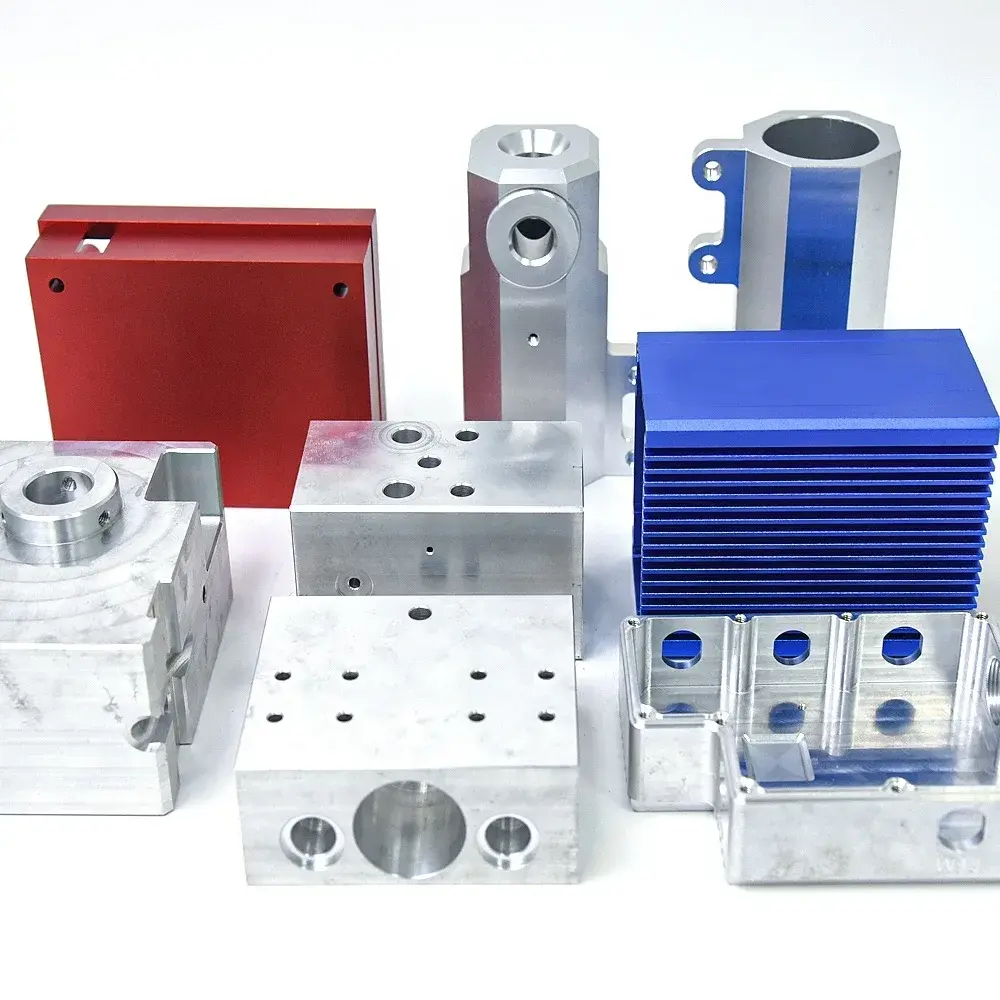
NC machines are mainly used in simple machining tasks, such as milling, drilling, and so on. Due to their relatively low control and precision, NC machines are not suitable for high-precision and high-efficiency machining tasks. CNC machines, on the other hand, are mainly used in complex tasks, such as multi-axis machining, surface machining, and precision machining, where high precision and high efficiency are required.
Programming and Operation
The programming of a NC machine is relatively simple, mainly done manually or with the use of simple programming software. The operation of a NC machine is also relatively simple, requiring operators to master certain knowledge of CNC programming and operation. A CNC machine, on the other hand, requires more complex programming and operation, requiring the use of professional programming software and high CNC and operating programming skills.
Price and Maintenance
NC machines are relatively low-cost, but their maintenance costs may be higher due to the need to regularly repair and replace the control system and servo-motor systems. CNC machines, on the other hand, are more expensive, but their maintenance costs are lower, as the IT systems and servo-motor systems are generally reliable and stable.
Development Trends
With the continuous development of CNC technology, the border between NC machines and CNC machines has gradually blurred. Many modern CNC machines have features that combine the characteristics of both NC and CNC, which can perform more complex and advanced machining tasks. In conclusion, there are significant differences between NC and CNC machines in terms of function, structure, control methods, application, programming, and maintenance. As technology continues to evolve, the differences between these two types of machines will continue to decrease, but they will always have their own characteristics and advantages in certain respects.
Conclusion
In conclusion, NC machines and CNC machines are both important tools in the manufacturing industry, each with its unique characteristics and applications. While NC machines are suitable for simple machining tasks, CNC machines are better suited for complex tasks. As technology continues to advance, the line between these two types of machines will continue to blur, but understanding the differences between them will remain crucial for effective use in various industries.