
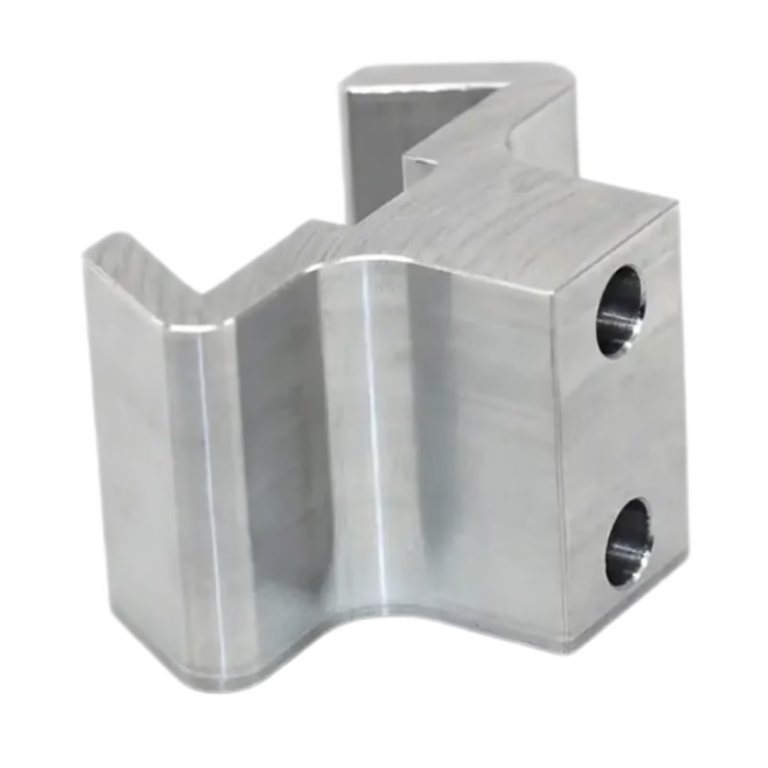
What Is The Best CNC Machine For Metal? This is one of the most pressing questions for procurement engineers, R&D teams, and manufacturing managers looking to turn complex metal part designs into high-quality, functional components. With a wide range of CNC machines available—from entry-level 3-axis centers to advanced 5-axis systems and specialized Swiss-type lathes—navigating the options can feel overwhelming, especially when balancing technical requirements with budget and production goals. To answer this question thoroughly, we need to break down the core types of metal CNC machines, their ideal applications, and the key factors to consider when selecting the best fit for your project.
What Is The Best CNC Machine For Metal? A Breakdown by Machine Type
Not all CNC machines are created equal, and the “best” option depends entirely on the unique demands of your part. Below is a detailed look at the most common types of metal CNC machines, their strengths, limitations, and ideal use cases:
1. 3-Axis CNC Machining Centers: The Workhorse for Basic to Moderate Complexity
3-axis CNC machines operate along three linear axes: X (horizontal), Y (horizontal perpendicular to X), and Z (vertical). They are the most widely used CNC machines in metal manufacturing due to their versatility and cost-effectiveness.
Key Advantages:
Lower upfront and operational costs compared to multi-axis systems.
Faster setup times for simple, flat, or basic 3D geometries.
High throughput for mass production of standard components like brackets, plates, and basic housings.
Limitations:
Cannot machine undercuts or complex 3D contours without repositioning the part, which increases lead time and introduces the risk of alignment errors.
Limited to parts with features accessible from one or two primary sides.
Ideal For:
Prototyping simple metal parts.
Mass production of standard components (e.g., aluminum chassis for consumer electronics).
Low-volume runs of non-complex designs where precision requirements are moderate (±0.01mm or looser).
2. 4-Axis CNC Machining Centers: Adding Rotational Flexibility
Building on 3-axis capabilities, 4-axis machines add a single rotational axis (usually the A-axis, which tilts the part, or B-axis, which rotates it around the Y-axis). This allows the part to be rotated during machining, eliminating the need for multiple setups to access features on multiple sides.
Key Advantages:
Reduces setup time by 30-50% compared to repositioning parts on a 3-axis machine.
Improves accuracy by minimizing errors from manual part re-alignment.
Handles asymmetric parts (e.g., gears with holes around their circumference, multi-sided brackets) more efficiently than 3-axis systems.
Limitations:
Higher cost than 3-axis machines, with a steeper learning curve for programming the rotational axis.
Still cannot access all angles of a complex, organic-shaped part in one setup.
Ideal For:
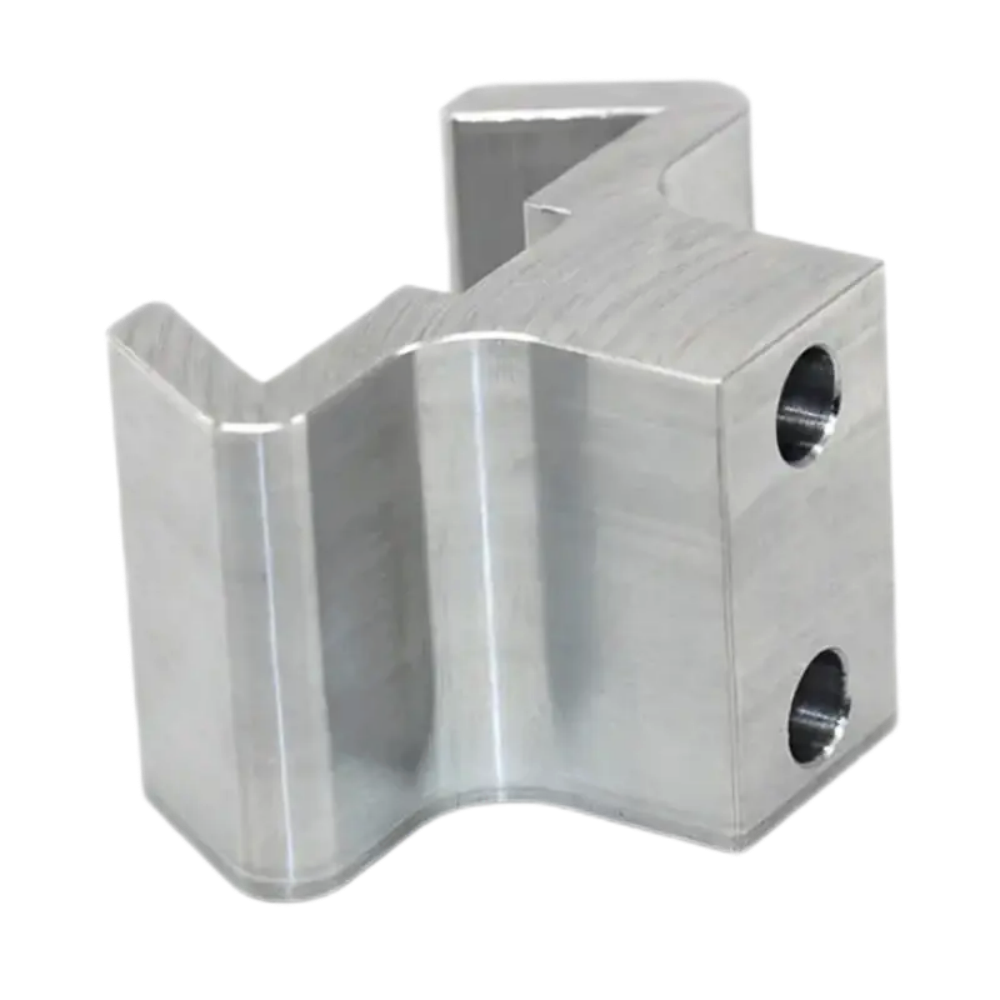
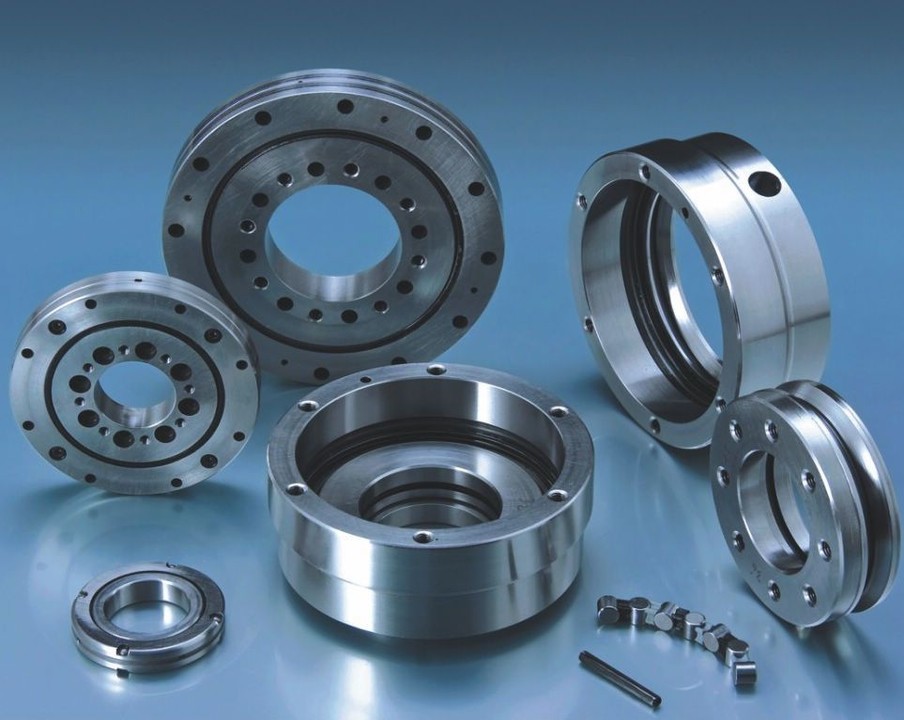
Rotational components like shafts, pulleys, and gears.
Parts with features on three or four sides that don’t require full 5-axis coverage.
Medium-volume runs of multi-sided metal components.
3. 5-Axis CNC Machining Centers: The Gold Standard for Complex Metal Parts
5-axis CNC machines are the pinnacle of precision metal manufacturing, adding two rotational axes to the standard 3-axis setup. This allows simultaneous movement along all five axes, enabling machining of highly complex, organic shapes, undercuts, and parts with features on multiple angles in a single setup.
For projects demanding the ultimate in precision and complexity, partnering with a provider that specializes in 5-axis CNC machining services (opening in new window) is critical—these services leverage advanced machines to solve the most challenging metal manufacturing problems.
Key Advantages:
Unmatched precision: Top-tier systems (like those used by GreatLight Metal Tech Co., LTD.) can achieve tolerances as tight as ±0.001mm, critical for aerospace, medical, and automotive applications.
Eliminates multiple setups, reducing lead time by up to 70% for complex parts.
Minimizes material waste by optimizing tool paths to access hard-to-reach features.
Can handle hard, high-strength metals like titanium, mold steel, and Inconel with consistent accuracy.
Limitations:
Highest upfront cost among CNC machines, with higher operational expenses due to specialized tooling and programming.
Requires highly skilled programmers and operators to maximize the machine’s capabilities.
Ideal For:
Aerospace components (e.g., turbine blades, structural brackets).
Medical implants (e.g., orthopedic screws, dental fixtures).
Automotive engine and transmission parts (e.g., camshafts, valve bodies).
Humanoid robot components (e.g., complex joint mechanisms, sensor housings).
High-precision tooling and molds with intricate geometries.
4. Swiss-Type CNC Lathes: Precision for Small, Complex Turned Parts
Swiss-type lathes are specialized for machining small, high-precision turned parts (typically under 30mm in diameter). Unlike standard lathes, they use a sliding headstock that moves the part past stationary cutting tools, providing continuous support close to the cutting point to minimize deflection.
Key Advantages:
Exceptional precision for tiny components (tolerances as tight as ±0.002mm).
High speed for mass production of small parts (e.g., 10,000+ pieces per day).
Can integrate milling, drilling, and tapping operations in one setup, eliminating the need for secondary processes.
Limitations:
Limited to small part sizes, making them unsuitable for large components.
Specialized design means they are less versatile than multi-axis mills.
Ideal For:
Medical device components (e.g., catheters, surgical pins).
Aerospace fasteners (e.g., tiny bolts, rivets).
Electronic connectors and pins.
Miniature automotive parts (e.g., fuel injector components).
5. CNC Mill-Turn Centers: Combining Milling and Turning in One
Mill-turn centers integrate the capabilities of a CNC lathe and a CNC mill into a single machine. This allows for machining parts that require both cylindrical features (from turning) and complex milled features (like holes, slots, or threads) without transferring the part between machines.
Key Advantages:
Improves accuracy by eliminating errors from part transfer between machines.
Reduces lead time by consolidating multiple processes into one setup.
Efficient for parts with mixed turning and milling features (e.g., shafts with keyways, valve components).
Limitations:
Higher cost than standalone lathes or mills.
Requires operators skilled in both turning and milling processes.
Ideal For:
Complex shafts and spindles.
Automotive transmission components.
Hydraulic and pneumatic valve parts.
Key Factors to Choose the Best CNC Machine for Your Metal Project
Beyond machine type, several critical factors will guide your decision:
1. Part Complexity
Simple, flat parts → 3-axis CNC mill.
Multi-sided but not highly intricate parts → 4-axis CNC mill.
Highly complex, organic, or undercut features → 5-axis CNC mill.
Small, turned parts with mixed features → Swiss-type lathe or mill-turn center.
2. Precision Requirements
Tight tolerances (±0.001–0.005mm) → 5-axis CNC mill or Swiss-type lathe.
Moderate tolerances (±0.01–0.05mm) → 3-axis or 4-axis CNC mill.
Looser tolerances (±0.1mm+) → 3-axis CNC mill or standard lathe.
3. Production Volume
Mass production (10,000+ parts) → 3-axis CNC mill, Swiss-type lathe, or specialized production machines.
Low-volume (1–100 parts) → 5-axis CNC mill (to minimize setup time) or 4-axis mill.
Prototyping (1–10 parts) → Flexible systems like 5-axis CNC mills (to accommodate design iterations).
4. Material Type
Hard metals (titanium, mold steel, Inconel) → Robust 5-axis CNC mills with high-torque spindles (like GreatLight’s fleet).
Soft metals (aluminum, brass, copper) → Most CNC machines, but 3-axis or 4-axis mills are cost-effective for high-volume runs.
5. Budget
Balance upfront costs with long-term efficiency: For example, a 5-axis machine may cost more per hour, but reduces setup time and error rates, saving money on complex projects. For most businesses, outsourcing to a provider with a full fleet of machines is more cost-effective than purchasing and maintaining your own equipment.
Why Partnering with GreatLight Metal Tech Co., LTD. Beats Investing in Your Own CNC Machines
For many businesses, investing in a single CNC machine (or even a fleet) is not feasible due to high upfront costs, maintenance expenses, and the need for specialized staff. Partnering with a trusted provider like GreatLight Metal Tech Co., LTD. offers a more flexible, cost-effective solution with several key benefits:
1. Access to a Full Fleet of Advanced Machines
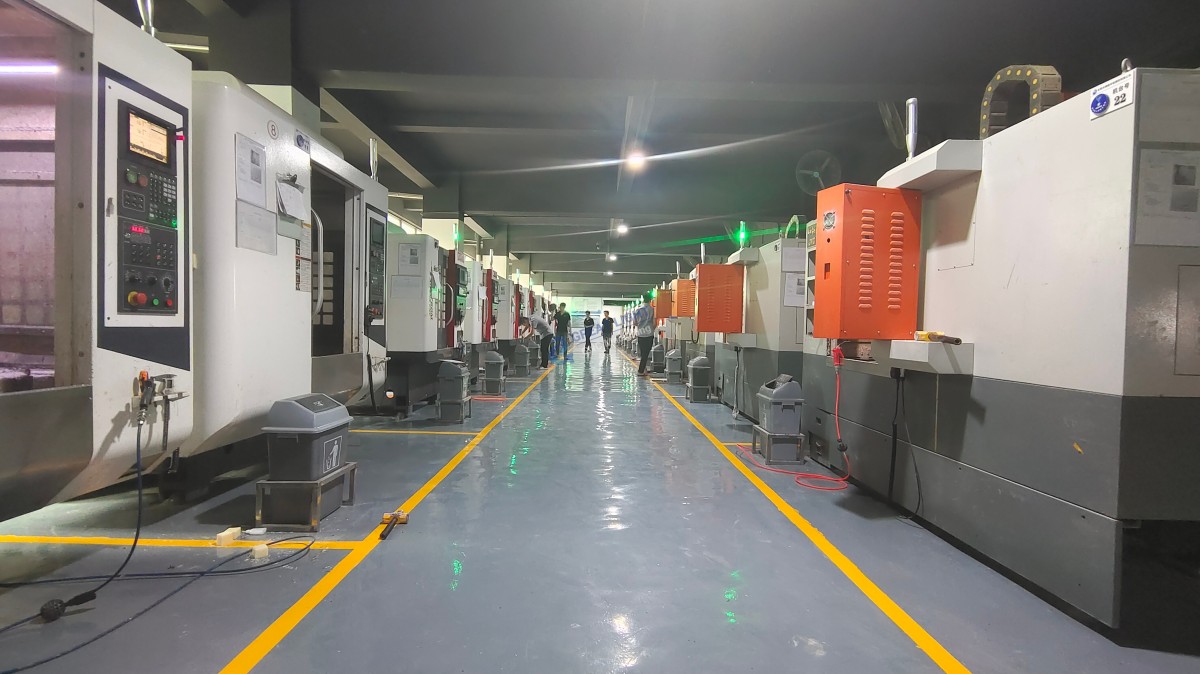
GreatLight operates 127+ precision machines, including high-end 5-axis CNC mills from brands like Dema and Beijing Jingdiao, 4-axis/3-axis mills, Swiss-type lathes, EDM machines, and 3D printers (SLM, SLA, SLS). This means you can choose the exact machine type for your project without capital investment.
2. Unmatched Precision and Quality Control
GreatLight’s 5-axis machines can achieve tolerances as tight as ±0.001mm, with a maximum processing size of 4000mm. The company is ISO 9001:2015, IATF 16949 (automotive), ISO 13485 (medical), and ISO 27001 (data security) certified, ensuring strict adherence to global quality standards. In-house precision measurement equipment verifies every part meets your specifications, with free rework for quality issues and a full refund if rework is unsatisfactory.
3. One-Stop Manufacturing Solutions
From design for manufacturability (DFM) support and CNC machining to post-processing (anodizing, plating, polishing, heat treatment) and assembly, GreatLight offers end-to-end services. This eliminates the need to coordinate with multiple vendors, reducing lead time and minimizing communication errors.
4. Expert Engineering Support
GreatLight’s team of 150+ professionals includes certified programmers, operators, and engineers with over a decade of experience in precision metal manufacturing. They can optimize your part design for CNC machining, reduce costs, and solve complex manufacturing challenges—whether you’re working on automotive engine parts, medical implants, or humanoid robot components.
5. Scalability
GreatLight operates three wholly-owned manufacturing plants with a 7600-square-meter facility, allowing them to scale from single prototypes to mass production runs of 100,000+ parts. This flexibility ensures they can support your project at every stage, from R&D to full-scale production.
Real-World Results: GreatLight’s CNC Machining Success Stories
GreatLight’s expertise in CNC machining has helped clients across industries overcome critical manufacturing challenges:
Automotive: For a new energy vehicle client, GreatLight used 5-axis CNC machining to produce complex aluminum e-housings with ±0.005mm tolerances, reducing lead time by 40% compared to the client’s previous provider and enabling a 2-month early prototype launch.
Medical: GreatLight machined titanium orthopedic implants with ±0.001mm precision, meeting ISO 13485 standards and helping a medical device manufacturer gain regulatory approval faster.
Aerospace: GreatLight processed high-strength Inconel turbine blades using 5-axis CNC mills, ensuring consistent accuracy across all complex contours and meeting strict aerospace industry requirements.
Conclusion
What Is The Best CNC Machine For Metal? The answer depends on your specific project needs—from part complexity and precision requirements to production volume and budget. For simple, high-volume parts, 3-axis or Swiss-type machines are ideal; for multi-sided components, 4-axis offers the right balance of flexibility and cost; and for the most complex, high-precision parts, 5-axis CNC machining is the gold standard. However, rather than investing in your own fleet of machines, partnering with a trusted provider like GreatLight Metal Tech Co., LTD. gives you access to all these technologies, along with expert support, rigorous quality control, and one-stop services. With over a decade of experience, globally recognized certifications, and a track record of solving complex manufacturing challenges, GreatLight is the ideal partner to turn your metal part designs into reality. For more insights into their capabilities, connect with them on LinkedIn (opening in new window).
Frequently Asked Questions (FAQ)
Q1. Can 3-axis CNC machines handle hard metals like titanium?
Yes, but they may require specialized cutting tools and slower feed rates to avoid tool wear and maintain accuracy. For hard metals with complex geometries, 5-axis CNC machines are more efficient, as they can maintain optimal cutting angles to reduce deflection and improve surface finish.
Q2. How tight of tolerances can 5-axis CNC machines achieve?
Top-tier 5-axis CNC machines, like those used by GreatLight, can achieve tolerances as tight as ±0.001mm, which is critical for applications requiring extreme precision, such as medical implants and aerospace components.
Q3. Is outsourcing CNC machining more cost-effective than buying my own machine?
For most businesses, yes. Outsourcing eliminates upfront capital costs, maintenance expenses, operator training, and downtime due to machine breakdowns. It also gives you access to a wider range of technologies without investing in each machine, making it easier to adapt to changing project needs.
Q4. What post-processing services are available for CNC machined metal parts?
GreatLight offers a full range of post-processing services, including anodizing, powder coating, electroplating (nickel, chrome, gold), polishing, sandblasting, heat treatment, and passivation. These services can enhance the aesthetic appeal, corrosion resistance, and functional performance of your parts.
Q5. Does GreatLight offer design support for CNC machined parts?
Yes, GreatLight’s engineering team provides design for manufacturability (DFM) services to optimize your part design for CNC machining. They can identify potential issues (e.g., undercuts that are hard to machine, over-tight tolerances that increase costs) and suggest modifications to reduce lead time and improve production efficiency.
Q6. What materials can GreatLight machine using CNC?
GreatLight can process almost all metals, including aluminum, stainless steel, titanium, mold steel, copper, brass, Inconel, and magnesium. They also offer CNC machining services for engineering plastics, making them a versatile partner for hybrid metal-plastic parts.



















