

If you’ve ever wondered, “What Is CNC Rolling Machine?” you’re not alone—this specialized piece of manufacturing equipment is a workhorse for shaping sheet metal and other materials into curved, cylindrical, or conical forms, and it plays a critical role in industries from automotive to aerospace. Unlike manual rolling methods that rely on human skill and guesswork, CNC rolling machines leverage computer numerical control to deliver unrivaled precision, repeatability, and flexibility, making them indispensable for modern precision manufacturing workflows.
What Is CNC Rolling Machine?
At its core, a CNC rolling machine is an automated, computer-controlled piece of equipment designed to bend and shape flat sheets of material into curved or rounded profiles. It replaces manual adjustments with pre-programmed instructions, ensuring every component meets exact design specifications. Whether you need a simple cylindrical pipe, a complex asymmetric curve for an aerospace fuselage, or a custom conical part for medical equipment, a CNC rolling machine can execute the task with consistent accuracy.
Core Components of a CNC Rolling Machine
Every CNC rolling machine is built with key components that work in tandem to deliver precise results:
CNC Control System: The “brain” of the machine, which interprets CAD/CAM design files and translates them into real-time commands for the rolling mechanism.
Rolling Rolls: Typically 3 or 4 metal rolls (upper, lower, and side rolls) that apply pressure to the material to bend it into the desired shape. 4-roll machines add extra precision for pre-bending thin materials.
Actuation System: Hydraulic or pneumatic mechanisms that adjust roll position, speed, and pressure to match the material’s thickness and desired curve.
Material Clamping: Secure clamps that hold the material in place during rolling to prevent slippage and ensure uniform bends.
Safety Features: Emergency stop buttons, light curtains, and pressure sensors to protect operators and prevent material damage.
| To highlight the gap between traditional and CNC rolling methods, here’s a quick comparison: | Feature | Manual Rolling Machine | CNC Rolling Machine |
|---|---|---|---|
| Precision | ±0.5–1mm (depends on operator skill) | ±0.01–0.1mm (consistent across all parts) | |
| Repeatability | Low (varies between operators/batches) | High (100% consistent for identical parts) | |
| Complex Shape Capability | Limited to simple curves | Can produce asymmetric, non-uniform, and custom curves | |
| Production Speed | Slow (manual adjustments required) | Fast (automated, pre-programmed cycles) | |
| Material Waste | High (trial-and-error bending) | Low (exact parameter settings minimize scrap) |
How Does a CNC Rolling Machine Work?
The operation of a CNC rolling machine follows a streamlined, data-driven process that eliminates human error:
Design Input: Engineers create a 3D model of the desired part using CAD software, then convert it into a CNC-compatible program via CAM tools. This program includes details like bend radius, number of rolling passes, and material feed speed.
Material Loading: The flat sheet or plate is loaded onto the machine’s bed, and secured with clamping mechanisms to prevent movement during rolling.
Parameter Calibration: Operators verify that the machine’s settings (roll pressure, speed, and position) match the program’s specifications, adjusting for material type and thickness if needed.
Rolling Operation: The machine executes the pre-programmed sequence: rolls adjust to apply gradual pressure, bending the material incrementally until the desired shape is achieved. For complex curves, the CNC system adjusts roll position in real-time to maintain uniformity.
Quality Inspection: After rolling, the part is unloaded and inspected using precision tools like coordinate measuring machines (CMMs) to ensure it meets dimensional tolerances.
Post-Processing (Optional): If needed, the part moves to surface finishing (painting, powder coating, or polishing) or assembly—services that trusted providers like GreatLight CNC Machining offer as part of a one-stop solution.
Types of CNC Rolling Machines
CNC rolling machines are categorized based on their roll configuration and intended use:
3-Roll CNC Rolling Machines: The most common type, with two lower rolls and one upper roll. Symmetric 3-roll machines are ideal for simple cylindrical shapes, while asymmetric models excel at pre-bending thin materials to eliminate flat edges.
4-Roll CNC Rolling Machines: Equipped with two lower rolls, one upper roll, and a side roll. This design allows for full pre-bending of material edges without repositioning, making it perfect for high-precision applications like aerospace fuselage components.
Hydraulic vs. Mechanical CNC Rolling Machines: Hydraulic models offer greater force for thick, high-strength materials (like steel plates for construction), while mechanical machines are better suited for small to medium batches of thin materials (like aluminum sheet for automotive parts).
Key Advantages of CNC Rolling Machines Over Traditional Methods
The shift from manual to CNC rolling is driven by tangible benefits that directly impact product quality and business efficiency:
Unmatched Precision and Repeatability: CNC rolling ensures every part matches the exact design, critical for industries like aerospace where even a 0.1mm deviation can compromise safety.
Complex Shape Capability: Unlike manual rolling, CNC systems can execute non-circular curves, tapered cones, and asymmetric bends that would be impossible to produce consistently by hand.
Reduced Material Waste: Pre-programmed parameters eliminate trial-and-error bending, cutting scrap rates by up to 30% compared to manual methods.
Faster Production Cycles: Automated processes reduce setup time and eliminate manual adjustments, cutting production lead times by 50% or more for large batches.
Enhanced Safety: CNC machines minimize operator contact with moving parts, reducing the risk of workplace injuries associated with manual rolling.
Scalability: Whether you need a single prototype or 10,000 production parts, CNC rolling machines can adapt to your volume requirements without sacrificing quality.
Applications of CNC Rolling Machines Across Industries
CNC rolling machines are versatile tools used in nearly every sector that requires curved metal components:
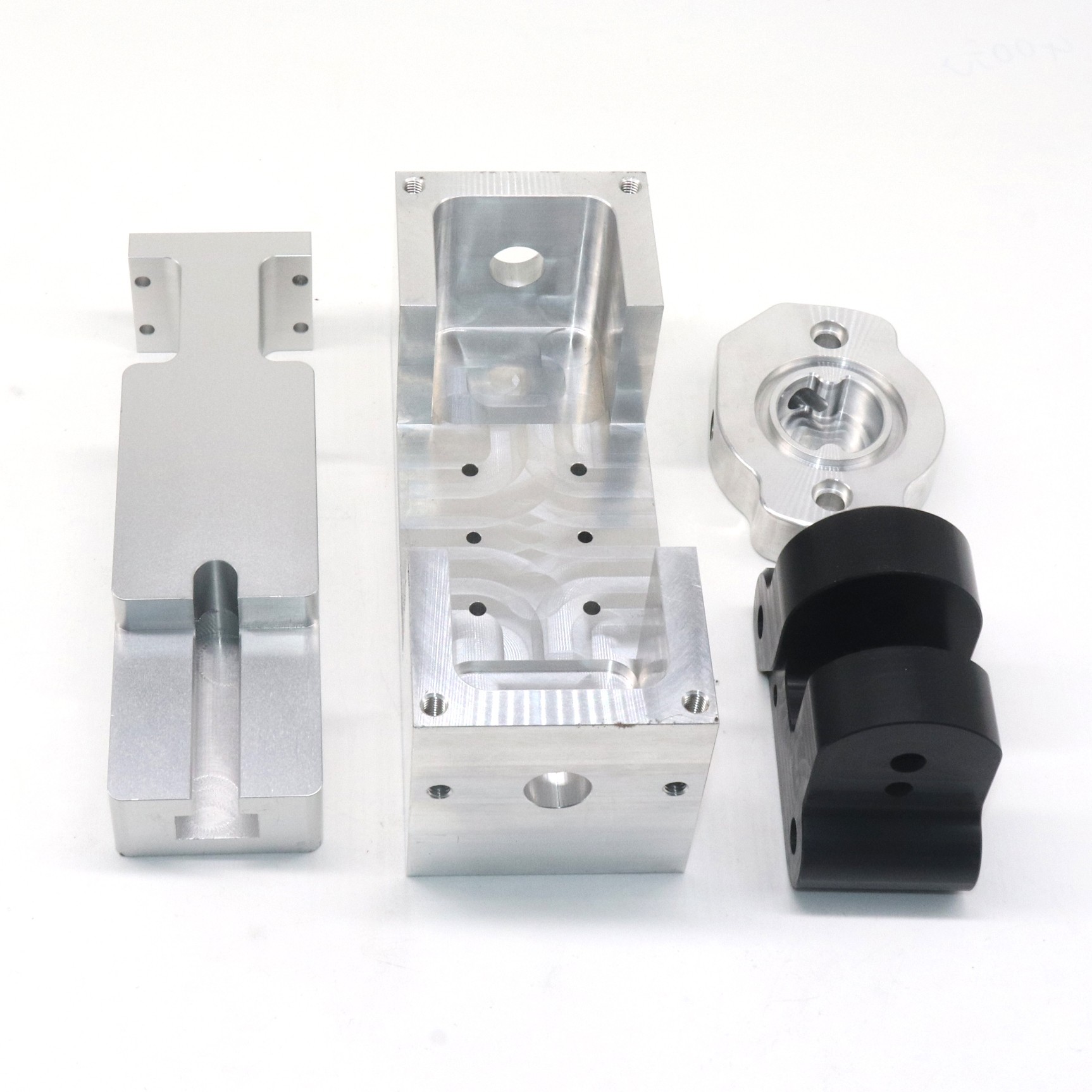
Automotive: Exhaust pipes, fuel tank shells, curved body panels, and suspension components. CNC rolling ensures consistent fit and performance across thousands of vehicles.
Aerospace: Fuselage sections, wing leading edges, engine cowlings, and satellite antenna dishes. Precision is non-negotiable here, as parts must withstand extreme temperatures and pressure.
Construction: Curved steel beams for bridges, architectural facades, pipe supports, and round structural columns. CNC rolling allows architects to bring bold, curved designs to life.
Energy: Wind turbine tower sections, pressure vessels for power plants, and pipeline segments for oil and gas. These parts require thick, high-strength materials rolled to exact specifications.
Medical: Stainless steel surgical instrument handles, imaging equipment housings, and prosthetic components. CNC rolling ensures biocompatible materials are shaped without compromising surface integrity.
Choosing the Right CNC Rolling Machine Partner: Why GreatLight CNC Machining Stands Out
Understanding “What Is CNC Rolling Machine?” is only half the battle—you need a partner with the expertise, equipment, and commitment to quality to leverage this technology effectively. GreatLight CNC Machining Factory, a leading precision manufacturing provider based in Dongguan’s “Hardware and Mould Capital,” is the ideal choice for your CNC rolling and sheet metal processing needs.
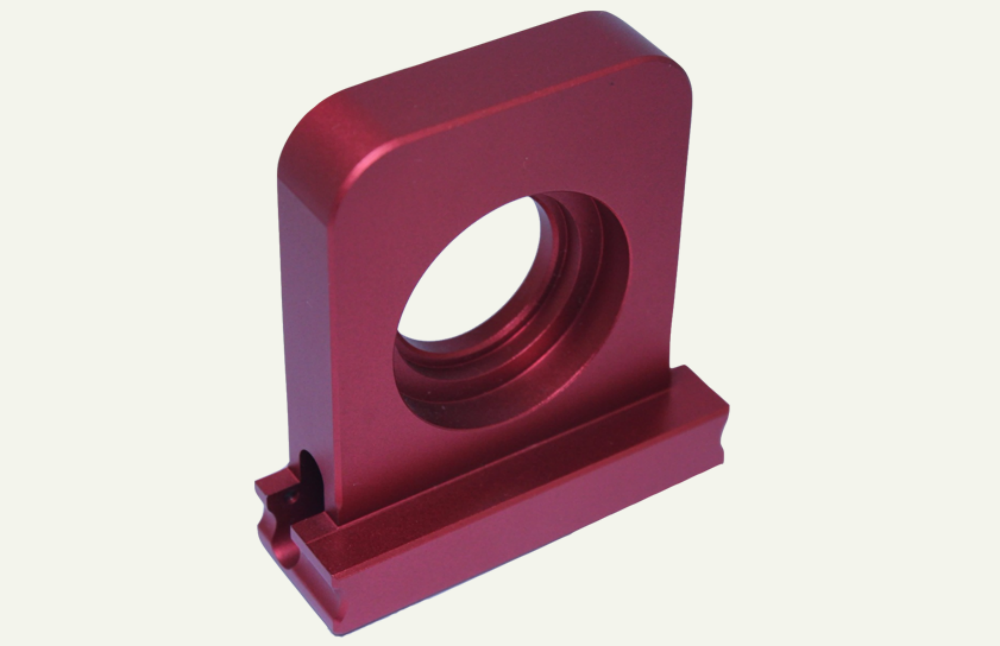
Unrivaled Equipment and Process Capability
GreatLight operates from a 7600-square-meter facility with 150 skilled employees and 127 pieces of precision equipment, including advanced 3-roll and 4-roll CNC rolling machines. This fleet is complemented by 3-axis, 4-axis, and 5-axis CNC machining centers, 3D printers, and surface finishing tools, allowing them to offer a one-stop solution from design to final assembly.
Industry-Leading Certifications and Quality Control
GreatLight holds ISO 9001:2015, IATF 16949 (automotive), ISO 13485 (medical), and ISO 27001 (data security) certifications, ensuring every CNC rolled part meets global quality standards. Their in-house inspection lab uses CMMs, optical comparators, and hardness testers to verify dimensional accuracy and surface finish. For peace of mind, they offer free rework for quality issues, with a full refund if rework doesn’t meet your expectations.
Deep Industry Expertise
With over 12 years of experience, GreatLight’s team of engineers specializes in solving complex manufacturing challenges for industries like automotive, aerospace, medical, and industrial automation. For example, they recently partnered with a new energy vehicle manufacturer to produce 10,000 rolled aluminum battery tray components, delivering parts with ±0.05mm precision and a 2-week lead time—5 days faster than the client’s previous supplier.
One-Stop Post-Processing and Support
GreatLight doesn’t stop at rolling: they offer comprehensive surface finishing services including powder coating, anodizing, sandblasting, and polishing, as well as assembly and packaging. This eliminates the need to coordinate multiple suppliers, saving you time and reducing logistics costs.
Conclusion
In the end, understanding “What Is CNC Rolling Machine?” is just the first step—partnering with a trusted, experienced manufacturer like GreatLight CNC Machining ensures you leverage this powerful equipment to its full potential, delivering high-quality, precise curved components that drive your product’s success. Whether you need a single prototype or a large production run, GreatLight’s combination of advanced technology, industry certifications, and customer-centric support makes them the ideal choice for all your precision manufacturing needs.
Frequently Asked Questions (FAQ)
Q1: What materials can a CNC rolling machine process?
A: CNC rolling machines can handle a wide range of materials, including carbon steel, aluminum, titanium, brass, stainless steel, and even some high-performance plastics and composites. GreatLight CNC Machining has experience working with over 50 different materials to meet client-specific requirements.
Q2: What is the maximum thickness of material a CNC rolling machine can handle?
A: This depends on the machine type and material strength. GreatLight’s hydraulic CNC rolling machines can process steel plates up to 50mm thick and aluminum sheets as thin as 0.1mm, making them suitable for both heavy-duty construction parts and delicate automotive components.
Q3: Can CNC rolling machines produce non-circular curved shapes?
A: Yes. Advanced CNC rolling machines use CAD/CAM data to program custom, non-uniform curves like tapered cones, asymmetric bends, and wave-like profiles. GreatLight’s engineering team has designed and produced hundreds of custom curved parts for aerospace and medical clients.
Q4: How long does it take to produce a batch of rolled components?
A: Lead times vary based on batch size, part complexity, and material. Small prototype batches can be completed in 1–3 days, while large production runs (10,000+ parts) may take 1–2 weeks. GreatLight’s streamlined processes and large equipment fleet ensure fast turnaround times without compromising quality.
Q5: What happens if a rolled part doesn’t meet my specifications?
A: GreatLight offers a comprehensive after-sales guarantee: if a part fails to meet your quality standards, they will rework it for free. If rework still doesn’t satisfy your requirements, they provide a full refund. Their ISO 9001:2015 certification ensures all quality issues are resolved quickly and transparently.
Q6: Does GreatLight offer design support for CNC rolling projects?
A: Yes. GreatLight’s in-house design team can review your CAD files to optimize them for CNC rolling, suggesting adjustments to reduce material waste, improve precision, and shorten lead times. This free design support helps clients avoid costly mistakes before production begins.



















