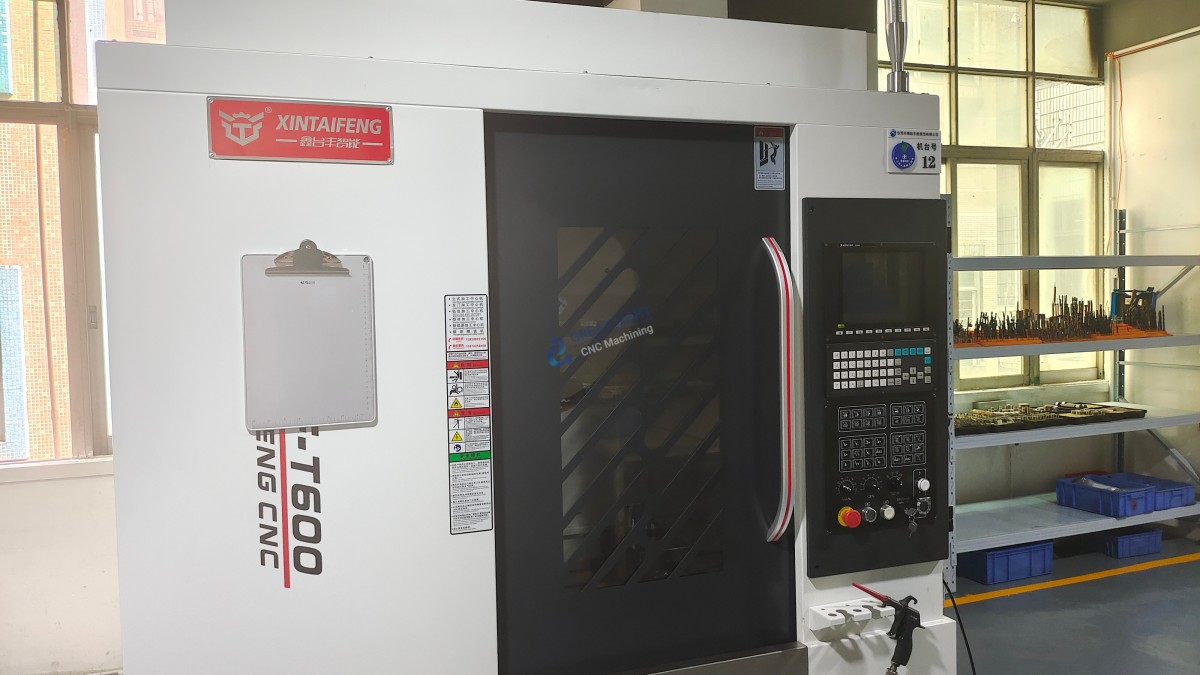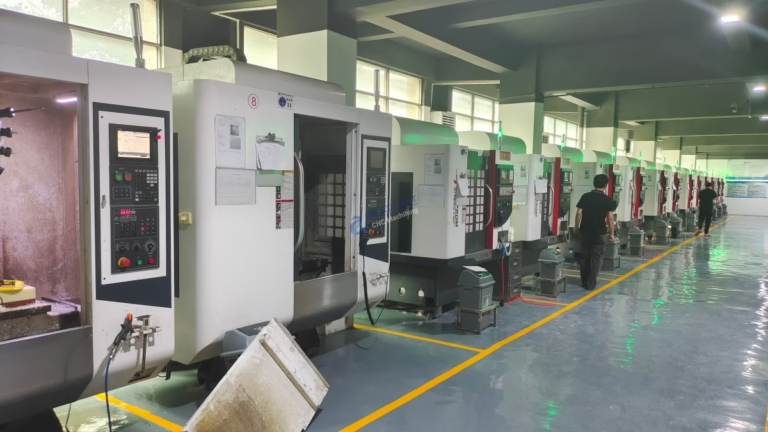
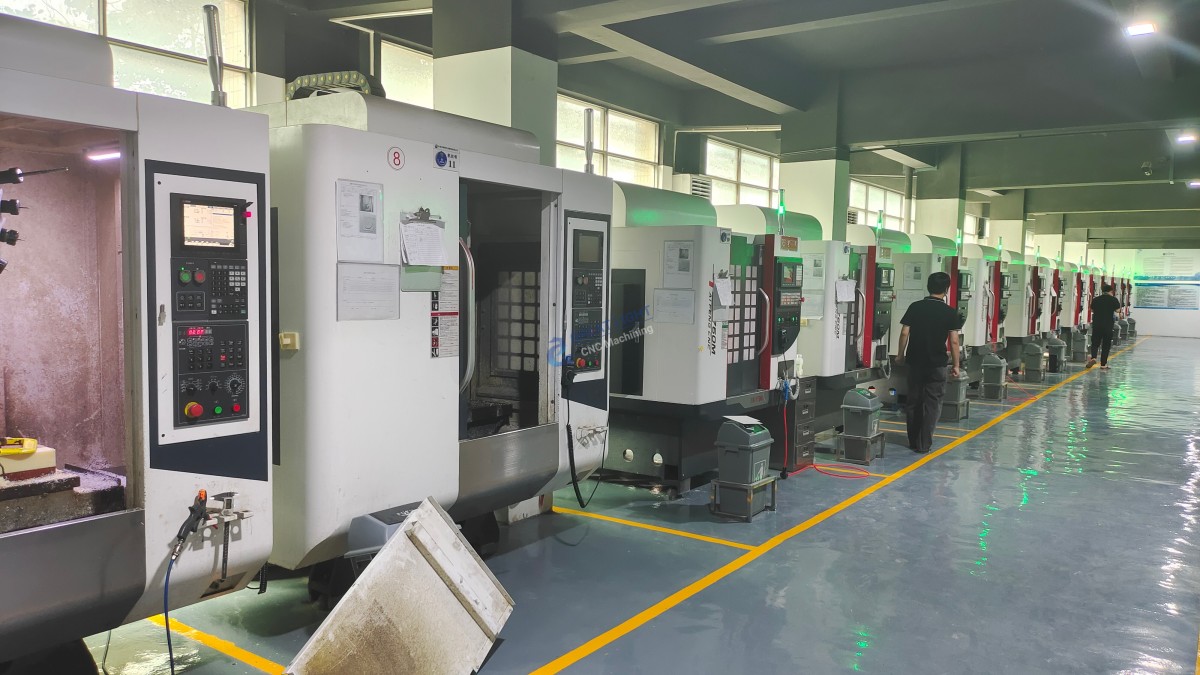
In the world of modern manufacturing, where complexity, precision, and efficiency are paramount, the CNC vertical milling machine stands as a fundamental and versatile workhorse. For clients and engineers seeking precision parts machining and customization, understanding this core technology is crucial for making informed decisions about their projects. At its essence, a CNC vertical milling machine is a computer-numerically-controlled machining tool where the spindle axis is oriented vertically. It uses rotary cutting tools to remove material from a stationary workpiece, which is secured to a table that moves in the X (left-right) and Y (front-back) axes, while the spindle provides movement in the Z (up-down) axis. This configuration is exceptionally well-suited for a vast array of tasks, from creating simple pockets and slots to producing complex 3D contours and molds.
H2: Deconstructing the CNC Vertical Milling Machine: Core Components and Function
To truly appreciate its capability, let’s break down the key components of a standard CNC vertical machining center (VMC), which is the advanced, enclosed version of a basic milling machine:
Frame and Base: The rigid, often cast-iron, foundation that absorbs vibrations and ensures stability during high-force cutting operations, directly impacting final part accuracy.
Vertical Spindle: The heart of the machine, holding and rotating the cutting tool (end mill, face mill, drill, etc.) at high speeds. Its vertical orientation is ideal for plunge cuts and provides excellent chip evacuation downward, away from the workpiece.
CNC Controller: The “brain.” It interprets G-code and M-code instructions from the CAD/CAM software, precisely coordinating the movement of all axes and spindle functions.
Tool Magazine: An automatic carousel that holds multiple tools, allowing the machine to perform complex operations involving drilling, tapping, and milling in a single setup without manual intervention—a key feature for unattended machining and reducing cycle times.
Work Table & Vise/ Fixture: The platform that holds the workpiece. It moves precisely along the X and Y axes. The use of specialized vises, clamps, or custom fixtures is critical for holding complex or delicate parts securely without distortion.
Coolant System: Delivers cutting fluid to the tool-workpiece interface to reduce heat, extend tool life, improve surface finish, and flush away metal chips.
H2: How It Works: The Journey from Digital Blueprint to Physical Part
The operational workflow of a CNC vertical milling machine epitomizes the integration of digital design and physical manufacturing:
Design & Programming (CAD/CAM): The process begins with a 3D CAD model of the desired part. Using CAM (Computer-Aided Manufacturing) software, a programmer defines the toolpaths, selecting cutting tools, speeds, feeds, and depths of cut. This software then generates the G-code program that the CNC controller can execute.
Setup & Workholding: The machinist selects the appropriate raw material (aluminum, steel, titanium, plastic, etc.) and secures it firmly to the machine table using a vise or a custom fixture. The machine is then “zeroed,” establishing the precise coordinate reference point for the program.
Automatic Machining: Upon starting the program, the machine takes over. The automatic tool changer selects the first tool from the magazine. The spindle rotates at the commanded speed, and the table moves the workpiece beneath it, following the programmed path to cut away material layer by layer.
Inspection & Finishing: After machining, the part is inspected, often with in-process probing on advanced machines, to verify critical dimensions. It may then move to secondary post-processing services such as deburring, surface treatment (anodizing, plating), or heat treatment, which companies like GreatLight CNC Machining Factory integrate seamlessly into their one-stop service offering.
H3: Key Advantages for Precision Parts Machining
Why does the vertical configuration remain so dominant, especially in job shops and precision part suppliers? The benefits are substantial:
Excellent Accessibility & Visibility: The operator has a clear, top-down view of the machining process, simplifying setup, tool changes, and in-process monitoring.
Superior Rigidity and Stability: The vertical spindle and column structure often provide great rigidity, allowing for aggressive material removal rates, especially in harder metals, while maintaining precision.
Simplified Chip Management: Gravity assists in chip fall-away, preventing recutting and potential damage to the workpiece or tool, which is critical for maintaining surface finish and dimensional accuracy.
Versatility in Workpiece Size: VMCs are available in a wide range of table sizes and travels, capable of handling everything from small, intricate electronic components to large plate work.
Cost-Effectiveness: Generally, vertical machining centers have a lower footprint and initial investment cost compared to their horizontal counterparts, offering an outstanding balance of capability and value for a vast majority of machining tasks.
H3: Applications Across Industries: Where Vertical Milling Excels
The application range of the CNC vertical milling machine is virtually limitless within precision engineering:
Aerospace: Manufacturing of brackets, fittings, housings, and prototype components from high-strength aluminum and titanium alloys.
Automotive: Production of engine components, transmission parts, custom fixtures, and prototyping of new designs.
Medical Devices: Machining of intricate surgical instrument components, implants (from titanium or cobalt chrome), and diagnostic equipment housings with stringent biocompatibility and surface finish requirements.
Electronics & Communications: Fabrication of heatsinks, waveguide components, enclosures, and connector plates with tight tolerances.
Mold & Die Making: Creating core and cavity inserts for plastic injection molds, die-casting dies, and stamping dies, often as a preliminary step before fine finishing with EDM.
H2: The Role of Advanced Providers like GreatLight CNC Machining Factory
While understanding the machine is vital, the outcome hinges on the expertise of the manufacturer operating it. This is where a partner with deep technical mastery and a systemic approach makes all the difference. A professional manufacturer leverages the CNC vertical milling machine as one tool within a comprehensive arsenal.
For instance, a provider like GreatLight CNC Machining Factory doesn’t just operate VMCs in isolation. They integrate them into a full-process chain. A complex part might be rough-machined efficiently on a high-power 3-axis VMC, have its critical features finished on a 5-axis machine for unparalleled geometric freedom, and then undergo precision grinding or EDM for final tolerances. This strategic combination, governed by a rigorous quality management system like ISO 9001:2015, ensures that the fundamental advantages of vertical milling are maximized and any limitations are compensated for by other processes.
Their approach addresses common client pain points head-on:
The “Precision Gap”: By employing in-house, advanced metrology equipment, they verify that the output from their VMCs consistently meets the promised ±0.001mm tolerances, closing the gap between promise and reality.
Process Inefficiency: Their one-stop service model means a part machined on a vertical mill can seamlessly flow into post-processing, assembly, or packaging, drastically simplifying logistics and accountability for the client.
Conclusion
In summary, a CNC vertical milling machine is far more than just a piece of shop floor equipment; it is the embodiment of precision, repeatability, and flexible manufacturing. Its vertical-spindle design offers a perfect blend of power, visibility, and practicality for a majority of machining challenges. However, the true potential of this technology is unlocked when it is deployed by an expert manufacturer with the engineering support, quality systems, and full-process capabilities to guide a project from concept to finished part. For any venture requiring customized, high-precision components, partnering with a seasoned specialist who masters this foundational technology is a strategic step toward ensuring success, reliability, and innovation in your final product.
FAQ: Frequently Asked Questions about CNC Vertical Milling Machines
Q1: What is the main difference between a CNC vertical mill and a CNC horizontal mill?
A: The primary difference is spindle orientation. A vertical mill’s spindle is oriented up-and-down, ideal for die/mold work and parts where most features are on the top face. A horizontal mill’s spindle is oriented sideways, offering better chip evacuation for deep pocketing and is often used for high-volume production of parts like engine blocks. Many advanced shops, including GreatLight CNC Machining Factory, utilize both to match the best machine to the specific part geometry.
Q2: What levels of precision can I realistically expect from a CNC vertical milling process?
A: With modern, well-maintained VMCs operated in a controlled environment by skilled technicians, holding tolerances of ±0.025mm (±0.001″) is standard. For high-precision applications, using premium machines and processes, tolerances of ±0.0127mm (±0.0005″) or even tighter are achievable on critical features. This aligns with the high-precision capabilities offered by specialized precision machining providers.
Q3: What materials can be processed on a vertical CNC mill?
A: Virtually any machinable material: from plastics (ABS, PEEK, Nylon) and non-ferrous metals (Aluminum, Brass, Copper) to all types of steel (Stainless, Tool Steel, Alloy Steel) and exotic alloys (Titanium, Inconel). The machine’s rigidity and available tooling determine the optimal cutting parameters for each material.
Q4: What are the limitations of a 3-axis vertical mill?
A: The main limitation is access to multiple sides of a part in a single setup. To machine features on five sides, the part typically needs to be manually re-fixtured, which can introduce small alignment errors and increase labor time. For complex, multi-sided parts, a 4-axis or 5-axis CNC machine is more efficient and accurate.
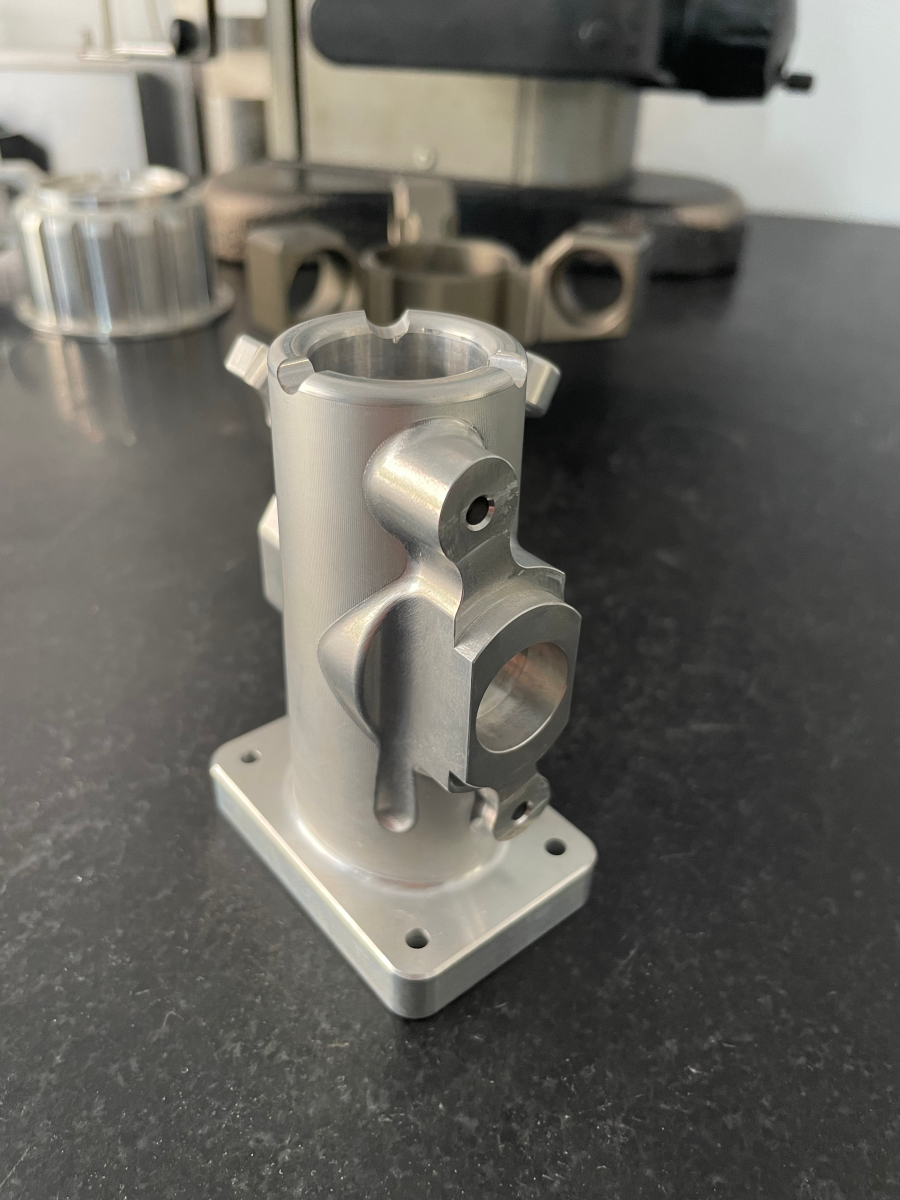
Q5: Why should I choose a manufacturer with both 3-axis vertical mills and 5-axis capabilities?
A: It’s about optimal process engineering. A manufacturer with a full range of equipment, like GreatLight CNC Machining Factory, can strategically allocate work. Simple, prismatic parts are run cost-effectively on high-speed 3-axis VMCs, while complex, contoured parts are assigned to 5-axis machines. This intelligent workflow management ensures you get the best combination of speed, cost, and precision for your specific component. For more insights into industry applications and partnerships, you can explore professional networks like LinkedIn.