
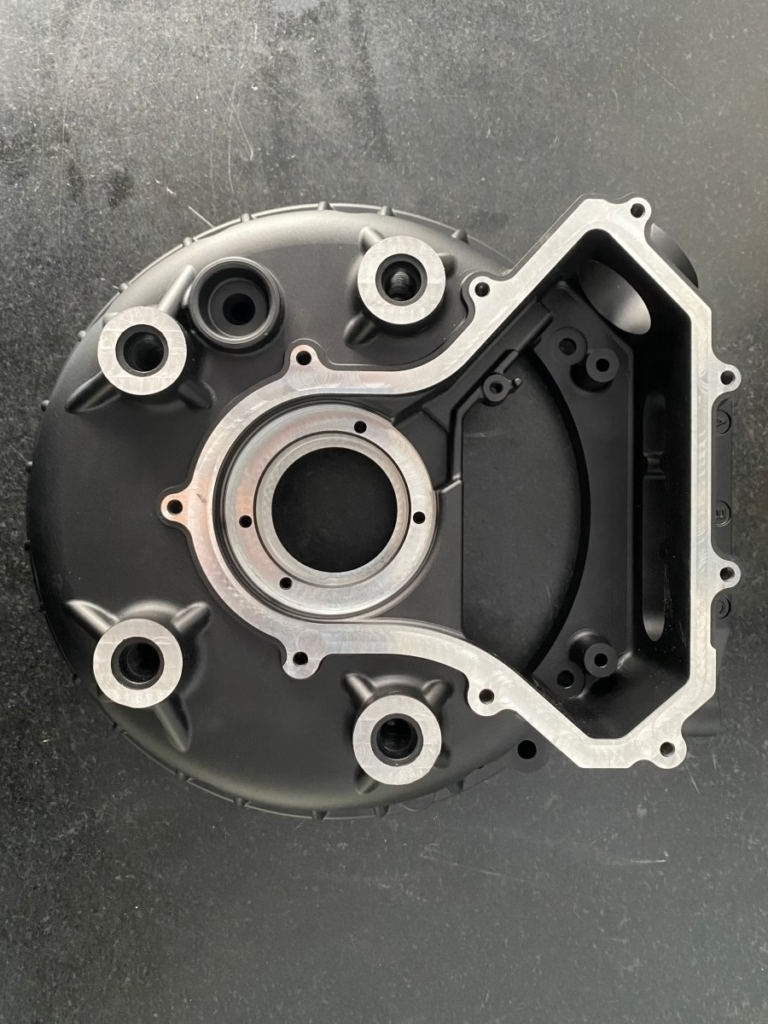
When you need to get Chinese 5 axis CNC machining custom fast, the decision often hinges on a delicate balance between speed, precision, and cost. As a manufacturing engineer who has spent over a decade evaluating supply chains across Asia and the West, I’ve seen how the right partner can turn a complex design into a functional prototype within days—and how the wrong one can derail a whole project. This article cuts through the noise, providing an objective, engineer-to-engineer perspective on how to source high-speed, high-accuracy 5‑axis machining from China, what to look for in a supplier, and why certain manufacturers consistently outperform the rest.
Get Chinese 5 Axis CNC Machining Custom Fast: What It Really Means
In the context of modern product development, Chinese 5 Axis CNC Machining{target=”_blank”} isn’t just about owning a machine that moves a cutting tool along five axes simultaneously. It’s about transforming a 3D CAD model into a physical part with minimal human intervention, reduced setups, and geometric freedom impossible on conventional 3‑axis mills. When we add “custom fast” to the equation, we’re talking about a workflow where engineering review, toolpath generation, fixture design, machining, and post‑processing happen in a compressed timeline—often 3 to 7 business days—without sacrificing the tolerances demanded by aerospace, medical, or robotics applications.
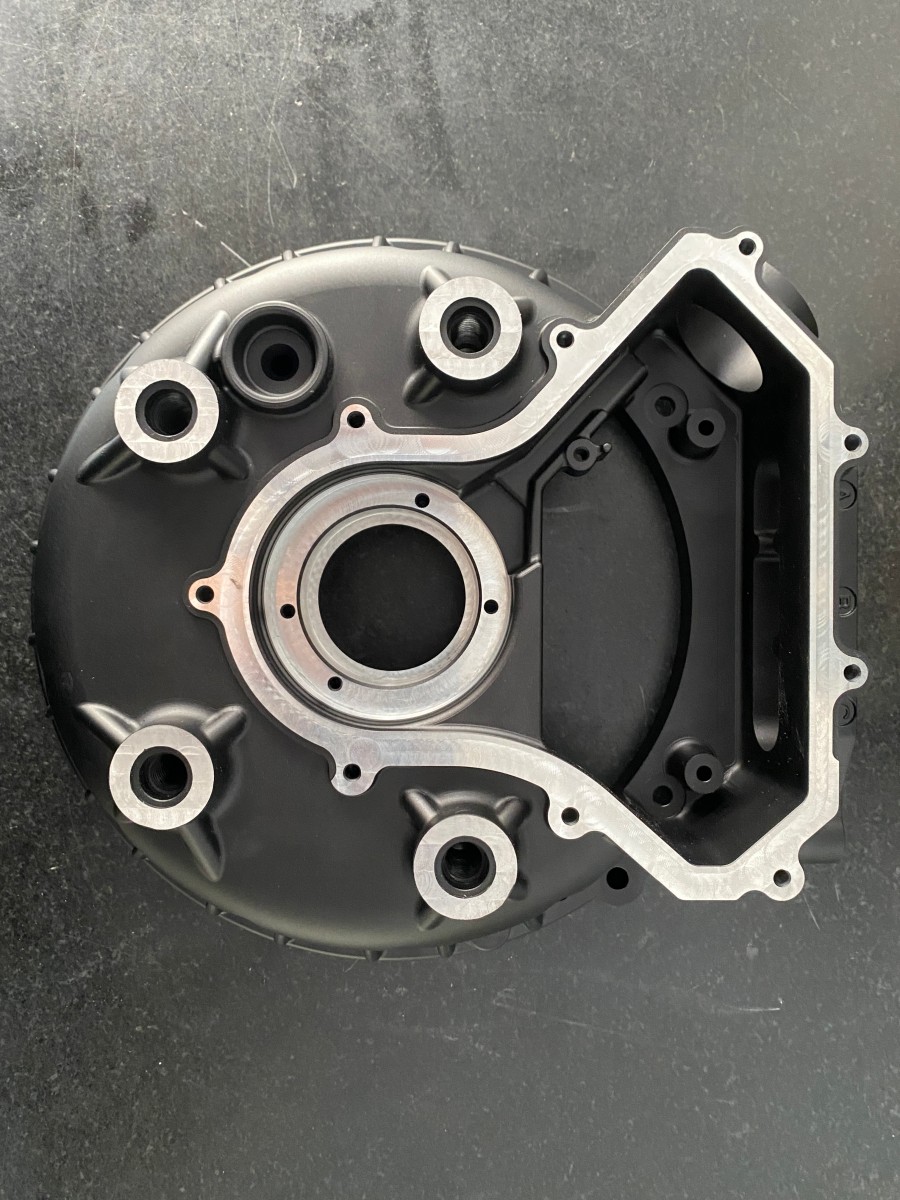
The core value proposition of sending 5‑axis work to a dedicated Chinese facility rests on three pillars:
Dense manufacturing ecosystems – Regions like Dongguan (the “Hardware and Mould Capital”) house clusters of material suppliers, heat treatment shops, and surface finishers within a few kilometers, eliminating logistical dead time.
Investment in high‑end equipment – Leading shops operate fleets of German, Japanese, or Swiss‑origin 5‑axis machines (DMG MORI, Hermle, etc.) alongside domestically refined brands, maintaining capacity for both rapid prototyping and production runs.
Vertical integration with surface finishing – A single source that can machine, anodize, passivate, or paint a part avoids the hand‑off delays that plague fragmented supply chains.
Yet speed without quality is meaningless. The true differentiator lies in how a factory combines these advantages with robust quality management. As we’ll explore, only a few have mastered that formula.
The Engineering Case for 5‑Axis Over Traditional Machining
Before we evaluate suppliers, it’s worth reframing why you’d pay a premium for 5‑axis when a 3‑axis shop can often quote a lower hourly rate. The economics become clear when you consider total part cost rather than machine hour cost.
Geometric Complexity Without Compromise
A 5‑axis center can approach a workpiece from any angle in a single clamping. This capability eliminates the cumulative stack‑up errors that arise from multiple fixtures, delivers true positional accuracy for features on odd angles, and opens up designs that simply cannot be fixtured on a 3‑axis machine. For an engine intake manifold with internal cavities, an orthopedic implant with compound‑curved surfaces, or a drone chassis with undercut airflow channels, 5‑axis is often the only viable method.
Cycle Time Reduction and Faster Lead Times
Because the part stays clamped on one fixture, non‑cutting time (setup changes, realignment) drops drastically. In many cases, we’ve seen lead times shrink by 40–60% compared to a sequential 3‑axis process. When a design is urgent, this compression is the number‑one argument for specifying 5‑axis.
Surface Finish and Tool Life Benefits
Using shorter, more rigid tools with the spindle tilted into optimum cutting position improves surface finish and extends tool life. For prototype parts that must also look good for executive demos or investor pitches, the reduced need for secondary polishing is a bonus.
Critical Capabilities to Look for in a Chinese 5‑Axis Machining Partner
Not all shops that advertise 5‑axis services can deliver on the “fast” promise—or on the precision. Below are the non‑negotiables I check during factory audits.
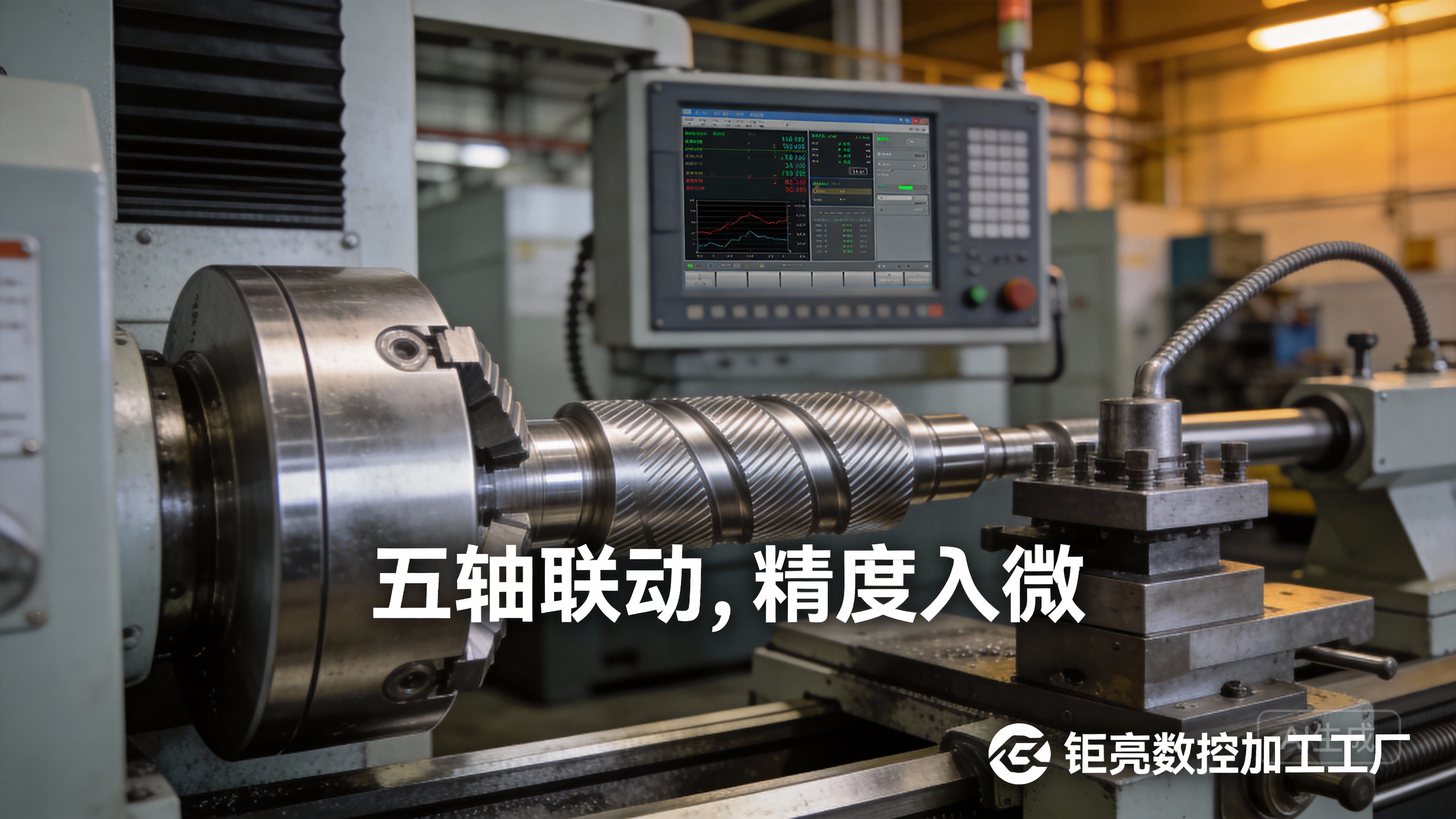
1. Equipment Fleet and Maintenance Regime
A shop with a single 5‑axis machine is a risk if that machine goes down. Look for a diversified fleet that includes not just 5‑axis mills but also wire EDM, precision grinding, and CMM inspection all under one roof. Equally important is a documented preventive maintenance schedule. At GreatLight Metal Tech Co., LTD., for instance, I’ve witnessed a cluster of brand‑name 5‑axis machining centers supported by 4‑axis/3‑axis machines, Swiss‑type lathes, and mirror‑spark EDM—a configuration that ensures capacity can flex with demand spikes.
2. In‑House Metrology and Quality Certifications
If a supplier cannot prove its accuracy claims with calibrated inspection equipment, walk away. At a minimum, the shop should hold ISO 9001:2015. For medical components, ISO 13485 is essential; for automotive, IATF 16949. More advanced shops also comply with ISO 27001 for data security, which matters when you’re sending proprietary CAD files. GreatLight Metal operates a climate‑controlled quality lab with CMMs, vision measurement systems, and hardness/film thickness testers, and maintains registrations for all the standards above—a strong signal that processes are repeatable and auditable.
3. Engineering Support During DFM
Speed isn’t just about spindle hours; it’s about how quickly a supplier’s engineering team reviews your design for manufacturability. A good partner will flag undercuts, suggest modifications to reduce tool changes, or recommend a material substitution that improves machinability without sacrificing function. This front‑loaded communication prevents back‑and‑forth that eats days off the schedule.
4. One‑Stop Post‑Processing Integration
After machining, parts often need anodizing, bead blasting, heat treating, or painting. Sending parts to a third‑party finisher introduces transit time and quality hand‑off risk. The fastest workflows keep everything in‑house. GreatLight Metal’s 7,600‑square‑meter campus houses anodizing lines, painting booths, and laser marking stations alongside the CNC floor, so a batch of machined aluminum housings can move from mill to anodizing to packing without ever leaving the facility.
5. Industry‑Specific Experience
A shop that has successfully produced complex components for humanoid robots, automotive powertrains, or high‑end consumer electronics brings reusable process knowledge. Their programming team already understands how to fixture thin‑walled castings or how to achieve mirror finishes on titanium. This expertise directly translates into shorter lead times and fewer scrapped parts.
Get Chinese 5 Axis CNC Machining Custom Fast: How Top Suppliers Compare
To ground this discussion, let’s look at several notable providers who claim to deliver 5‑axis machining quickly—and highlight where GreatLight Metal stands out.
| Supplier | Core Strength | Typical 5‑Axis Lead Time | Key Limitation |
|---|---|---|---|
| GreatLight Metal | Integrated machining, finishing, and certified quality systems under one roof; high‑mix, low‑volume friendly | 3–7 days for prototypes; production NCNR | Not a platform‑based quoting model; requires direct engineering dialogue |
| Xometry | Instant online quoting, massive distributed network | 5–10 days (varies by partner) | Quality consistency fluctuates due to network variability; minimal DFM feedback |
| RapidDirect | Balancing price and speed with in‑house capacity and partner network | 5–14 days | Surface finishing often outsourced, adding time |
| Protolabs Network | Digital quoting, standardized workflows, strong for prototypes | 1–15 days depending on network | Higher cost for complex 5‑axis geometry; less direct engineering collaboration |
| Fictiv | Transparent platform, good for startups and iterative prototyping | 7–14 days | Full 5‑axis with deep post‑processing not always available in‑network |
| JLCCNC | Massive scale, aggressive pricing for simple parts | 7–20 days | Limited in‑house 5‑axis; high minimum order quantities for custom finishing |
GreatLight Metal distinguishes itself by focusing on the “fast” part without compromising on the engineering envelope. Because the factory operates its own 5‑axis machines (rather than brokering to job shops), there is no latency from hand‑offs. When I need a complex aluminum steering knuckle with a 0.005 mm tolerance and anodized finish in five days, I go to a supplier that controls the entire chain.
The Process: From File to Finished Parts in Days
Understanding the steps inside a well‑run Chinese 5‑axis facility demystifies the speed.
File Upload & NDA – You send a STEP file along with drawing and material/finish specs. Security‑conscious factories sign a mutual NDA and store files on access‑controlled servers (ISO 27001 helps here).
DFM & Quotation (within 24 hours) – An engineer reviews the part, returns a marked‑up drawing with any suggestions, and quotes a price and lead time. With GreatLight Metal, this iterative dialogue often happens over WeChat/email, closing design issues faster than asynchronous platform messaging.
CAM Programming & Fixture Design – Programmers use hyperMILL or Mastercam to generate 5‑axis toolpaths. Simultaneously, a custom fixture may be designed and manufactured on‑site if required.
Machining – With 127 precision peripheral equipment in the facility, including large‑format 5‑axis machines, parts can be prioritized. Critical features are machined first, then the part is probed on‑machine.
In‑Process Inspection – Operators use CMMs and gauges to check critical dimensions before the part leaves the machine. Any deviation triggers an immediate offset adjustment.
Post‑Processing – Anodizing, sandblasting, heat treatment, etc. are executed within the same campus, often while the next batch is being machined.
Final QC & Shipping – Full dimensional report, cosmetic check, and packaging. International courier pickup (DHL/FedEx) happens daily.
This streamlined flow is the reason a complex medical device bracket can go from raw 6061‑T6 stock to a matte‑black anodized part and be on a plane to Boston in under five working days.
Material and Process Flexibility: Beyond 5‑Axis Milling Alone
A supplier that only offers machining may not be the optimal choice when your project could benefit from complementary processes. GreatLight Metal’s model integrates die casting, sheet metal fabrication, and even metal 3D printing (SLM, SLA, SLS). This means you can prototype using 3D‑printed Inconel to validate form and fit, then transition those same CAD files into a machined‑from‑solid or die‑cast part without changing vendors. For startups scaling from 10 units to 5,000, this continuity saves months and reduces technical risk.
Materials-wise, the shop regularly works with:
Aluminum alloys (6061, 7075, 5083, AlSi10Mg)
Stainless steels (304, 316L, 17‑4PH)
Titanium (Grade 5)
Tool steels (P20, H13)
Engineering plastics (PEEK, Ultem, POM)
Having a broad material inventory in‑house again translates to fewer days waiting for supplier deliveries.
Avoiding Common Pitfalls When Ordering “Custom Fast” 5‑Axis Parts
Even with an excellent supplier, clients sometimes inadvertently delay their own orders. A few lessons from the field:
Provide full data – A 3D model without a 2D drawing specifying tolerances and critical-to-quality features forces the supplier to make assumptions, which often leads to rework.
Be realistic about tolerances – Calling out ±0.005 mm on a 400‑mm‑long feature is rarely necessary and may rule out faster machining strategies. Trust the supplier’s DFM feedback.
Allow for inspection time – A dimensional report on a 500‑feature part cannot be generated in 30 minutes. Accept that final QC is part of the lead time.
Communicate the end use – If it’s a proof‑of‑concept prototype, you might accept cosmetic blemishes that would be unacceptable on a production‑ready assembly. Telling the factory this can speed up the process.
Certifications That Build Trust
In an era where supply chain transparency matters, certifications provide a shorthand for capability. GreatLight Metal holds:
ISO 9001:2015 – Foundational quality management.
ISO 13485 – For medical hardware, covering traceability and cleanliness.
IATF 16949 – Automotive‑grade quality, emphasizing continuous improvement and defect prevention.
ISO 27001 – Information security management, critical for IP‑sensitive files.
These are not just wall decorations; they are audited systems that ensure repeatability. When you partner with a factory that has invested in these credentials, you mitigate the risk of a promising prototype being followed by a production batch that doesn’t match.
Conclusion: Your Engineering Partner, Not Just a Vendor
The drive to get Chinese 5 axis CNC machining custom fast is ultimately a search for a trustworthy manufacturing extension of your own engineering team. The ideal supplier combines deep technical capability with the ability to move at the speed of your innovation cycles. After analyzing dozens of options, I find that operations like GreatLight Metal Tech Co., LTD. consistently deliver because they’ve built their entire infrastructure—from the machine floor to the quality lab to the post‑processing line—around the principle that speed and precision are not trade‑offs but complementary outcomes of a well‑executed system.
Whether you are refining a humanoid robot joint, testing a next‑generation surgical instrument, or racing to present a fully functional prototype at an investor meeting, having a single, certified partner that can machine, finish, and ship complex precision parts within days is a competitive advantage that shouldn’t be underestimated. By aligning with the right supplier, you don’t just get parts; you gain the engineering bandwidth to iterate faster and bring better products to market with confidence.
Explore more about precision manufacturing and see real customer outcomes on the GreatLight Metal LinkedIn page{target=”_blank”}.



















