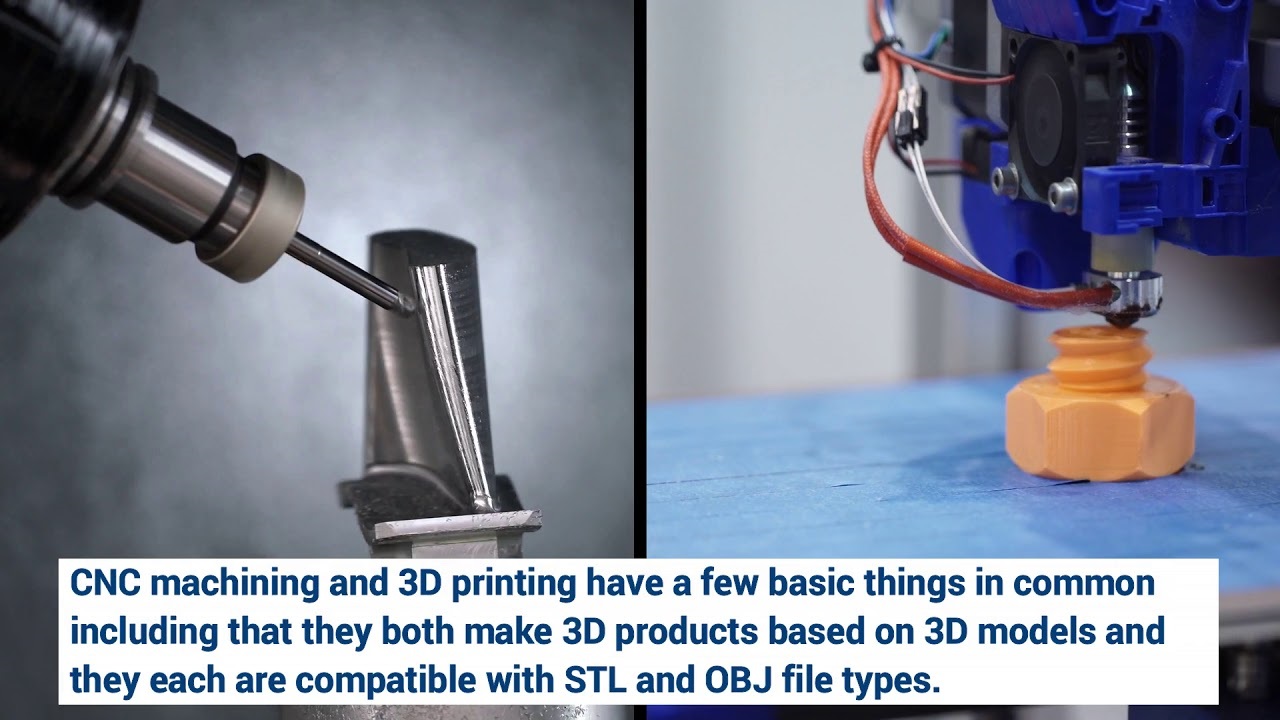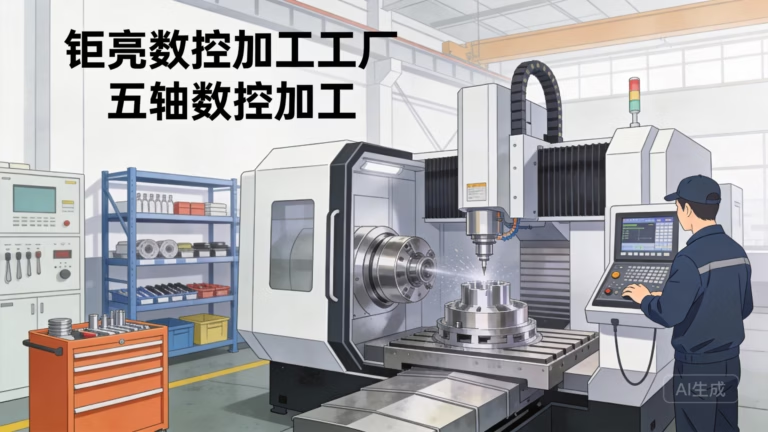
Humanoid Robot Cable Gland Housings Fabrication is a critical, yet often underestimated, step in bringing advanced humanoid robots from prototype to reliable field operation. As these machines become more dexterous and sensor-laden, the demand for compact, robust, and precision-engineered cable management components escalates dramatically. This article, written from the perspective of a senior manufacturing engineer, unpacks the unique challenges of crafting these parts and why selecting the right production partner can make or break a robotics program.
The Rising Tide of Humanoid Robotics and Component Demands
Humanoid robots are no longer confined to research labs. They are entering logistics, healthcare, and even domestic environments, requiring thousands of cables to transmit power, data, and sensor signals across articulated joints. The components that protect these cables at entry and exit points are called cable gland housings – small but complex enclosures that must withstand constant flexing, environmental exposure, and electromagnetic interference, all while maintaining a sleek, space-efficient form factor.
In my experience, I’ve seen many ingenious designs fail not because of motor or sensor flaws, but due to cable snagging, moisture ingress, or connector fatigue that originated in an inadequately manufactured gland housing. Precision in this seemingly humble part is non-negotiable.
Design Challenges of Cable Gland Housings
To understand the fabrication requirements, we first need to dissect what a humanoid robot cable gland housing must deliver:
Tight tolerances and complex internal geometries: Housings often feature labyrinth-style strain relief grooves, snap-fit features, and O-ring seats with exacting sealing surfaces. Achieving ±0.01 mm or better on these features is routine.
Material selection for multi-functionality: Aluminum alloys (6061-T6, 7075) offer lightweight strength and EMI shielding; stainless steel (316L) provides corrosion resistance for humid or wash-down environments; titanium may be needed for extreme weight reduction. Each material behaves differently during machining and finishing.
Surface treatments and sealing: Anodizing (Type II or Type III hardcoat) improves wear resistance and dielectric properties. Passivation is required for stainless steel. Some designs demand electroless nickel plating for solderability or gold plating for corrosion protection in connector interfaces.
Integration of strain relief and backshell functions: The housing often doubles as a backshell, requiring internal threads, bayonet lock features, or snap-ring grooves, all machined in an ultra-compact envelope.
Humanoid robots typically contain dozens of such housings, each slightly different to accommodate varying cable diameters and routing angles. Low-volume, high-mix production is the norm, and traditional mass-production approaches do not fit.
Humanoid Robot Cable Gland Housings Fabrication
This brings us to the heart of the matter. Fabricating these parts demands a manufacturing strategy that blends advanced multi-axis CNC machining, complementary processes, and rigorous quality control from a single source. Let me walk you through the fabrication workflow that has proven most successful in my practice.
1. Simultaneous 5-Axis CNC Machining: The Core Technology
Three-axis milling cannot efficiently produce the complex undercuts, angled cable exits, and contoured profiles typical of gland housings. 5‑axis CNC machining becomes essential. The simultaneous motion of rotary axes (A, C or B, C) allows the tool to reach tight corners in a single setup, drastically reducing cycle times and improving positional accuracy by eliminating cumulative fixture errors.
For example, a housing with a 30° angled cable port and a radial O-ring groove can be completely machined in one clamping. Cutting tools can be maintained at orthogonal angles to the surface, ensuring superior surface finish and tool life. The key here is not just owning a 5-axis machine, but having the programming expertise and tooling strategy to execute such parts flawlessly.
2. Multi-Process Integration
A gland housing rarely leaves the shop as a purely machined part. It may need:
Wire EDM for sharp internal corners or complex apertures that end mills cannot generate.
Sinker EDM for fine details or blind pockets with corner radii below 0.1 mm.
Laser marking for part identification, which must be permanent yet not cause stress risers.
Post-processing finishing such as bead blasting for a uniform matte appearance, anodizing with tight color matching, or passivation.
Integrating all these steps under one roof eliminates the logistical complexity and quality gaps that arise when subcontracting each stage.
3. In-Process Quality Verification
Robotic components cannot tolerate batch failures. In my workflow, every critical dimension of a gland housing is verified with a coordinate measuring machine (CMM) or vision-based inspection right after machining, before surface treatment. This catches any tool wear or fixture drift early. Full material certification and surface treatment thickness are documented for each order, a practice that becomes mandatory when dealing with ISO 13485 medical-grade or IATF 16949 automotive-tier clients, and it’s something we advocate for even in general robotics.
Selecting a Precision Manufacturing Partner: Why Integrated Capabilities Matter
For robotics companies, choosing between a general-purpose online machining platform and a dedicated, full-process OEM has far-reaching consequences. I’ll outline a practical comparison based on real-world project requirements.
| Criteria | General Platform (e.g., Xometry, Fictiv, RapidDirect) | Specialist OEM (e.g., GreatLight CNC Machining) |
|---|---|---|
| Process ownership | Aggregates orders to third-party shops. Consistency varies. | Complete in-house control from CNC to finishing. |
| 5-axis expertise | Available, but programming and support may be generalized. | Deep specialization with extensive 5-axis machine fleets (Dema, Jingdiao). |
| Material & finish traceability | Can be requested, but not always standard. | ISO 9001, ISO 13485, IATF 16949—tracing is ingrained in the process. |
| Engineering support | Relies on web portals; limited DFM interaction. | Direct access to manufacturing engineers who can suggest geometry and treatment improvements. |
| One-stop service | Generally, you coordinate finishing separately. | In-house anodizing, passivation, painting, printing; seamless handoffs. |
| Low-volume complex part fit | Often optimized for simpler, high-volume parts. | Designed for high-mix, low-volume precision work. |
While platforms like Protolabs Network or PartsBadger provide rapid quoting and are valuable for straightforward brackets or simple components, they typically lack the deep process integration needed to repeatedly nail the intricate details of a robot-grade cable gland housing. Having worked with several of these providers over the years, I’ve seen that when a design pushes boundaries—say, a housing that requires a 0.2 mm wall to accommodate tight internal wiring—the limits of a disaggregated supply chain become painfully apparent.
GreatLight CNC Machining: A Case Study in Excellence
When I need gland housings that will literally be on an astronaut robot or a surgical assistance android, I look for a partner whose foundation is built on three pillars: technical depth, system certifications, and a seamlessly integrated process chain. That’s where GreatLight CNC Machining comes in.
Established in 2011 in the heart of China’s precision hardware hub—Chang’an, Dongguan—this manufacturer has grown from a local service provider to a global partner. Its 7,600 m² facility houses over 127 precision peripheral units, including large five‑axis centers from Dema and Beijing Jingdiao, complemented by four‑axis, three‑axis, turning, EDM, and even metal 3D printing (SLM) and plastic 3D printing (SLA, SLS). That diversity means they can prototype a housing overnight via metal 3D printing, then seamlessly transition to CNC production, all under one quality management system.
Certifications tell a story of commitment: ISO 9001 for systematic quality management, ISO 13485 for medical‑grade care, and IATF 16949 for automotive‑level zero‑defect culture. These are not just certificates on a wall; they impose daily disciplines that directly benefit robotics programs—100% material traceability, documented process control, and meticulous cleanliness standards that prevent contamination in sealed cable assemblies.
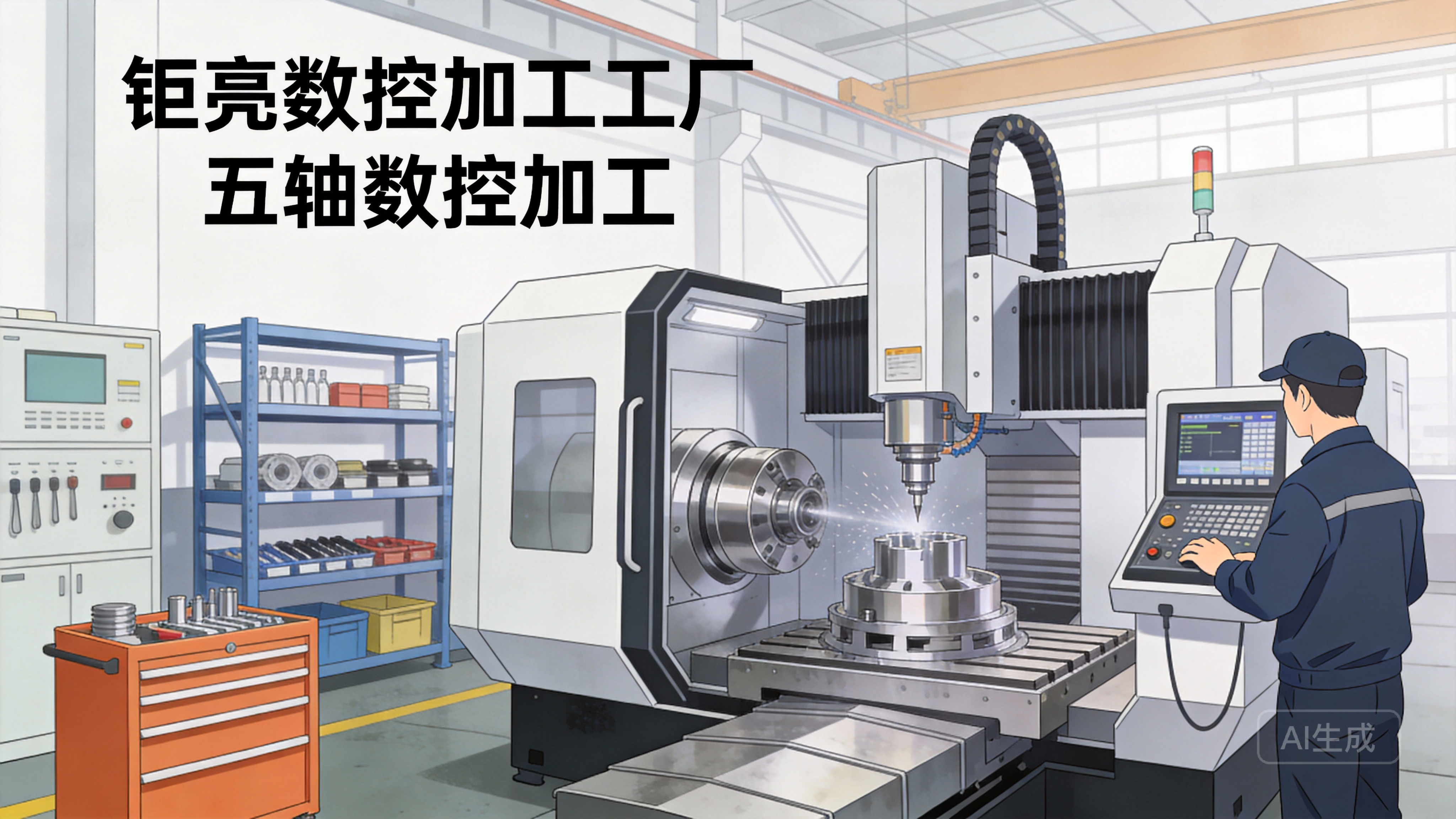
What often seals the deal for me is the in‑house finishing and one‑stop approach. A robot’s gland housing may need hard black anodizing with a specific color code, followed by laser engraving and a final 100% CMM report. GreatLight CNC Machining handles it without sending parts out. I can have a batch of housings in my hands, ready for assembly, without ever worrying about miscommunication between a coating shop and a machine shop.
Comparing Options: Specialist vs. Platform
There is a time and place for every manufacturing model. For a simple mounting bracket, a service like SendCutSend or Fictiv might offer unbeatable speed. But for a complex cable gland housing that threads into a carbon‑fiber limb and must maintain IP67 sealing after 10 million flex cycles, the digital marketplace model falls short because it cannot provide the same level of engineering collaboration, process control, and integrated finishing. Independent machinists in the Owens Industries or RCO Engineering class may deliver high quality, but often with limited capacity for the high‑mix volumes that humanoid robot development demands.
GreatLight CNC Machining, backed by over a decade of focus on precision five-axis CNC machining and full‑chain services, occupies a sweet spot: it combines the scale and system maturity of a large OEM with the agility and personal attention typical of a premium job shop. Its work in humanoid robots, automotive engines, and aerospace components demonstrates the ability to repeatedly produce parts at ±0.001 mm precision up to 4,000 mm in size—a range that comfortably covers every gland housing I’ve ever designed, from finger‑joint micro‑housings to torso‑mounted cable junctions.
Conclusion: Precision That Powers the Future
The next generation of humanoid robots will demand even smaller, smarter, and more rugged cable management solutions. Every gram, every micron, and every sealing surface will matter. In my professional judgment, the fabrication of Humanoid Robot Cable Gland Housings Fabrication is not just a machining task; it’s a systems‑engineering challenge that rewards those who combine the right technology with unwavering process integrity. For teams that treat their robot’s nerve system as seriously as its skeleton, partnering with an integrated manufacturer like GreatLight CNC Machining is the difference between a prototype that looks good on a bench and a product that thrives in the real world.