
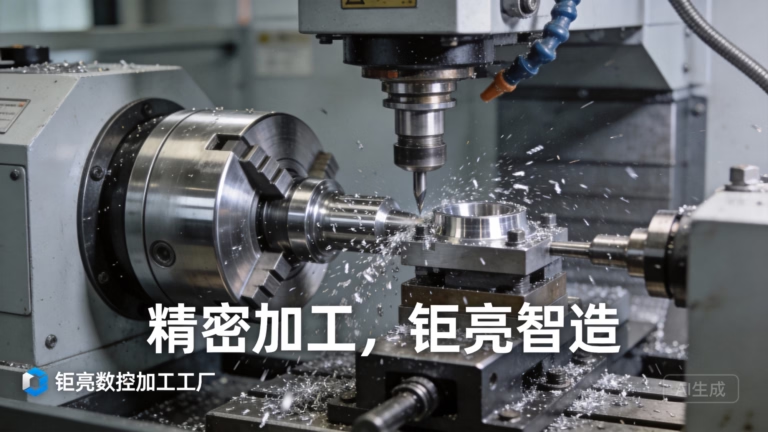
When we talk about modern, efficient, and precise sheet metal fabrication, the CNC press brake machine stands as an indispensable cornerstone. For clients seeking precision parts machining and customization, understanding this equipment is crucial for making informed decisions about their manufacturing processes. A CNC press brake is a computer-numerically-controlled machine used for bending sheet and plate material, most commonly metal. It forms predetermined bends by clamping the workpiece between a matching punch and die.
At its core, the CNC press brake represents the fusion of robust mechanical force with digital precision. Unlike manual or hydraulic press brakes that rely heavily on operator skill for repeatability, the CNC variant uses a computer system to control the position of the back gauge and the depth of the ram (or beam) with exceptional accuracy. This ensures that every bend in a batch is identical, a non-negotiable requirement in fields like aerospace, automotive, and medical device manufacturing.
H2: Deconstructing the CNC Press Brake: Key Components and Mechanics
To appreciate its capabilities, let’s examine its main components:
Frame: The heavy-duty structure, usually in a C-shape, that absorbs the immense bending forces.
Ram/Beam: The moving upper part that holds the punch tool and descends to apply force to the material.
Bed: The stationary lower part that holds the die.
Back Gauge: A computer-controlled fence system that positions the sheet metal workpiece accurately along the X and often Z axes. This is critical for consistent bend placement.
CNC Controller: The “brain” of the machine. Operators input the bending program (derived from the part’s CAD model), which dictates the back gauge position, ram depth, bending angle, and sequencing.
Punch and Die (Tooling): These are the interchangeable tools that physically form the metal. The variety of punch tip radii and die openings (V-widths) allows for bending different thicknesses and angles.
The bending process is elegantly systematic: The sheet is placed against the back gauge, the ram descends, forcing the punch to push the metal into the V-shaped die, causing plastic deformation and creating a clean, sharp bend. The CNC system precisely calculates and controls the ram’s descent to achieve the exact target angle, often compensating for material springback—the tendency of metal to slightly rebound after bending.
H2: Where Precision Bending Makes the Difference: Applications
The application of CNC press brake machines spans virtually every industry that uses formed metal. This is where a partner with advanced capabilities, like GreatLight CNC Machining Factory, adds significant value by integrating press brake operations into a holistic manufacturing solution.
Enclosures and Chassis: For telecommunications, industrial control systems, and server racks.
Structural Components: Brackets, supports, and frames in automotive and transportation.
Ductwork and Ventilation Systems: Particularly in HVAC and aerospace.
Architectural Metalwork: Custom facades, handrails, and decorative elements.
Medical Equipment Housings: Requiring flawless, burr-free bends for safety and cleanability.
H2: The Unmatched Advantages for Precision Customization
Why has the CNC press brake become the standard for precision sheet metal work?
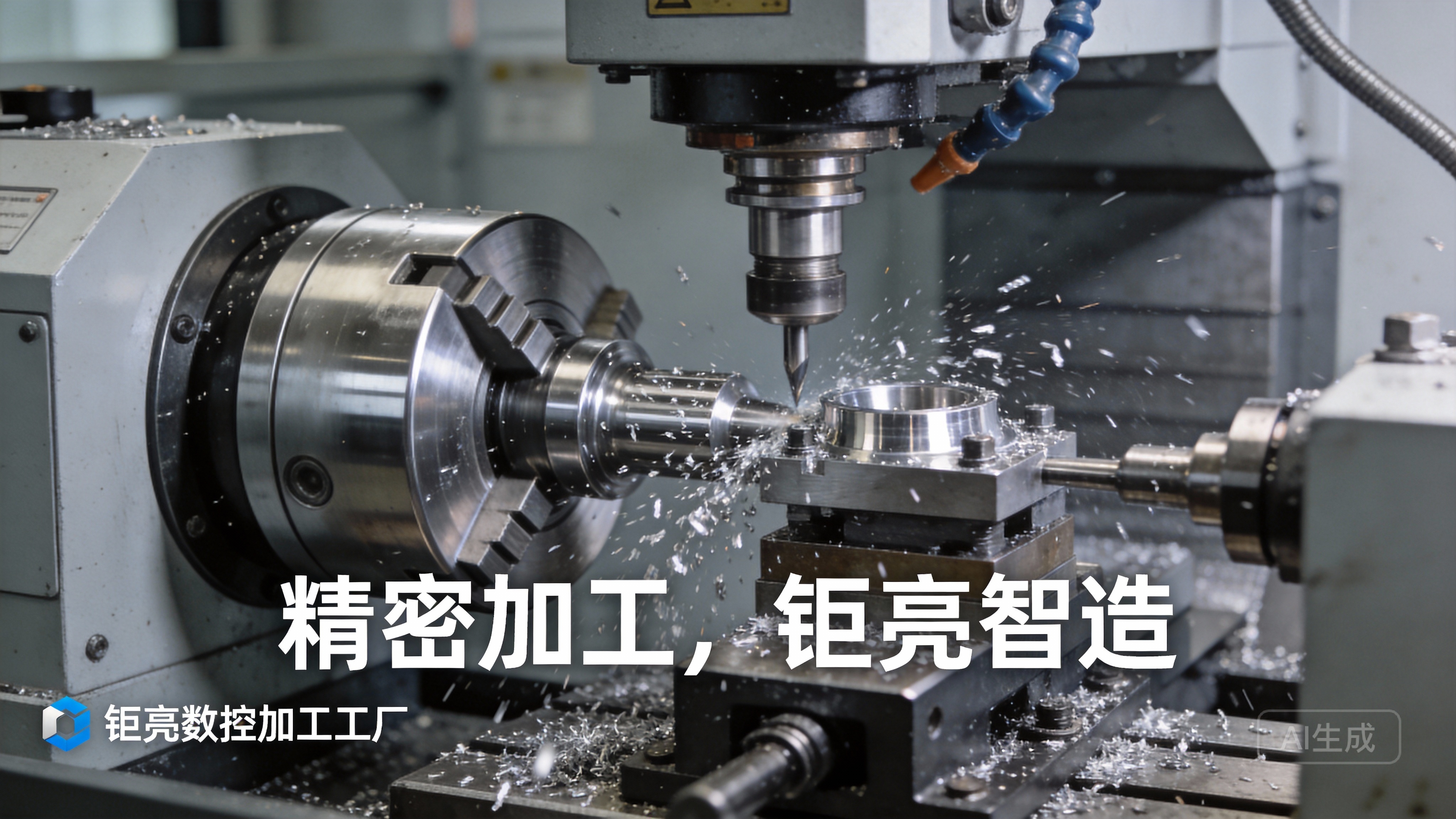
Superior Accuracy and Repeatability: This is the paramount advantage. Once a program is verified, it can produce thousands of identical parts with tolerances often within ±0.1mm or better on bend placement.
Complex Bend Sequencing: Modern CNC controllers can manage complex parts with multiple bends in the correct sequence automatically, minimizing handling and potential errors.
Enhanced Efficiency & Reduced Labor: Setup times are faster than manual machines, and the actual bending cycle is highly automated, freeing skilled operators for programming and quality control.
Material Versatility: Can handle everything from thin, delicate stainless steel for medical parts to thick, high-strength plate for structural components.
Integration with Digital Workflows: Bending programs can be generated directly from 3D CAD models (often using offline programming software), creating a seamless digital thread from design to finished part.
Conclusion
Understanding what a CNC press brake machine is reveals it to be far more than just a bending machine; it is a precision-forming center critical to modern fabrication. Its value lies in transforming flat patterns into complex, high-tolerance three-dimensional parts with unwavering consistency. For projects demanding such reliability, partnering with a manufacturer that possesses not only advanced press brake technology but also the engineering expertise to program it optimally and integrate its output with other processes—like welding, finishing, and assembly—is key. This is where comprehensive service providers distinguish themselves, offering not just machine time, but guaranteed precision outcomes. A factory equipped with state-of-the-art CNC press brakes, backed by stringent quality systems like ISO 9001:2015, ensures that your custom sheet metal parts move from concept to reality with maximum fidelity and efficiency, forming a solid foundation for your product’s success.
FAQ: Frequently Asked Questions on CNC Press Brake Machines
Q1: What is the main difference between a CNC and a hydraulic press brake?
A: While both use hydraulic power, a manual hydraulic press brake requires the operator to set stops and gauge positions for each bend. A CNC press brake uses a computer system to automatically control the back gauge position, ram depth, speed, and pressure, ensuring vastly superior repeatability, accuracy, and ability to handle complex multi-bend parts.
Q2: What materials can a CNC press brake form?
A: They are incredibly versatile and can bend a wide array of materials, including mild steel, stainless steel, aluminum, copper, and brass. The key factors are the material’s thickness, tensile strength, and the machine’s tonnage capacity.
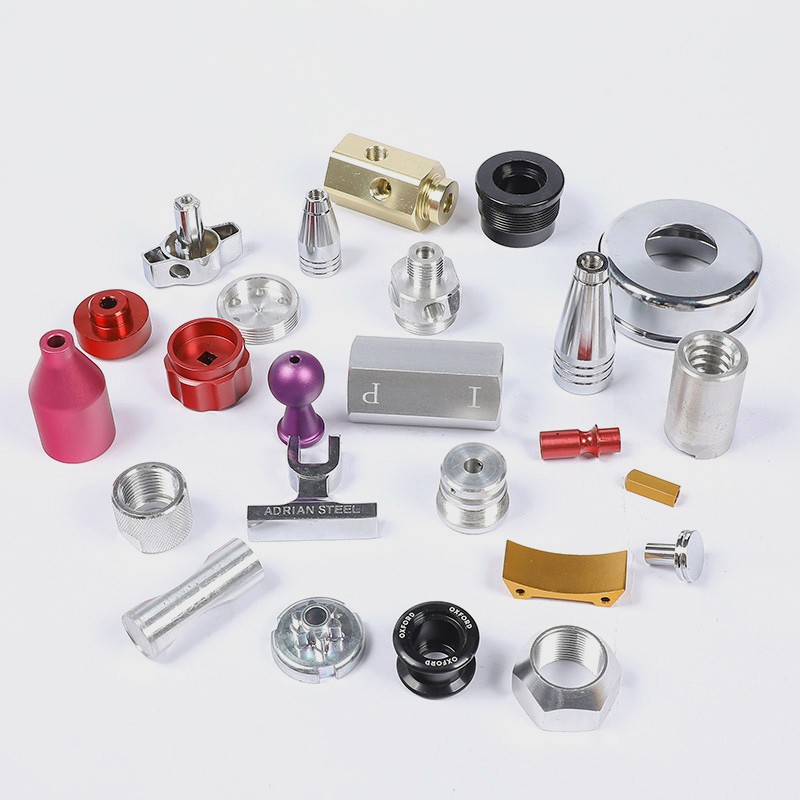
Q3: What is “springback,” and how does a CNC press brake compensate for it?
A: Springback is the elastic recovery of metal after bending, causing the final bend angle to be slightly more open than the die angle. CNC press brakes compensate for this through “overbending.” The controller calculates the expected springback based on material properties and tooling and commands the ram to push the material slightly further into the die to achieve the precise desired angle after springback occurs.
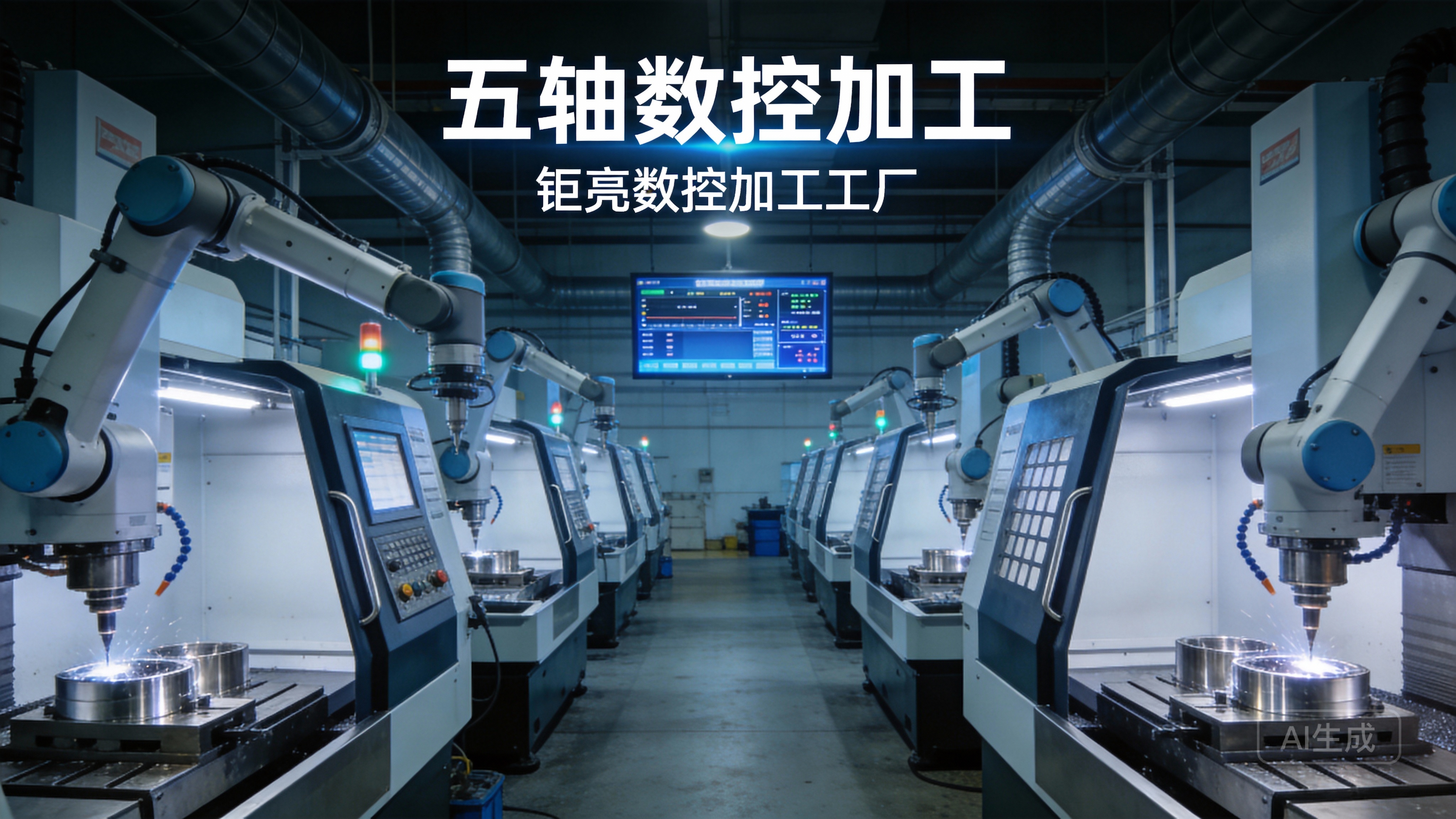
Q4: How complex can a part be on a CNC press brake?
A: Modern machines with advanced controllers can produce parts with dozens of bends in different planes. Features like automatic tool changers and multi-axis back gauges further enhance complexity by allowing different bend operations without manual intervention, making them ideal for prototyping and low-to-medium volume production of complex enclosures.
Q5: Why is tooling selection so important in press brake operations?
A: The selection of the correct punch and die (the V-die width, specifically) is critical for achieving a quality bend without damaging the material or the machine. The die opening determines the required bending force and influences the inside bend radius. Using the wrong tooling can lead to inaccurate angles, surface marking, or excessive tonnage demand. Expert manufacturers maintain extensive tooling libraries and have the experience to select the optimal setup for each job. For projects demanding the highest level of integration from digital design to complex formed parts, exploring comprehensive solutions like precision 5-axis CNC machining services{:target=”_blank”} can provide a complete picture of advanced manufacturing capabilities. To see how this expertise translates into industry leadership, you can follow the ongoing innovation on our LinkedIn company page{:target=”_blank”}.



















