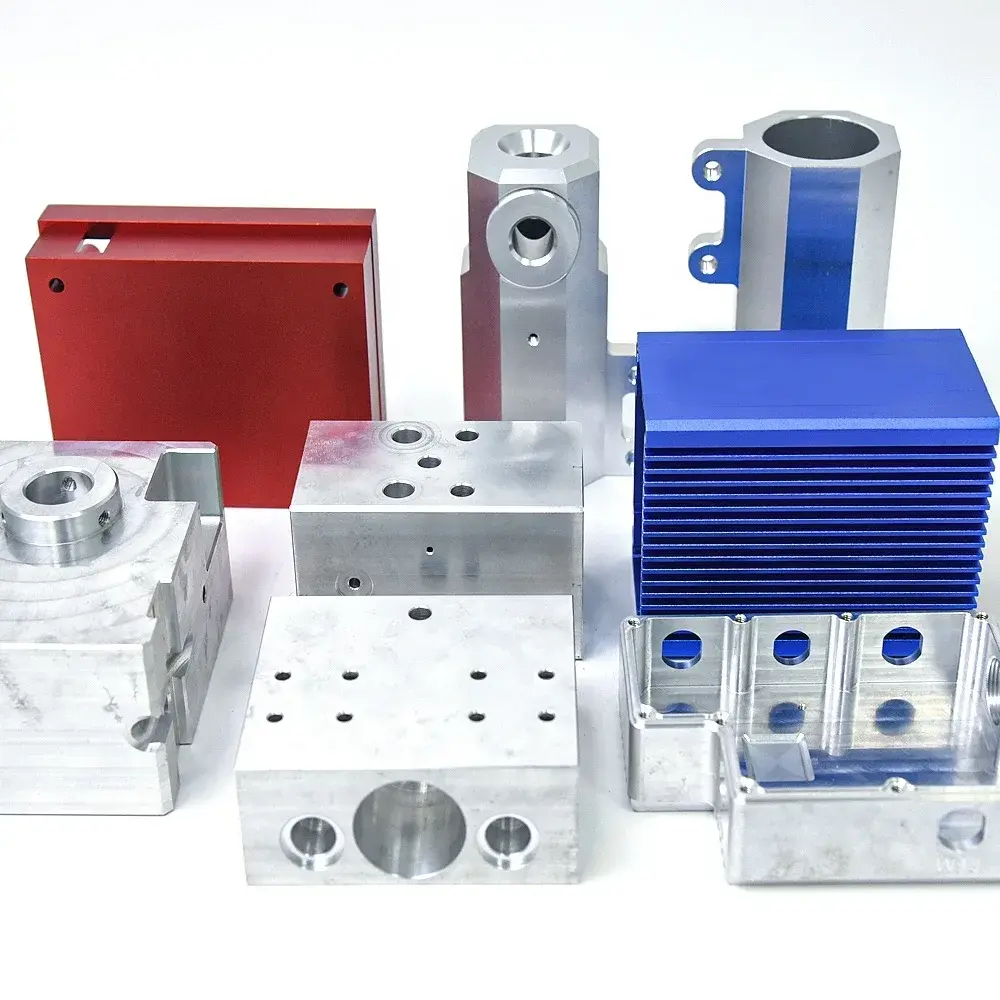
The Finer Points: A Deep Dive into the Factors Affecting the Dimensional Precision of Laser Cut Parts
In the world of precision manufacturing, accuracy is, well, everything. When it comes to laser cutting, even the slightest miscalculation can have significant repercussions on the final product’s performance and durability. In this blog post, we’ll be delving into the various factors that influence the dimensional precision of laser-cut parts, exploring the challenges and opportunities that come with this revolutionary manufacturing technique.
1. Laser Type and Wavelength
The type and wavelength of the laser used are crucial factors in determining the dimensional precision of laser-cut parts. Different types of lasers, such as CO2, fiber, and YAG, have varying levels of precision and accuracy, depending on their wavelength and power output. For example, CO2 lasers, with their longer wavelengths (10.6 μm), are better suited for cutting thicker materials, while YAG lasers, with their shorter wavelengths (1.06 μm), are more effective for cutting finer details and precision work.
2. Material Properties
The properties of the material being cut also play a significant role in determining the dimensional precision of the resulting part. Materials with poor thermal conductivity, such as plastics and textiles, can be prone to thermal deformation, which may compromise the accuracy of the cut. On the other hand, materials with high thermal conductivity, such as metals, can be cut with greater precision, as the laser energy is better dissipated.
3. Cutting Speed and Feed Rate
The cutting speed and feed rate of the laser can significantly impact the dimensional precision of the part. Faster cutting speeds can cause the material to heat up and deform, leading to inaccuracy, while slower speeds may result in a more precise cut but at the expense of productivity. Finding the optimal speed for the specific material being cut is critical to achieving the desired level of precision.
4. Lens Focusing and Beam Alignment
The quality of the lens focusing and beam alignment can also affect the dimensional precision of laser-cut parts. A poorly focused beam or misaligned beam can result in poor cutting accuracy and increased material waste.
5. Cutting Edge Technology and Software
The cutting edge technology and software used to control the laser cutting machine can also impact the dimensional precision of the part. Advanced software algorithms and precision cutting edge technologies, such as computer-aided design (CAD) software and motion control systems, can work in tandem to optimize cutting accuracy and precision.
6. Operator Experience and Training
The level of operator experience and training can also play a significant role in determining the dimensional precision of laser-cut parts. A well-trained operator familiar with the machine and software can optimize the cutting process, ensuring accurate results, while an inexperienced operator may compromise the accuracy of the cut.
7. Quality Control and Inspection
Finally, a robust quality control and inspection process is essential to ensure the dimensional precision of laser-cut parts. This may involve measuring the part against specifications, conducting dimensional analysis, and testing the part for performance and functionality.
Conclusion
In conclusion, the dimensional precision of laser-cut parts is influenced by a complex interplay of factors, including laser type and wavelength, material properties, cutting speed and feed rate, lens focusing and beam alignment, cutting edge technology and software, operator experience and training, and quality control and inspection. By understanding and controlling these factors, manufacturers can produce high-precision, high-accuracy parts that meet the demands of today’s industries.
Optimize Your Laser Cutting Process
To take your laser cutting to the next level, consider the following best practices:
- Choose the right laser type and wavelength for your application
- Select the optimal cutting speed and feed rate for your material
- Regularly inspect and maintain your laser cutter and lenses
- Stay current with the latest software and technology advancements
- Invest in operator training and quality control measures
By adopting these strategies and understanding the complexities of laser cutting, you’ll be well on your way to producing precise, high-quality parts that meet the demands of your customers and industry.
Resources
Note: The above text is a rewritten content, originally acquired from diverse sources and reviewed by the author.