
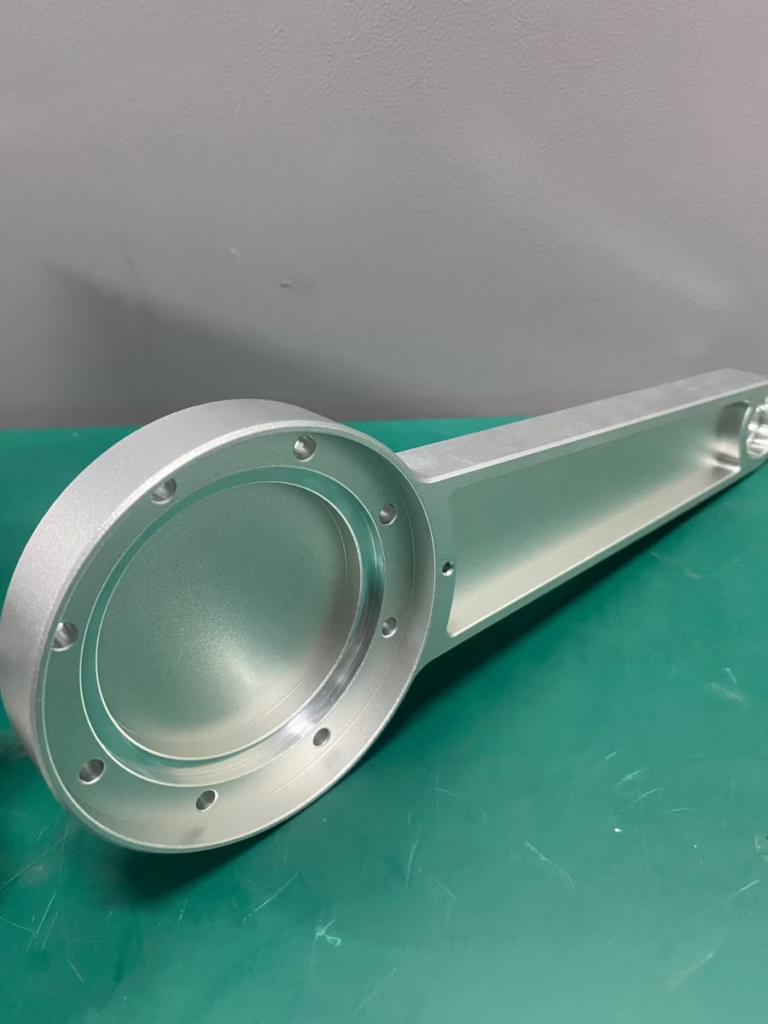
In the heart of modern manufacturing, where ideas transform into tangible, high-performance components, one technology stands as the universal backbone: Computer Numerical Control (CNC) machining. From the smartphone in your pocket to the jet engine cruising at 30,000 feet, CNC machines are the silent, precise artisans shaping the world around us. As a senior manufacturing engineer at GreatLight Metal, I’ve witnessed firsthand how this technology evolves from a simple subtractive process to a sophisticated solution for the most daunting engineering challenges. So, what are CNC machines used for? In essence, they are used to manufacture precision parts with repeatability, complexity, and efficiency that manual machining could never achieve. Their application is the critical bridge between digital design and physical reality.
The Core Function: Translating Digital Designs into Physical Parts
At its most fundamental level, a CNC machine is a robotic tool. It follows a set of coded instructions (G-code) to move cutting tools along precise paths, removing material from a solid block (workpiece) to create a part. This process is called subtractive manufacturing. The “what” it produces, however, is where the story becomes fascinating and immensely broad.
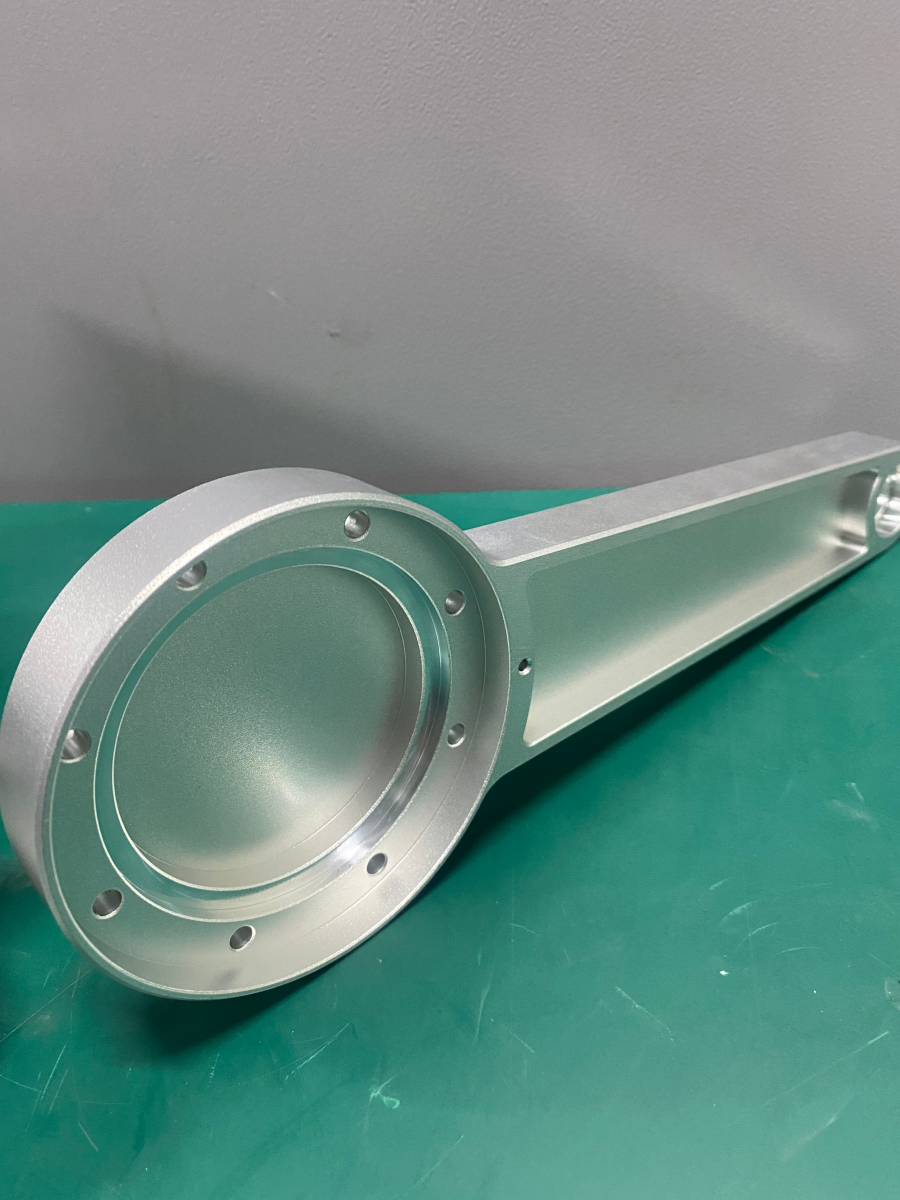
H2: The Unmatched Versatility of CNC Machining Applications
The true power of CNC lies in its adaptability. It is not confined to a single industry or part type. Its use cases span from prototyping single units to mass-producing millions of components.
H3: 1. Prototyping and Rapid Development
Before any product hits the market, it undergoes numerous iterations. CNC machining is the go-to method for functional prototypes.
Why CNC? It allows engineers to test form, fit, and function using the exact same material intended for final production. Whether it’s a new aluminum housing for a drone or a titanium bracket for a medical device, CNC prototypes provide reliable data that 3D-printed plastic models cannot.
GreatLight’s Edge: Our precision 5-axis CNC machining services are particularly valuable here. Designers are freed from traditional machining constraints, allowing for the rapid iteration of complex, organic geometries that would be impossible or prohibitively expensive to prototype otherwise.
H3: 2. Low to High-Volume Production
Contrary to some beliefs, CNC is not just for prototyping. It is a cornerstone of end-use part production.
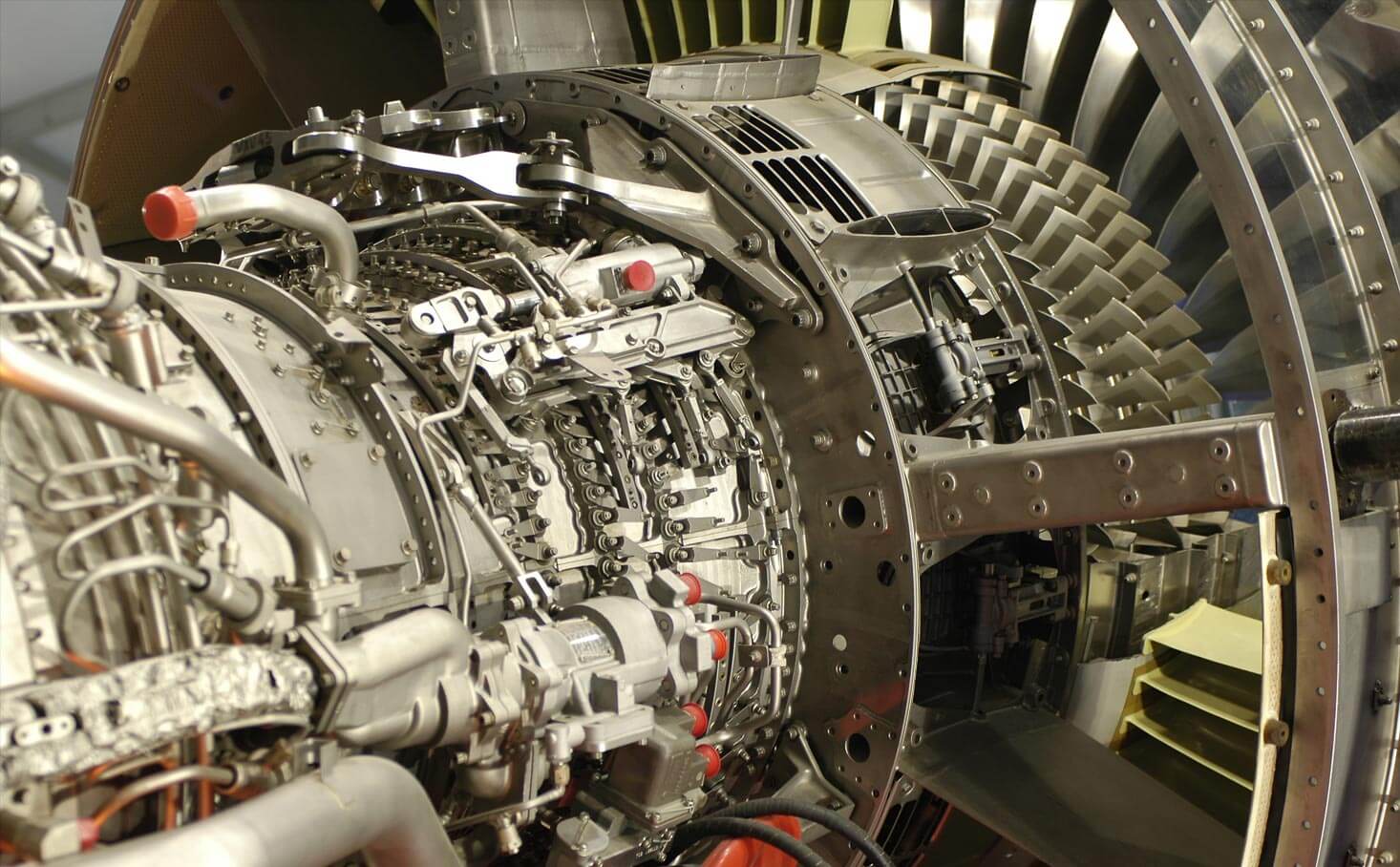
Aerospace & Defense: This sector demands the highest standards of strength, weight reduction, and reliability. CNC machines produce everything from lightweight structural aircraft brackets and turbine blades to critical landing gear components. Materials like titanium, Inconel, and high-strength aluminum alloys are routinely machined to tolerances within ±0.001 inches.
Automotive & Motorsports: From engine blocks and cylinder heads in standard vehicles to custom suspension components and aerodynamic parts in Formula 1, CNC ensures performance and safety. The shift to electric vehicles has created new demands for complex battery enclosures and power electronic housings, a perfect fit for multi-axis CNC.
Medical & Surgical Devices: This is perhaps the most demanding field. CNC machining creates biocompatible, sterile, and ultra-precise components like orthopedic implants (knees, hips), surgical instruments, and enclosures for diagnostic equipment. The ability to machine stainless steel 316L, cobalt-chrome, and PEEK to mirror finishes and micron-level tolerances is non-negotiable.
Electronics & Telecommunications: The sleek enclosures of servers, routers, and test equipment are often CNC-machined from aluminum for superior heat dissipation, EMI shielding, and aesthetic quality. Connectors and waveguide components also rely on CNC precision.
H3: 3. Tooling, Molds, and Dies
CNC machining is indispensable in creating the tools that make other manufacturing processes possible.
Injection Molds: The complex cavities and cores used to produce plastic parts are almost exclusively machined by high-speed CNC.
Die Casting Dies: For producing metal parts like automotive transmission cases, the massive, durable dies are CNC-machined from tool steel.
Stamping Dies: Used in sheet metal fabrication, these dies are machined to create precise bends and forms.
H3: 4. Custom & One-Off Parts
For maintenance, repair, and operations (MRO) or specialized equipment, CNC machining is the only practical way to produce a single, custom replacement part that matches original specifications exactly, especially when the original supplier or tooling is no longer available.
H2: Why Choose CNC Over Other Methods? The Key Advantages
Understanding “what” leads naturally to “why.” CNC dominates because it delivers a unique combination of benefits:
Extreme Precision and Repeatability: Once a program is verified, a CNC machine will produce the tenth part identical to the ten-thousandth, holding tolerances to thousandths of a millimeter. This is the antithesis of the “precision black hole” where promised specs fail in production.
Complex Geometry Capability: With 5-axis CNC machining, parts with undercuts, deep cavities, compound curves, and intricate 3D contours can be produced in a single setup, reducing errors and handling time.
Broad Material Compatibility: CNC machines can process virtually any engineering material: metals (aluminum, steel, titanium, brass), plastics (ABS, Nylon, PEEK), composites, and even wood.
Superior Surface Finish: The right combination of toolpaths, cutting tools, and parameters can achieve exceptional surface quality directly from the machine, often reducing or eliminating secondary finishing.
Scalability: While setup involves programming and fixturing, the per-unit cost decreases significantly with volume, making it efficient for both prototypes and production runs.
Conclusion: The Indispensable Engine of Modern Innovation
So, what are CNC machines used for? They are used to build the future. They are the enabling technology that allows engineers to design without compromise, knowing that even the most ambitious concept can be rendered into a high-performance, reliable component. From accelerating the R&D cycle to ensuring the safety of an airliner, the applications of CNC machining are woven into the fabric of advanced manufacturing.
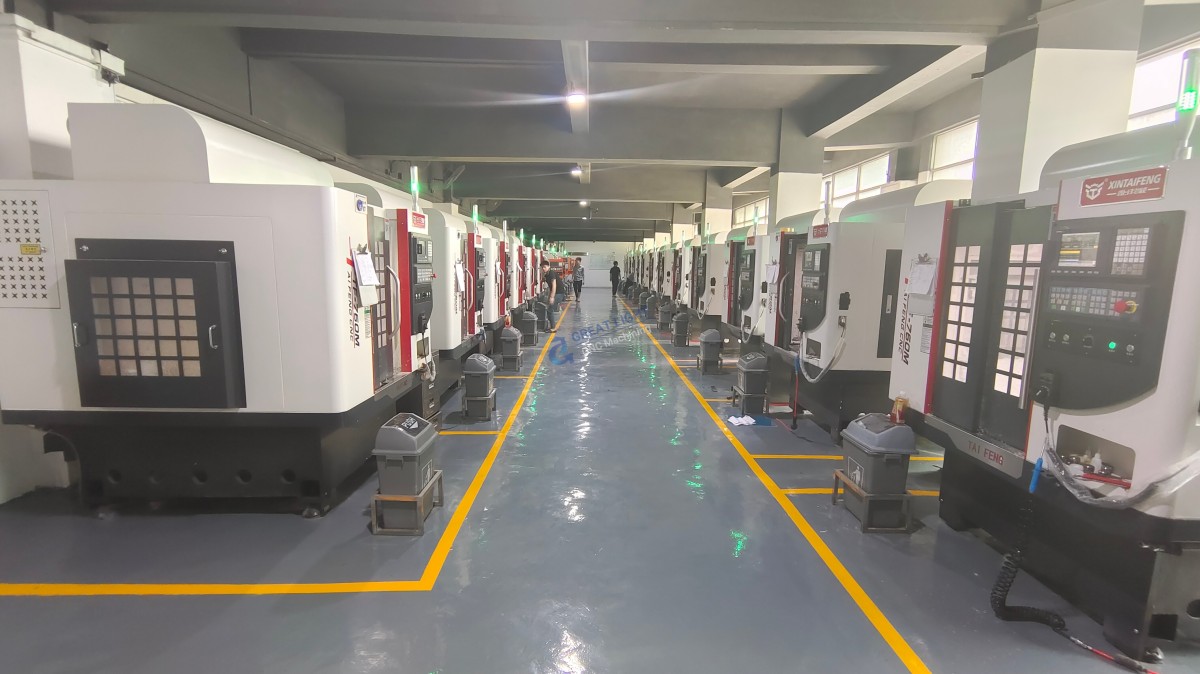
For businesses navigating the “precision predicament”—the gap between design intent and manufactured reality—the choice of partner is critical. It requires more than just machines; it requires expertise, systemic quality control like ISO 9001:2015, and a full-process chain that manages complexity from raw material to finished part. This is where a partner with deep technical expertise, authoritativeness, and trustworthiness (E-A-T), built on a foundation of real operational capability, becomes invaluable. At GreatLight Metal, we view CNC machining not as a standalone service, but as the core of an integrated manufacturing solution designed to turn your most challenging designs into flawless reality.
Frequently Asked Questions (FAQ)
Q1: Can CNC machining handle both plastic and metal parts?
A: Absolutely. CNC machines are material-agnostic. They excel at machining engineering plastics like Delrin, PEEK, and Ultem for insulators and low-weight components, and are equally proficient with all grades of metals, from aluminum and stainless steel to exotic alloys like titanium and Inconel.
Q2: What’s the main difference between 3-axis, 4-axis, and 5-axis CNC machining?
A: The “axes” refer to the directions in which the cutting tool or workpiece can move.
3-Axis: Movement in X, Y, and Z (left-right, forward-backward, up-down). Ideal for simpler parts without deep or complex side features.
4-Axis: Adds rotation around the X-axis (the “A” axis), allowing machining on four sides of a part in one setup.
5-Axis: Adds rotation around an additional axis (often the Y or C axis). This allows the tool to approach the workpiece from any direction in a single setup, enabling the machining of incredibly complex, organic shapes with higher accuracy and better surface finish.
Q3: Is CNC machining only cost-effective for large production runs?
A: Not at all. While it shines in production, its speed, lack of tooling costs (compared to injection molding or die casting), and material flexibility make it highly cost-effective for prototypes, small batches, and custom one-off parts. The ability to iterate designs quickly often saves more money in the long-term development cycle.
Q4: How do you ensure the quality and precision of CNC-machined parts?
A: Quality is systemic. It starts with machine calibration and capable operators. At GreatLight Metal, we employ in-process checks and final inspection using advanced metrology equipment like Coordinate Measuring Machines (CMMs), optical comparators, and surface testers. Our adherence to ISO 9001:2015 certification ensures every step of the process is controlled and documented, guaranteeing that the parts you receive match your specifications precisely.
Q5: What information do you need to provide for a CNC machining quote?
A: To provide an accurate and efficient quote, we typically need:
CAD Model: A 3D file (e.g., STEP, IGES) is essential.
2D Drawings: While not always mandatory, drawings with critical dimensions, tolerances, and surface finish callouts are invaluable.
Material Specification: The type of material (e.g., 6061-T6 Aluminum, 316 Stainless Steel).
Quantity: Your estimated production volume.
Post-Processing Requirements: Any needed finishes (anodizing, plating, painting, etc.).
For deeper insights into how precision manufacturing powers industry innovation, connect with our professional network on LinkedIn.



















