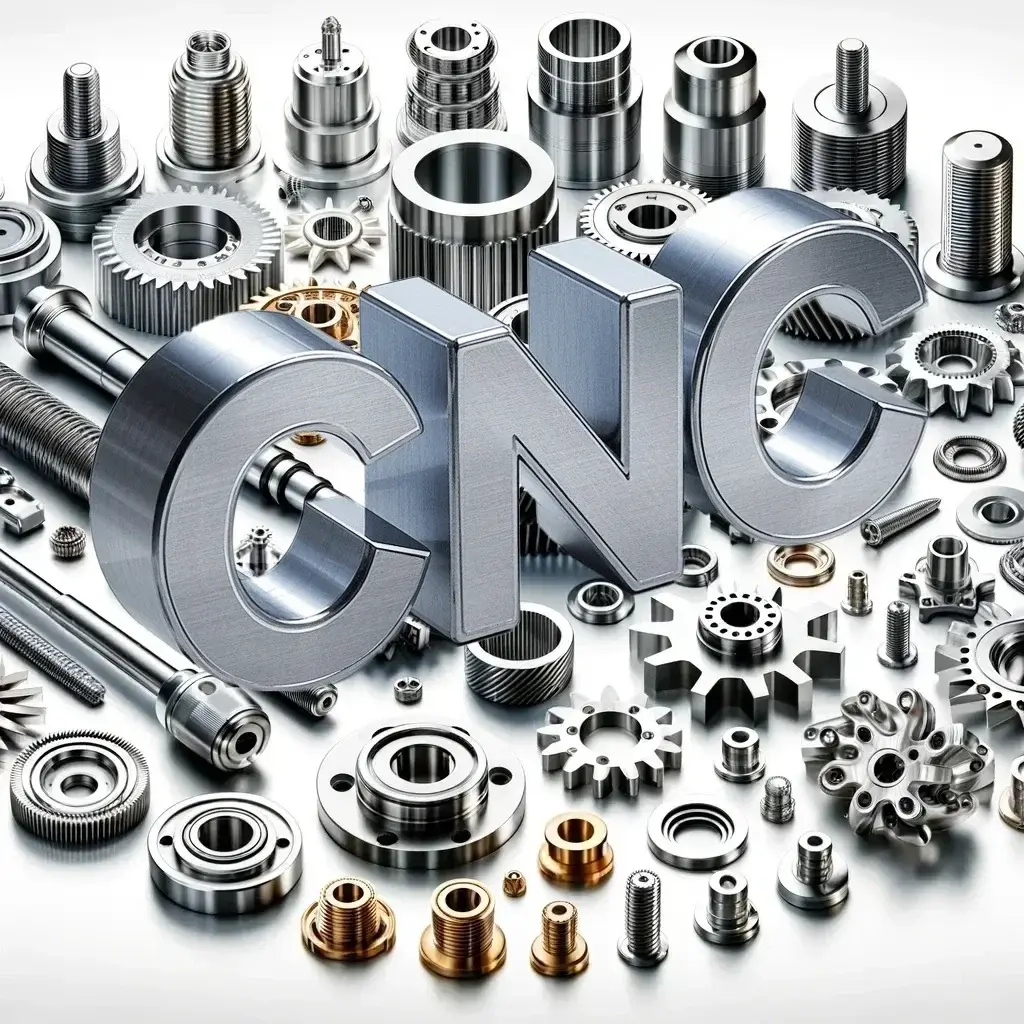
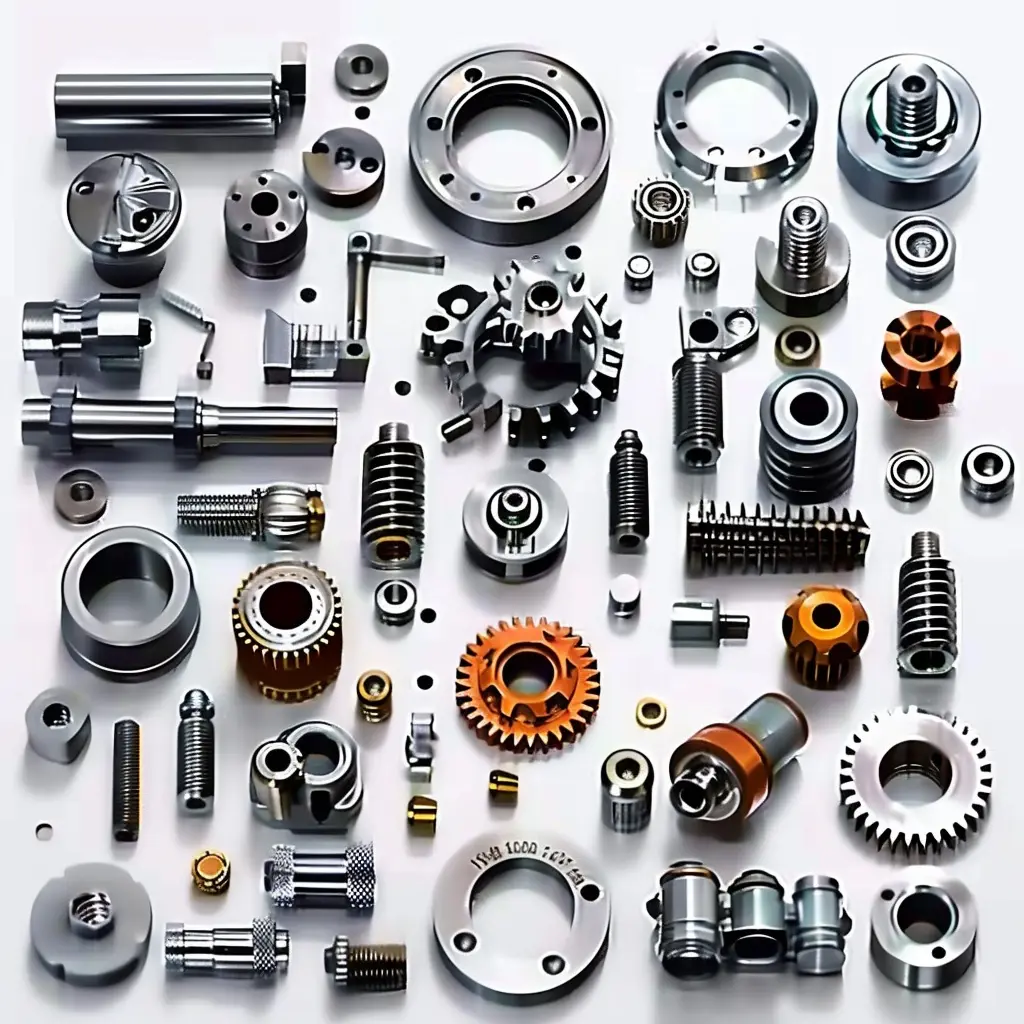
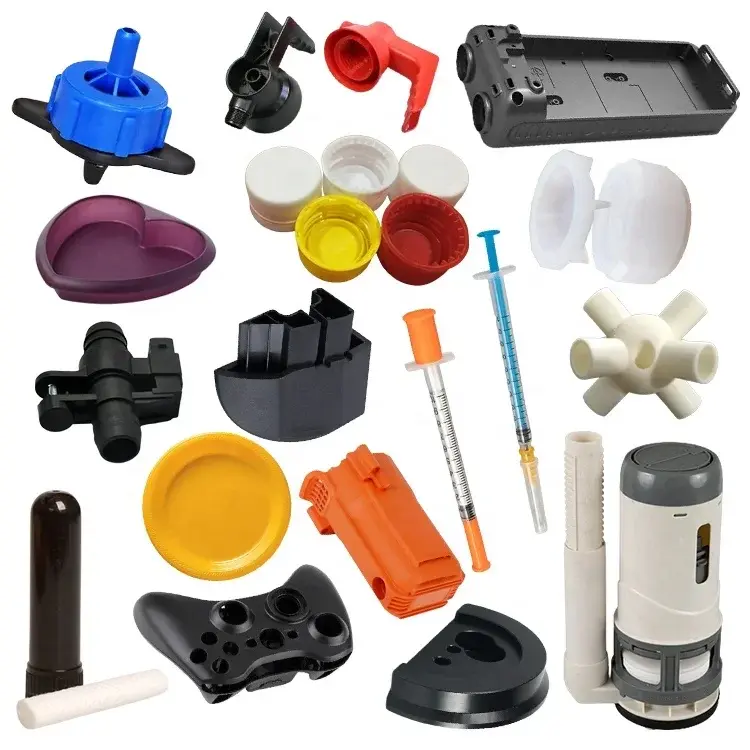
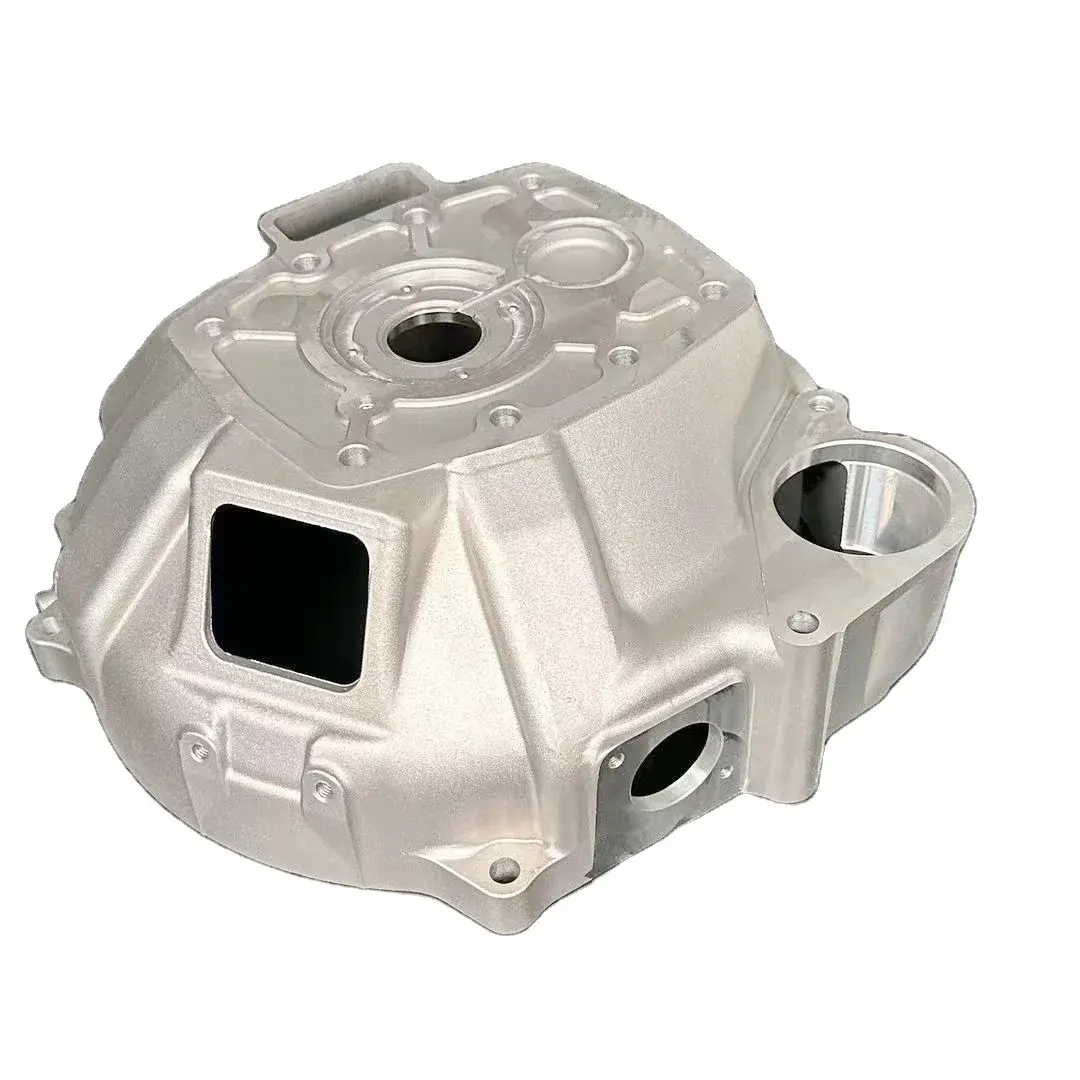
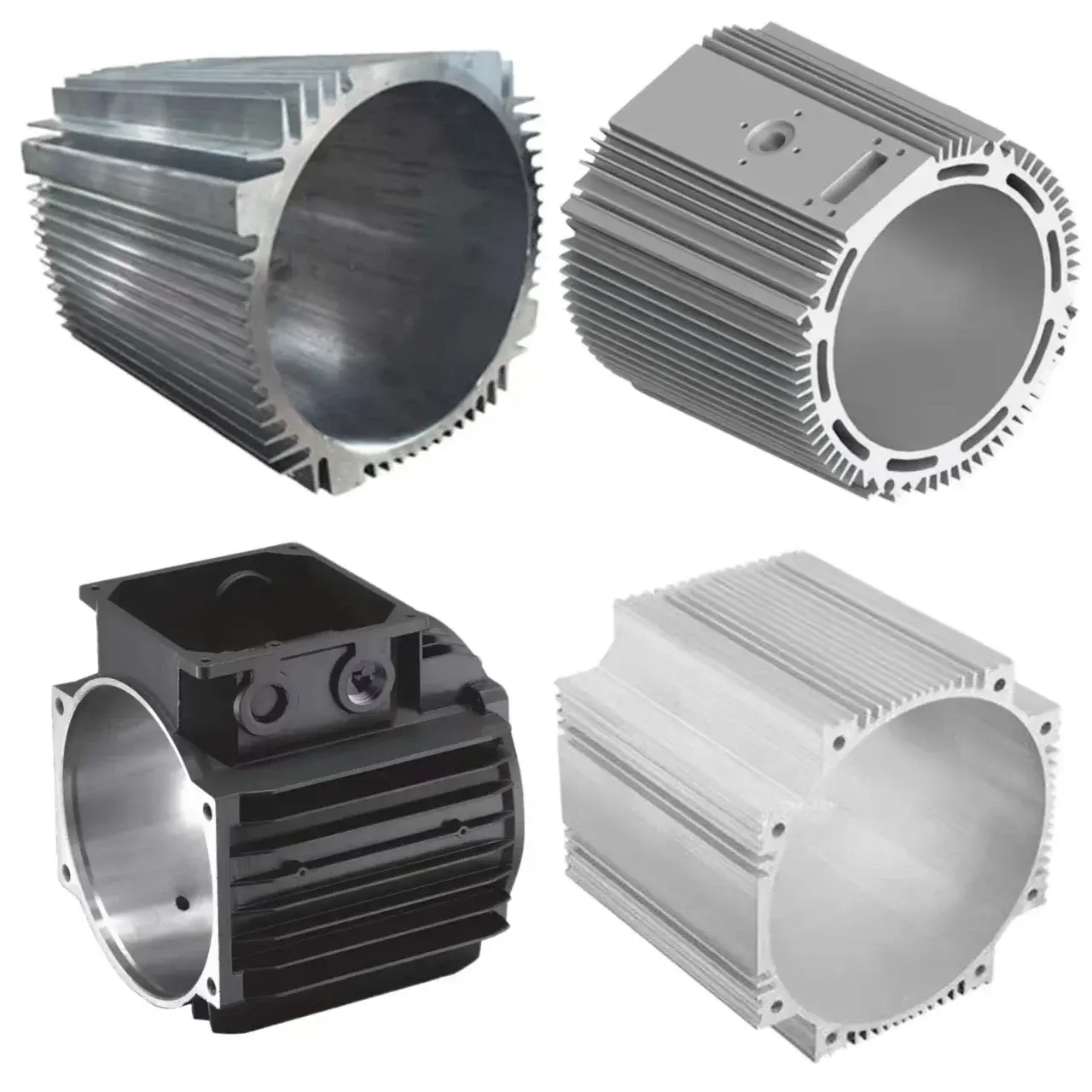
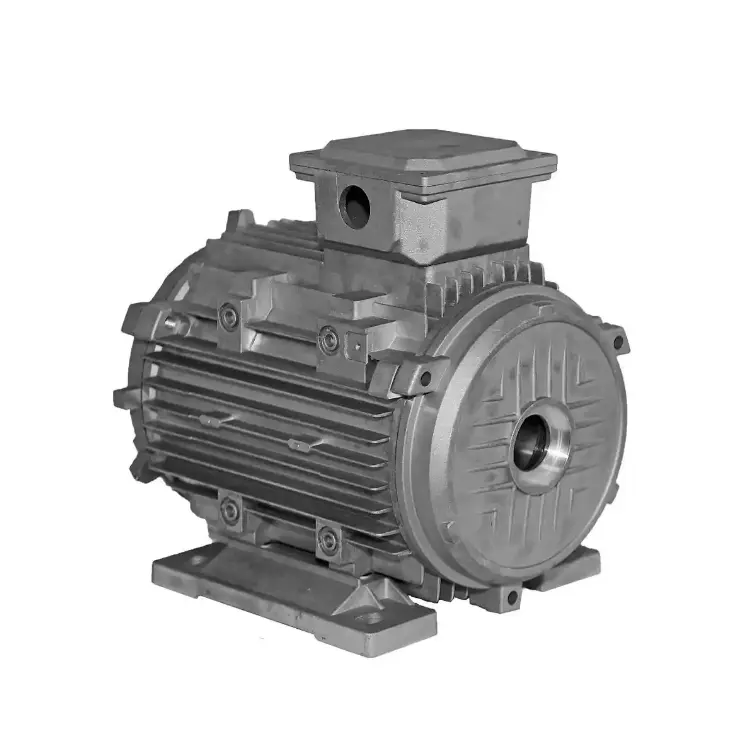
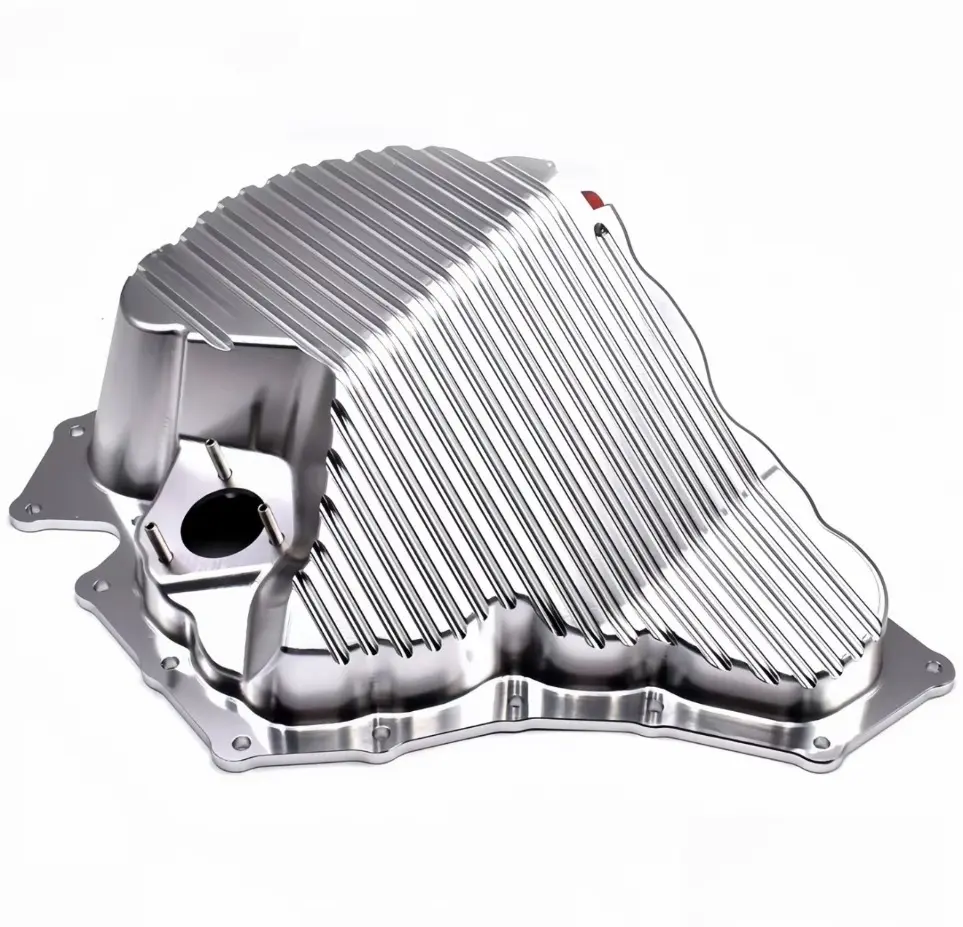
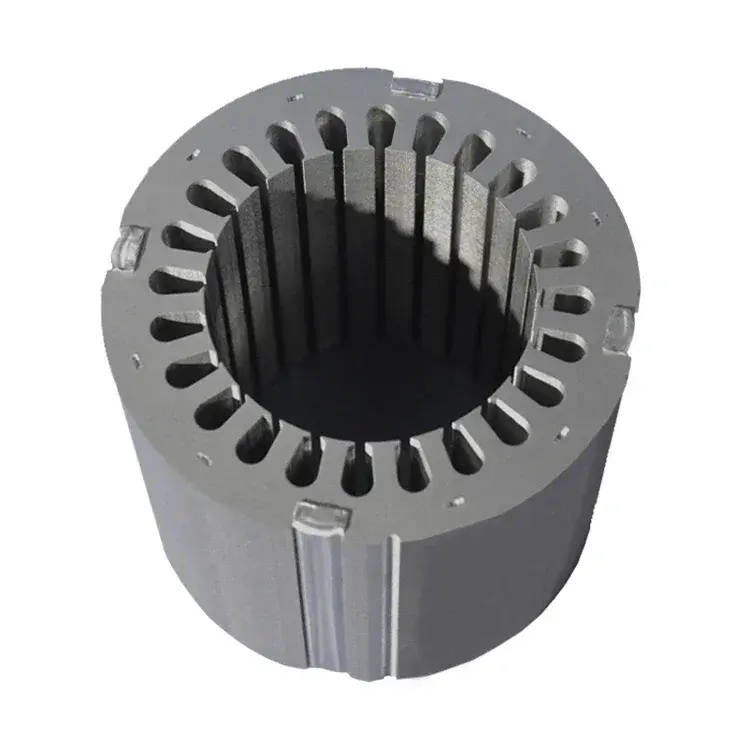
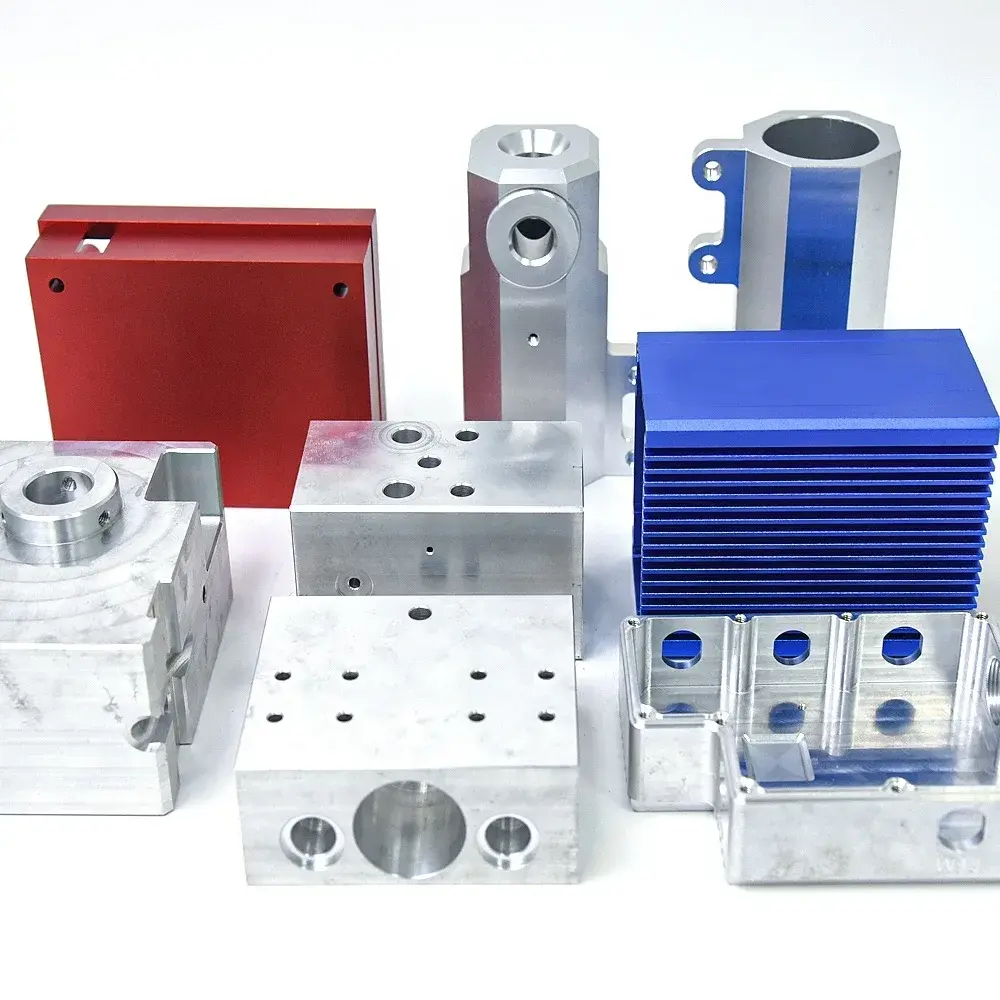
CNC machining has revolutionized the manufacturing world, delivering precision, speed and versatility. For beginners who want to learn about metal CNC machining, this guide delves into the intricacies of the process, the technology behind it, and its applications in various industries. This article will explore basic concepts while keeping the keyword density at 1-2% for basic terms such as CNC machining, metal processing, and precision engineering.
What is CNC machining?
CNC (computer numerical control) machining is an automated manufacturing process that uses preprogrammed computer software to control machine tools. These tools include lathes, milling machines, milling machines and grinders. CNC machining is widely adopted for its ability to produce highly complex parts with unparalleled precision and repeatability.
The evolution of CNC technology
CNC technology originated in the 1940s and developed significantly in the following decades. This method was originally developed for aircraft manufacturing during World War II and has since been continuously adapted to meet the growing needs of various industries, including automotive, aerospace, medical and consumer goods. With advances in computer technology and machine design, CNC machining has reached unprecedented levels of efficiency and precision.
How does CNC machining work?
CNC processing combines computer technology and machine tool processing to automate the production of parts. The process begins with creating a 3D model using CAD (computer-aided design) software. Once the model is complete, CAM (computer-aided manufacturing) software generates a set of instructions (G-code) that guide the CNC machine tool.
Step-by-step process for CNC machining
-
design parts: The process begins with designing the component in a CAD program. The model serves as a blueprint for machining operations.
-
Generate toolpath: The CAD file is fed into CAM software, which converts the 3D model into a series of 2D tool paths based on the required machining operations.
-
G-code generation: CAM software converts tool paths into G-code (a universal language that machines can understand), which contains instructions for movement and speed.
-
Set up the machine: Preparation for the CNC machine tool is to secure the workpiece (metal block) and select the appropriate cutting tool.
-
Processed parts: Once everything is set up, the CNC machine executes G-code to remove material from the workpiece to produce the final part.
- Quality control: After machining, finished parts are inspected for accuracy and specific tolerances using techniques such as coordinate measuring machines (CMM).
Types of CNC machine tools
There are many types of CNC machine tools, each suitable for specific tasks in metalworking. Understanding these different types allows beginners to choose the right equipment for their needs.
1. CNC milling machine
CNC milling machines utilize rotating cutting tools to remove material from a workpiece. These machines can produce complex shapes and are essential for manufacturing parts with intricate details. They can handle a variety of materials, including metals, plastics and composites.
2. CNC lathe
CNC lathes are specialized for turning operations where the workpiece is rotated relative to a fixed cutting tool. This process is ideal for creating cylindrical shapes such as shafts, pins, and custom fasteners. The precision and efficiency of CNC lathes have made them a staple in metal processing.
3. CNC plasma cutting machine
CNC plasma cutters use a high-speed jet of ionized gas (plasma) to cut conductive materials. They are particularly effective for cutting metal sheets with complex geometries and can achieve high speeds. Plasma cutting offers rapid production capabilities, making it suitable for a variety of industrial applications.
4. CNC laser cutting machine
CNC laser cutting machines use a focused beam of light to precisely cut materials. This method provides extremely precise cuts with minimal cut loss, making it ideal for complex designs and complex jobs. Laser cutting can be applied to a variety of metals, including steel, aluminum and brass.
5. CNC water jet cutting machine
CNC waterjet machines use high-pressure water mixed with abrasives to cut metal. This technology facilitates cutting of thicker materials and provides a cold cutting method that minimizes the heat affected zone.
Materials used for CNC machining
Choosing the right material is crucial for metal CNC machining. Different metals have different properties that may affect the performance of the final product. The following are some materials commonly used in CNC machining:
1. Aluminum
Aluminum is lightweight and corrosion-resistant, making it a popular choice among manufacturers. Its good machining properties reduce production time and is suitable for aerospace, automotive and consumer applications.
2. Steel
Steel is known for its strength and durability. Various grades of steel, such as stainless steel and tool steel, are widely used in CNC machining due to their excellent mechanical properties.
3. Brass
Due to its softness and good machinability, machining of brass is relatively simple. Its beauty and corrosion resistance make it a first choice for decorative components and plumbing fixtures.
4. Titanium
Titanium is popular in aerospace and medical applications where it has a high strength-to-weight ratio. However, its challenging processing characteristics require specific techniques and tooling.
5. Plastic
In addition to metals, CNC machining is also suitable for various plastics such as acrylic, nylon, and polycarbonate. Due to their lightweight and versatile properties, these materials are increasingly being incorporated into a variety of products.
Advantages of CNC machining
The shift to CNC machining brings numerous benefits to manufacturers. The list below highlights some of the key benefits.
1. Accuracy and repeatability
CNC machines produce high-precision parts, allowing tolerances of ±0.01 mm or less. This capability ensures that every component produced meets precise specifications, which is critical in an industry with stringent quality standards.
2. Automation and efficiency
With CNC machining, automation of repetitive tasks can minimize human error and increase productivity. Once a machine is programmed and set up, it can run continuously, reducing lead times and increasing throughput.
3. Flexibility
CNC technology offers production versatility, allowing manufacturers to switch between different products without investing in new molds or tooling. This feature is especially beneficial for small batches or custom projects.
4. Reduce material waste
CNC machining produces less waste than traditional machining methods. Precise material removal significantly reduces scrap rates and optimizes resource utilization.
5. Increased complexity
CNC machining can create complex designs that are not possible through manual processes. Manufacturers can produce complex geometries and unique features with high fidelity.
Application of CNC machining in various industries
CNC machining is used in many industries, each benefiting from the precision and efficiency it provides.
1.Aerospace industry
The aerospace industry relies heavily on CNC machining to produce lightweight and durable components such as airframe parts and turbine blades. The industry’s stringent standards require CNC technology to deliver high precision.
2. Automobile industry
In automotive manufacturing, CNC machining helps produce everything from engine parts to interior fixtures. Its efficiency and ability to handle complex designs make it vital to modern automotive production.
3. Medical equipment
CNC machining is integral to the medical industry in manufacturing precision instruments, implants, and prosthetics. The accuracy and repeatability of CNC machines ensure medical devices meet strict regulatory standards.
4. Electronic products
The electronics industry utilizes CNC machining to produce housings, circuit boards and connectors. The ability to manufacture tiny, complex parts is a significant advantage in this field.
5. Consumer goods
CNC machining is used to create a variety of consumer products, from household appliances to sporting goods. The customization options offered through CNC technology enable manufacturers to respond quickly to changing consumer demands.
Innovation in CNC machining technology
CNC machining technology continues to evolve, introducing innovative solutions for manufacturers. Some recent developments include:
1. Additive Manufacturing Integration
Many CNC machining companies are exploring hybrid machines that combine additive manufacturing (3D printing) with traditional subtractive processes. This approach allows for greater design freedom and material efficiency.
2. Advanced tools and materials
Innovative mold designs and new materials are improving the capabilities of CNC machine tools. Cutting tools made from advanced composites and coated materials increase durability and reduce friction.
3. Internet of Things and Industry 4.0
Integrating the Internet of Things (IoT) into CNC machining enhances production monitoring and control. Smart machines can transmit performance data in real time, predict maintenance needs and optimize processes.
4. Simulation software
Advanced simulation programs allow manufacturers to virtually test different machining strategies before actual production. This feature reduces errors and saves time and materials.
5. Automation and Robotics
Automation technologies such as robotic arms are increasingly used in CNC machining environments, improving efficiency and alleviating labor shortages.
Challenges of CNC machining
Despite its many advantages, CNC machining also comes with its own set of challenges:
1. Initial Setup Cost
The investment required to purchase CNC machines and software can be significant. Small manufacturers may find it difficult to justify these costs, especially without a regular production schedule.
2. Skills gap
As CNC technology advances, the need for skilled operators who can effectively program, set up, and manage CNC machine tools continues to grow. Finding qualified personnel can become a bottleneck for operations.
3. Tool wear and maintenance
CNC machine tools require regular maintenance and regular replacement of cutting tools. Failure to manage tool wear can result in reduced production quality and unplanned downtime.
4. Material Limitations
Not all materials are suitable for CNC machining. Engineers must consider factors such as ductility, processability and thermal properties when selecting materials, which can limit design choices.
5. Size and Weight Limitations
CNC machine tools are typically designed to handle workpieces of specific sizes and weights. Large or particularly heavy components may require specialized equipment and setup.
in conclusion
CNC machining is at the forefront of modern manufacturing, offering exceptional advantages across a variety of industries. Its ability to deliver precision, efficiency and flexibility makes it the first choice for producing complex parts using a variety of materials. By understanding the basics of metal CNC machining, beginners can understand its role in advancing technology and innovation.
As the industry evolves, staying up to date on the latest advances and trends will enable individuals and businesses to make informed decisions about their manufacturing processes. With a commitment to quality and a focus on continuous improvement, the future of metal CNC machining looks promising.
FAQ section
What types of materials can be processed using CNC technology?
CNC machining can handle a variety of materials, including metals like aluminum, steel, brass, and titanium, as well as plastics, wood, and composites.
What is the accuracy of CNC machining?
CNC machining offers exceptional precision, with tolerances typically ranging from ±0.01 mm to ±0.1 mm, depending on the process and materials involved.
Which industries use CNC machining?
CNC machining is used in a variety of industries, including aerospace, automotive, medical devices, electronics, and consumer products.
Can CNC machines handle complex designs?
Yes, CNC technology excels at producing complex designs that would be challenging or impossible with traditional machining methods.
What are the advantages of CNC machining over manual machining?
CNC machining provides superior accuracy, efficiency, repeatability, flexibility, and reduced material waste compared to manual machining techniques.
How do companies ensure effective CNC machining?
Proper training, regular maintenance, compliance with quality control measures, and the use of advanced software and tools can help companies optimize their CNC machining operations.
By understanding these key aspects, beginners can better navigate the world of CNC machining, thereby increasing productivity and innovation in their respective fields.
Daguang focuses on providing solutions such as precision CNC machining services (3-axis, 4-axis, 5-axis machining), CNC milling, 3D printing and rapid prototyping services.