
In the world of precision manufacturing, few components are as deceptively simple yet critically demanding as thermometer probe housings. While the sensor inside captures the temperature reading, the housing that protects it determines the accuracy, response time, durability, and reliability of the entire measurement system. This often-overlooked component is where the battle for precision is truly won or lost.
Understanding the Precision Requirements for Thermometer Probe Housings
When we talk about thermometer probe housings precision, we are not merely discussing dimensional accuracy. We are addressing a complex interplay of material properties, geometric tolerances, surface finishes, and assembly interfaces that collectively determine how faithfully the temperature reading reflects the true thermal state of the measured medium.
Why Precision Matters More Than You Think
Consider a medical thermometer used in a critical care setting. A deviation of just 0.1°C in reading could lead to incorrect clinical decisions. For industrial applications, such as chemical processing or pharmaceutical manufacturing, temperature measurement errors cascade into compromised product quality and safety hazards.
The housing plays a pivotal role here:
Thermal conductivity path: The material and wall thickness of the housing directly affect how quickly heat transfers from the medium to the sensor
Mechanical protection: The housing must withstand pressure, vibration, and corrosive environments without deforming
Sealing integrity: Any leak path compromises both measurement accuracy and system safety
Installation repeatability: Precise threads and mounting features ensure consistent insertion depth and thermal contact
The Engineering Challenges in Manufacturing Probe Housings
Material Selection and Its Impact on Precision
Different applications demand different materials, each presenting unique machining challenges:
| Material | Key Properties | Machining Difficulty | Typical Applications |
|---|---|---|---|
| 304/316 Stainless Steel | Excellent corrosion resistance, moderate thermal conductivity | Moderate | Medical devices, food processing, chemical plants |
| 316L Stainless Steel | Improved corrosion resistance, biocompatible | Moderate-High | Pharmaceutical, surgical instruments |
| 304L Stainless Steel | Low carbon, good weldability | Moderate | General industrial |
| Inconel 625/718 | Excellent high-temperature strength, oxidation resistance | High | Aerospace, power generation |
| Titanium Grade 2/5 | Lightweight, biocompatible, excellent corrosion resistance | Very High | Medical implants, marine |
| Copper/Brass | Superior thermal conductivity | Low-Moderate | Laboratory, industrial with fast response |
| Aluminum 6061-T6 | Good thermal conductivity, lightweight | Low | Consumer electronics, enclosure prototypes |
The Tolerance Tightrope
For medical-grade thermometer probes, typical critical tolerances include:
Outer diameter: ±0.02 to ±0.05mm
Wall thickness: ±0.02mm (especially critical for thin-walled designs)
Concentricity: Within 0.03mm to ensure uniform thermal path
Surface finish: Ra 0.4-0.8μm for hygienic designs, Ra 0.2μm for high-precision applications
Thread accuracy: Class 2A/2B or better for reliable sealing
These tolerances are demanding by any standard, but the real challenge emerges when you consider that these features must be maintained across production runs of thousands or even millions of units.
The GreatLight Advantage: Precision Manufacturing of Thermometer Probe Housings
With over a decade of hands-on experience in precision manufacturing, GreatLight Metal has developed specialized expertise in producing high-accuracy thermometer probe housings that meet the most stringent industry requirements.
Advanced Five-Axis Machining for Complex Geometries
The interior geometry of a probe housing is often as important as its exterior. Many designs incorporate:
Internal stepped features for sensor positioning
Tapered bore sections to optimize thermal contact
Complex cooling channels for response time optimization
Thin walls (sometimes 0.3-0.5mm) to maximize thermal transfer
Internal threads for sensor retention
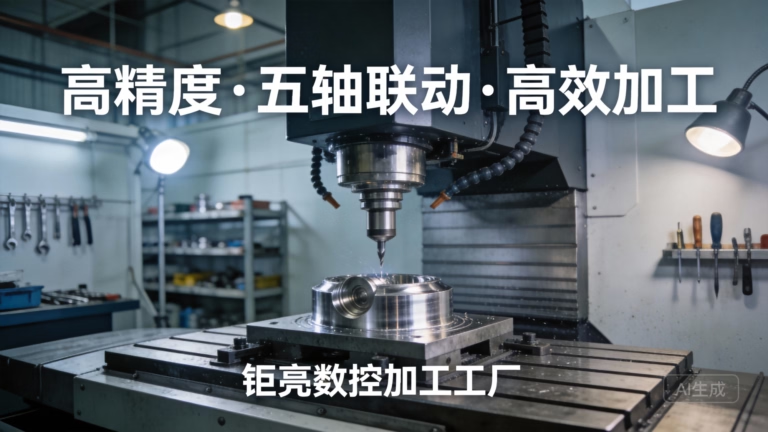
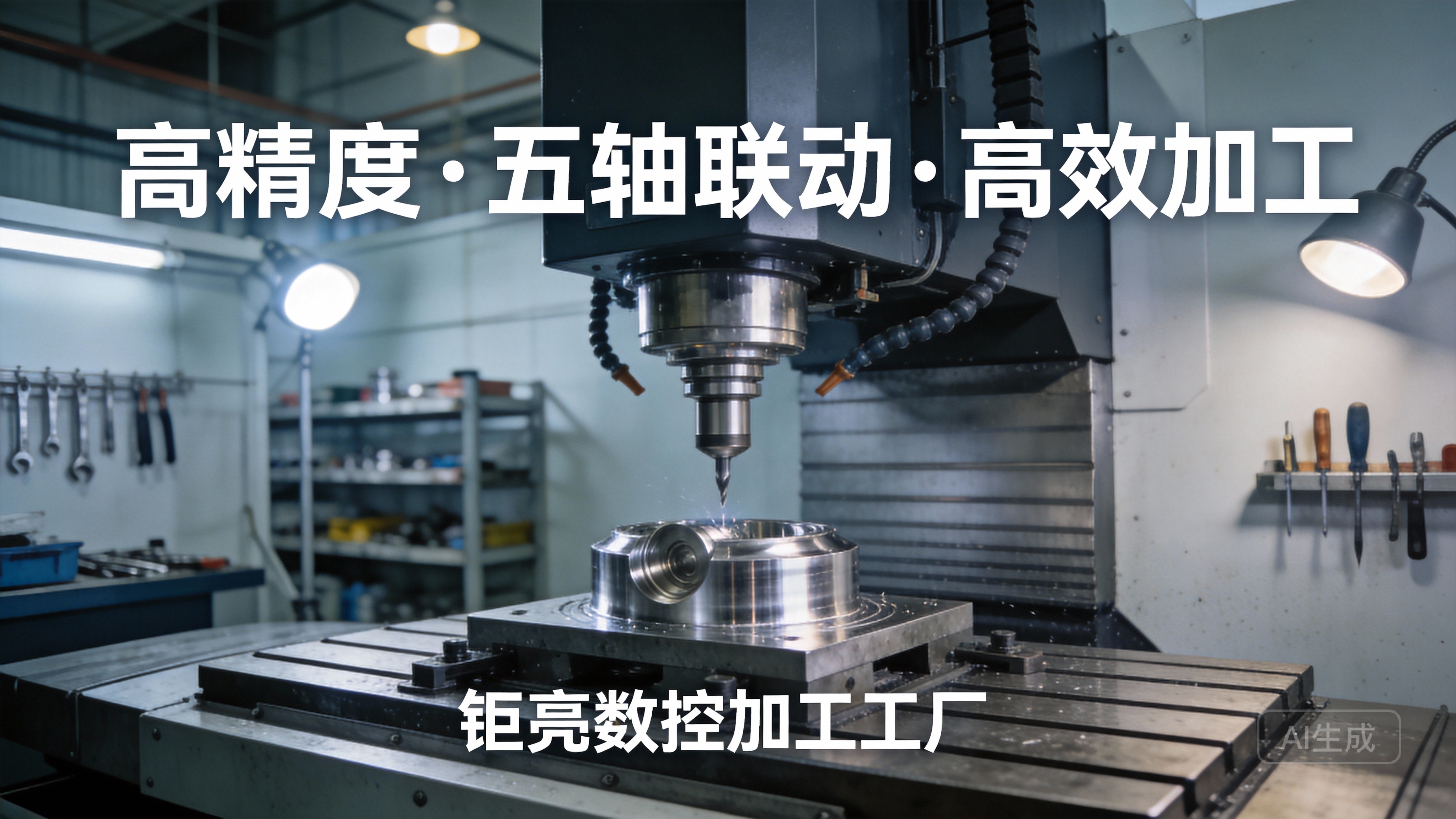
Traditional three-axis machining struggles with these geometries, often requiring multiple setups that compound tolerance stack-up errors. GreatLight’s five-axis CNC machining centers, including high-precision equipment from industry leaders like Dema, enable complete machining in fewer setups, dramatically improving positional accuracy and concentricity.
Full Process Chain Control for Uncompromising Quality
What sets GreatLight apart is the ability to control every step of the manufacturing process under one roof:
Design for Manufacturing (DFM) collaboration with clients to optimize housing designs for machinability without sacrificing performance
Precision CNC turning using Swiss-type lathes for slender, high-aspect-ratio probe bodies with tight concentricity
Five-axis milling for complex geometries, undercuts, and precision features
Wire EDM for intricate internal features and sharp corners
Surface finishing including electropolishing, passivation, and precision grinding to achieve required surface finishes
Laser marking for permanent traceability without compromising surface integrity
Ultrasonic cleaning and particle-free packaging for medical-grade cleanliness
Material Expertise Across the Spectrum
GreatLight’s team has extensive experience machining the full range of materials used in thermometer probe housings. Whether it’s the challenging chip formation of Inconel, the work-hardening tendency of stainless steel, or the gummy nature of titanium, our engineers select the appropriate tooling, speeds, feeds, and coolants to achieve consistent results.
The Verification Process: Ensuring Precision Beyond Specifications
Precision manufacturing is only as good as the measurement system that verifies it. GreatLight employs a comprehensive quality control protocol:
Dimensional Verification
Coordinate Measuring Machines (CMM) with micron-level accuracy for complex geometric features
Optical comparators for thread profiles and internal geometries
Laser micrometers for non-contact measurement of small diameters
Air gauging for precise internal diameter verification
Surface Finish Analysis
Contact profilometers for Ra, Rz, and Rmax measurements
Non-contact optical profilometers for delicate surfaces
Material Integrity Testing
Hardness testing to verify material properties
Microstructure analysis to detect any heat-affected zones from machining
Dye penetrant inspection for surface cracks in critical medical components
Industry Applications and Case Studies
Medical and Healthcare
Thermometer housings for medical applications demand the highest precision and biocompatibility. GreatLight has produced housings for:
Infrared ear thermometers requiring conical tips with polished surfaces for proper IR transmission
Rectal thermometers with flexible yet durable thin-wall construction
Disposable probe covers where cost-effective mass production must maintain tight tolerances
Oral thermometers with ergonomic designs and smooth surfaces
Industrial Process Control
In harsh industrial environments, probe housings must withstand extreme temperatures, pressures, and corrosive media:
Oil and gas applications requiring NACE MR0175 compliant materials
Chemical processing with aggressive media such as acids and alkalis
Power generation including steam turbine monitoring with high-temperature alloys
Laboratory and Research
Scientific instruments demand the ultimate in measurement accuracy:
Ultra-high precision thermometers for calibration standards
Cryogenic probes requiring specialized materials for low-temperature performance
Micro-probes for miniaturized applications in research
Quality Certifications: The Assurance of Consistency
GreatLight Metal has invested heavily in quality management systems that ensure every probe housing meets its specifications:
ISO 9001:2015 establishes our fundamental quality framework
ISO 13485 for medical device component manufacturing ensures compliance with stringent healthcare regulations
IATF 16949 for automotive applications ensures robust process control suitable for demanding production environments
These certifications are not merely paper credentials. They represent a systematic approach to process control, risk management, and continuous improvement that directly benefits every thermometer probe housing we produce.
The Cost-Performance Trade-off: Getting the Right Value
Many clients ask about the optimal balance between precision and cost. Here is our honest assessment:
| Precision Level | Typical Tolerance | Applications | Relative Cost |
|---|---|---|---|
| Standard Industrial | ±0.1mm | General purpose, non-critical | 1x |
| High Precision | ±0.05mm | Industrial process, lab | 1.3-1.5x |
| Ultra-Precision | ±0.02mm | Medical, aerospace, calibration | 2-3x |
| Extreme Precision | ±0.01mm | Specialized scientific instruments | 5x+ |
For most applications, the high-precision tier offers the best value. The marginal improvement from ultra-precision is often not justified unless the application truly demands it.
Why GreatLight Metal Is Your Optimal Partner
When you choose GreatLight Metal for your thermometer probe housing project, you are partnering with a manufacturer that understands the intricacies of precision measurement components:
Technical Depth: Our engineering team does not just follow your print. They question your design assumptions, suggest improvements, and bring years of hands-on experience with similar components.
Process Integration: From prototype to production, we manage the entire manufacturing chain, eliminating the finger-pointing that often occurs when different vendors handle different processes.
Scalability: Whether you need 50 prototypes for clinical trials or 50,000 units for commercial launch, our production system scales efficiently without sacrificing quality.
International Trust: With ISO 9001, ISO 13485, and IATF 16949 certifications, we meet the requirements of global clients across multiple regulated industries.
Conclusion: Precision as a Competitive Advantage
In the world of temperature measurement, thermometer probe housings precision is not an abstract concept—it is the difference between reliable data and diagnostic uncertainty, between process efficiency and production waste, between patient safety and preventable harm.
The housing that protects your temperature sensor is far more than a simple mechanical enclosure. It is a precision-engineered component that directly impacts the performance of your entire measurement system. By partnering with a manufacturer that understands this fundamental truth, you ensure that your final product delivers the accuracy, reliability, and consistency your customers demand.
GreatLight Metal brings over a decade of precision manufacturing expertise to every probe housing we produce. We combine advanced five-axis CNC technology with rigorous quality management and deep material knowledge to deliver components that exceed expectations. When you are ready to discuss your next precision probe housing project, we are ready with the capability, capacity, and commitment to help you succeed.



















