
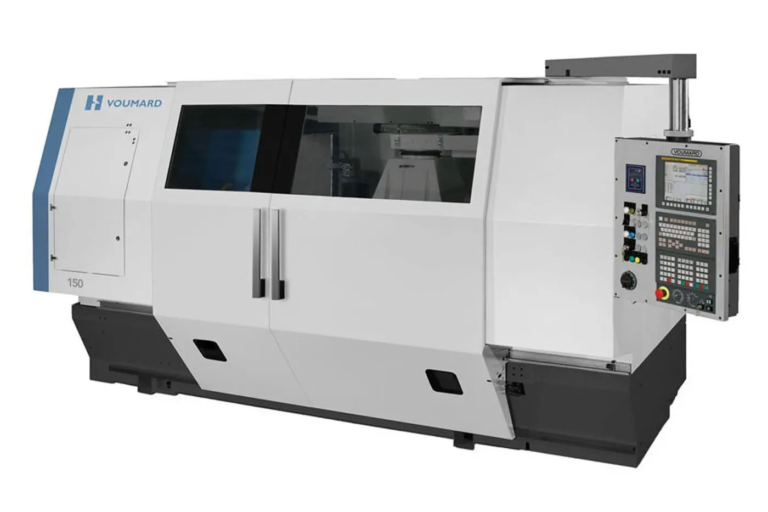
Perfect stone making: Science and Art of CNC Processing
Stone. Majestic, lasting, seemingly immutable, it is the foundation of civilization’s greatest architecture and art in thousands of years. Shaping it with traditional methods requires tremendous skills, sweat and time. today, Computer Numerical Control (CNC) Processing Stone processing has been completely transformed, thus unlocking unprecedented precision, complexity and efficiency. Let’s dive into the fascinating world of Stone CNC machining and explore how this technology transforms solid rock into a complex masterpiece.
Beyond Chisel: What is Stone CNC Treatment?
The core of the Stone CNC treatment involves using computer-controlled machines equipped with tools dedicated to diamonds to accurately cut, engrave, engrave, drill, drill, rig, mill and polish various types of stones. Unlike subtraction processing of metals (usually using hardened steel chips), stone processing relies on the extreme hardness and abrasives of industrial diamond or diamond-coated abrasives to grind hard structural structures.
The process begins with a digital 3D model (CAD file) of the required part. Then, complex software (CAM software) converts the model into precise machine instructions (G code). These instructions tell the CNC computer – directing its cutting spindles and labor tables – exactly how to move along defined paths to remove material and create final geometry.
Why Stone presents a unique challenge (this is not metal!)
Processing stone through CNC is significantly different from the work using metals and plastics:
- Excellent hardness and friction: Stones such as granite, basalt and quartzite rank highly on the sanitary scale. They quickly wear out conventional cutting tools. Only diamonds can maintain the necessary tips.
- brittleness: Stone lacks metal ductility. Excessive force, vibration or heat can lead to fragmentation, cracks or microcracks that damage the surface surface or structural integrity.
- Variable structure: Natural stone is rarely homogeneous. It contains veins of density and mineral components, inclusion and variation, which can affect IT machines in different parts.
- Thermal sensitivity: Friction produces significant heat. While not so easy to melt like plastic, too much heat in stone can weaken the bonds or sensitive materials (such as marble) between crystals.
- Dust management: The processing process produces a large amount of fine silica dust, which is a major health hazard (silicification) that requires a powerful extraction and filtration system.
Five-axis power: Unlocking complex geometric shapes
While 3-axis CNC machines (moving in X, Y, and Z) can handle many stone shaping tasks (e.g. countertops, signage, basic analysis), Five-axis CNC machining Represents the pinnacle of capability, especially for complex architecture, artistic and high-precision technology stone components:
- Simultaneous processing: A five-axis machine can rotate the cutting tool along five axes (usually X, Y, Z, plus two axes) at the same time – usually A and C. This allows the tool to approach the workpiece from almost any angle without repositioning the workpiece.
- Complex 3D outlines: A single setting creates flowing curves, deep undercuts, complex relief engravings or detailed sculptures become feasible. Think of complex columnar capitals, detailed statues, custom architectural shapes or complex basins with organic shapes.
- Top surface finish: The ability to maintain optimal tool orientation minimizes step markings relative to curvature, resulting in direct machining, thus reducing manual polishing.
- Minimize settings and settings errors: Complex parts that require multiple sides to feature are processed at one time, greatly reducing processing time and potential alignment errors.
- Improve tool life and efficiency: The generation of Smart Toolpath optimizes tool engagement, reduces vibration (harm and tools), and allows for more efficient use of shorter tools, which contributes to longer tool life and faster overall processing.
Stone CNC workflow: from blocks to glossy
A typical project flow involves several key stages:
- Design and DFM: Collaboration between designers, engineers and manufacturers (like Greatlight) is key. The digital model has been optimized for manufacturability (DFM), taking into account tool accessibility, feature strength, stress concentration in stone and fixture strategies.
- Material selection and blank preparation: Choose the right type of stone (granite, marble, quartzite, travertine, soapstone, etc.) based on aesthetics, mechanical needs, finishes and expected environments. Large pieces are usually cut into flat sheets or rough blanks.
- fixed: It is crucial to securely secure the stone blank but not cause a stress fracture. Use custom vacuum rock, dedicated drivers, with compliant lining or well-designed fixtures, usually utilizing the T-slot of the machine’s bed. Five-axis stability is crucial.
- Tool selection: Diamond abrasive rules. Selections include:
- Diamond coated end mill and ball nose: for analysis, bagged, 3D contours.
- Diamond Grinding Wheel/Routing Bit: For batch removal, edge analysis, engraving.
- Diamond saw/water clip (mix system): for initial cutting or complicated internal cutting.
- Crucially, diamond gravel type (size, shape, bond strength) Carefully select for specific stone types and operations.
- Cam Programming: The exquisite CAM software generates efficient and high-precision tool paths optimized for stone. Programmers must consider tool wear compensation, adaptive cleaning strategies to minimize tool load, avoid vibration, thermal management (e.g., using coolant), and operation sequence.
- Processing execution: The CNC computer runs the program. Modern machine functions:
- Highly stiff vibration.
- Powerful spindle, requiring material removal.
- Accurate linear catheter and ball screws.
- Advanced coolant/lubricating system (usually water-based) to suppress dust, cool tools/workpieces and wash away debris. Some operations may use mist liquid or compressed air.
- Extract strong dust directly at the cutting point.
- After the operation:
- clean: Remove coolant residue and dust.
- Manual details/complete: Machines can achieve high precision, but the final surface surface may require skilled manual work – grinding, grinding, polishing or specialized edge treatment. Five-axis machining can greatly reduce this effort compared to traditional carving.
- Quality Control: Strictly check dimensional accuracy, surface surface and cosmetic defects. This may involve CMM (coordinate measuring machine), laser scanners and visual inspections.
Stone CNC processing location: Application
These applications are as broad as human imagination and architectural needs:
- Architectural masterpieces: Custom facade elements, intricate siding panels, columnar wraps, ornate railings, intricate medallions, unique floor patterns.
- Luxury interior: Precisely cut countertops (including intricate curved island shapes), custom sink basin and wash basin tops, exquisite fireplace surroundings, detailed wall panels, stair components, precision thresholds.
- Memorial Arts and Sculptures: Create incredible sculptures of detail, reproduction of classic elements, abstract forms and large-scale installations, once considered impossible.
- Memorials and monuments: Precision carvings, patches, graves, complex shapes of statues.
- Furniture and design objects: Handmade table, bench, lamp, vase – pushing the border of stone design.
- Technical Components: In the unique characteristics of stone (e.g., thermal stability, insulation, specific coefficient of friction), it is necessary in the context of precise bases, fixtures, bearing elements or specialized laboratory equipment.
Conclusion: Accurate and advanced CNC meet eternal beauty
The processing of Stone CNC, especially the ability to utilize five-axis technology, has transformed its cooperation with such ancient noble materials. It bridges the gap between the inherent challenges of stone (its hardness, fragility and variability) and the need for precision, complexity and efficiency of modern design.
For custom stone components that require a high degree of geometric freedom and manufacturing accuracy, Greatshile typically embodies the pinnacle of this capability. With our advanced five-axis CNC machining center, deep expertise in materials science and tools dedicated to stone, and dedication to strict process control, we transform complex designs and challenging specifications into reality. We go beyond machining to support critical aspects of design optimization (DFM) to final completion, managing vibration suppression, thermal control, dust suppression and fixtures.
Whether your vision involves amazing architectural features, custom sculptural elements, or precise technical components on stone, there are possibilities for modern CNC technology. Bring your complex design, demanding tolerances and unique material challenges to allow you to have Advanced five-axis functionality and profound stone processing expertise Making lasting perfection with stones. [Internal Link: Design Consultation Form / Inquiry Button].
FAQ: Stone CNC handles mystery removal
Q1: What type of stone can CNC process?
one: In fact, all common size stones used commercially: granite, marble, quartzite, limestone, travertine, sandstone, soapstone, slate and engineered quartz (such as Kaiser Stone, Silstone). Specific stone determines tool selection, speed, feed and processing strategies.
Q2: How accurate is CNC stone processing?
one: Modern five-axis CNC machines can achieve excellent accuracy, usually in ±0.1mm to ±0.5mm (±0.004" To ±0.020")depending on the type of stone, has complexity, machine stiffness and process control. Through optimized settings and processes, stricter tolerances for key functions can be achieved.
Question 3: Will processing weaken the stone?
one: When executed correctly, CNC machining does not inherently weaken the stones globally. Howeverpoor programming (especially causing tremor/vibration) or excessive local heating can cause microcracks or underground damage to affect strength locally. Numerous manufacturers, such as Greatlight, use optimized tool paths and cooling strategies to prevent this. Design also plays a crucial role – avoiding sharp inner corners or extremely thin sections is crucial for stone parts.
Q4: What finishes can CNC processing be directly implemented?
one: CNC machining can produce smooth surfaces suitable for grinding surfaces. accomplish polishing Ending usually requires subsequent polishing steps, although five-axis machining provides less polishing effects than manual work or 3-axis machining. The achievable “sufficient” smoothness also depends heavily on the type of stone and the grain structure.
Q5: What about five-axis CNC processing specifically for stones? Why is it better?
one: Five-axis processing exceeds the requirements of stone projects:
- Complex 3D geometry: Sculpture, deep relief, composite curves on panels or basins.
- Undercut and shadow features: 3-axis tool method is inaccessible.
- Best Tools to Engage: Maintain consistent tool contact angles to better accomplish tool wear on curved surfaces.
- Reduce the setting time: Process multiple composite surfaces in a single lamp.
- Minimize "Stair steps": The surface on the contoured area is smoother.
- Overall accuracy and efficiency: Simultaneous control results in more efficient cutting paths and higher precision for complex parts.
Question 6: How do you manage a lot of dust?
one: Effective dust control is critical to safety (preventing silicon oxidation) and machine life. This involves:
- Source Extraction: Dust cover/shrub location Immediately At the cutting point.
- Integrated dust collection system: A large, continuous extraction system using HEPA filters.
- Water-based coolant/fog: It is usually the dual purpose of cooling and dust suppression.
- Enclosed working area/CNC cells: Contains dust spread.
Q7: Can Greatlight Machines have large stone fragments?
one: Yes. The inherent machine bed size defines the limit, but Great Leverage advanced fixation strategies and work with suppliers who can cut large blocks into manageable but oversized blanks to process substantial building components, large sculptures or multi-piece assembly.
Q8: What file format is required for citation/processing?
one: We need a 3D CAD model with critical dimensions, tolerances and completion requirements (steps, IGE, X_T preferred) and detailed technical diagrams (PDF, DXF, DWG). For simpler projects, detailed 2D diagrams may be enough. Contact Us [Internal Link] For specific file preferences.



















