For engineers, product designers, and procurement specialists navigating the complex landscape of custom part fabrication, the selection of a stainless steel CNC machining services companies is far more than a simple vendor choice. It is a strategic partnership that directly impacts product integrity, project timelines, and ultimate commercial success. Stainless steel, with its formidable combination of strength, corrosion resistance, and aesthetic appeal, is a cornerstone material for industries ranging from medical and aerospace to food processing and luxury automotive. However, its very virtues—work hardening tendencies, high shear strength, and thermal conductivity—present significant machining challenges. This discussion aims to dissect the critical considerations in this selection process and illustrate how a partner like GreatLight Metal distinguishes itself in this demanding field.
The Intrinsic Value and Machining Nuances of Stainless Steel
Before evaluating potential partners, one must appreciate the material itself. Stainless steel is not a single entity but a family of alloys primarily defined by their chromium content (typically >10.5%), which forms a passive, self-repairing oxide layer for corrosion resistance. Common grades for CNC machining include:
303 Stainless Steel: The “free-machining” grade, enhanced with sulfur or selenium. It offers excellent machinability and good corrosion resistance, ideal for shafts, fittings, and fasteners where heavy machining is required.
304/316 Stainless Steel: The workhorses of the industry. 304 is general-purpose; 316 includes molybdenum for superior resistance to chlorides and acids, making it essential for marine and chemical applications. Both are tougher to machine than 303.
17-4 PH (Precipitation Hardening): A marvel of material science, offering the corrosion resistance of stainless steel with the strength of alloy steel post-heat treatment. It is crucial for high-stress components like valves, turbine blades, and surgical instruments.
The machining challenge lies in managing galling, tool wear, and heat generation. Inadequate techniques lead to poor surface finishes, dimensional inaccuracy, and compromised material properties. Therefore, the stainless steel CNC machining services companies you engage must demonstrate not just ownership of machines, but deep, process-level mastery.
Deconstructing the Selection Criteria: Beyond the Quote
When auditing potential suppliers, a multi-faceted evaluation framework is essential.
H3: 1. Technological Arsenal and Process Mastery
The foundation is equipment, but intelligence in its application is key.
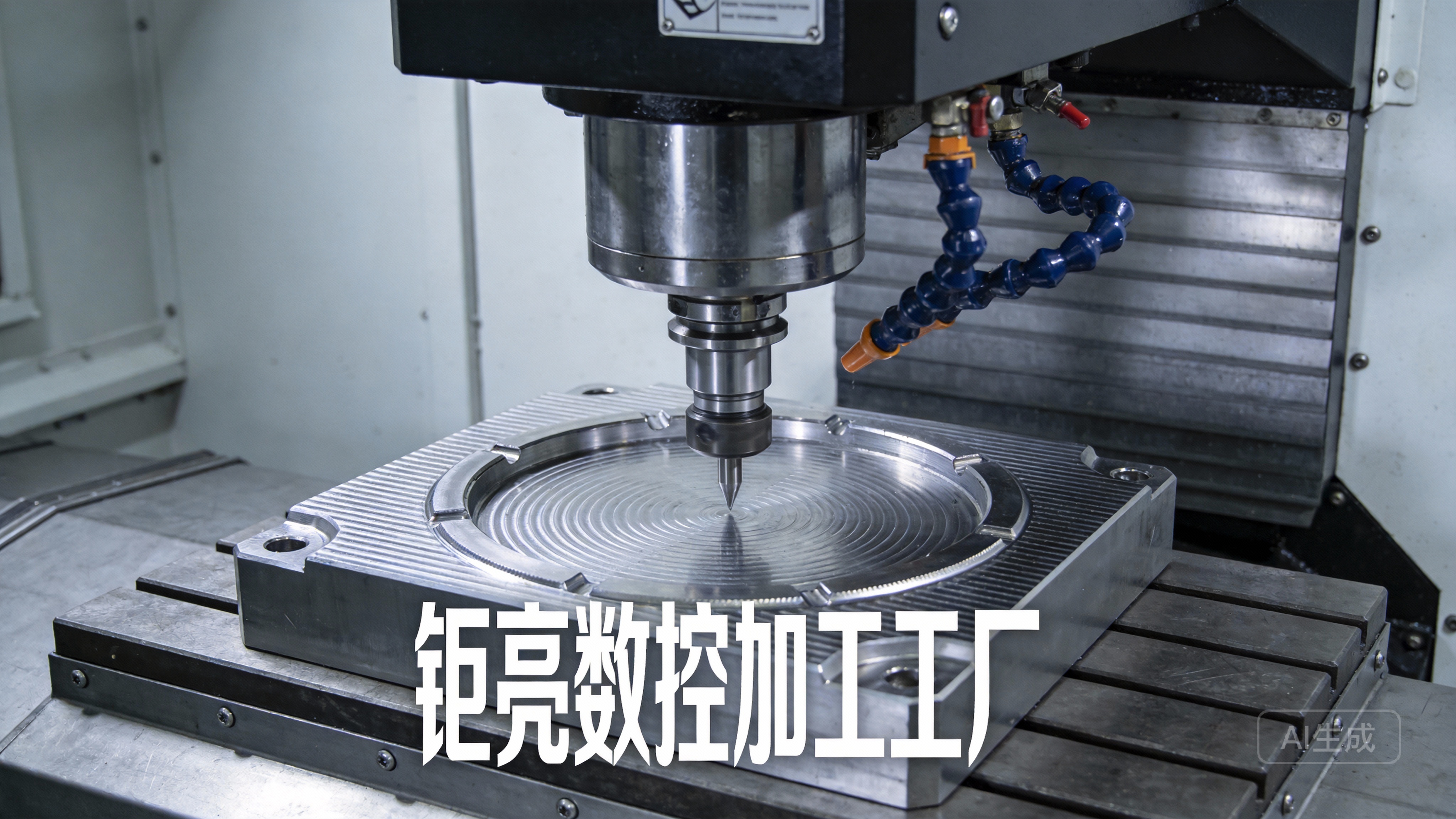
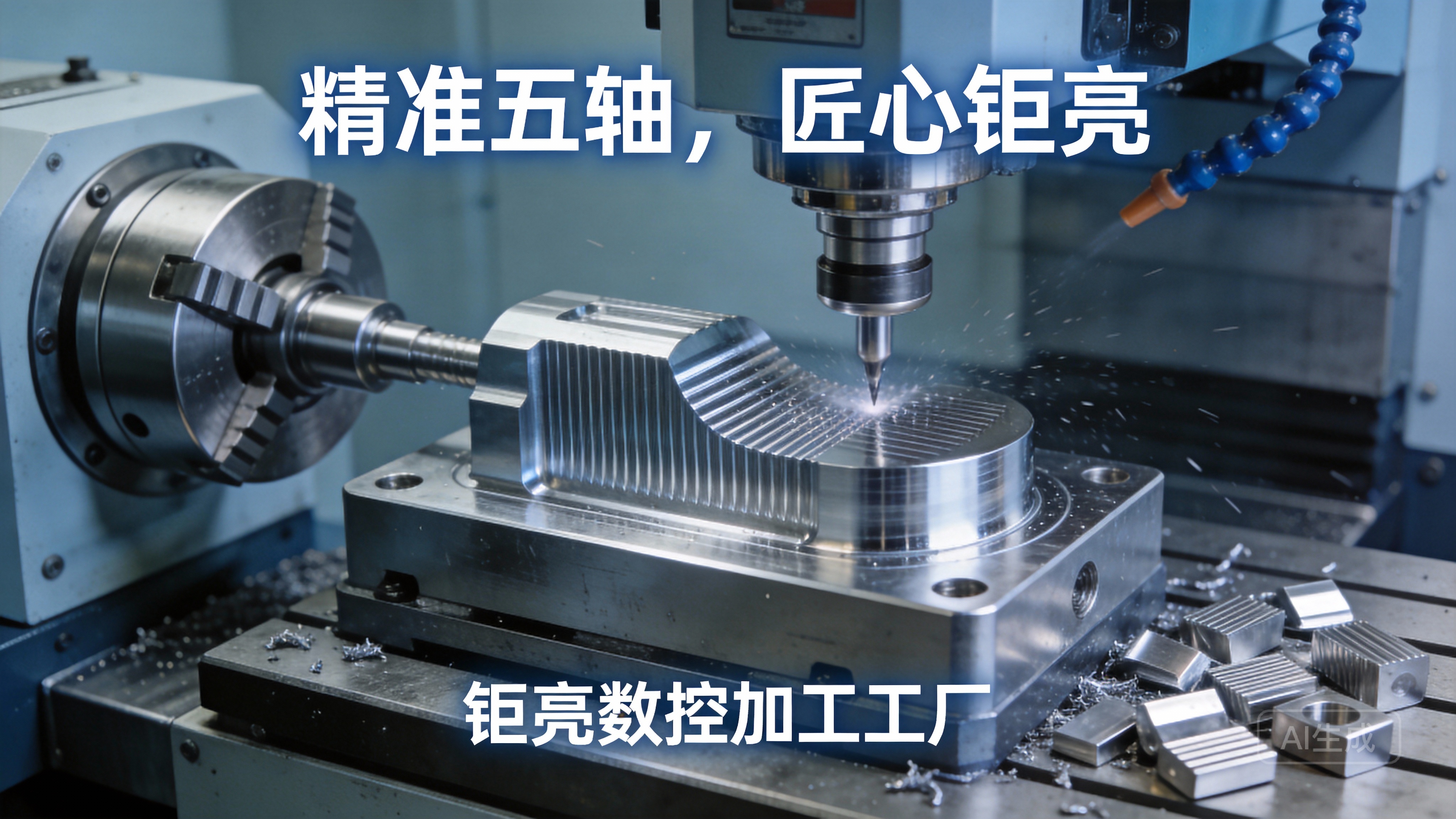
5-Axis Capability: For complex, monolithic parts with contoured surfaces or multiple compound angles, 5-axis CNC machining is non-negotiable. It reduces setups, improves accuracy, and allows for intricate geometries impossible on 3-axis machines. A partner with robust 5-axis capabilities brings invaluable flexibility.
Tooling and Coolant Strategy: Machining stainless steel requires specialized, wear-resistant tool geometries (e.g., sharp cutting edges, specific rake angles) and high-pressure coolant systems to control heat and evacuate chips efficiently. Inquiry into a supplier’s tooling philosophy is revealing.
Secondary Process Integration: Does the company offer in-house heat treatment, passivation, electropolishing, or precision grinding? A true one-stop shop like GreatLight Metal controls the entire workflow, ensuring quality at each stage and streamlining logistics.
H3: 2. The Unseen Backbone: Quality Systems and Metrology
Precision promised must be precision verified. This is where certifications translate from paper to practice.
ISO 9001:2015: The baseline for a systematic quality management approach.
Industry-Specific Certifications: For medical components, ISO 13485 is critical. For automotive, IATF 16949 demonstrates adherence to the stringent automotive quality process. These are not mere badges; they are evidence of documented, controlled, and audited processes.
Metrology Lab: A supplier’s commitment is visible in its investment in measurement. Capabilities should include high-precision CMMs (Coordinate Measuring Machines), optical comparators, surface roughness testers, and possibly even 3D scanners for first-article inspection and reverse engineering.
H3: 3. Engineering Collaboration and Design for Manufacturability (DFM)
The most cost-effective and reliable part is often born from collaboration before the first toolpath is generated. Proactive stainless steel CNC machining services companies will provide detailed DFM feedback. They might suggest:
Modifying internal corner radii to match standard tooling.
Adjusting tolerance callouts to balance performance with manufacturability.
Recommending an alternative stainless grade (e.g., 316L vs. 316 for welded parts) to enhance performance or reduce cost.
This consultative approach, a hallmark of partners like GreatLight Metal, prevents costly revisions and production delays.
A Comparative Lens: The Market Landscape
The market for stainless steel CNC machining is populated by diverse players, each with a different model:
Global Online Platforms (e.g., Xometry, Fictiv, Protolabs Network): They offer speed, instant quoting, and a vast network. Their strength is in standardized, less complex parts. However, for highly complex, mission-critical stainless components requiring deep engineering dialogue, the hands-on, dedicated project management of a focused manufacturer can be superior.
Specialized High-Mix, Low-Volume Experts (e.g., Owens Industries, RCO Engineering): These companies excel in prototyping and complex, low-volume production, much like GreatLight Metal. The differentiation often comes down to specific industry experience, geographic location for logistics, and the depth of vertical integration.
High-Volume Specialists: Some companies are optimized for long production runs. For prototyping or medium-volume batches, a more flexible partner is often more responsive and cost-effective.
In this spectrum, GreatLight Metal has carved a niche by combining the technical depth of a specialist with the process breadth of an integrated manufacturer. Based in Dongguan, China’s manufacturing heartland, it leverages a 76,000 sq. ft. facility equipped with over 127 pieces of precision equipment—from Dema 5-axis mills and CNC lathes to wire EDM and SLM metal 3D printers. This allows them to tackle the full complexity of stainless steel work, from a single precision prototype to mid-scale production, all under one roof with consistent quality control.
GreatLight Metal in Action: Translating Capability to Client Solution
Consider a common challenge: a biomedical startup needs a complex, miniaturized housing for a new surgical sensor, machined from 316L stainless steel for biocompatibility and sterilization. The part has thin walls, deep internal channels, and requires a mirror-like, burr-free finish to meet hygiene standards.
A transactional machine shop might simply run the provided file. GreatLight Metal, operating as an engineering partner, would:
Analyze & Advise: Provide a DFM report suggesting slight draft angles for deeper cavities and optimal radii for tool access.
Process Engineer: Select a specific carbide tool grade and program adaptive toolpaths to minimize heat and stress on the thin walls.
Execute with Precision: Machine the part on a high-precision 5-axis center, ensuring geometric accuracy from every angle.
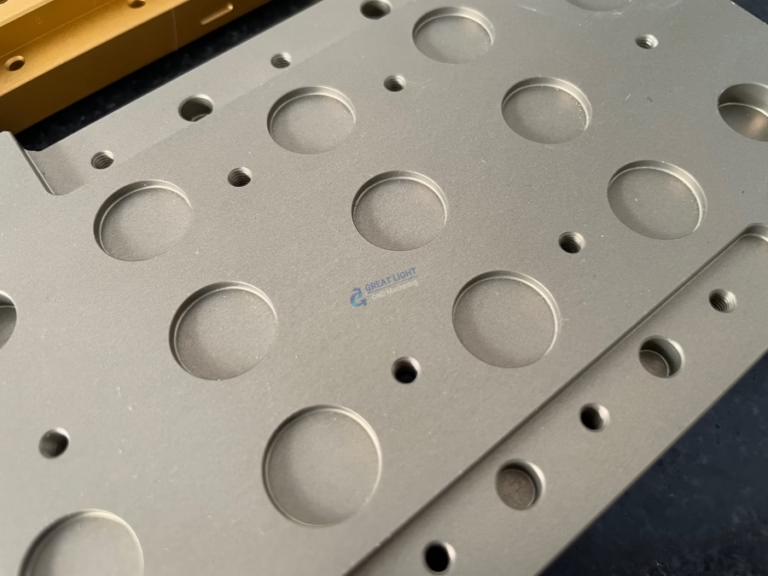
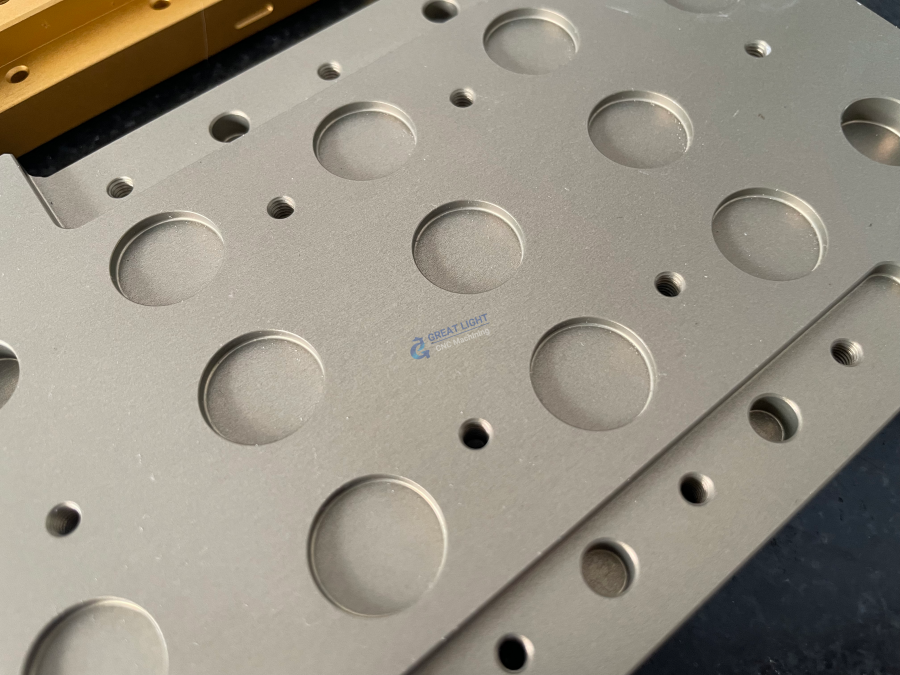
Finish with Expertise: Perform precision deburring, followed by electropolishing to achieve the required sterile-grade surface finish and enhance corrosion resistance.
Verify Relentlessly: Inspect every critical dimension on a CMM, ensuring the part meets the demanding print before shipment.
This end-to-end ownership of the value chain is what separates competent machine shops from true manufacturing solutions providers.
Conclusion: Forging a Partnership in Precision
Selecting the right stainless steel CNC machining services companies is a decision weighted with technical and commercial implications. It requires looking beyond the initial price per part to evaluate technological sophistication, systemic quality guarantees, and the willingness to engage as a collaborative problem-solver.
For projects where material integrity, geometric complexity, and absolute reliability are paramount, partnering with an integrated, certified manufacturer with a proven track record is the most prudent path. It is in this demanding arena that companies like GreatLight Metal demonstrate their value, transforming the inherent challenges of stainless steel into opportunities for innovation and excellence. By choosing a partner with both the hard assets and the soft engineering intelligence, you secure not just a supplier, but a cornerstone for your product’s success. To explore the capabilities of a partner dedicated to this level of precision manufacturing, consider connecting with industry leaders on platforms like LinkedIn.