The Precision Prowess of CNC Machine Probing: An In-Depth Look
In the realm of computer numerical control (CNC) machining, precision is paramount. For machines to operate with optimal efficiency and accuracy, precise detection and measurement of workpiece positions are essential. This is where CNC machine probing comes into play – a critical process that enables machines to verify the accuracy of their locations and adjust accordingly. In this article, we’ll delve into the principle of work of CNC machine probing, exploring the benefits, types, and technical aspects of this critical process.
What is CNC Machine Probing?
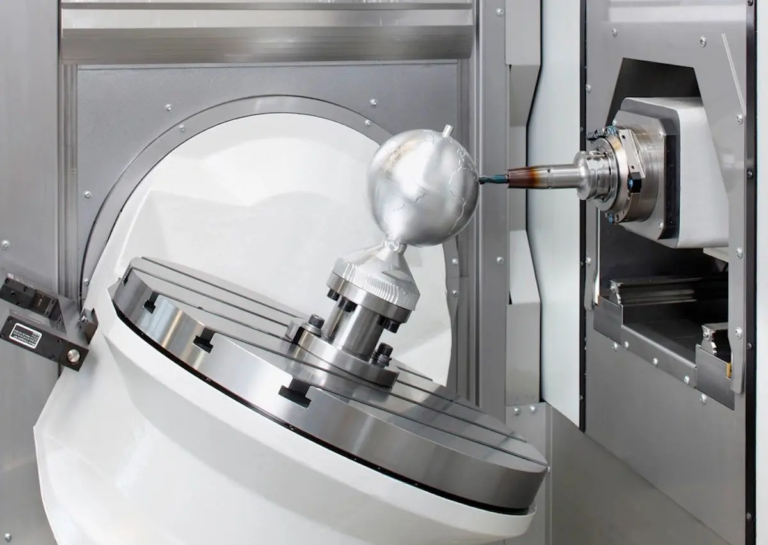
CNC machine probing is a technique used to detect the position of a workpiece relative to the machine’s reference system. This process is typically performed using a probe, which is an optional attachment that can be integrated into various CNC machine types, including milling machines, turning machines, and grinding machines. The probe is designed to detect the presence or absence of a workpiece, as well as its position, size, and shape.
Principle of Work
The process of CNC machine probing relies on a simple yet effective principle: the probe is guided by a precise motion system, which consists of a combination of linear and rotary axes. The probe is typically equipped with a touch-sensitive tip, which is designed to respond to contact with the workpiece. When the probe comes into contact with the workpiece, it sends a signal back to the CNC machine’s control system, which interprets the signal as a specific coordinate or position.
Types of CNC Machine Probing
There are several types of CNC machine probing, each with its own unique characteristics and applications. Some common types include:
- Touch Probing: This method involves using a physical touch-sensitive probe to detect the workpiece’s position and size.
- Optical Probing: This technique employs a camera or other optical sensors to detect the workpiece’s position and shape.
- Inductive Probing: This approach uses an inductive sensor to detect the workpiece’s presence and position.
Technical Aspects
CNC machine probing relies on precise mechanical and electrical movements, ensuring accuracy and reliability. Here are some key technical aspects to consider:
- Motion Systems: The probe’s motion system must be smooth, precise, and reliable to ensure accurate detection.
- Sensors and Electronics: The probe’s sensor and electronic components must be selected for optimal performance, including signal processing, amplification, and filtering.
- Control Systems: The CNC machine’s control system must be designed to interpret the probe’s signals correctly, ensuring accurate positioning and movement.
Benefits of CNC Machine Probing
The benefits of CNC machine probing are numerous:
- Improved Accuracy: Probing ensures precise detection of workpiece positions, reducing errors and improving overall accuracy.
- Increased Efficiency: Probing enables faster and more efficient production by automating tedious calibration processes.
- Reliability: Probing reduces the risk of human error, ensuring consistent results and minimal rework.
Conclusion
CNC machine probing is a critical component of modern manufacturing, enabling machines to operate with precision and accuracy. By understanding the principle of work, types, and technical aspects of probing, manufacturers can optimize their production processes, improve efficiency, and enhance product quality. In the world of CNC machining, precision is key, and probing is an indispensable tool in achieving this goal.