
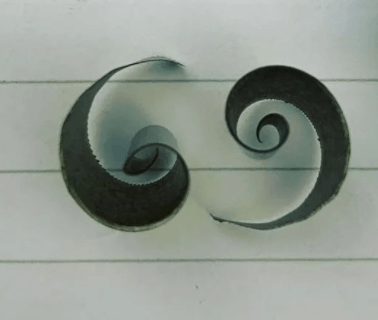
Whether it is the way the selection of tools affects dandruff and how to play a role in crumbs, or to see the size and shape of crumbs, film formation has a great impact on treatment. Understanding different dandruff details can better manage the formation of dandruff, adjust and prevent damage knives. Because a good film formation can make treatment more fluid.
1
The shape and size of the dandruff
When you visualize the formation of dandruff, the key indicator of good fleas is the form. The favorite shape of any application is 6 and 9 or a single coat -shaped film. These small chips are very important for high efficiency drilling. However, it is important to understand what other forms and sizes represent. For example, straight flat dandruffs are elastic materials. If dandruff is a continuous section, many adjustments may be necessary to obtain ideal dandruff.
The film size can also affect dandruff. There are two main factors affecting the size of the chip: the grooves of broken dandruff, also called dandruff grooves, and geometric shapes of blade. With the groove of dandruff, the width of crumbs becomes thinner and easy to discharge; The easier the crumbs, the easier it is to drive it and break it itself. The geometric shape of the edge acts like grooves of broken dandruff and crumbs of curling damage The dandruff bend on its top or by impact dandruff on the back of the edge radius. Although the hardest materials will complete the chips on its own to cause crumbs, the softer materials generally jump the edge radius and will only break behind the edge department.
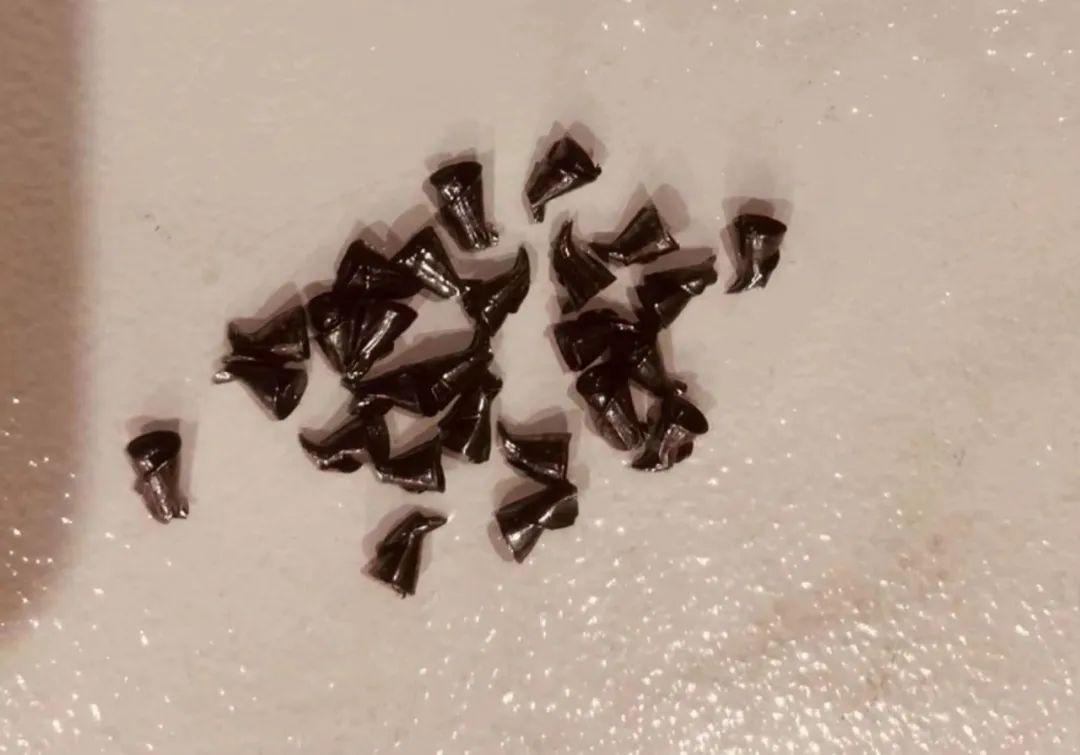
Nevertheless, the aim of combining the grooves of broken dandruff and the positive shape of the border is to cut the dandruff to make it narrow enough to unload easily. Due to the poor speed of crumbs, the discount fragmentation can occur naturally. Since the large diameter blade has a higher speed than a small diameter blade, it is easier to break the dandruff, that is to say, the more the spacing of the mie groove, The more crumbs there are. The small diameter blade is limited to the poor speed difference, which is due to the limit of the scratch width necessary to easily unload the dandruff through the handle channel.
2
Dandruff
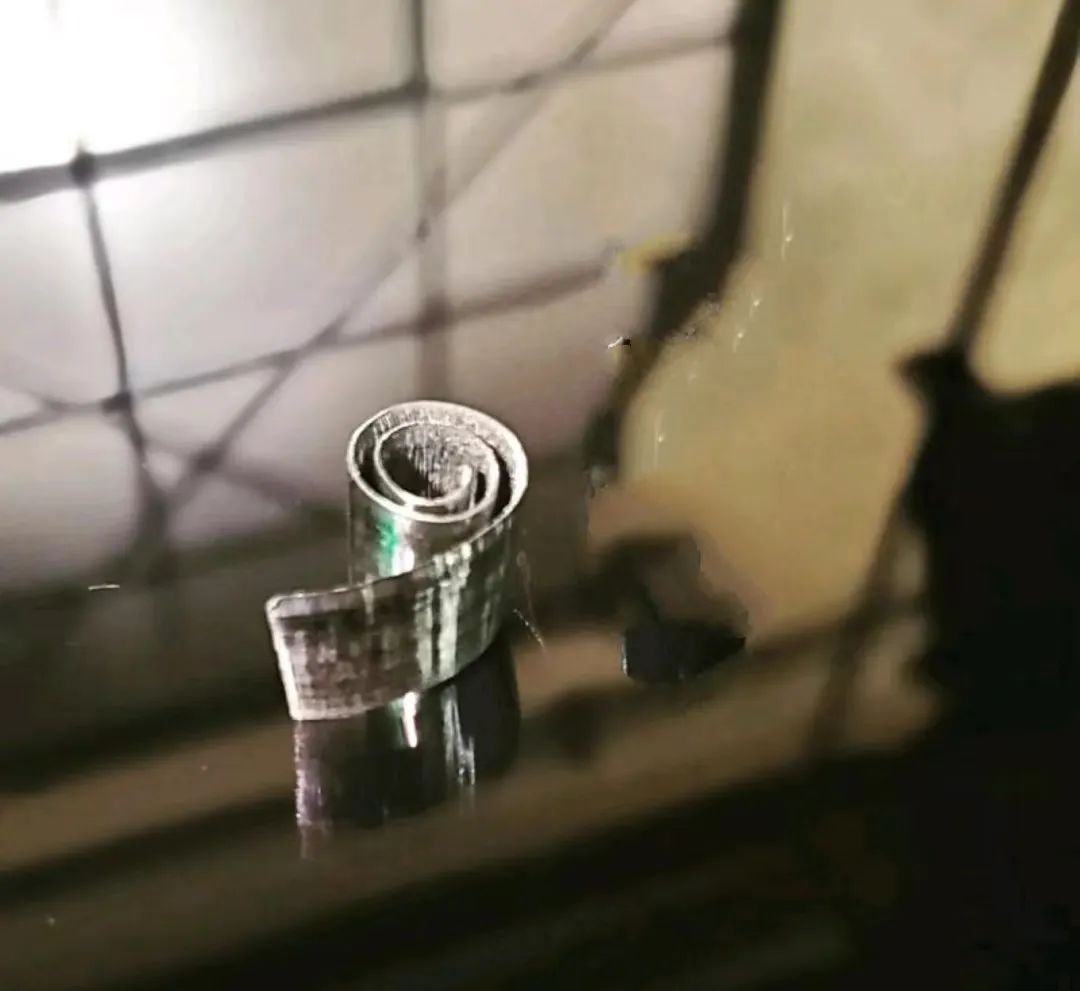
The thickness of the dandruff changes with the speed of the power supply; The thickness of dedication determines how the dandruff break, but also depends on the materials treated. At the same time, the change in speed will affect the thickness of the crumbs; The higher the speed of the tool, the more the calories are generated in the cut, which makes the material more flexible. Therefore, the balance between speed and power is necessary. For many materials, thicker dandruff means that there are greater opportunities to exceed the elastic limit of the material, thus increasing the possibility of crumbs and fragments; Discounts must be more distant. Soft viscosity materials, such as soft carbon steel, stainless steel in the 300 series or pure titanium, have a high elastic limit, so that the increase in the thickness of the dandruff will have a negative impact On dandruff. Materials like this require specific marginal geometric shapes to accept dandruff.
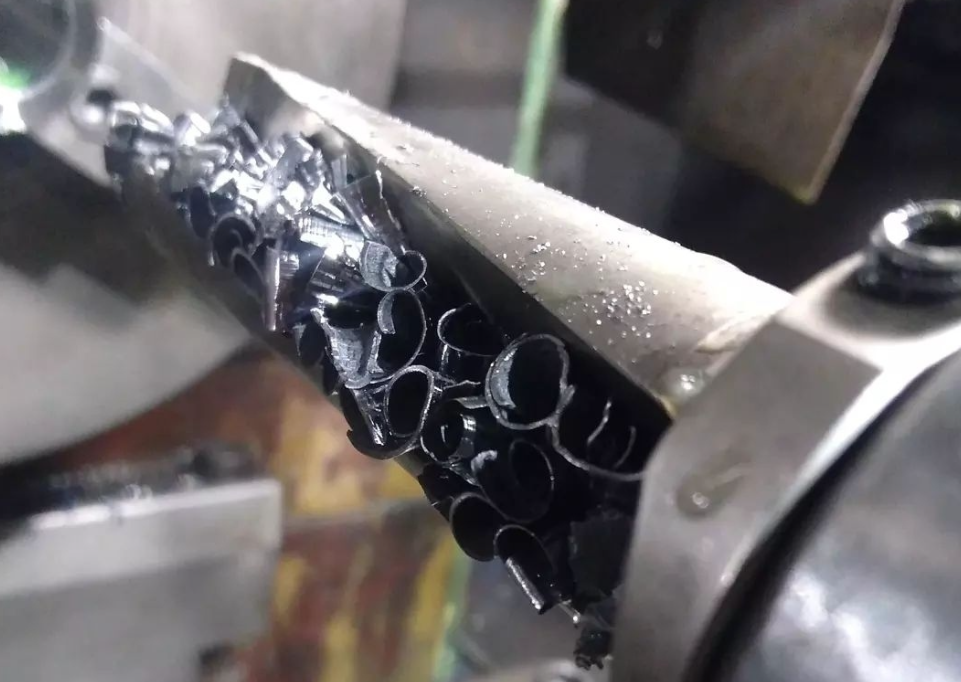
However, the key is to see the rate of deformation of the film of the material to better understand the thickness of the crumbs. The rate of deformation of the dandruff can be defined as the ratio of the thickness of deformation cutting to the thickness of the dandruff (power rate) without deformation. For most steel, this report is generally 2 to 3: 1; But at the end, the measurement value is an indicator of the cutting shape and elasticity in the cutting material.
3
Coolant
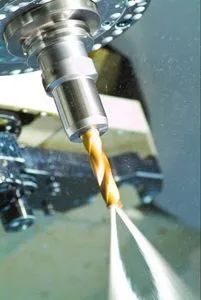
In terms of cooling fluid, the cooling fluid used with the geometric shape of the correct platform is essential for the formation of optimal dandruff. In addition, the modification of the type of cooling, pressure and volume liquid will affect the hot shock of crumbs. This can change the characteristics of crumbs and make them more or less divided into managed parts. For example, due to the hardening of stresses when the elastic dandruff of the cooling liquid cool quickly, the cooling liquid will reduce the elasticity of the material. Cooling formed by elasticity and continuous dandruff by reducing its elasticity limit to raw crumbs to a break. For crumbs, pressure and volume of the cooling solution are significant. In order to unload a certain volume of dandruff, the accumulation of cooling fluid provides a certain amount of kinetic energy. As long as there is a sufficient amount of cooling liquid, you can continue to drill from the top of the hole. When the quantity of cooling liquid is insufficient, the load monitored during the borehole will also give an early warning. Although this does not mean that drilling cannot be carried out in the case of insufficient cooling liquid, this indicates that the drill must be modified to adapt to the environment.
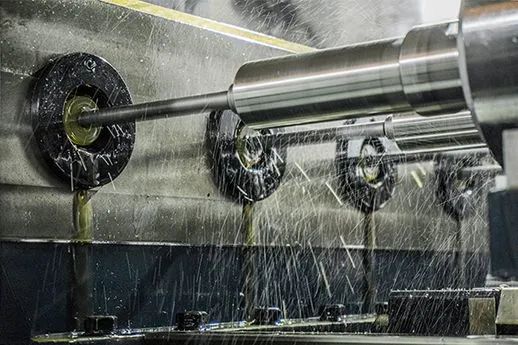
On the other hand, the pressure is the force behind the coolant, which provides a fixed volume of coolant through a given diameter. When the cooling liquid pressure increases through a fixed diameter of the cooling liquid hole, the accumulation of cooling liquid will increase. When the diameter of the drill is low, the pressure of the high cooling liquid is necessary to provide a sufficient amount of cooling fluid, but as the diameter of the drill increases, the amount of high cooling solution becomes more necessary than high cooling liquid pressure. In high -efficiency drilling (in particular the drilling of deep holes), it is important to use the inner cooling liquid of the knife, as it provides a force up on the crumbs to help crumbs get out of dirt of iron and out of the hole. Although in the application of short diamonds below the double of the diameter, it can be used to replace the internal treatment of cold pores (because the opening is not too deep), but in a deep hole, the method of Treatment of external cold will not promote good.
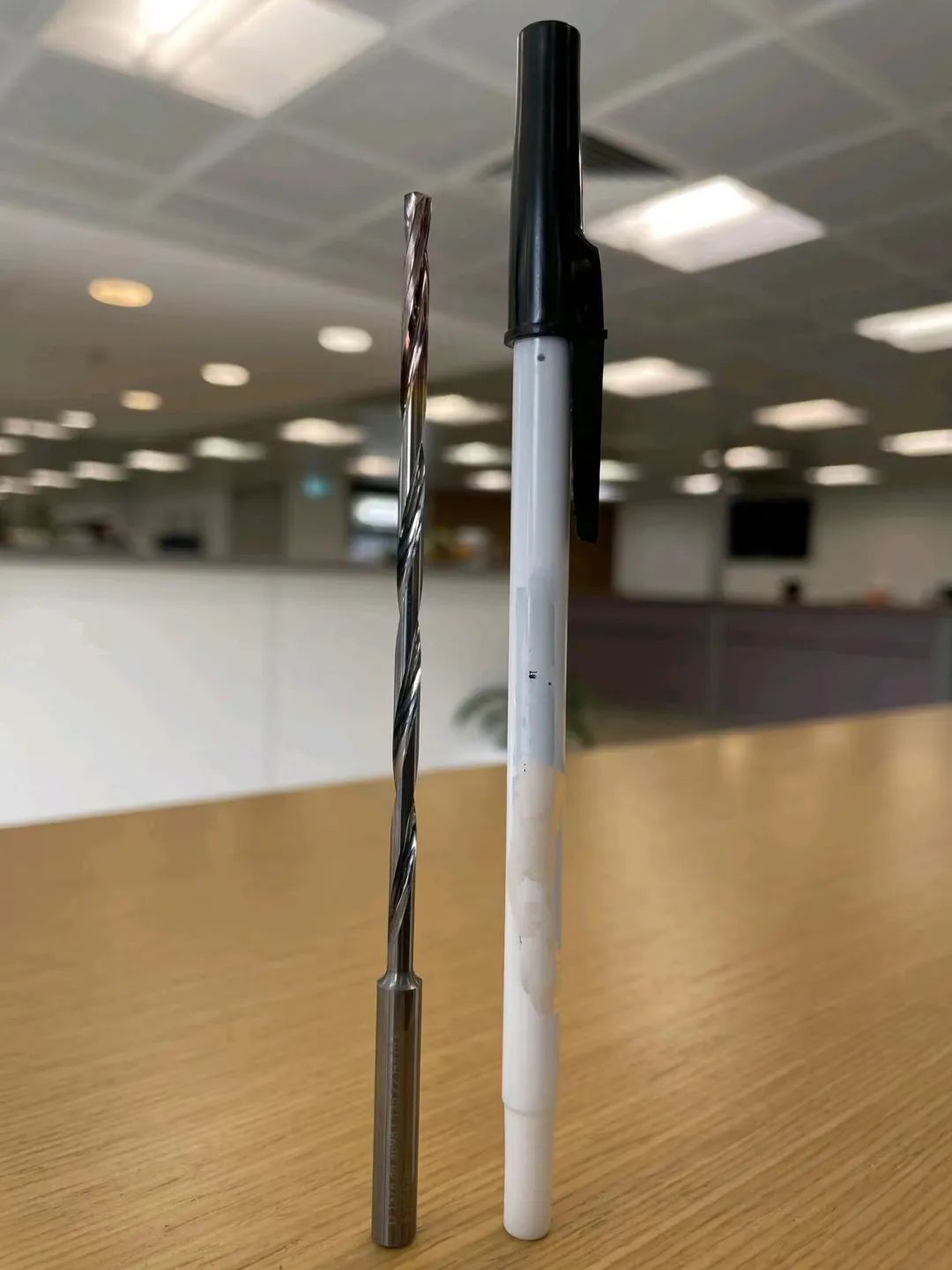
Given the calorie factors, the cooling liquid for the inner cold drill is also important because it directly provides the coolant to the cutting blade which needs the cooling tool. During treatment, 60% of the calories generated by the plastic deformation of the material are left on the formed sannes, and the remaining 40% remain on the tool and the part. The part that remains on the tool must be removed with a cooling solution to have enough knife life. When more pressure and liquid cooling volume can pass the knife, the temperature of the tool will not increase. This means that it will effectively improve the lifespan of the tool and improve the efficiency of treatment.
4
Selection of tools
The formation of dandruff can also show whether the most appropriate knife is used. If the formation of dandruff does not meet the standard, the geometric shape of the knife can be modified to improve the situation. Obviously, the geometric shape of the cutting tool has a significant impact on fleas. More specifically, the increase in the front angle (rake angle) can improve the formation of shavings, but this is expensive, because the greater the angle, the more fragile the cut blade. The front angle also has a large impact on the value of the cutting surface angle. Here, the material begins to deform or shapes dandruff before cutting the blade. For the characteristics of the materials and the cutting parameters, the angles are different;
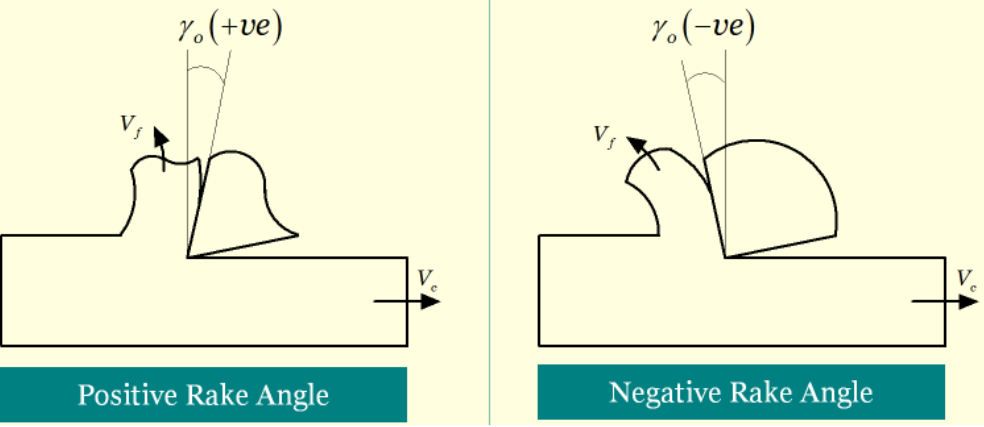
The thickness of dedication also plays a role here. The greater the elasticity of the material, the steep the corner of the cutting surface, which will produce finer shavings. On the contrary, the more difficult the material, the more flat the cup surface corners, which means that the more thick crumbs. Overall, a larger front corner means a larger shear angle, which means better chips, but balance here is also the key. The real sophisticated cutting blade will generate a lot of dandruff, but because the cutting blade is small and the cutting blade is low, it will break, it is therefore necessary to find a relatively suitable angle in the front area.
5
Dandruff
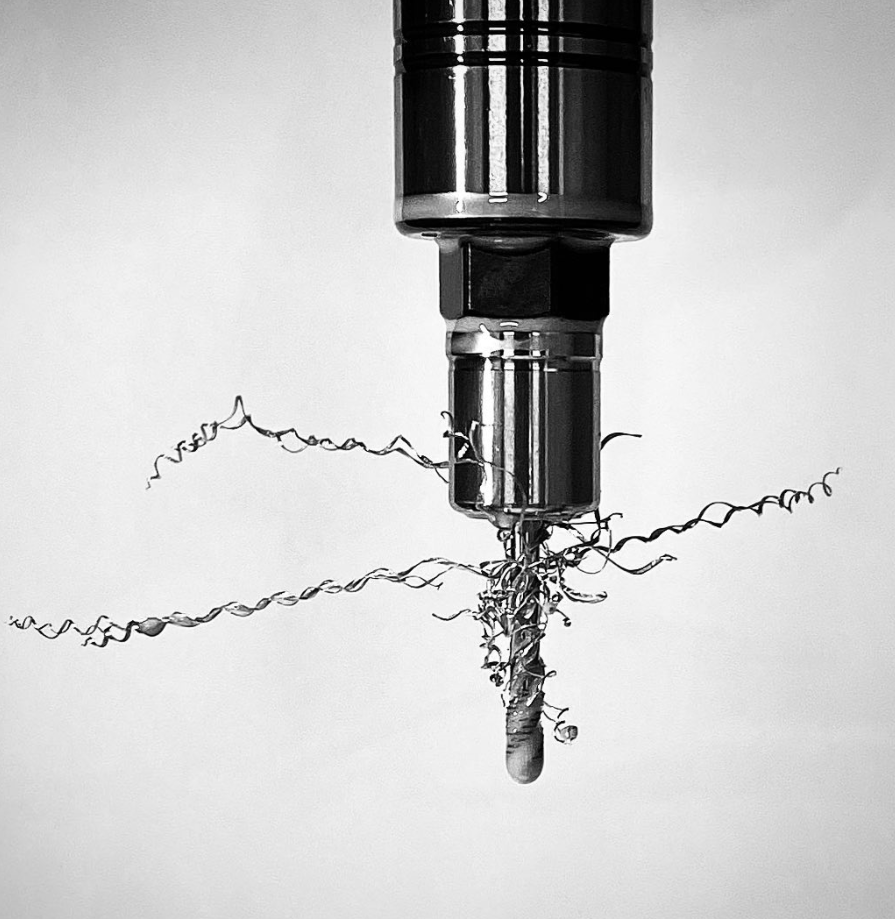
The last thing to pay attention when checking the dandruff is any change of fleas. If dandruff change in real treatment, it can be caused by several factors: knife wear, tumor for accumulation of tools or environmental changes, such as changes in coolant or material. In a new use, it is best to pierce the test hole first and check the chips to make sure they are small and segmented. At first, the speed and conservative food also helped to better understand the formation of dandruff and the necessary adjustments.
However, this is the key to understanding any change in fleas. Poor film formation will cause major problems in drilling applications. Long and continuous crumbs are difficult to discharge, and they can be stacked in iron welds to damage the exercise. These long film can also be wrapped in the drill and causes the knife to fail. Finally, poor film formation will affect the quality of the hole. If the crumbs are dragged or accumulated in the groove, the softness of the hole will be poor. Note that any change in the formation of dandruff is not only important for the life of the knife and the quality of the holes, but it is also important for the overall success of the application.
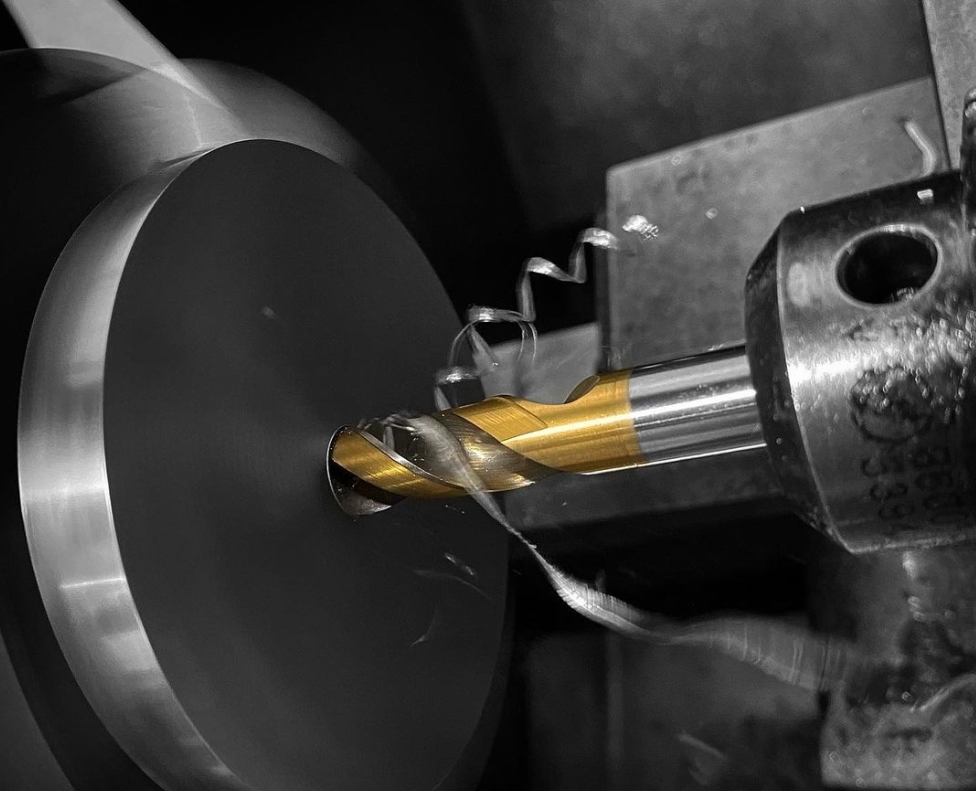
Know the crumbs formed in any metal cutting application so that the staff on the site can better control the results and success of drilling operations. Although it is necessary to check the size, shape and thickness of the dandruff, understanding how changes in the coolant, the selection of tools and dandruff are as important as the application. Therefore, please check the formation of dandruff and decompose dandruff one by one, because the formation of correct dandruff and the right dandruff is always necessary for the treatment of holes.
Daguang focuses on providing solutions such as precision CNC machining services (3-axis, 4-axis, 5-axis machining), CNC milling, 3D printing and rapid prototyping services.



















