Pakistan’s CNC Revolution: Unlocking New Boundaries of Manufacturing
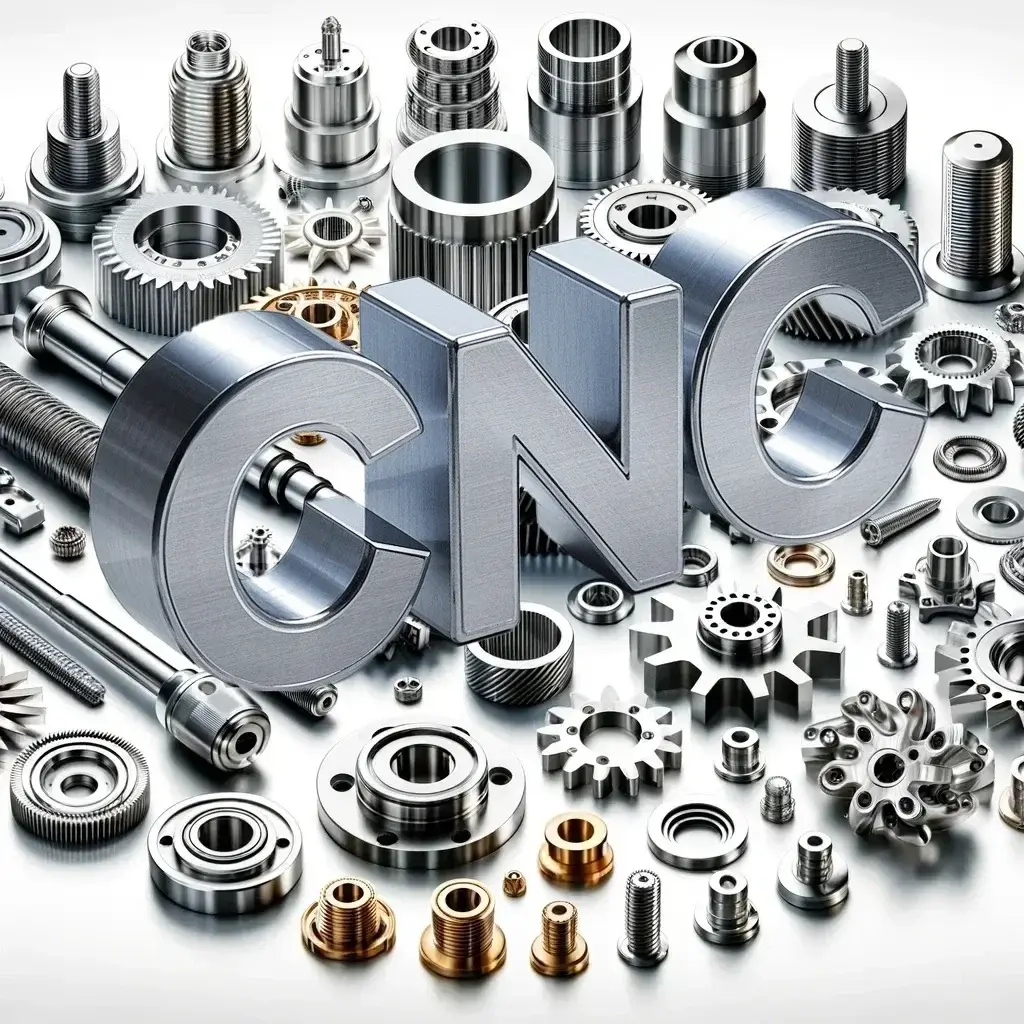
Pakistan’s manufacturing industry has experienced a major shift in recent years driven by CNC (Computer Numerical Control) technology. CNC machining services revolutionize the way parts are designed, produced and completed, allowing local manufacturers to compete globally. In this blog post, we will explore the impact of CNC Revolution on Pakistan’s manufacturing industry and its future prospects.
CNC Revolution: A brief overview
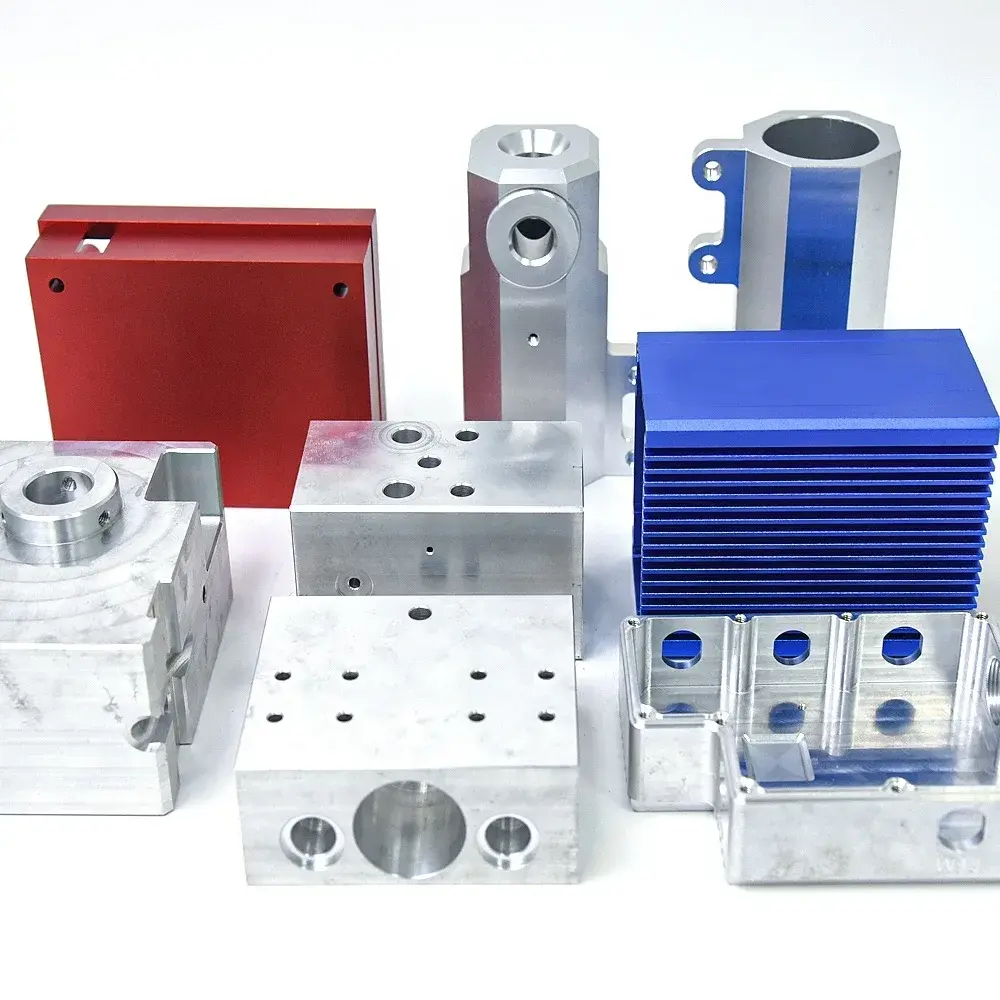
CNC technology uses computer-controlled machines to manufacture parts at precision and speed. The technology has been widely used in developed countries for decades, but has been slower in Pakistan. However, the use of CNC machinery has surged over the past few years, driven by the government’s efforts to promote local manufacturing and growing demand for high-quality products.
Benefits of CNC machining
CNC machining offers a variety of benefits, including:
- Improved accuracy: CNC machines can produce high-precision parts, thereby reducing the need for rework and improving overall efficiency.
- Increase speed: Compared to traditional manual machining methods, CNC machines can run at a faster speed, allowing manufacturers to meet growing demand.
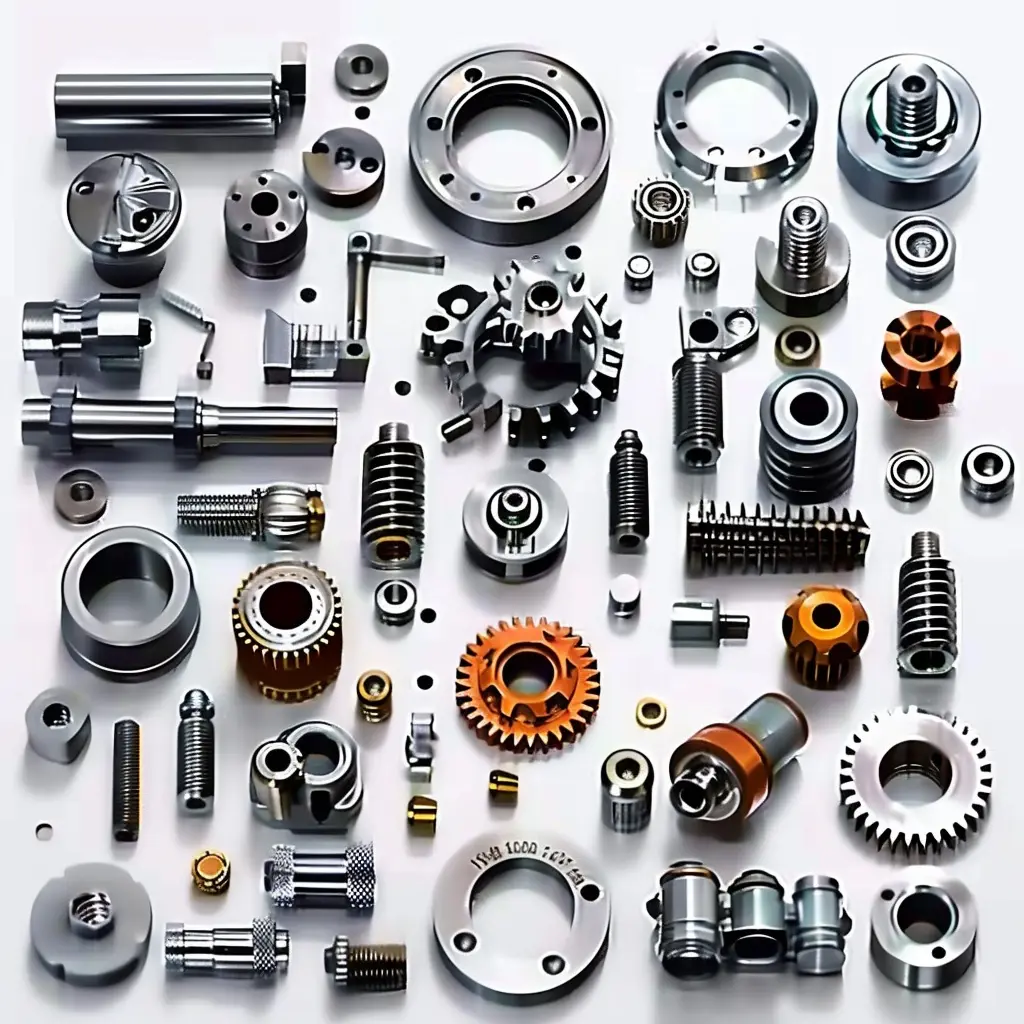
- A diverse range of products:CNC Technology can produce complex parts and custom products, opening up new opportunities for Pakistani manufacturers.
- Save costs: CNC machines can reduce production costs by minimizing waste and improving product quality.
Impact on Pakistan’s manufacturing industry
The CNC revolution has had a significant impact on Pakistan’s manufacturing industry, including:
- Improve competitiveness: Pakistani manufacturers are now able to produce high-quality products at competitive prices, making them more attractive to domestic and international customers.
- Create jobs: The demand for skilled workers in CNC operations creates new job opportunities, especially for young Pakistanis.
- Export growth: Adopting CNC technology has enabled Pakistani manufacturers to export more products, diversify their customer base and increase revenue.
- Innovation and R&D: The CNC revolution encourages innovation and research in manufacturing and promotes the development of new products and technologies.
Future prospects of Pakistan’s CNC industry
With the development momentum of the CNC revolution, Pakistan’s manufacturing industry is expected to develop and develop further. To build on this momentum, the government and the private sector must:
- Invest in CNC training and education: Developing a skilled workforce is critical to the continued adoption and success of CNC technology.
- Promote cooperation and innovation: Encourage partnerships between manufacturers, researchers and industry associations will drive innovation and entrepreneurship.
- Development infrastructure: Investing in infrastructure, such as CNC training centers and manufacturing facilities, will enable the industry to expand production and exports.
FAQ:
Q: What is CNC technology?
A: CNC technology uses computer-controlled machines to manufacture parts with precision and speed.
Q: What are the benefits of CNC processing?
A: CNC machining provides improved accuracy, improved speed, diversified product range and cost savings.
Q: How did the CNC revolution affect Pakistan’s manufacturing industry?
A: The CNC revolution has improved competitiveness, created jobs, driven export growth, and encouraged innovation and R&D.
Q: What is the future prospect of Pakistan’s CNC industry?
A: The CNC revolution is expected to continue, creating new jobs, driving innovation and stimulating export growth, provided that government and private sectors invest in CNC training, collaboration and infrastructure development.