Understanding Mirror Discharge Machining (MDM) for Beveled Teeth
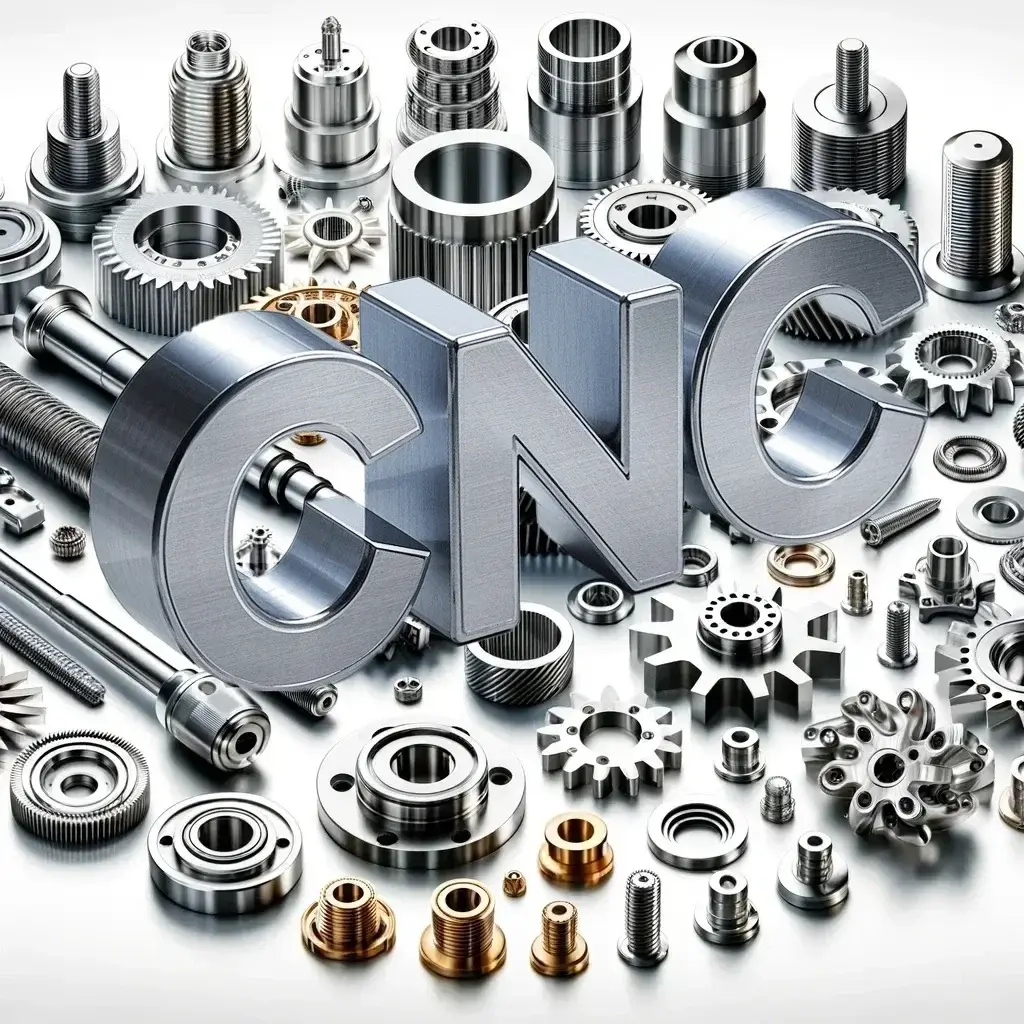
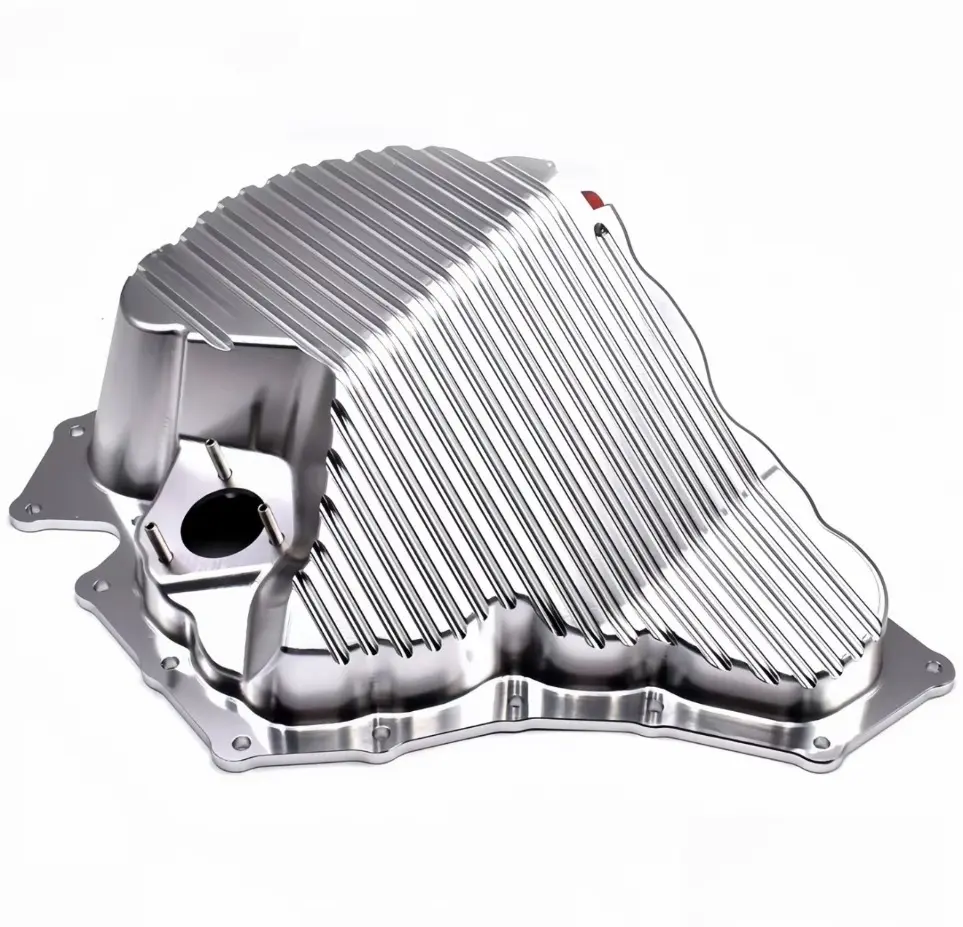
Mirror discharge machining (MDM) is an advanced method of machining that is increasingly gaining prominence in the manufacturing sector, particularly in the creation of intricate features such as beveled teeth on mechanical components. This unique process, a subset of electrical discharge machining (EDM), has redefined precision manufacturing, enabling the production of complex geometries with high fidelity. In this article, we’ll explore the intricacies of mirror discharge machining, its applications in making beveled teeth, and its overall impact on the field of CNC machining.
What is Mirror Discharge Machining?
Mirror discharge machining utilizes electrical discharges for material removal, enabling the creation of highly reflective surfaces on conductive materials. The technique involves using a shaped electrode that generates multiple controlled discharges, effectively forming a desired profile on the workpiece. The word "mirror" refers to the resulting surface’s smoothness and finish, which can resemble that of a mirror due to the precision of the technique.
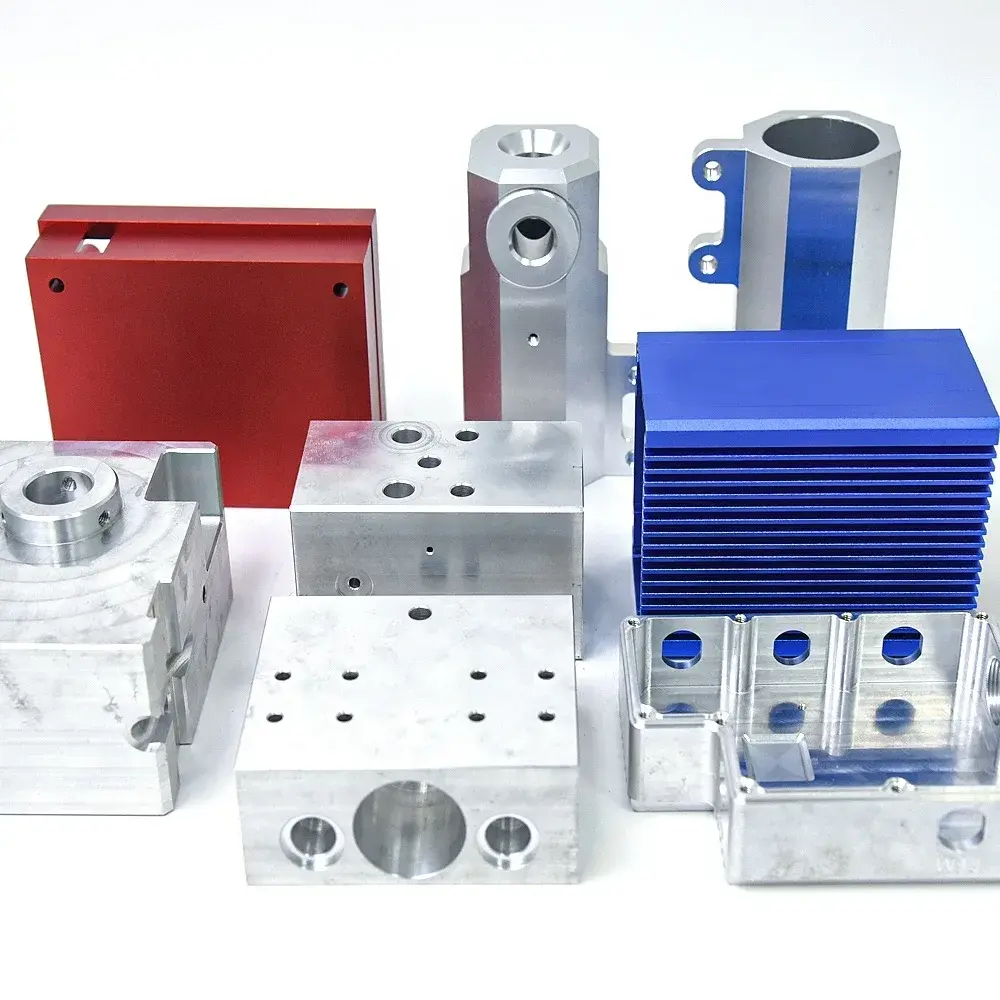
MDM is particularly significant in CNC machining, as its capabilities enhance the overall effectiveness of 5-axis CNC centers. The 5-axis machines can manipulate tools and workpieces in multiple dimensions simultaneously, achieving complex shapes and high accuracy.
Applications of MDM in CNC Machining
The ability to create intricate shapes and patterns makes MDM an ideal candidate for a variety of applications in the CNC machining field:
1. Manufacturing Beveled Teeth
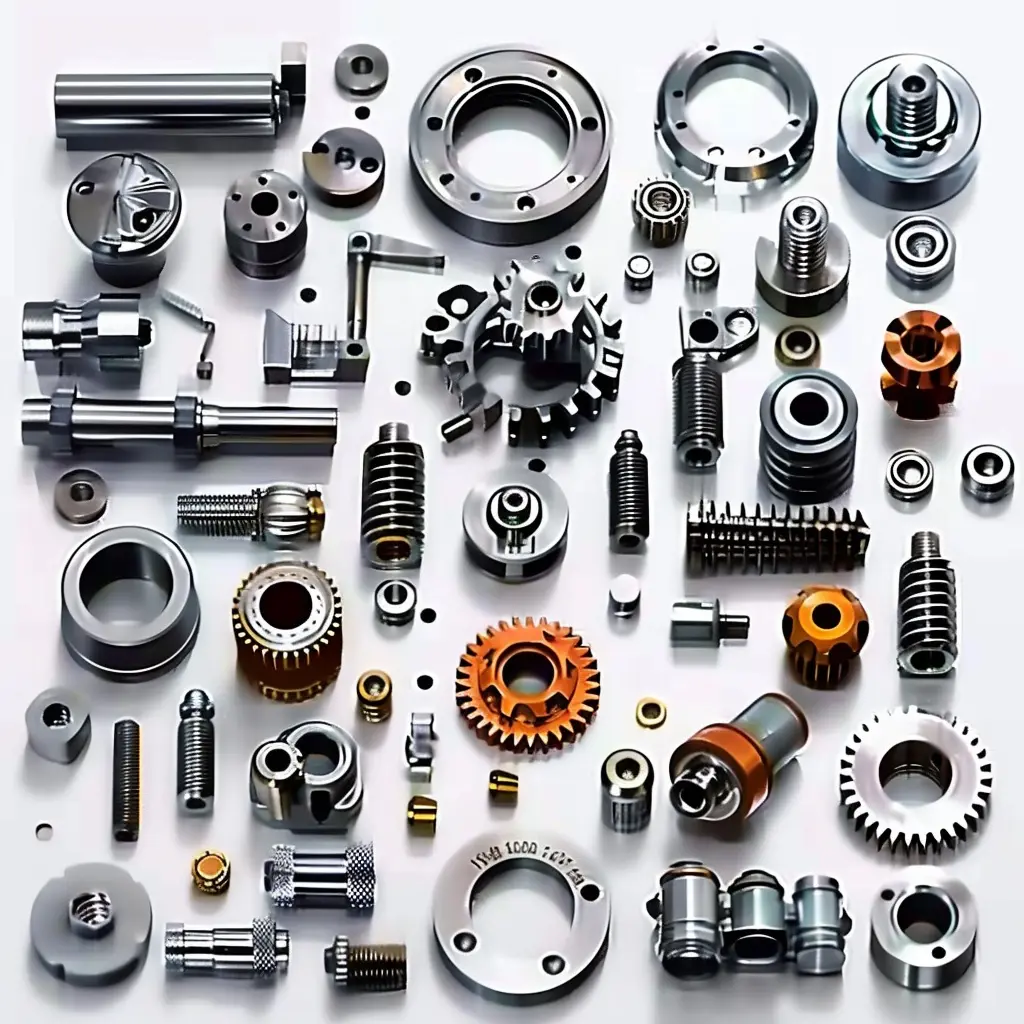
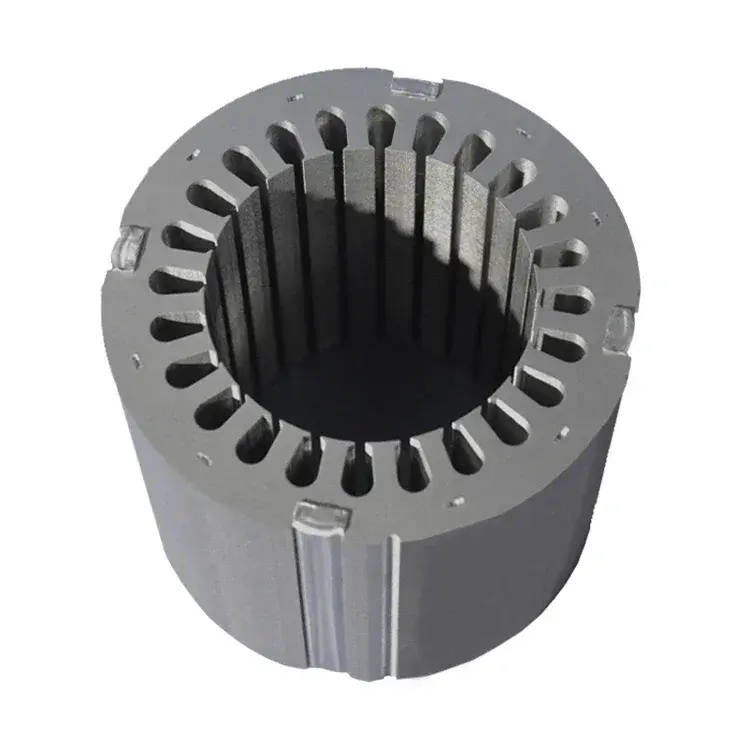
One of the most common applications of mirror discharge machining is in the production of beveled teeth. Beveled teeth are crucial components in numerous machinery and mechanisms, including gear systems, camshafts, and rotary switches. Their design often requires precise angles and smooth surfaces for optimal meshing and functionality.
MDM enables the production of these beveled teeth with extraordinarily tight tolerances, resulting in enhanced performance and longevity. For instance, in the automotive industry, a car’s transmission relies heavily on gears with beveled teeth. The precision of MDM allows for smoother engagement and reduction in wear over time.
2. Aerospace Components
In aerospace, where weight reduction and structural integrity are paramount, the design of components often necessitates intricate features such as beveled teeth for gear systems, couplings, and other assemblies. MDM provides the accuracy required to meet the stringent specifications of this industry while ensuring that parts can endure the stresses of flight.
3. Medical Devices
The medical device manufacturing industry also benefits greatly from the application of MDM. Beveled teeth often appear in the mechanisms of surgical instruments and implants, where precision and safety are of utmost importance. Utilizing MDM results in components that have high dimensional stability and biocompatibility, vital qualities for this sector.
The Advantages of Mirror Discharge Machining
MDM has several distinct advantages over traditional machining methods:
1. Superior Surface Finish
The most notable advantage of mirror discharge machining is the exceptional surface finish it can achieve. The controlled discharges can remove material with such precision that the resulting surface is almost mirror-like—hence the name. This quality is particularly beneficial in applications where friction reduction and wear resistance are critical.
2. Complex Geometries
MDM enables the manufacture of complex geometries that may be difficult or impossible to achieve with traditional machining methods. The versatility of shaping electrodes allows for the creation of intricate designs, making it a favorite among designers and engineers.
3. Increased Tool Life
The minimal mechanical force involved in MDM reduces the wear and tear on cutting tools and workpieces compared to traditional machining. This, in turn, leads to extended tool life, lower costs, and improved efficiency in large-scale production environments.
4. Material Versatility
MDM can be utilized on various conductive materials, including hard metals that are challenging to machine with conventional techniques. This expands the range of possible applications and material choices for manufacturers.
The Role of CNC Machining in MDM
CNC (Computer Numerical Control) machining has revolutionized the manufacturing industry, allowing for automated and precise control of machining operations. When integrated with MDM, CNC technology enhances the capabilities of mirror discharge machining in several ways:
1. Precision Control
CNC machines allow for precise control of electrode movement and workpiece positioning during the MDM process. This level of control is crucial in achieving the tight tolerances required for beveled teeth.
2. Complex Programming
With 5-axis CNC machining, manufacturers can program intricate and complex designs into the machinery. This capability streamlines production and reduces the likelihood of errors, making MDM an efficient choice for producing parts with beveled teeth.
3. Automation and Efficiency
The automation that CNC machining provides translates into higher efficiency rates and reduced labor costs. MDM can be programmed to operate uninterrupted once set up, leading to significant time savings in production cycles.
Challenges and Considerations
Despite its advantages, mirror discharge machining does come with challenges that manufacturers must consider:
1. Initial Setup Costs
The upfront costs associated with setting up MDM systems can be quite high. This includes the investment in specialized equipment and training for operators familiar with the technology. However, these costs can often be offset by the long-term savings in tool life and efficiency.
2. Material Limitations
While MDM is excellent for conductive materials, its application is limited to those materials only. Non-conductive materials require different machining techniques, which could involve additional processing steps.
3. Maintenance Requirements
MDM systems require regular maintenance to ensure their continued accuracy and efficiency. This involves monitoring the electrodes, adjusting the parameters, and addressing any wear and tear over time.
Future of Mirror Discharge Machining
As industries continue to evolve, the demand for precision and efficiency in manufacturing processes is only expected to increase. Mirror discharge machining stands at the forefront of this paradigm shift, promising advancements in technology and techniques that will further enhance its capabilities.
The integration of artificial intelligence and machine learning technologies into CNC machining processes is anticipated to refine the precision and adaptability of MDM systems. This will enable manufacturers to optimize their processes dynamically, improving overall productivity, reducing waste, and lowering costs.
Conclusion
Mirror discharge machining represents a remarkable advancement in the field of CNC machining, particularly for applications involving complex geometries like beveled teeth. Its ability to deliver exceptional surface finishes and intricate designs, combined with the precision control afforded by CNC technology, makes it a necessary tool for manufacturers across various industries. As technology continues to progress, MDM will likely enhance its capabilities, solidifying its role as an essential component of modern precision engineering. Whether in aerospace, automotive, or medical device manufacturing, mirror discharge machining stands poised to meet the demands of tomorrow’s manufacturing challenges.
Daguang focuses on providing solutions such as precision CNC machining services (3-axis, 4-axis, 5-axis machining), CNC milling, 3D printing and rapid prototyping services.