introduce
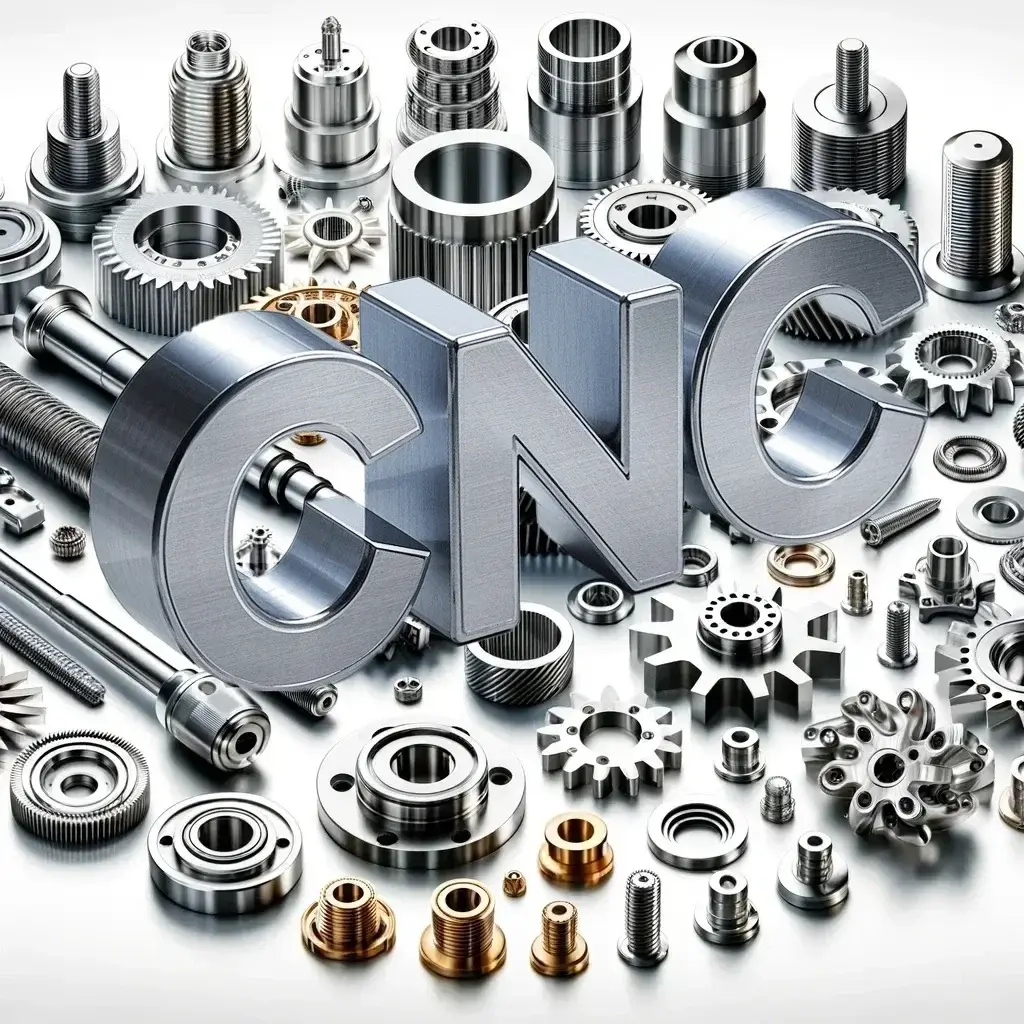
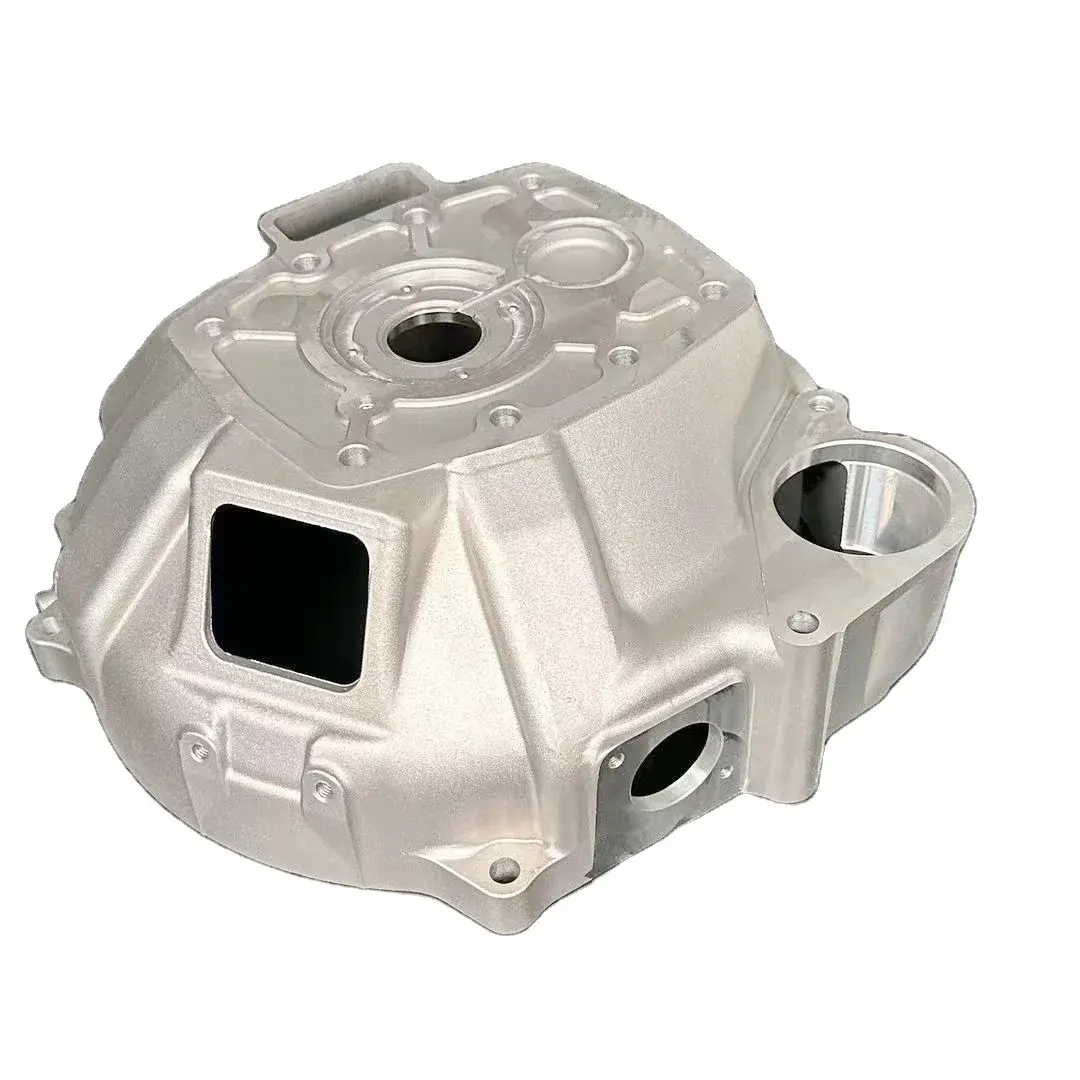
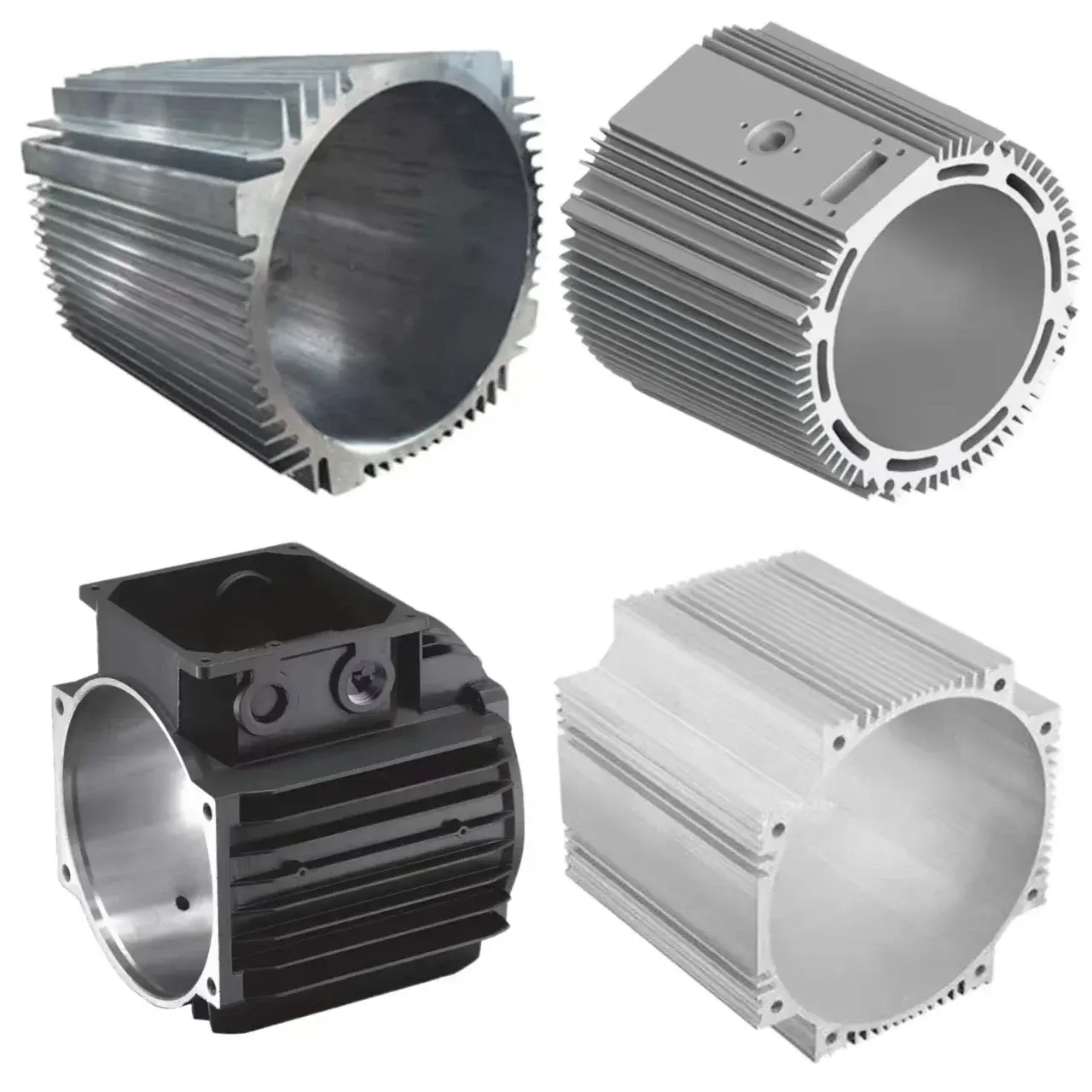
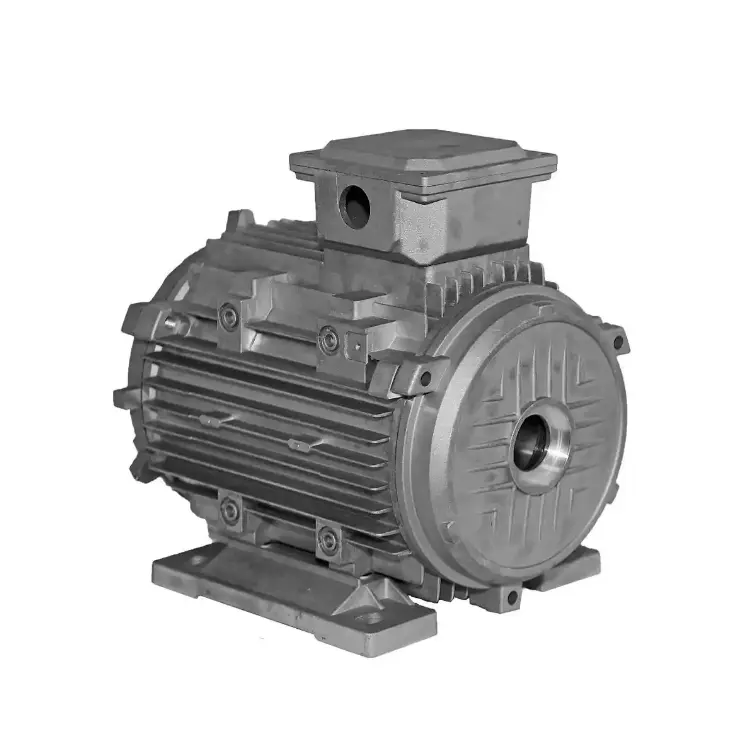
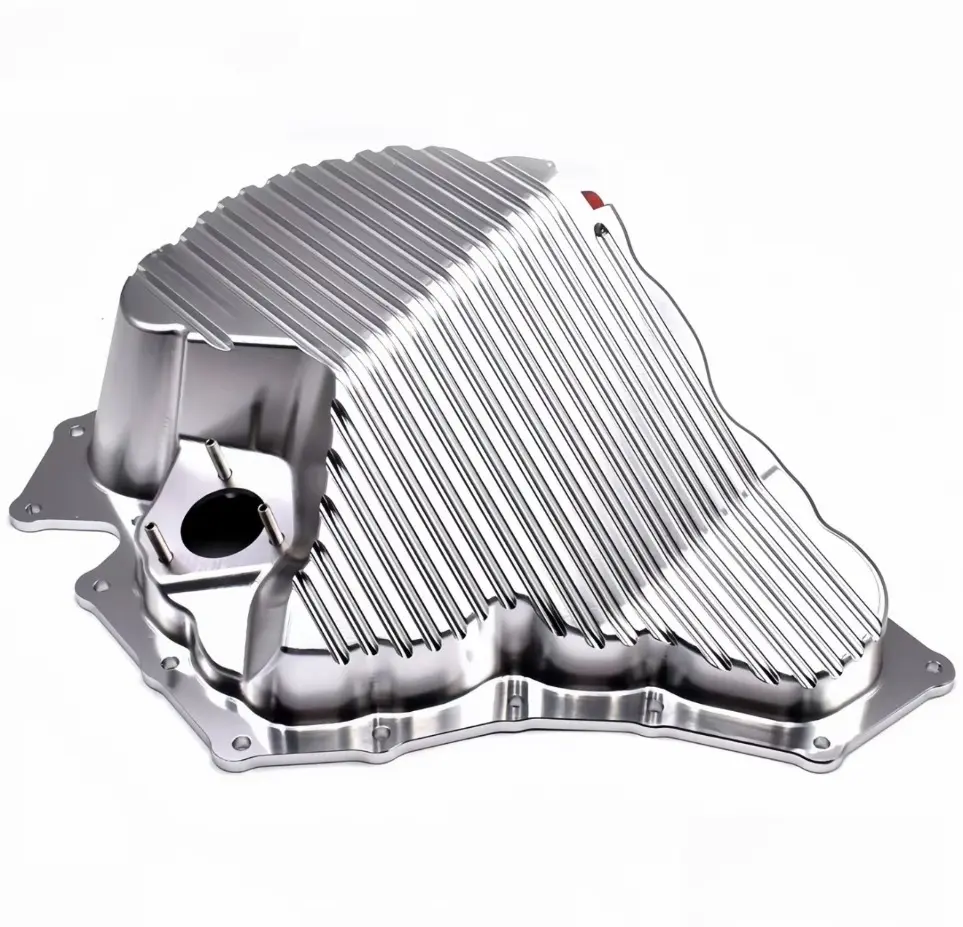
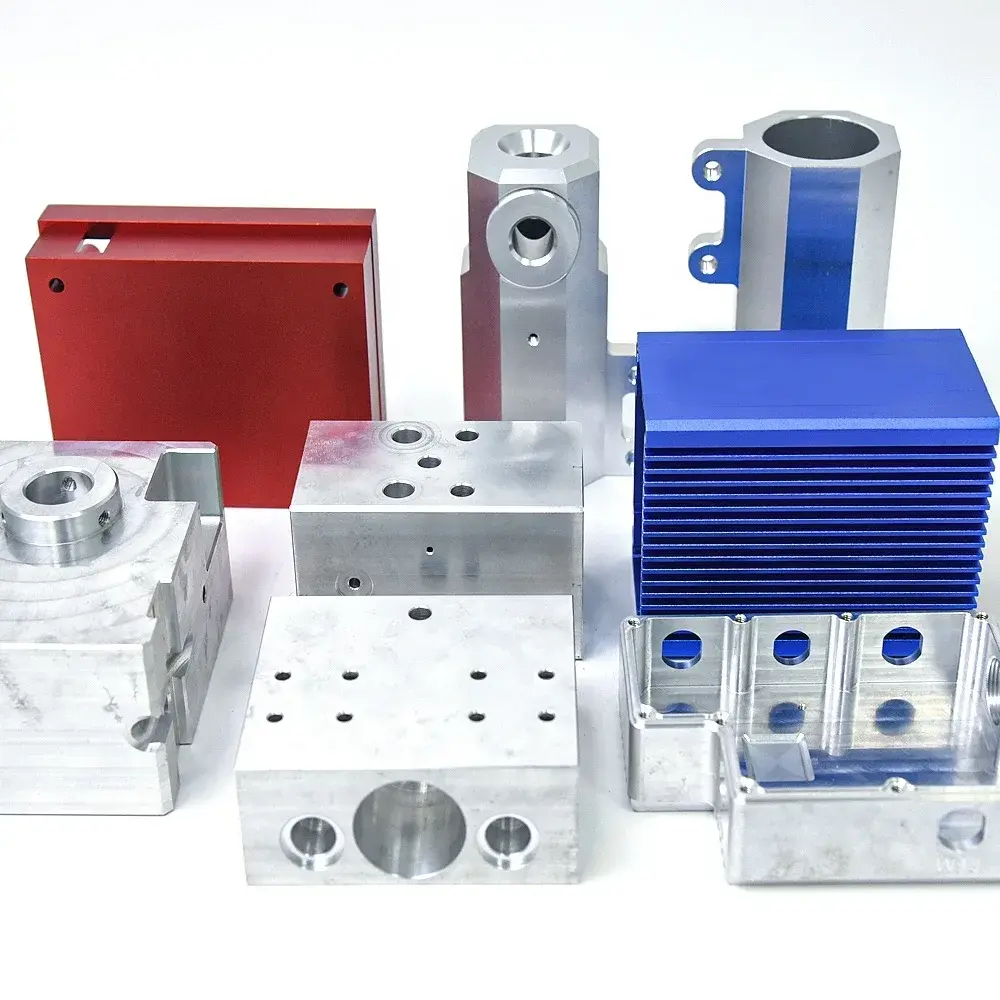
CNC machining has revolutionized manufacturing, enabling the precise production of complex geometries, especially aluminum parts. This guide is designed to provide a comprehensive understanding of CNC machining tailored for aluminum parts, addressing the intricacies of the process, material selection, tooling and best practices to ensure high-quality output.
Learn about CNC machining
What is CNC machining?
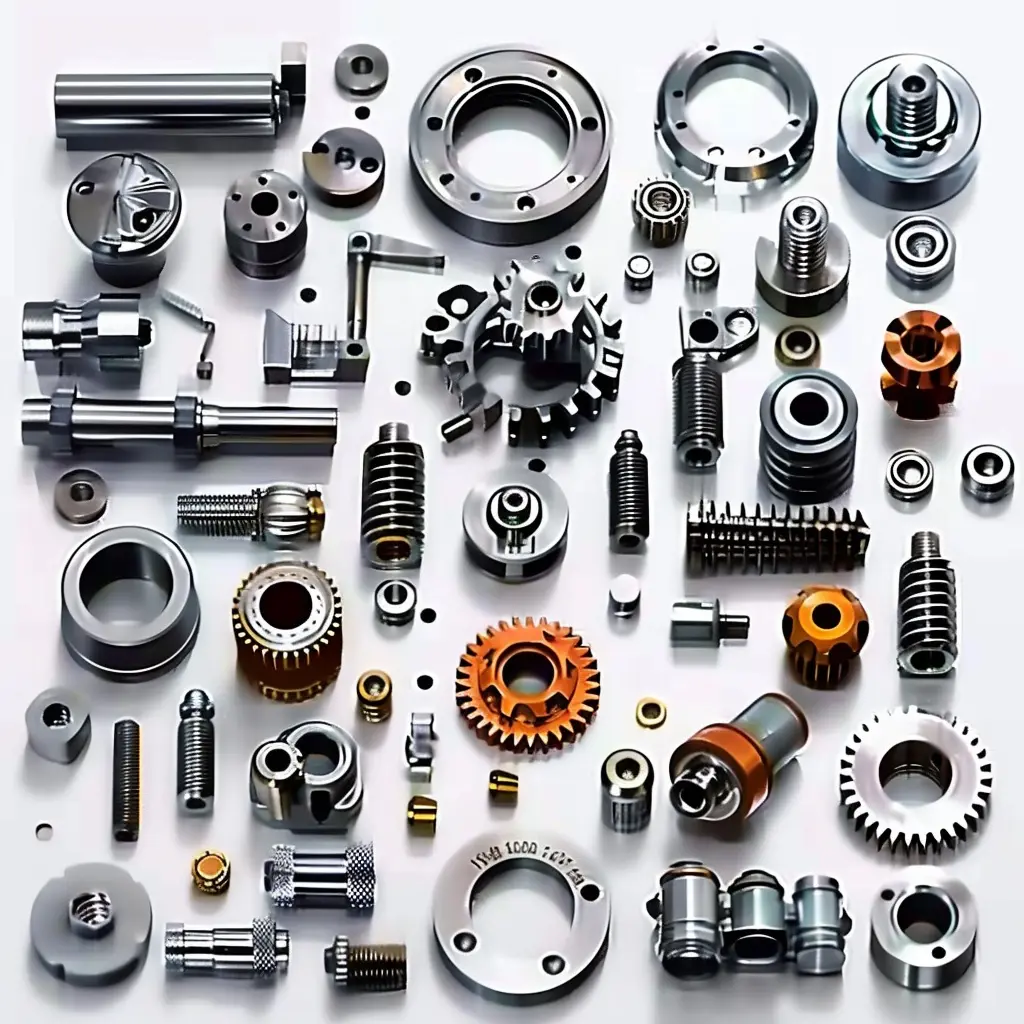
CNC (computer numerical control) machining is the use of computers to automate and control machine tools in the manufacturing process. The process converts computer-aided design (CAD) into a precise series of movements and actions performed by a machine, resulting in a precisely crafted component made of aluminum or other metals.
Importance of Aluminum in Manufacturing
Aluminum is a lightweight, strong, and corrosion-resistant metal, making it the first choice for a variety of applications across industries. Aluminum’s low density allows designs to maintain structural integrity without carrying excessive weight, which is invaluable in aerospace and automotive manufacturing.
Why use CNC to machine aluminum?
CNC machining offers several advantages when machining aluminum:
- accurate: The automation and programming involved ensure parts are manufactured to precise specifications.
- complex shapes: CNC machine tools can produce complex designs that are impossible with traditional machining methods.
- Reduce waste: The efficiency of CNC machining minimizes material waste, making it cost-effective.
- Repeatability: Once programmed, the CNC machine produces identical parts, ensuring consistency from batch to batch.
Key Considerations for CNC Machining Aluminum Parts
Aluminum alloy selection
Choosing the right aluminum alloy is critical to the desired properties of the final product. Some common aluminum alloys used in CNC machining include:
- 6061: One of the most popular alloys, known for its good mechanical properties, weldability and corrosion resistance.
- 6063: Commonly used in construction applications due to its excellent extrusion properties and aesthetically pleasing surface finish.
- 7075: Known for its high strength and although less resistant to corrosion, it is well suited for aerospace applications.
Aluminum processing tools
In CNC machining aluminum, the right tool is crucial to achieve the desired results:
- cutting tools: Typically high speed steel (HSS) or carbide cutting tools are used. Coatings such as TiAlN (Titanium Aluminum Nitride) can improve tool life and performance.
- Feed and speed: Choosing the appropriate cutting speed and feed directly affects the wear of the tool and the quality of the finish. Aluminum generally allows higher speeds due to its soft nature compared to harder metals.
CNC machine tool types
Various types of CNC machines can be used to machine aluminum parts:
- CNC milling machine: Ideal for producing complex three-dimensional shapes. They use rotating cutters to remove material.
- CNC lathe: Used for turning, especially cylindrical or spherical parts.
- CNC milling machine: Ideal for lighter weight aluminum panels primarily used for signage and other flat applications.
Aluminum parts CNC machining technology
Design and CAD modeling
The CNC machining process begins with creating a detailed design using CAD software. This stage is crucial as the accuracy of the model will determine the outcome of the machining process. Attention to detail at this stage helps reduce errors during machining.
Tool path generation
Once the design is complete, tool paths must be generated. This is done through CAM (computer-aided manufacturing) software, which converts the CAD model into a set of instructions that the CNC machine can understand. The software must consider factors such as tool size, speed and material properties.
Setup and calibration
Before machining, the CNC machine must be set up accurately. This involves:
- Tool installation: Make sure the correct tool is installed and calibrated correctly.
- Workpiece clamping: Firmly holds aluminum parts to avoid movement during processing.
- Zero adjustment: Establishing a zero point helps the machine know the starting position for all operations.
machining operations
Once the machine is installed, the actual machining process begins. Different actions may include:
- For: Leveling the top surface of the aluminum workpiece.
- bagging: Create a groove or hole in a part.
- analyze: The external shape of the cut part.
- drilling: Create precise holes for fasteners or components.
Organizer
After the main machining operations are completed, finishing operations may be required to improve surface quality and remove burrs. Common finishing techniques include:
- Deburring: Remove sharp edges or burrs to improve aesthetics and safety.
- anodizing: Electrochemically enhances surface corrosion resistance and color.
- polishing: Achieve mirror-like effect and bring visual appeal.
Best Practices for CNC Machining Aluminum Parts
Regular maintenance of CNC machine tools
Maintaining your CNC machine tools is critical for optimal performance. This includes regular cleaning, lubrication of moving parts and regular inspections for wear or damage.
Use Proper Workholding Techniques
Using proper workpiece clamping techniques helps ensure parts are secured during machining, reducing the risk of movement or vibration that could lead to inaccuracies.
Monitor tool performance
Paying close attention to tool performance is critical to maintaining quality. Check for wear regularly and replace dull tools to avoid poor surface finish and potential damage to the workpiece.
Optimize processing parameters
Experimenting with different machining parameters such as feed rates and cutting speeds can produce better results. Finding the right balance is critical to maximizing efficiency and minimizing tool wear.
Quality control measures
Implementing strict quality control procedures helps ensure that the final product meets specifications. This may include visual inspections, comparative measurements and the use of a coordinate measuring machine (CMM).
Challenges faced by aluminum CNC machining
Tool wear and breakage
Although aluminum is softer than other metals, it can still cause tool wear due to its abrasive properties, especially with certain alloys. It is necessary to regularly monitor the condition of your tools to prevent wear or breakage.
Manage material variability
The properties of aluminum vary widely depending on the alloy, heat treatment and manufacturing process. Understanding these changes is critical to achieving consistent processing quality.
Control heat generation
Although aluminum has good thermal conductivity, excessive heat buildup during machining can lead to workpiece distortion and poor surface finish. Implementing proper cooling techniques, such as using cutting fluids, can help manage heat effectively.
in conclusion
Mastering CNC machining of aluminum parts requires understanding the material, choosing the right tooling, adopting best practices, and meeting challenges effectively. As technology advances, the capabilities of CNC machine tools will continue to evolve, providing greater precision and efficiency for aluminum processing. Whether you are an experienced machinist or a beginner, employing these concepts can produce high-quality components necessary for numerous applications.
FAQ section
What is the best aluminum alloy for CNC machining?
The best aluminum alloy depends on the application. Common choices are 6061 for general machining and structural applications, while 7075 is well suited for aerospace due to its high strength.
How does the CNC machining process work?
CNC machining involves converting digital designs into precise movements performed by machine tools to produce physical parts. This includes CAD modeling, tool path generation and actual machining operations.
What tools are used when machining aluminum?
Common tools for machining aluminum include high-speed steel (HSS) and carbide tools. Coating these tools with TiAlN can extend their service life and improve performance.
How to improve the surface finish of aluminum parts?
Improving surface finish can be achieved through appropriate tooling, optimizing cutting speeds, using high-quality lubricants, and using finishing techniques such as polishing or anodizing.
Is CNC machining cost-effective for low-volume production?
While CNC machining has a higher initial cost due to setup and programming, it is often cost-effective for low-volume production due to its precision and reduced waste.
Daguang focuses on providing solutions such as precision CNC machining services (3-axis, 4-axis, 5-axis machining), CNC milling, 3D printing and rapid prototyping services.