
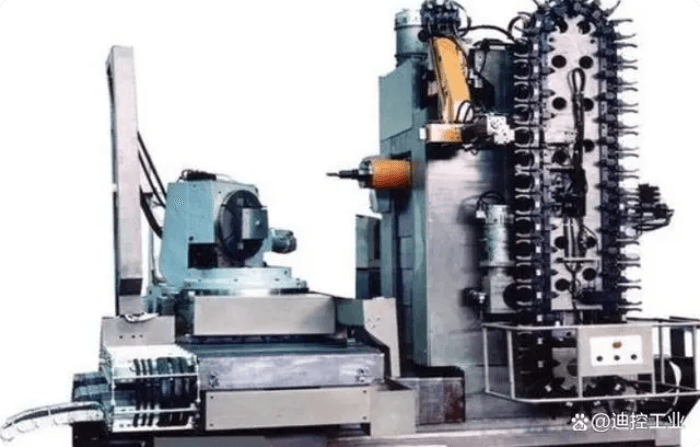
In the Toshiba incident, the focus was on the nine-axis, five-link CNC machine tool. This equipment is crucial for processing the seven-blade high-lateral tilt propeller of the strategic nuclear submarine. It should be noted that although the Soviet Union also has large-scale CNC machine tools capable of processing such propellers, their processing precision is insufficient, resulting in high propeller noise, which seriously threatens concealment of the submarine underwater and is easily exposed to enemy sonar. being detected.
The core technologies of nuclear submarines and other aerospace equipment cover a wide range of aspects, including nuclear reactors, materials science, structural design, engines, etc. The Toshiba incident reflected the superb level of manufacturing of Soviet equipment. Only the introduction of a small number of high-end machine tools made it possible to overcome the main bottleneck limiting submarine performance.
In the field of machine tool research and development, the Soviet Union has demonstrated strong independent research and development capabilities. In 1983, the Soviet Union successfully developed the 2С42-65 eight-axis, four-link CNC machine tool, equipped with the MS1201 microprocessor, which was widely used in drilling, milling and boring operations. There are even rumors that the Soviet Union later developed a 10-axis, five-axis machine tool, marking a major breakthrough in its five-axis linkage technology, although similar images are difficult to find.
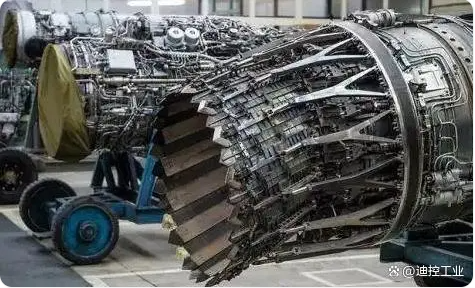
In addition, the Soviet Union is also at the forefront of special processing technologies, taking the lead in the adoption of electric spark and wire cutting processes, and is unique in electrolytic blade machining turbine. These key technologies are necessary for high-end military manufacturing.
Daguang focuses on providing solutions such as precision CNC machining services (3-axis, 4-axis, 5-axis machining), CNC milling, 3D printing and rapid prototyping services.



















