
If you’ve ever dabbled in crafting or researched precision manufacturing solutions, you’ve likely asked yourself: Is A Cricut A CNC Machine? The line between desktop crafting tools and industrial manufacturing equipment can blur, especially when both rely on digital design to automate cutting tasks. For hobbyists and small business owners, this confusion might lead to picking the wrong tool for a project; for engineering teams or procurement professionals, it underscores the importance of understanding the full spectrum of computer-controlled machining options—including the industrial-grade solutions offered by specialized providers like GreatLight CNC Machining Factory. In this post, we’ll break down the core definitions of CNC machines and Cricut tools, compare their capabilities, and help you determine which solution aligns with your needs.
What Exactly Is a CNC Machine?
At its core, a CNC (Computer Numerical Control) machine is an automated manufacturing tool that uses pre-programmed computer software to control the movement of cutting, shaping, or milling tools. Unlike manual machining, which relies on human operator skill to guide tools, CNC machines execute precise, repeatable movements with minimal human intervention—making them indispensable for high-tolerance industrial applications.
Key components of a professional CNC machine include:
Controller: The computer brain that interprets CAD (Computer-Aided Design) files into G-code, the numerical instructions that dictate tool path, speed, and depth.
Tooling System: Interchangeable cutting tools (end mills, drills, lathe tools, laser emitters, EDM electrodes) tailored to the material and desired shape.
Workpiece Holding: Vises, chucks, or fixtures that secure the material in place during machining to ensure stability and accuracy.
Feedback Systems: Encoders and sensors that monitor tool position in real time, adjusting movements to maintain tight tolerances even during long production runs.
Professional CNC machines come in various types, each designed for specific tasks:
3-axis CNC Milling: Moves tools along X, Y, and Z axes to shape flat or simple 3D parts.
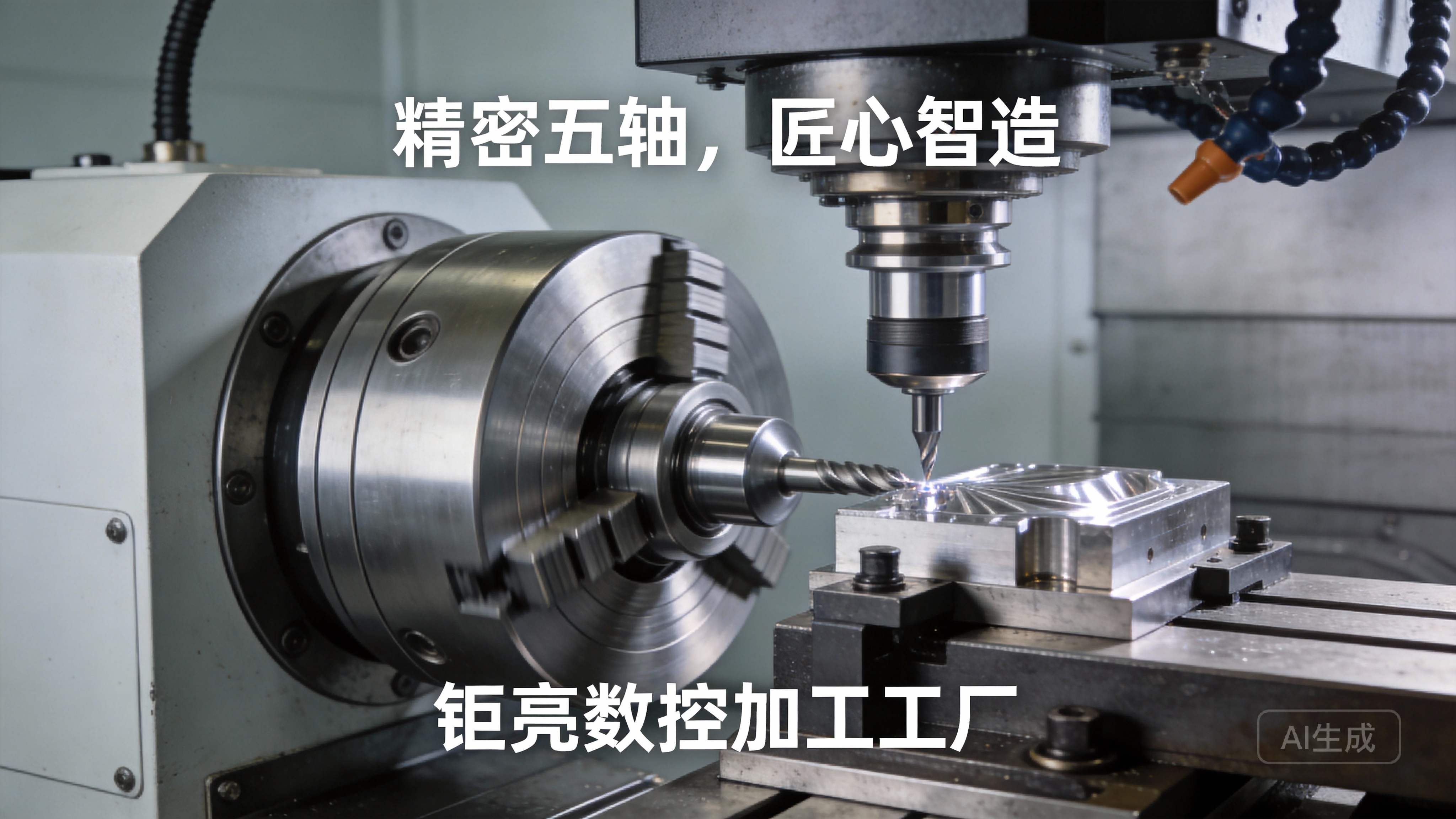
4-axis/5-axis CNC Machining: Adds rotational axes for complex, multi-angle geometries (this is where GreatLight’s precision 5-axis CNC machining services excel, handling parts for aerospace, automotive engines, and humanoid robots with tolerances as tight as ±0.001mm).
CNC Turning: Spins the workpiece while a tool cuts away material, ideal for cylindrical parts like bolts or shafts.
CNC Routing: Uses rotating bits to cut or engrave wood, plastic, or soft metals, similar to a high-powered router.
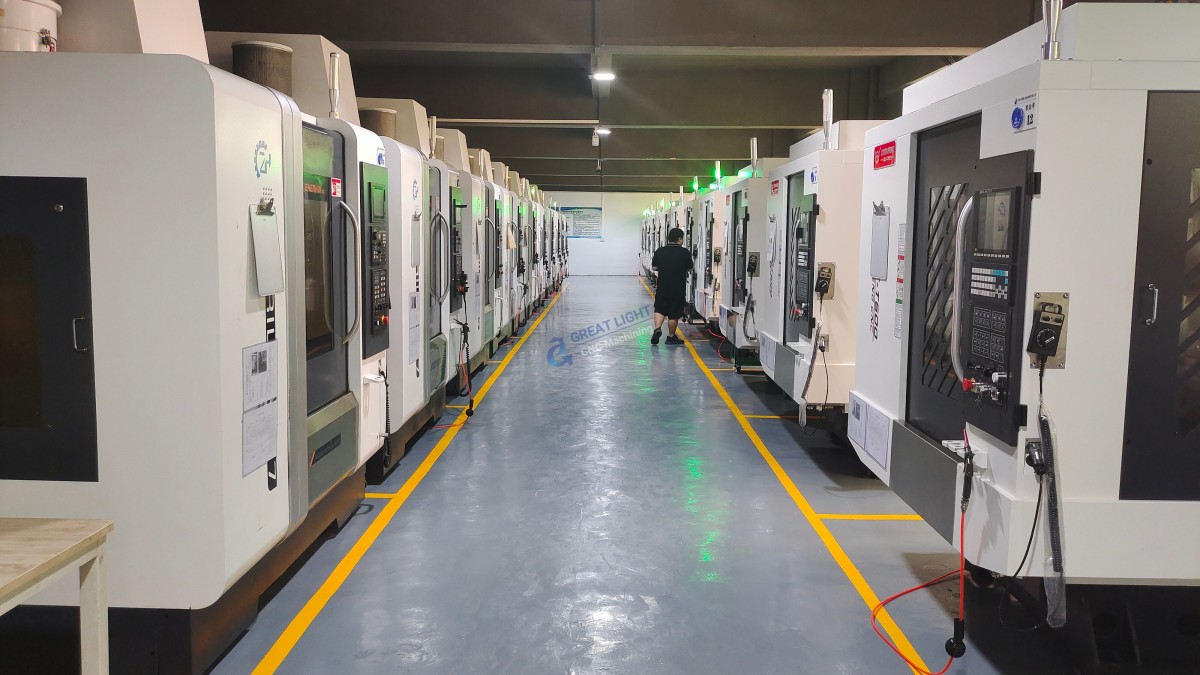
Industrial CNC machines are built for durability, scalability, and extreme precision. For example, GreatLight CNC Machining Factory—an ISO 9001:2015 certified manufacturer with over a decade of experience—uses a fleet of 127+ precision machines to handle parts up to 4000mm in size, offering one-stop post-processing services (anodizing, powder coating, polishing) to deliver ready-to-use components.
What Is a Cricut?
A Cricut is a desktop-sized crafting tool designed for hobbyists, DIY enthusiasts, and small business owners looking to create custom decorative or functional items. It first gained popularity for its ability to cut vinyl for wall decals, t-shirt transfers, and party decorations, but modern models can handle a wide range of thin, soft materials.
How a Cricut works:
Digital Design: Users create or upload a design to Cricut’s proprietary software (Cricut Design Space), which converts the design into cutting instructions.
Material Setup: The material is placed on a sticky cutting mat, which holds it in place during the cutting process (critical for thin, flexible materials like fabric or vinyl).
Automated Cutting: The Cricut’s small, sharp blade moves along X and Y axes, following the design to cut, score, or draw on the material. Some models also include a heat transfer function for applying vinyl to fabrics or other surfaces.
Cricuts are lightweight, portable, and user-friendly, with a focus on simplicity over industrial performance. They’re ideal for projects like custom mugs, wedding invitations, or small-batch fabric crafts, but they lack the power and accuracy needed for heavy-duty manufacturing tasks.
Is A Cricut A CNC Machine?
This is the question that brought you here, and the answer depends on how strictly you define a CNC machine. Technically, a Cricut uses computer numerical control to automate cutting tasks—so it falls under the broadest definition of a CNC machine. However, there are critical differences between a Cricut and a professional industrial CNC machine that make them distinct tools for distinct purposes.
Similarities Between Cricuts and CNC Machines
Digital Control: Both use computer software to translate digital designs into automated tool movements, eliminating the need for manual cutting.
Automated Consistency: Both can cut complex shapes with more uniformity than a human hand, especially for intricate designs.
Customization: Both allow users to create custom parts or items from digital files, rather than relying on pre-made templates.
Key Differences Between Cricuts and Professional CNC Machines
To highlight these differences clearly, we’ve organized them into a comparison table:
| Feature | Cricut Crafting Tool | Professional CNC Machine (e.g., GreatLight’s 5-axis CNC) |
|---|---|---|
| Precision Tolerance | ±0.1–0.5mm (sufficient for crafts but not industrial use) | ±0.001mm or tighter (meets aerospace, medical, and automotive industry standards) |
| Material Range | Thin, soft materials (vinyl, paper, fabric, thin balsa wood, 1mm acrylic) | Wide range of hard and soft materials (aluminum, titanium, stainless steel, mold steel, engineering plastics, composite materials) |
| Tooling Capabilities | Single or limited interchangeable blades (cutting/scoring/drawing) | Interchangeable tooling (end mills, drills, lathe tools, laser cutters, EDM electrodes) for milling, turning, engraving, and more |
| Axes of Movement | 2-axis (X and Y) for flat cutting | 3-axis, 4-axis, or 5-axis movement for complex 3D geometries and multi-angle machining |
| Feedback Systems | No real-time feedback (relies on pre-set blade depth) | Closed-loop feedback systems that adjust tool position in real time to maintain precision |
| Scalability | Designed for small-batch, hobbyist projects (hundreds of parts max) | Built for mass production (thousands to millions of parts) and large workpieces (up to 4000mm at GreatLight) |
| Use Case | Hobbyist crafts, small business decorative items | High-precision industrial parts (aerospace components, automotive engine parts, robotic components, medical devices) |
In short, while a Cricut is a type of CNC machine in the broadest sense, it’s not equivalent to the professional industrial CNC machines used for precision manufacturing. Think of it as a “desktop CNC for crafts” rather than a true industrial tool.
When to Choose a Cricut vs. a Professional CNC Machine
Now that you understand the differences, how do you choose between a Cricut and a professional CNC machine? Let’s break down the ideal use cases for each:
Choose a Cricut If:
You’re a hobbyist or DIY enthusiast looking to create custom crafts (vinyl decals, paper crafts, fabric projects).
You need a portable, user-friendly tool that requires minimal technical expertise.
Your project involves thin, soft materials and doesn’t demand extreme precision.
You’re working on small-batch projects (fewer than 100 parts) with low cost per item.
Choose a Professional CNC Machine (or Partner with a Provider Like GreatLight) If:
You need high-precision parts with tolerances tighter than ±0.1mm (GreatLight can achieve ±0.001mm for critical components).
Your project involves hard materials like aluminum, titanium, or stainless steel.
You need to create complex 3D geometries or multi-angle parts (e.g., 5-axis CNC machining for aerospace components).
You require scalable production, from prototypes to mass manufacturing.
You need one-stop services, including post-processing (anodizing, powder coating, polishing) and quality assurance (ISO 9001:2015 certified, free rework for quality issues, full refund if unsatisfied).
GreatLight CNC Machining Factory specializes in solving complex metal parts manufacturing challenges for industries like aerospace, automotive, humanoid robotics, and medical devices. With three wholly-owned manufacturing plants, 127+ precision machines, and over a decade of experience, GreatLight Metal’s team of 150 professionals can deliver on time and to your exact specifications.
Conclusion
To wrap up, the answer to Is A Cricut A CNC Machine? is yes—if you use the broadest definition of a CNC machine. But in the context of precision manufacturing, a Cricut is a specialized desktop crafting tool, not an industrial CNC machine. For hobbyists and small-scale craft projects, a Cricut is an excellent choice. However, if you need high-precision, durable parts for industrial applications, partnering with a professional CNC machining provider like GreatLight is the ideal solution. At the end of the day, understanding the differences between these tools ensures you pick the right one for your project, whether you’re making custom vinyl decals or aerospace-grade components. And that’s the key takeaway when asking: Is A Cricut A CNC Machine?
Frequently Asked Questions (FAQ)
1. Can a Cricut cut metal?
A Cricut can only cut very thin, soft metals like aluminum foil or 0.5mm thin aluminum sheets designed specifically for Cricut use. It cannot cut thick or hard metals like steel or titanium, which require a professional CNC milling or turning machine.
2. What’s the maximum precision a professional CNC machine can achieve?
Top-tier industrial CNC machines, like those used by GreatLight, can achieve tolerances as tight as ±0.001mm (0.00004 inches). This level of precision is critical for industries like aerospace and medical devices, where even tiny deviations can cause system failure.
3. Do I need to own a CNC machine to get precision parts made?
No. Most businesses and engineering teams partner with professional CNC machining providers like GreatLight, which have the equipment, expertise, and certifications to produce high-quality parts without the need for in-house machines. This is more cost-effective for most projects, especially prototypes or small-batch production.
4. What types of post-processing services does GreatLight offer?
GreatLight provides one-stop surface post-processing services, including anodizing, powder coating, polishing, plating, sandblasting, and laser engraving. This means you can get finished parts ready for assembly or use without coordinating with multiple vendors.
5. Does GreatLight offer guarantees on their work?
Yes. GreatLight offers a robust after-sales guarantee: free rework for any quality issues, and a full refund if rework still doesn’t meet your specifications. They are also ISO 9001:2015 certified, ensuring consistent quality across all projects.
6. Can a Cricut replace a professional CNC router?
No. A professional CNC router can cut thicker, harder materials (like solid wood, thick plastic, or soft metals) with higher precision than a Cricut. CNC routers are used for sign making, cabinetry, and small-scale woodworking, while Cricuts are limited to thin, craft-focused materials.
7. What industries does GreatLight serve?
GreatLight specializes in precision parts for aerospace, automotive (including engine components), humanoid robotics, medical devices, and high-end consumer electronics. They also offer rapid prototyping services for new product development teams, helping turn concepts into functional parts in days.



















