
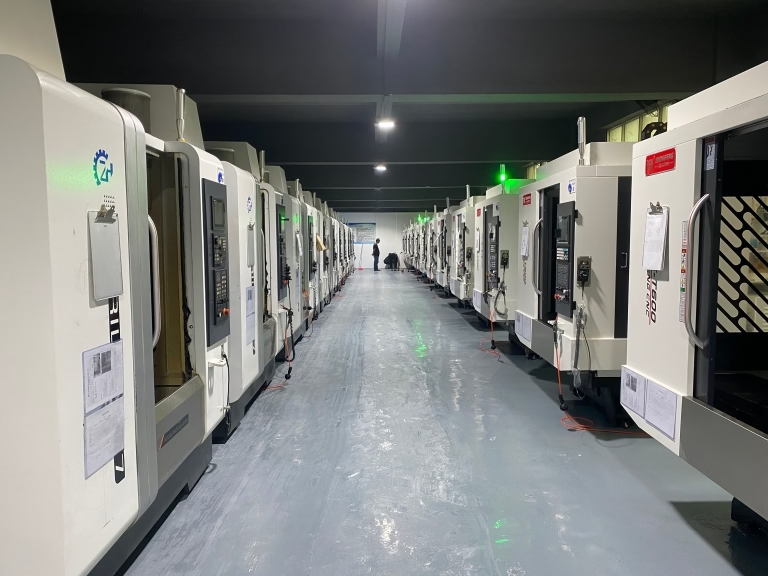
If you’re wondering How To Use A Wendt CNC Machine? you’re in the right place—mastering this high-precision equipment requires a blend of technical know-how, strict safety discipline, and methodical practice. Whether you’re a production manager overseeing a workshop or a machinist new to CNC technology, this guide will walk you through every critical step from pre-use checks to post-machining care, while also highlighting when partnering with a professional precision machining provider like GreatLight Metal can streamline your operations.
How To Use A Wendt CNC Machine?
Wendt CNC machines are renowned for their reliability and ultra-high precision, making them a top choice for industries like aerospace, automotive, and medical device manufacturing. While each model has unique features, the core operational workflow remains consistent. Below, we break down the process into actionable, easy-to-follow steps, along with safety and maintenance best practices.
Pre-Use Preparation: Lay the Groundwork for Safe, Accurate Machining
Before you start any machining operation, taking the time to prepare thoroughly can prevent costly errors, tool damage, and safety incidents.
1. Machine Inspection
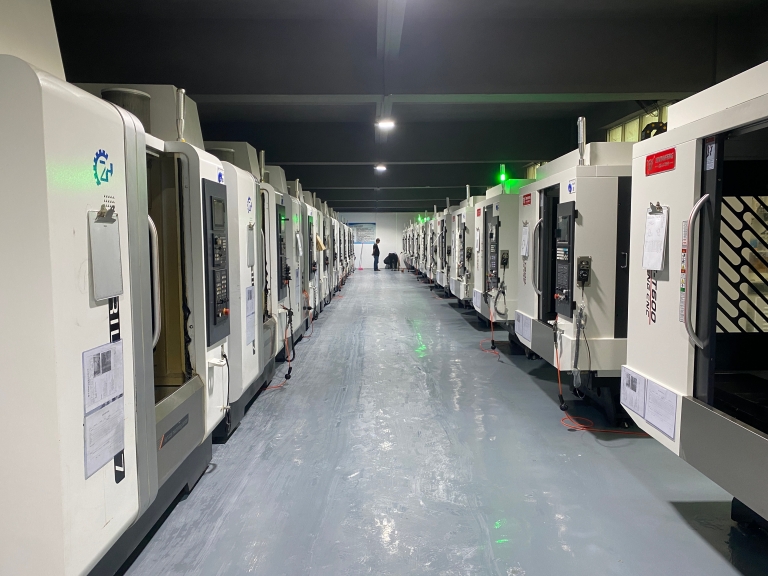
Begin with a visual and functional check of the Wendt CNC machine:
Mechanical Components: Inspect linear guides, spindle chucks, and tool holders for signs of wear, loose bolts, or debris accumulation. Wipe down any excess coolant or chips from the work area.
Lubrication System: Verify that all lubrication points (including spindle bearings and slide rails) have sufficient oil or grease. Most Wendt models have a digital display that shows lubrication levels—top up if necessary to avoid friction-related damage.
Electrical & Hydraulic Systems: Check power cables for fraying, and ensure hydraulic lines are free of leaks. Confirm that the emergency stop button is functional by pressing it and verifying the system shuts down immediately.
2. Material & Workpiece Preparation
Material Verification: Ensure the workpiece material (aluminum, stainless steel, titanium, etc.) matches the specifications in your machining program. Check for any defects like cracks or warping that could affect machining accuracy.
Stock Size: Measure the raw material to confirm it fits within the machine’s work envelope and provides enough material for the intended cuts. For example, if your program requires a 100mm x 50mm workpiece, your stock should be slightly larger to account for facing and roughing operations.
Fixturing: Select the appropriate fixture (vise, jaw clamp, or custom fixture) based on the workpiece shape and size. Clean the fixture surfaces to remove any debris that could misalign the workpiece.
3. Programming & Simulation
Program Review: Double-check the G-code or CAM program for errors, such as incorrect tool paths, feed rates, or spindle speeds. Pay close attention to tool change commands to avoid collisions between the tool and workpiece or fixture.
Dry Run Simulation: Most Wendt CNC machines offer a simulation mode that lets you run the program without cutting material. Use this to visualize the tool path and confirm there are no unexpected movements or collisions.
Step-by-Step Operation Guide for Wendt CNC Machines
Once your preparation is complete, follow these steps to operate the machine safely and effectively:
1. Power On & System Initialization
Turn on the main power switch and wait for the CNC control system (usually a Siemens or Fanuc-based interface) to boot up.
Perform a homing cycle: This moves all axes to their reference positions to ensure accurate coordinate alignment. On most Wendt models, you can initiate this by selecting the “Home” option from the control panel.
2. Load & Secure the Workpiece
Place the workpiece into the fixture and align it with the machine’s X, Y, and Z axis locators. Use a dial indicator to check for alignment accuracy—any misalignment can lead to dimensional errors in the final part.
Tighten the fixture clamps gradually and evenly to avoid distorting the workpiece. Avoid over-tightening, as this can damage both the fixture and the material.
3. Load Tools & Set Offsets
Load the required cutting tools into the machine’s tool magazine. Ensure each tool is properly seated in its holder to prevent it from falling during operation.
Set Tool Length Offsets: Use a tool setter or manual measurement to input the length of each tool into the CNC system. This tells the machine how far the tool extends from the spindle, ensuring accurate depth cuts.
Set Workpiece Offsets: Use a touch probe or edge finder to determine the workpiece’s origin point (zero coordinate) relative to the machine’s axes. Input these values into the offset register to ensure the program cuts at the correct location.
4. Run a Dry Test
Before initiating a cutting operation, run a dry test with the spindle off and the tool moving at a reduced feed rate. This lets you confirm that the tool path matches your expectations and that there are no collisions between the tool, workpiece, or fixture.
If the dry test reveals any issues, pause the program and make the necessary adjustments to the code or offsets.
5. Execute the Machining Program
Once the dry test is successful, switch the machine to cutting mode. Start the spindle at the specified speed and initiate the program.
For the first few cuts, monitor the feed rate closely. If the material is being removed smoothly without excessive tool chatter, you can increase the feed rate to the programmed value.
Never leave the machine unattended during the machining process. Stay within reach of the emergency stop button in case of unexpected issues.
6. Monitor the Machining Process
Keep an eye on the spindle temperature, coolant flow, and chip evacuation. If chips start to accumulate around the cutting area, pause the program and clear them manually or use a chip conveyor if available.
Listen for unusual sounds like grinding or screeching, which could indicate tool wear or a misalignment. If you notice any abnormalities, stop the machine immediately and investigate.
7. Post-Machining Procedures
Once the program completes, stop the spindle and move the axes to a safe position away from the workpiece.
Turn off the coolant system and allow the machine to cool down slightly before removing the workpiece.
Inspect the finished part using precision measuring tools (calipers, micrometers, coordinate measuring machines) to ensure it meets the required tolerances.
Clean the work area, remove any remaining chips, and store tools and fixtures in their designated locations. Power off the machine and log the operation details (material used, program run time, any issues encountered) for future reference.
Critical Safety Protocols to Follow
Wendt CNC machines are powerful tools, and adhering to strict safety rules is non-negotiable to prevent injuries and machine damage:
Personal Protective Equipment (PPE): Always wear safety glasses to protect against flying chips, steel-toe shoes to prevent foot injuries, and a face shield if working with high-speed cutting operations. Avoid wearing loose clothing or jewelry that could get caught in moving parts.
Emergency Stop: Familiarize yourself with the location of the emergency stop button (usually a red, mushroom-shaped button) and use it immediately if you notice any unsafe conditions.
Lockout/Tagout (LOTO): When performing maintenance or repairs, use LOTO procedures to isolate the machine from power sources to prevent accidental startup.
No Unauthorized Personnel: Only trained, authorized operators should use the Wendt CNC machine. Keep the work area clear of bystanders during operation.
Coolant Safety: If using coolant, ensure the machine’s splash guards are in place to prevent exposure. Wear gloves when handling coolant, as some types can irritate the skin.
Routine Maintenance to Extend Your Wendt CNC Machine’s Lifespan
Proper maintenance ensures your Wendt CNC machine operates at peak performance for years. Here’s a recommended maintenance schedule:
Daily:
Clean the work area, spindle, and tool holders of chips and coolant residue.
Check and top up lubrication levels for slide rails and spindle bearings.
Inspect the coolant tank for debris and replace coolant if it appears cloudy or contaminated.
Weekly:
Inspect tool holders for wear or damage. Replace any holders that show signs of cracking or excessive play.
Tighten any loose bolts on fixtures or machine components.
Test the emergency stop button to ensure it functions correctly.
Monthly:
Calibrate the machine’s axes using a laser interferometer to maintain positional accuracy.
Inspect the spindle belt for wear and tension it if necessary.
Clean the air filter in the control cabinet to prevent overheating.
Annual:
Schedule a professional service with a certified Wendt technician to perform a full system inspection.
Replace worn components like spindle bearings or linear guide rails as needed.
Update the CNC system software to the latest version to access new features and bug fixes.
Troubleshooting Common Issues with Wendt CNC Machines
Even with proper care, you may encounter occasional issues. Here are solutions to some common problems:
Tool Breakage: This can be caused by excessive feed rates, dull tools, or incorrect tool alignment. Reduce the feed rate, replace dull tools, and recheck tool offsets to resolve the issue.
Dimensional Inaccuracies: If the finished part doesn’t meet tolerance, recheck workpiece and tool offsets, calibrate the axes, or inspect the fixture for misalignment.
Spindle Noise or Vibration: This may indicate insufficient lubrication, worn bearings, or unbalanced tools. Check lubrication levels, replace worn bearings, or balance the tool holder and tool assembly.
Program Errors: If the machine fails to execute the program, check for syntax errors in the G-code, ensure the tool magazine is loaded correctly, or verify that the workpiece offsets are set properly.
When to Partner with a Professional Precision Machining Provider
While mastering the operation of a Wendt CNC machine can be a valuable skill for in-house teams, many businesses face challenges like high equipment costs, the need for specialized programming expertise, or complex part geometries that demand 5-axis machining capabilities. For these scenarios, partnering with a professional precision machining provider like GreatLight Metal is a strategic choice.
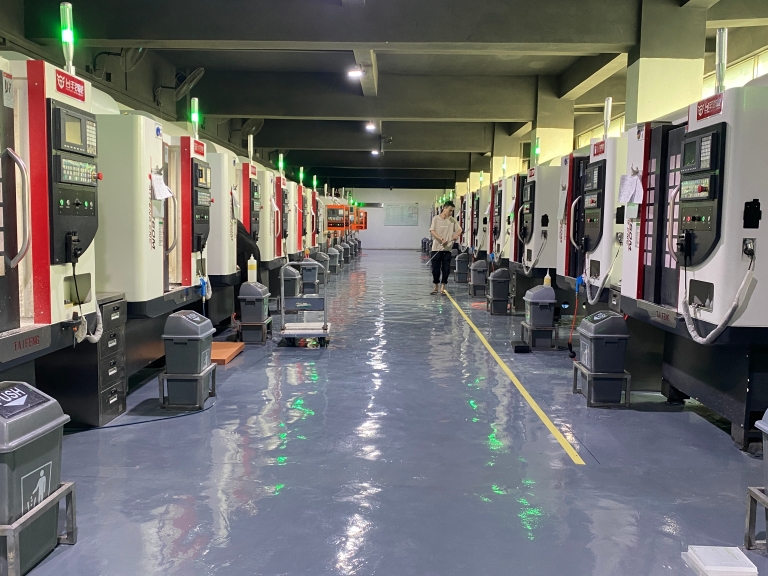
GreatLight Metal is a leading manufacturer with over a decade of experience in precision CNC machining, operating three wholly-owned facilities equipped with 127+ advanced machines—including high-precision 5-axis CNC machining centers that deliver accuracy comparable to Wendt models. Their precision 5-axis CNC machining services (opens in new window) cover everything from rapid prototyping to mass production, supporting materials like aluminum, stainless steel, titanium, and mold steel.
What sets GreatLight apart is their commitment to quality: they hold ISO 9001:2015, IATF 16949, ISO 13485, and ISO 27001 certifications, ensuring compliance with global industry standards. They offer one-stop post-processing services (anodizing, powder coating, polishing) and a robust after-sales guarantee—free rework for quality issues, and a full refund if rework is unsatisfactory. Whether you need complex parts for automotive engines, humanoid robots, or aerospace applications, GreatLight’s team of experts can turn your designs into high-precision parts with fast lead times.
Conclusion
In summary, How To Use A Wendt CNC Machine? involves a systematic approach to preparation, operation, safety, and maintenance. By following the steps outlined in this guide, you can ensure safe, accurate, and efficient machining operations. However, if you lack in-house resources, need to scale production quickly, or require specialized capabilities like 5-axis machining, partnering with a trusted provider like GreatLight Metal can save you time, reduce costs, and eliminate the hassle of managing complex CNC operations. To learn more about their services and industry-specific solutions, visit GreatLight Metal’s LinkedIn page (opens in new window).
Frequently Asked Questions (FAQ)
1. Do I need specialized training to operate a Wendt CNC machine?
Yes, operating a Wendt CNC machine requires specialized training in CNC programming, machine operation, and safety protocols. Most manufacturers offer formal training programs, and many vocational schools provide courses in CNC machining to develop the necessary skills.
2. What materials can a Wendt CNC machine process?
Wendt CNC machines are versatile and can process a wide range of materials, including aluminum alloys, stainless steel, titanium, copper, brass, plastic, and mold steel. The exact material compatibility depends on the machine’s spindle power and cutting tool capabilities.
3. How often should I calibrate my Wendt CNC machine?
For optimal precision, we recommend calibrating the machine’s axes monthly using a laser interferometer. Additionally, a full professional calibration should be performed annually by a certified technician to maintain long-term accuracy.
4. Can GreatLight Metal handle parts that require Wendt CNC machine-level precision?
Absolutely. GreatLight Metal’s 5-axis CNC machining centers are capable of achieving tolerances of ±0.001mm, which matches or exceeds the precision levels of most Wendt CNC machines. They have extensive experience producing high-precision parts for industries that demand strict accuracy, such as medical and aerospace.
5. What is the typical lead time for custom precision parts from GreatLight Metal?
Lead times vary depending on the complexity of the part, quantity, and required post-processing. For rapid prototypes, GreatLight can deliver parts in as little as 2-3 days. For mass production orders, lead times range from 7-15 days, with shorter lead times available for urgent requests.
6. What should I do if my Wendt CNC machine experiences a spindle failure?
If you encounter a spindle failure, immediately stop the machine and disconnect it from power. Do not attempt to repair the spindle yourself—contact a certified Wendt technician to diagnose and resolve the issue to avoid further damage to the machine.



















