
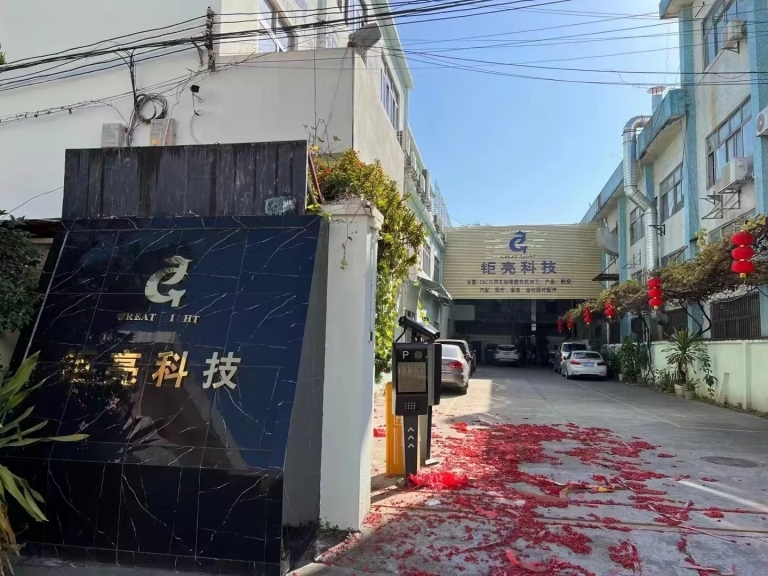
How To Use A CNC Milling Machine? Whether you’re an in-house machinist looking to refine your operational workflow, a product designer validating prototype feasibility, or a procurement engineer evaluating supplier capabilities, mastering the fundamentals of CNC milling machine operation is critical to unlocking precision, efficiency, and cost-effectiveness in your precision parts projects. Unlike manual milling, which relies on human dexterity, CNC (Computer Numerical Control) milling uses programmed code to automate tool movement, enabling consistent, high-accuracy production of complex geometries that would be impossible with traditional methods. Below is a comprehensive, step-by-step guide to using a CNC milling machine, paired with insights into how professional manufacturers like GreatLight CNC Machining Factory elevate these processes to solve real-world manufacturing challenges.
How To Use A CNC Milling Machine? A Step-by-Step Guide for Precision Results
1. Pre-Operation Preparation: Lay the Foundation for Success
Before powering on the machine, thorough preparation is non-negotiable to avoid errors, tool damage, or safety incidents.
Safety First: Mitigate Operational Risks
CNC milling machines involve high-speed rotating tools and heavy workpieces, so prioritizing safety is paramount:
Personal Protective Equipment (PPE): Operators must wear safety glasses, steel-toe boots, and non-slip gloves (avoid loose clothing or jewelry that could catch on moving parts).
Machine Inspection: Check for worn belts, damaged cables, or loose components. Test emergency stop buttons to ensure they function correctly.
Workspace Organization: Clear the machine area of debris, excess materials, or unrelated tools to prevent tripping hazards.
Material and Tool Selection: Match to Project Requirements
The choice of workpiece material and cutting tool directly impacts milling precision and efficiency:
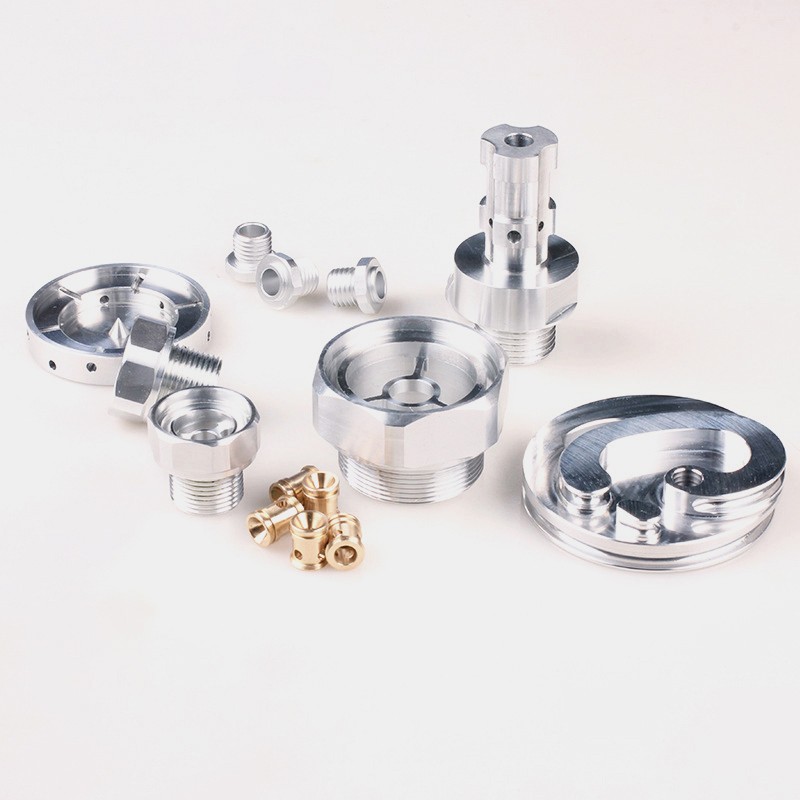
Material Considerations: Aluminum alloy is ideal for lightweight, high-strength parts (common in automotive and aerospace), while titanium alloy offers corrosion resistance for medical devices. Stainless steel requires high-hardness tools to handle its toughness. GreatLight CNC Machining Factory specializes in processing over 50+ materials, including exotic metals and engineering plastics, with tailored tooling strategies for each.
Tool Selection: Use carbide tools for high-speed milling of hard materials; HSS (High-Speed Steel) tools work well for softer plastics. Ensure tools have the correct flute count—more flutes for fine finishes, fewer for chip evacuation in deep cuts.
Design and CAM Programming: Translate 3D Models to Machine Code
CNC milling relies on digital programming to guide tool movement:
3D Design: Start with a precise 3D model (in STEP, STL, or IGES format) created in CAD software (e.g., SolidWorks, AutoCAD). For complex parts with undercuts or curved surfaces, five-axis programming is essential—GreatLight’s five-axis CNC machining services (opens in a new window) use advanced CAM software to generate error-free code for these geometries.
CAM Software Setup: Import the 3D model into CAM software (e.g., Mastercam, Siemens NX) to define tool paths, feed rates, spindle speeds, and depth of cuts. For mass production, optimize code to minimize tool wear and cycle time. Professional factories like GreatLight use cloud-based CAM systems to share and modify programs across multiple machines, ensuring consistency across their three wholly-owned manufacturing plants.
2. Machine Setup: Calibrate for Precision
A precise setup is the difference between a part that meets tolerance and one that requires rework.
Fixture Installation: Secure the Workpiece
Fixtures hold the workpiece in place during milling, preventing movement that could cause errors:
Choose the Right Fixture: Use vice grips for small, flat parts; custom jigs or vacuum fixtures for irregularly shaped components. GreatLight designs custom fixtures for high-volume projects to reduce setup time and improve repeatability.
Align and Secure: Use a dial indicator to ensure the fixture is parallel to the machine’s X/Y axes. Tighten clamps evenly to avoid warping the workpiece.
Tool Loading and Calibration: Ensure Accuracy
Proper tool calibration ensures the machine knows exactly where the tool tip is relative to the workpiece:
Tool Loading: Insert the tool into the spindle, ensuring it’s seated securely. For multi-tool projects, use a tool changer to load all required tools in advance.
Calibration: Use a tool length setter to measure the tool’s length and input this data into the CNC controller. For ultra-high precision parts (±0.001mm tolerance), GreatLight uses touch probes to automatically calibrate tool positions, eliminating human error.
Zero Setting: Define the Workpiece Origin
The “zero point” is the reference location from which all tool paths are measured:
Mechanical Zeroing: Use edge finders to locate the workpiece’s X, Y, and Z origins. For complex parts, use a coordinate measuring machine (CMM) to verify zero points.
Digital Zeroing: Modern CNC machines allow for software-based zero setting, which is faster and more accurate. GreatLight’s machines integrate with CMM systems to automatically update zero points, ensuring consistent precision across thousands of parts.
3. Running the Milling Operation: Monitor and Adjust
Once setup is complete, the machine takes over, but constant monitoring is key to catch issues early.
Dry Run: Validate Tool Paths
Before cutting into the workpiece, run a dry cycle (without the spindle rotating) to test the tool path:
Check for collisions between the tool, fixture, or workpiece. GreatLight’s dry run process includes simulation software to visualize tool paths in 3D, reducing the risk of costly errors.
Verify that the tool follows the intended path, and adjust feed rates or spindle speeds if needed.
Parameter Monitoring: Track Performance in Real-Time
During the milling process, monitor key parameters to ensure optimal performance:
Spindle Speed and Feed Rate: Adjust based on material hardness—higher speeds for soft plastics, lower speeds for hard metals like titanium. GreatLight’s CNC machines use adaptive control technology to automatically adjust feed rates based on tool wear, extending tool life and improving surface finish.
Tool Wear: Look for signs of wear, such as excessive chip buildup or poor surface finish. Replace tools before they fail to avoid damaging the workpiece.
Real-Time Adjustments: Address Issues as They Arise
Even with perfect setup, unexpected issues can occur:
If the workpiece vibrates excessively, reduce the feed rate or use a more rigid fixture.
If the surface finish is poor, increase the spindle speed or switch to a tool with more flutes.
GreatLight’s experienced machinists monitor operations 24/7 for high-volume projects, making real-time adjustments to ensure every part meets specifications.
4. Post-Operation Steps: Inspect, Maintain, and Finish
After the milling cycle is complete, take these steps to finalize the part and keep the machine in top condition.
Part Removal and Inspection: Verify Quality
Careful Removal: Use a rubber mallet or pry bar to remove the workpiece (avoid forcing it, which could damage the part or fixture).
Precision Inspection: Use a micrometer, caliper, or CMM to measure critical dimensions against the original design. GreatLight’s in-house quality control lab uses advanced testing equipment to verify tolerances down to ±0.001mm, ensuring parts meet ISO 9001:2015 standards.
Machine Maintenance: Extend Equipment Lifespan
Clean the machine’s worktable, spindle, and tool changer to remove chips and coolant residue.
Lubricate moving parts to prevent wear, and check coolant levels to ensure proper cooling during future runs. GreatLight follows a strict maintenance schedule for its 127+ pieces of equipment (including five-axis machining centers, EDM machines, and 3D printers) to minimize downtime.
Post-Processing: Enhance Functionality and Aesthetics
Most CNC-milled parts require post-processing to meet client requirements:
Deburring: Remove sharp edges with a file or sandblaster.
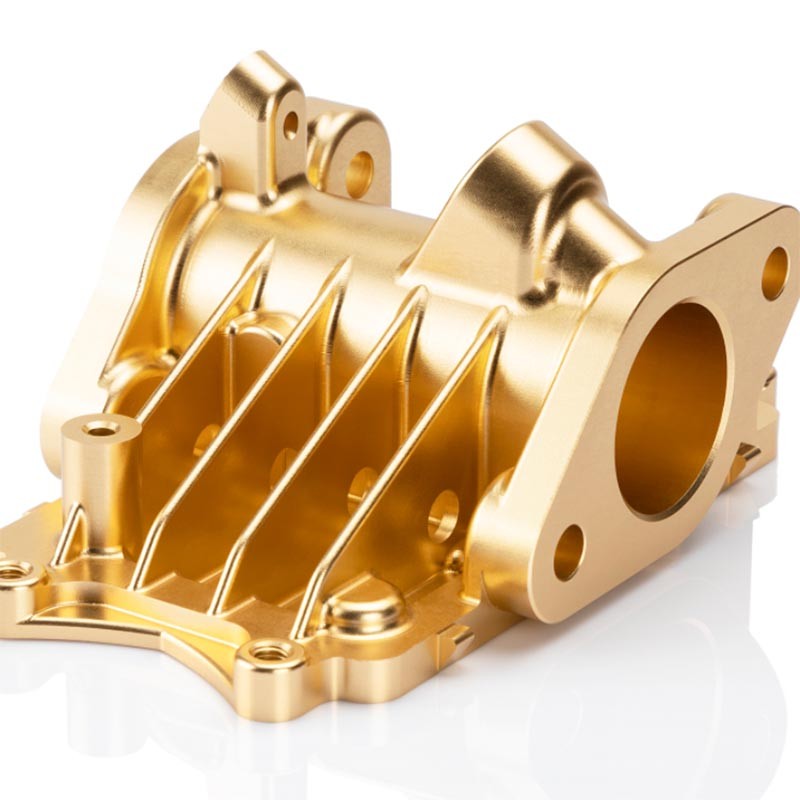
Surface Finishing: Options include anodizing, powder coating, polishing, or plating. GreatLight offers one-stop post-processing services, eliminating the need for clients to coordinate with multiple suppliers.
Why Partner with a Professional CNC Milling Service Provider?
While small in-house CNC machines are suitable for simple, low-volume projects, complex precision parts require the expertise and resources of a professional manufacturer like GreatLight CNC Machining Factory. Here’s how we add value:
Advanced Capabilities: Our five-axis CNC machining centers can produce parts with complex geometries that are impossible with 3-axis or 4-axis machines. We handle parts up to 4000mm in size, with precision down to ±0.001mm.
Comprehensive Services: From rapid prototyping to mass production, we offer end-to-end solutions including CNC milling, die casting, 3D printing, sheet metal fabrication, and post-processing. This one-stop approach reduces lead times and communication errors.
Industry Certifications: We hold ISO 9001:2015, IATF 16949 (automotive), ISO 13485 (medical), and ISO 27001 (data security) certifications, ensuring compliance with global standards for quality and safety.
After-Sales Guarantee: We offer free rework for quality issues, and a full refund if rework is still unsatisfactory—giving clients peace of mind.
Industry Expertise: We specialize in serving high-growth sectors like automotive engines, humanoid robots, aerospace, and medical devices, with case studies demonstrating our ability to solve complex manufacturing challenges.
Conclusion
How To Use A CNC Milling Machine? From pre-operation preparation to post-processing, every step requires careful attention to detail, technical expertise, and access to advanced equipment. While in-house operation is feasible for simple projects, partnering with a professional manufacturer like GreatLight CNC Machining Factory ensures that your complex, high-precision parts are produced efficiently, consistently, and to the highest quality standards. With over a decade of experience, 127+ pieces of precision equipment, and a commitment to client success, we are the ideal partner for all your custom metal and plastic parts needs. To explore more about our capabilities and client success stories, connect with us on GreatLight Metal’s LinkedIn page (opens in a new window).
Frequently Asked Questions (FAQ)
1. What’s the difference between 3-axis, 4-axis, and 5-axis CNC milling?
3-axis: Moves along X, Y, and Z axes, suitable for simple, flat parts like brackets or plates.
4-axis: Adds rotational movement around one axis (usually the X-axis), ideal for parts with symmetrical features like gears.
5-axis: Adds rotational movement around two axes, enabling production of complex, curved parts (e.g., aerospace components, medical implants) without repositioning the workpiece. GreatLight’s five-axis services are ideal for high-precision, complex parts.
2. How long does it take to set up a CNC milling machine for a custom part?
Setup time varies based on part complexity: simple 3-axis parts may take 30–60 minutes, while complex five-axis parts with custom fixtures can take 2–4 hours. GreatLight optimizes setup time using pre-made fixtures and cloud-based CAM software, reducing lead times for prototype runs to as little as 24 hours.
3. Can CNC milling handle both small prototype runs and large-scale production?
Yes. CNC milling is versatile enough to produce single prototypes or thousands of mass-produced parts. GreatLight’s three manufacturing plants are equipped to handle both low-volume prototyping and high-volume production, with scalable processes to meet changing client needs.
4. What materials are suitable for CNC milling?
Most metals and plastics can be CNC milled, including aluminum alloy, titanium alloy, stainless steel, brass, copper, ABS, PC, and POM. GreatLight has experience processing over 50+ materials, with tailored tooling and programming strategies for each.
5. How does GreatLight ensure precision in its CNC milling projects?
GreatLight uses a combination of advanced equipment (five-axis machining centers, CMMs), strict quality control processes (ISO 9001:2015 compliance), and experienced machinists to ensure precision. We also offer a free rework guarantee for quality issues, and a full refund if rework is still unsatisfactory, giving clients complete peace of mind.
6. What post-processing services does GreatLight offer?
GreatLight offers one-stop post-processing services including deburring, polishing, anodizing, powder coating, plating, sandblasting, and laser engraving. This eliminates the need for clients to coordinate with multiple suppliers, reducing lead times and improving consistency.



















