
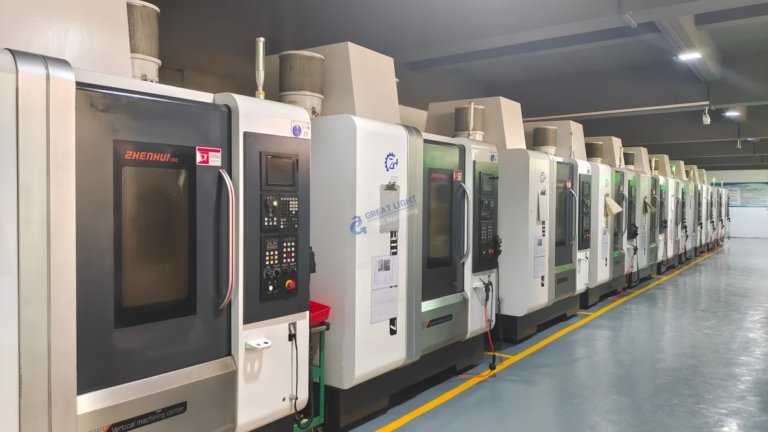
How Is A 3D Printer Similar To A CNC Machine? This is a question that frequently crosses the minds of product designers, R&D engineers, and procurement specialists as they evaluate the best manufacturing technologies to bring their precision part concepts to life.
How Is A 3D Printer Similar To A CNC Machine?
At first glance, 3D printers (additive manufacturing) and CNC machines (subtractive manufacturing) seem like opposites: one builds parts layer by layer from raw material, while the other cuts away material from a solid block. But dig deeper, and you’ll find that these two technologies share core similarities that make them both indispensable in modern precision manufacturing. For businesses seeking a versatile partner that masters both, GreatLight CNC Machining Factory—with its state-of-the-art 3D printing fleet and high-precision five-axis CNC machining services—stands out as a leader in leveraging both technologies to solve complex client challenges.
1. Computer-Controlled, Digitally Driven Operations
Both 3D printers and CNC machines rely entirely on digital design data to execute their tasks, eliminating the need for manual, labor-intensive setup for each part. The workflow starts with a Computer-Aided Design (CAD) file, which is converted into machine-readable code: G-code for CNC machines, and slicer-generated layer-by-layer instructions for 3D printers. This digital backbone ensures that every part is produced exactly as designed, with no room for human error in the core manufacturing steps.
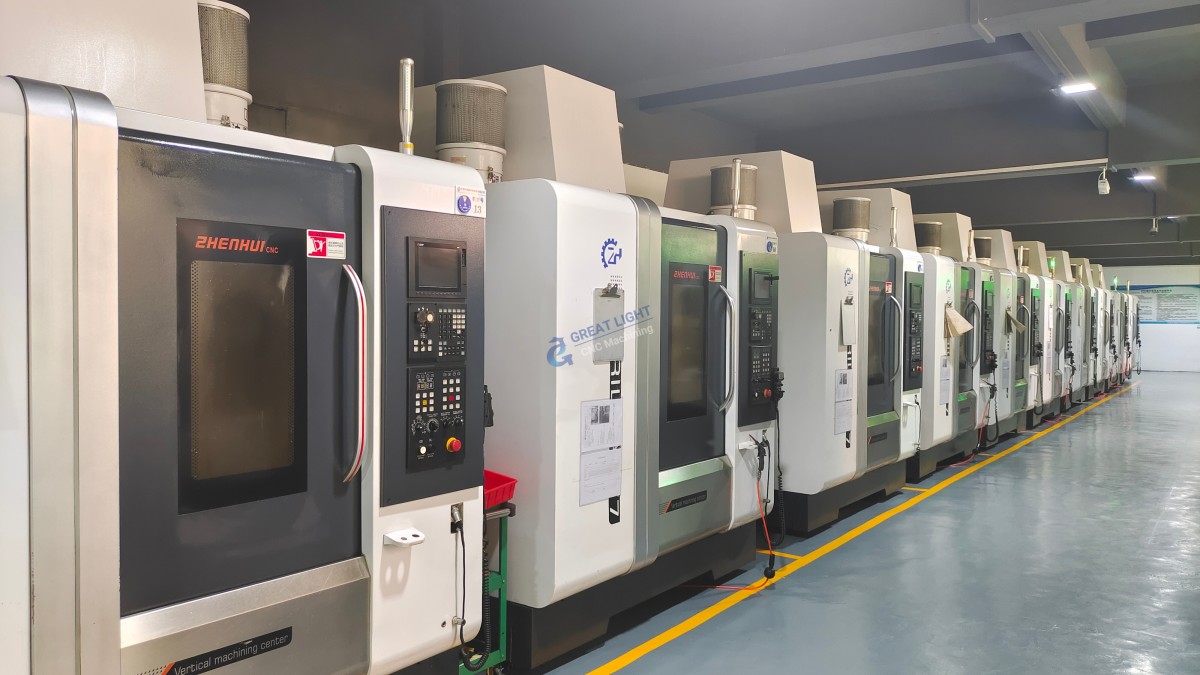
At GreatLight, this digital synergy is optimized across all three of its manufacturing plants. The engineering team uses unified CAD software and post-processing tools to generate code for both CNC machining centers and 3D printers, ensuring seamless transitions between prototyping with 3D printing and scaling production with CNC. For example, a client designing a custom robotic joint can submit a single CAD file, and GreatLight’s team will adjust the code to suit either their SLM metal 3D printer (for quick functional prototyping) or their five-axis CNC machine (for high-volume, high-strength production).
2. Precision and Repeatability for Consistent Results
Precision is the hallmark of both technologies, and both excel at producing parts with tight tolerances and consistent quality across batches. CNC machines, especially high-end five-axis models, are capable of achieving tolerances as tight as ±0.001mm, making them ideal for critical parts where fit and function are non-negotiable. 3D printers, while often associated with rapid prototyping, have advanced to match this precision in many cases: GreatLight’s SLM metal 3D printers can achieve tolerances of ±0.05mm for metal parts, and SLA plastic printers can reach ±0.02mm, which is sufficient for most prototyping and even low-volume production needs.
Repeatability is another key shared trait. Whether you’re running a batch of 10 CNC-machined aerospace components or 50 3D-printed medical device parts, both technologies will replicate the exact dimensions and features of the original CAD file every time. GreatLight reinforces this with in-house precision measurement tools, including coordinate measuring machines (CMMs) and optical scanners, which verify every part against design specifications before shipment. The table below compares the precision capabilities of GreatLight’s core 3D printing and CNC machining technologies:
| Technology | Tolerance Range | Typical Application |
|---|---|---|
| Five-Axis CNC Machining | ±0.001mm to ±0.01mm | Automotive engine parts, aerospace components |
| SLM Metal 3D Printing | ±0.05mm to ±0.1mm | Titanium orthopedic implants, mold steel inserts |
| SLA Plastic 3D Printing | ±0.02mm to ±0.05mm | High-precision plastic prototypes, consumer electronics enclosures |
| Three-Axis CNC Machining | ±0.01mm to ±0.02mm | General-purpose metal and plastic parts |
3. Versatility in Material Compatibility
Both 3D printers and CNC machines support a wide range of materials, allowing manufacturers to address diverse industry needs. For CNC machining, this includes metals like aluminum alloy, titanium alloy, stainless steel, and mold steel, as well as engineering plastics such as PEEK, ABS, and PC. 3D printers, on the other hand, can process many of the same materials: GreatLight offers stainless steel 3D printing, aluminum alloy 3D printing, titanium alloy 3D printing, and mold steel 3D printing, alongside plastic 3D printing options like SLA and SLS.
This material versatility means that both technologies can serve a broad spectrum of industries, from automotive and aerospace to medical and industrial automation. For instance, a client in the medical field might use GreatLight’s titanium alloy 3D printing to create a custom surgical guide, then switch to CNC machining for producing the matching titanium implant that requires even tighter tolerances. Similarly, an automotive client could use 3D printing to prototype a complex engine component, then scale production with CNC machining for high-strength aluminum parts. While other suppliers may specialize in one material category or the other, GreatLight’s comprehensive material portfolio ensures clients have access to the right option for their specific project.
4. Support for Rapid Prototyping and On-Demand Production
Rapid prototyping is a shared strength of both 3D printing and CNC machining, enabling businesses to iterate on designs quickly without incurring the high costs of traditional tooling. 3D printing shines when it comes to complex geometries with internal cavities or overhangs that are difficult to machine, allowing designers to test concepts in 1-3 days. CNC machining, while slightly faster for certain simple parts, excels at producing functional prototypes that closely mimic the strength and properties of final production parts.
GreatLight specializes in combining both technologies to accelerate product development cycles. For example, when working with a new energy vehicle client, the team used SLA 3D printing to produce a prototype of a complex e-housing in just 2 days, allowing the client to test the fit and form of the component. After two rounds of design iterations, GreatLight switched to five-axis CNC machining to produce the final high-volume parts, ensuring the strength and durability needed for real-world use. This hybrid approach cuts down time-to-market significantly—a critical advantage in fast-paced industries where being first to launch can make or break success.
5. Integration with One-Stop Post-Processing Workflows
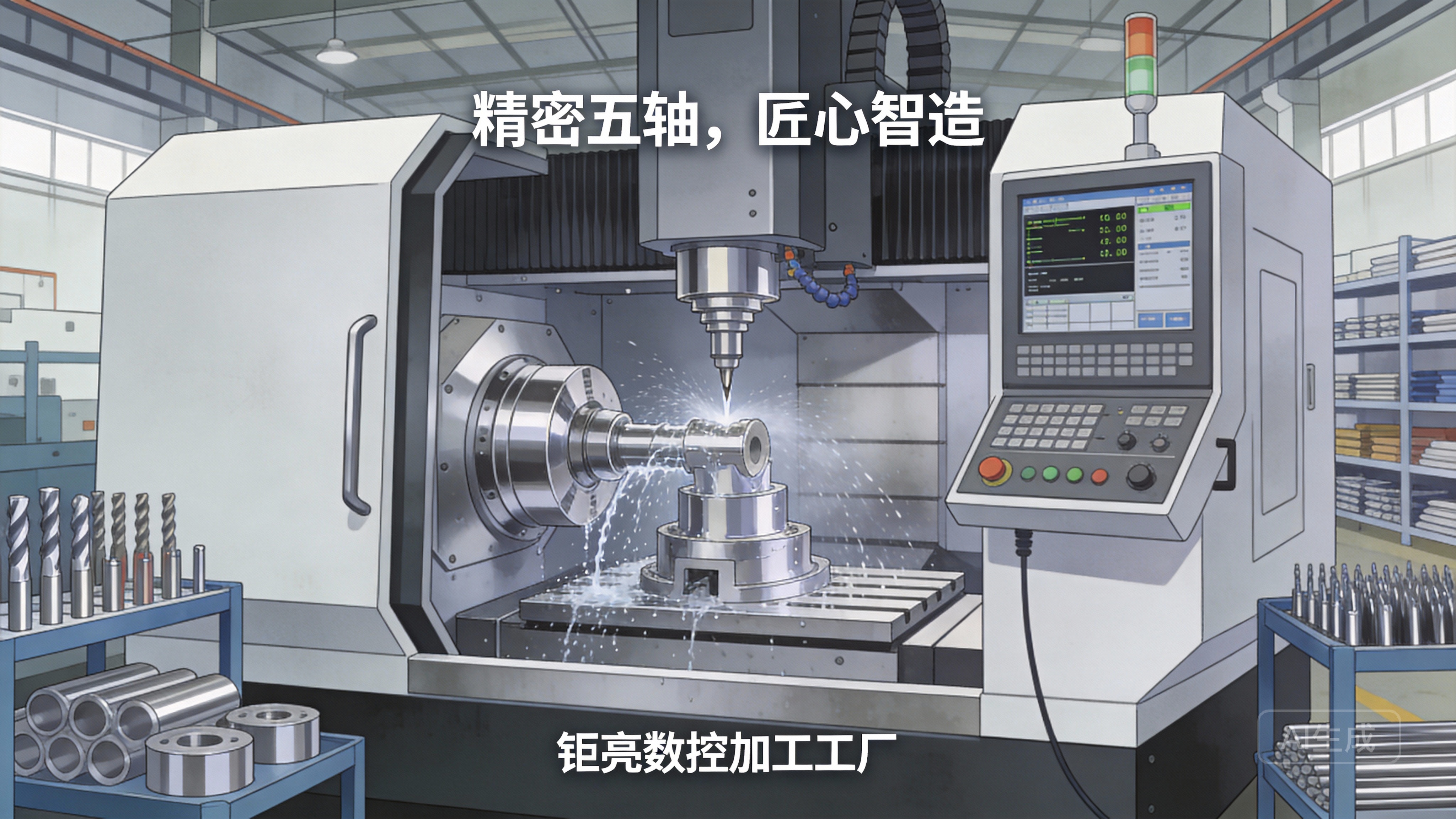
Neither 3D printing nor CNC machining produces a finished part right off the machine—both require post-processing to meet surface finish, tolerance, and aesthetic requirements. CNC-machined parts may need grinding, polishing, anodizing, or plating to enhance their appearance or corrosion resistance. 3D printed parts often require support removal, sanding, painting, or heat treatment to improve their mechanical properties.
GreatLight addresses this with a comprehensive one-stop post-processing service that caters to both technologies. Their in-house post-processing team handles everything from deburring CNC parts to smoothing SLA 3D printed surfaces and applying hard coatings to metal parts. This eliminates the need for clients to coordinate with multiple vendors, streamlining the production process and ensuring consistent quality from start to finish. Unlike some suppliers that outsource post-processing, GreatLight keeps all steps in-house, giving clients full visibility into every stage of production.
6. Compliance with Rigorous Quality and Industry Standards
Both 3D printing and CNC machining operations at reputable manufacturers adhere to strict quality management systems to ensure part reliability and safety. GreatLight, for example, holds ISO 9001:2015 certification, which applies to all its manufacturing processes, including 3D printing and CNC machining. Additionally, the company complies with industry-specific standards: IATF 16949 for automotive and engine hardware components, ISO 13485 for medical hardware production, and ISO 27001 for data security on intellectual property-sensitive projects.
These certifications mean that whether you’re ordering 3D printed medical devices or CNC-machined automotive parts, you can trust that every part meets global quality and safety requirements. GreatLight’s commitment to compliance extends to its after-sales guarantee: if a part fails to meet your specifications due to quality issues, the company offers free rework. If rework doesn’t resolve the problem, you’ll receive a full refund— a level of assurance that sets GreatLight apart from many competitors.
Leveraging the Synergy: How GreatLight Combines 3D Printing and CNC Machining for Client Success
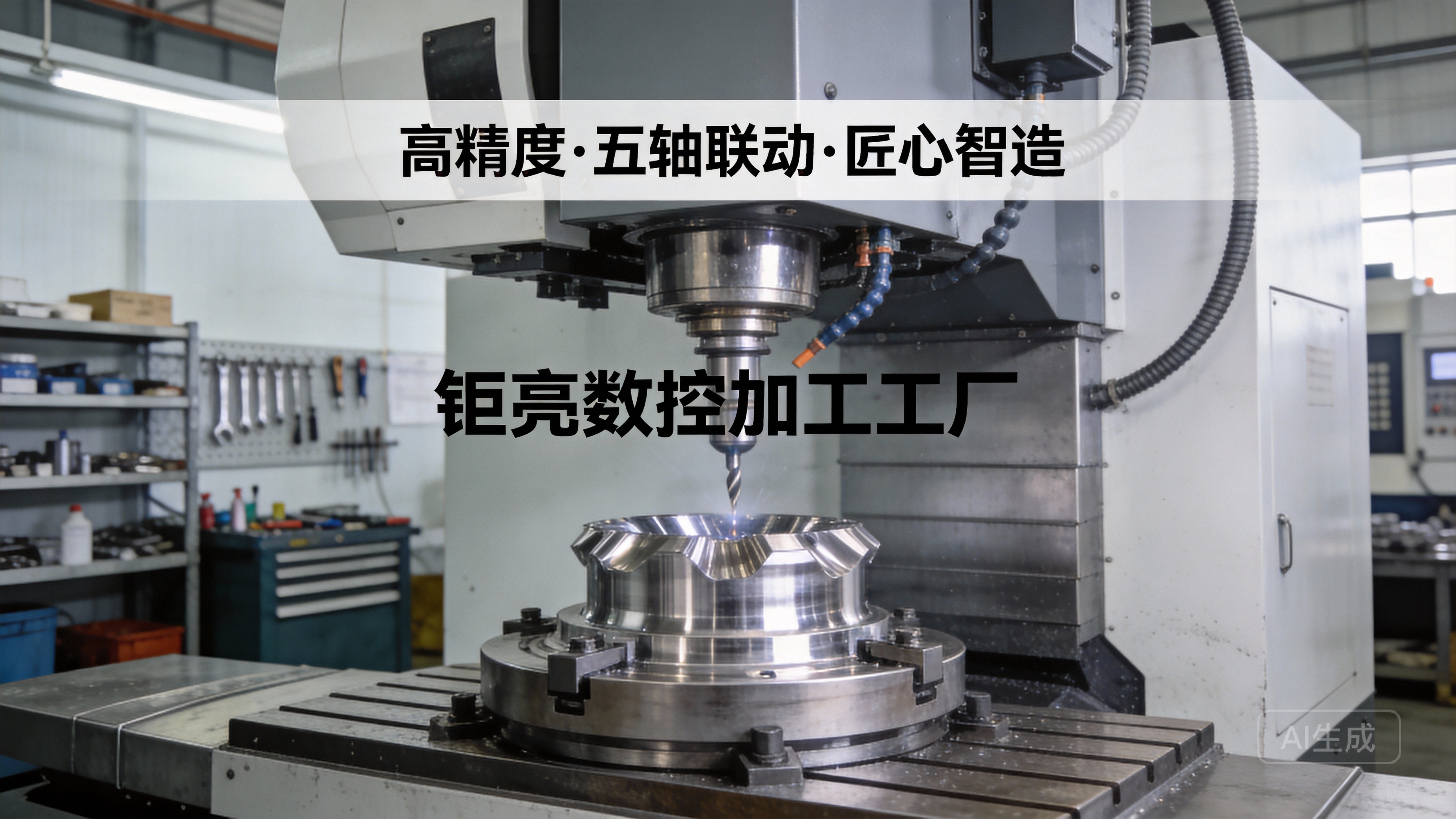
Understanding the similarities between 3D printing and CNC machining is only the first step—truly unlocking their potential requires a partner that can integrate both technologies to solve unique client challenges. GreatLight does this by offering hybrid solutions that combine the best of both worlds. For example:
Prototype to Production Transition: Use 3D printing to quickly iterate on a design, then switch to CNC machining for high-volume production once the design is finalized.
Complex Part Manufacturing: 3D print intricate internal features that are impossible to machine, then use CNC machining to refine external surfaces for tight tolerances.
Cost Optimization: For low-volume batches, use 3D printing to avoid the high costs of CNC tooling; for high-volume runs, switch to CNC machining for lower per-part costs.
While other suppliers may specialize in one technology or the other, GreatLight’s ability to offer both under one roof, with a unified quality system and engineering team, provides a level of convenience and consistency that is hard to match. This integrated approach is why GreatLight has become a trusted partner for clients in fields like humanoid robots, automotive engines, and aerospace—industries where precision, speed, and reliability are non-negotiable.
Conclusion
In conclusion, whether you’re evaluating prototyping options or scaling production, understanding How Is A 3D Printer Similar To A CNC Machine? is key to making informed decisions that align with your project goals. Both technologies are digitally driven, precise, versatile, and supported by robust post-processing and quality systems. For businesses looking to leverage these similarities and the unique strengths of each technology, GreatLight Metal—with its state-of-the-art facilities, decades of expertise, and comprehensive service portfolio—is the ideal partner. You can learn more about their work and connect with the team via their official GreatLight Metal profile.
Frequently Asked Questions (FAQ)
Q1: Can 3D printing replace CNC machining for all precision part projects?
A: No. 3D printing is ideal for complex geometries, low-volume runs, and rapid prototyping, while CNC machining is better suited for high-strength parts, tight tolerances (down to ±0.001mm), and high-volume production. GreatLight’s engineering team will assess your project requirements to recommend the best technology or hybrid approach.
Q2: How does GreatLight ensure consistency between 3D printed and CNC machined parts for the same design?
A: GreatLight uses a unified digital workflow, where the same CAD file is adapted for both technologies with minimal adjustments. Additionally, all parts are inspected using the same precision measurement tools (CMMs, optical scanners) to ensure they meet the exact design specifications, regardless of the manufacturing method used.
Q3: What materials can be processed by both 3D printing and CNC machining at GreatLight?
A: GreatLight offers cross-compatibility for several key materials, including aluminum alloy, titanium alloy, stainless steel, mold steel, and engineering plastics like PEEK and ABS. This allows clients to choose the manufacturing method that best fits their needs without sacrificing material options.
Q4: Does GreatLight offer combined 3D printing and CNC machining services for a single project?
A: Yes. Many clients benefit from a hybrid approach: for example, using 3D printing to prototype a part quickly, iterate on the design, then switch to CNC machining for final production runs. GreatLight’s integrated facilities make this transition seamless, with no need to coordinate between multiple vendors.
Q5: What is the typical lead time for 3D printed vs. CNC machined parts at GreatLight?
A: Lead times vary based on part complexity, batch size, and post-processing requirements. Generally, 3D printed parts can be completed in 1-3 days, while CNC machined parts take 2-5 days. GreatLight also offers expedited services for urgent projects, with lead times as short as 24 hours for simple parts.
Q6: What quality guarantees does GreatLight offer for 3D printed and CNC machined parts?
A: GreatLight provides a comprehensive after-sales guarantee: all parts are inspected to meet ISO 9001:2015 standards. If a part fails to meet your specifications due to quality issues, the company offers free rework. If rework does not resolve the problem, you will receive a full refund. Additionally, GreatLight’s ISO 13485 and IATF 16949 certifications ensure compliance with industry-specific quality requirements for medical and automotive parts.



















